
You know the feeling. It’s the day after a demanding workout or a long, strenuous hike, and your muscles feel tight, heavy, and achy. Every movement is a reminder of the effort you put in. This sensation, often called delayed onset muscle soreness or DOMS, is a direct result of microscopic tears in your muscle fibers. Your body’s natural response is to initiate an inflammatory process to repair this damage. While this process is essential for adaptation and growth, the associated swelling and discomfort can be significant. This is where modern passive recovery systems come into play. Rather than just waiting for the soreness to fade, these tools help you actively manage your body’s response. Among the most direct and effective of these are ice blankets, which offer a targeted way to control inflammation and accelerate your return to feeling your best. Understanding how these systems work is the first step toward using them not just for relief, but for smarter, more efficient recovery.
Understanding Recovery and the Role of Ice Blankets
Recovery is not a passive state of waiting. It is an active, complex biological process that your body orchestrates to repair, rebuild, and strengthen itself after stress. When you push your physical limits, you create a demand for this repair cycle. The soreness you feel is a signal that your body has begun its work, sending inflammatory cells and fluids to the affected tissues. While this inflammation is a necessary part of healing, too much of it for too long can impede recovery, increase pain, and limit your ability to train consistently. This is the specific problem that passive recovery systems are designed to address. They are tools you can use while resting, allowing your body to focus its energy on healing while you manage the side effects of that process. Ice blankets, in particular, are engineered to apply cold therapy directly to large muscle groups, helping to moderate the inflammatory response right at the source. By doing so, they help you manage discomfort and reduce the downtime between periods of intense activity. For those new to these concepts, exploring the fundamentals of recovery can provide a valuable foundation for making informed choices about the tools you use.
The Cellular Impact of Cold Therapy
When you apply cold to your skin, the effects go far deeper than just a surface-level chill. The primary mechanism at work is vasoconstriction, the narrowing of your blood vessels. Think of it like traffic control on a busy highway. After intense exercise, your body rushes inflammatory cells to the site of muscle damage. Cold therapy narrows the "lanes," slowing this rush and preventing a "traffic jam" of fluid and cells that leads to excessive swelling and pressure. This reduction in blood flow is a key component of cold therapy for inflammation, as it directly limits the amount of edema, or swelling, that can accumulate in the tissue.
Beyond managing fluid, cold also has a profound impact on cellular metabolism. Stressed and damaged tissues have a high metabolic rate, consuming oxygen rapidly. If the demand for oxygen outpaces the supply, a state known as secondary hypoxic injury can occur, where surrounding healthy cells begin to die off due to oxygen deprivation. Cold application slows down the metabolic rate of the tissue, reducing its need for oxygen and helping to preserve healthy cells that might otherwise be compromised. This protective effect minimizes the collateral damage from the initial inflammatory response.
Finally, there is the immediate and welcome analgesic, or pain-relieving, effect. Cold temperatures slow the conduction velocity of nerve fibers, meaning the pain signals traveling from your sore muscles to your brain are transmitted more slowly and less frequently. This is why cold application provides such rapid relief from the acute ache of muscle soreness. As a comprehensive review published in the European Journal of Applied Physiology highlights, these combined physiological responses make cryotherapy a powerful tool for managing the immediate aftermath of tissue stress. It’s not just about feeling better; it’s about creating a better environment for your body to heal itself.
Passive vs. Active Cold Systems
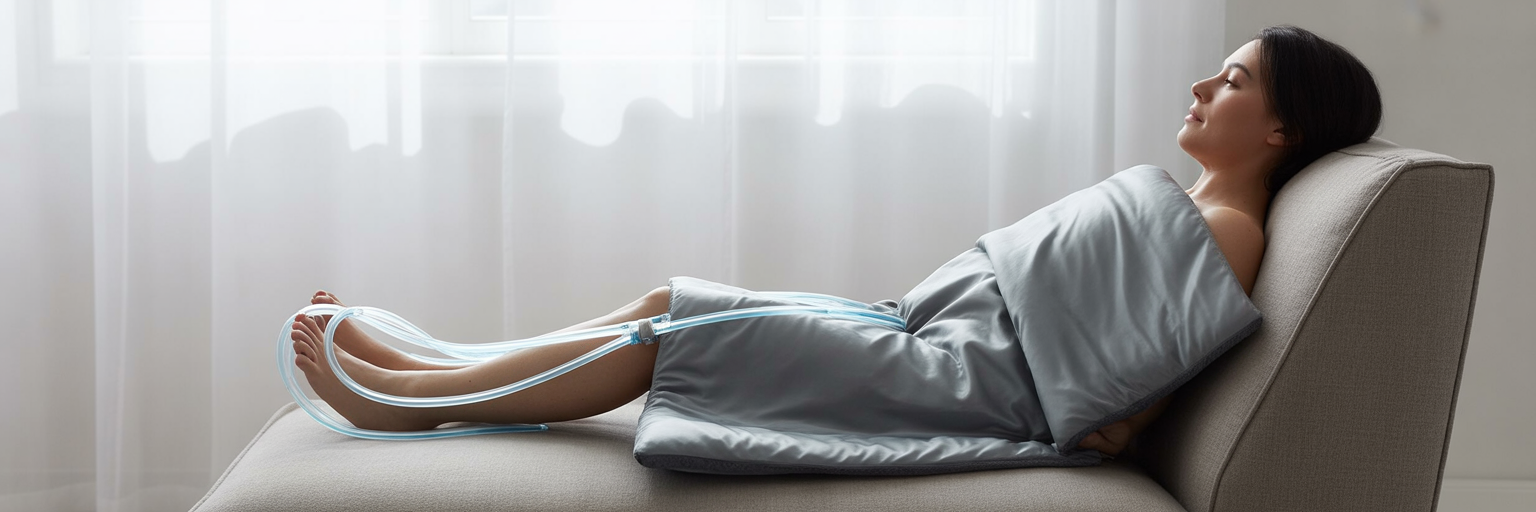
Not all cold therapy systems are created equal. The tools available generally fall into two categories: passive and active. Understanding the distinction is crucial for matching the technology to your specific recovery needs. Passive systems, such as traditional gel packs or basic ice blankets, work by simply absorbing heat from your body. They are cold initially, but as they draw warmth from your skin and the surrounding air, their temperature rises. This means their therapeutic effectiveness diminishes over the course of a session, typically lasting only 10 to 15 minutes before they need to be re-chilled. Their primary advantage is convenience. They are easy to store, quick to apply, and excellent for managing minor, acute strains or providing immediate post-workout relief.
Active cold therapy systems, on the other hand, are designed to overcome this limitation. Devices like the Plunge Chill or other advanced tubs and wraps use a motorized unit to continuously circulate chilled water. This mechanism actively removes heat from the application site, allowing the system to maintain a precise and consistent therapeutic temperature, often between 32°F and 50°F, for a prolonged and controlled duration. The result is deeper and more sustained cold penetration into the muscle tissue, making these systems highly effective for systematic recovery protocols, managing significant inflammation, and achieving a clinical-level treatment at home. While they require more setup involving water and a power source, their ability to deliver a consistent therapeutic dose makes them a superior choice for serious athletes or anyone dealing with chronic inflammatory stress. The decision between passive and active isn’t about which is better, but about what your recovery demands. For occasional soreness, a passive system may be sufficient. For dedicated, consistent at-home muscle recovery, an active system offers a level of control and potency that passive tools cannot match.
Enhancing Cold Therapy with Compression
The evolution of recovery technology has led to systems that combine cold with another powerful modality: intermittent pneumatic compression. This dual-action approach creates a synergy that makes each component more effective. While cold therapy works on a vascular level to manage inflammation through vasoconstriction, compression acts as a mechanical pump to physically clear out the affected area. The system uses inflatable chambers that sequentially squeeze and release the limb, mimicking the natural muscle contractions that push metabolic waste and excess fluid out of the tissue.
This pumping action directs the fluid toward the lymphatic system, your body’s waste-disposal network, accelerating its removal. The real advantage, however, lies in how these two therapies work together. The compression physically pushes the cold deeper into the muscle tissue. A study highlighted in Frontiers in Physiology found that combining cold with compression allowed the therapeutic temperature to penetrate up to 38% deeper than using cold alone. This happens because the pressure helps overcome the body’s natural insulating layer of subcutaneous fluid, which can otherwise prevent the cold from reaching the underlying muscle. By clearing this fluid and pressing the cold source against the tissue, the combination delivers a more potent and efficient therapeutic session. You get the inflammation-reducing benefits of cold and the waste-clearing benefits of compression in a single, powerful treatment.
Cold Therapy vs. Other Recovery Technologies
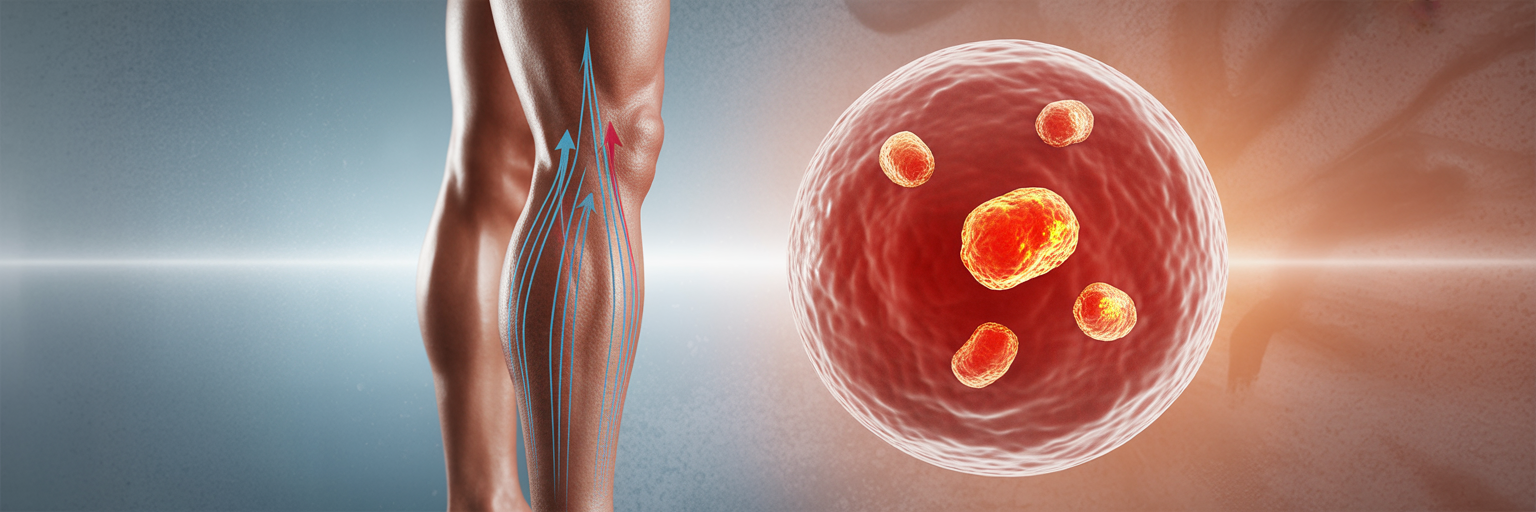
Understanding where cold therapy fits within the broader landscape of recovery tools is key to building an effective routine. It’s not about finding one superior technology, but about choosing the right tool for the right biological job. A direct comparison between cold therapy and red light therapy illustrates this point perfectly. Cold therapy is primarily a tool for the acute phase of recovery. Its main purpose is to manage vascular inflammation and swelling by constricting blood vessels. It is a macro-level intervention designed to control the immediate aftermath of intense physical stress.
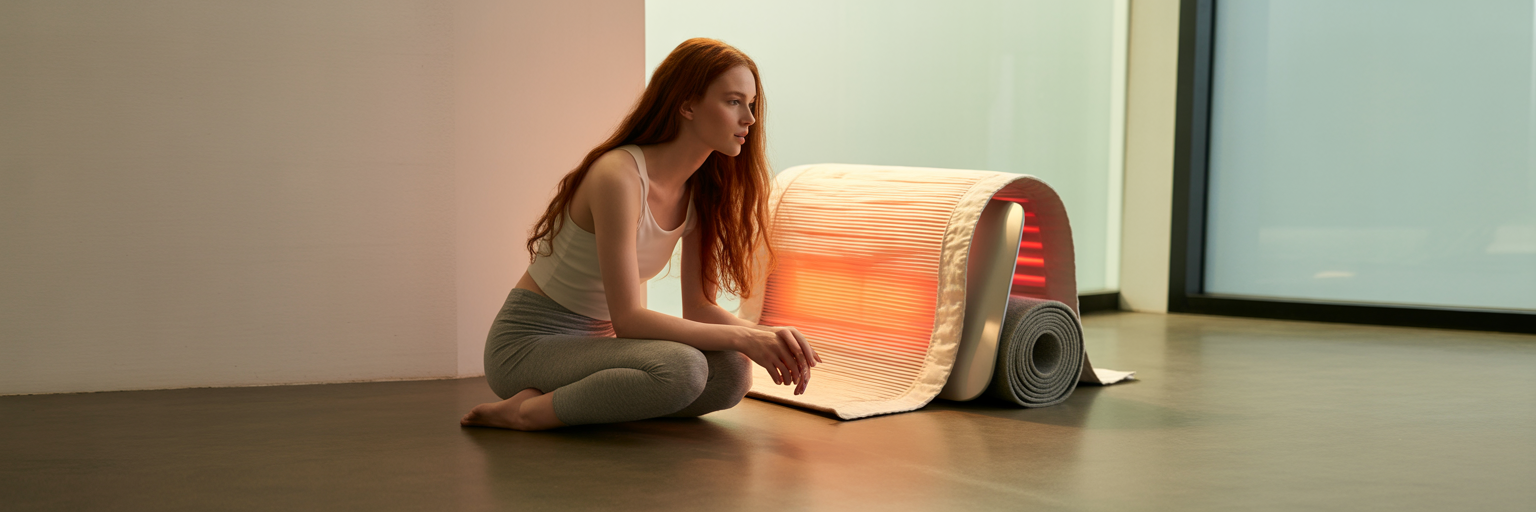
Red light therapy, such as that offered by systems from Mito Health, operates on a completely different principle. It works at the cellular level, using specific wavelengths of light to stimulate the mitochondria, the powerhouses of your cells. This stimulation boosts the production of adenosine triphosphate (ATP), the energy currency of the cell, which fuels the repair and regeneration processes. Therefore, these two technologies are not competitors but collaborators. A smart approach might involve using cold therapy immediately after a workout to control swelling and pain, followed by a red light therapy session hours later or the next day to support the underlying cellular healing. One manages the symptoms, while the other fuels the repair.
Similarly, when considering PEMF vs cold therapy, the mechanisms are distinct. Pulsed Electromagnetic Field (PEMF) therapy uses low-frequency electromagnetic fields to influence cellular communication and function, aiming to optimize the body's natural recovery processes without directly targeting inflammation through vasoconstriction. While cold therapy is an excellent tool for acute symptom management, PEMF is geared toward enhancing overall cellular health and function over time. By understanding these different mechanisms, you can begin to layer technologies intelligently, creating a comprehensive recovery protocol that addresses your body’s needs at every level.
Practical Guidelines for Using Cold Therapy
To get the most out of cold therapy, it’s important to use it correctly. The ideal window for application is during the acute inflammatory phase, which is typically the first 24 to 72 hours following intense exercise or a minor injury. This is when your body is dealing with the most significant swelling and pain, and when the vasoconstrictive effects of cold will be most beneficial. One of the primary benefits of ice blankets is their ability to cover large surface areas like the quads, hamstrings, or back, providing comprehensive relief for major muscle groups.
However, it is important to approach cold therapy with a degree of nuance. While it is highly effective for short-term symptom management, some research suggests that excessive or prolonged use of cold may interfere with the natural inflammatory signals that are necessary for long-term muscle adaptation and growth. The key is to use it as a strategic tool, not a constant crutch. For effective at-home muscle recovery, a session duration of 15 to 20 minutes is generally recommended. It is also crucial to place a thin barrier, like a towel or a layer of clothing, between the cold source and your skin to prevent ice burns or other tissue damage. Always listen to your body; if you experience excessive pain, numbness, or skin discoloration, end the session immediately. Tools like specialized Ice Blankets are designed for this purpose, but proper application remains essential. Ultimately, cold therapy is a powerful intervention for managing acute symptoms, allowing you to feel better and stay mobile while your body does the deeper work of healing.
Integrating Recovery Systems into Your Routine
Effective recovery is not about finding a single magic bullet. It begins with listening to your body’s signals and understanding the biological processes at play. Cold therapy, delivered through tools like ice blankets or active systems, is a key player in this process, offering a reliable and scientifically-backed method for managing the acute inflammation and pain that follow intense effort. It allows you to control the immediate symptoms so you can remain functional and comfortable.
The most sophisticated recovery routines, however, often layer different modalities to address different needs at different times. You might use cold therapy for immediate post-workout relief, followed by red light therapy later to support cellular energy production, or PEMF therapy on rest days to enhance overall cellular function. By learning to distinguish between these technologies, you can move from simply reacting to soreness to proactively managing your body’s entire recovery cycle. The goal is to build a personalized system that aligns with your activity level, your body’s unique responses, and your long-term performance goals. Reflecting on your personal recovery needs is the first step toward exploring the systems that can help you achieve them.