** About**
Helping Australians Choose Better Home Recovery Equipment
Buying home recovery equipment shouldn't require a science degree.
Yet start researching red light therapy panels, cold plunges, PEMF mats or infrared sauna equipment and you'll quickly encounter hundreds of products, complicated specifications, big promises and enormous differences in price.
One red light panel costs $500. Another costs $5,000.
One cold plunge needs bags of ice. Another has a chiller, pump and filtration system.
One PEMF mat promotes frequency. Another promotes intensity.
One infrared sauna blanket costs a few hundred dollars. Another costs several times as much.
How do you know what you're actually paying for?
That's why Personal Recovery Lab exists.
We help Australians research, compare and choose home recovery equipment with practical buyer's guides, product information, reviews and comparisons.
Choose Better. Recover Smarter.
What Is Personal Recovery Lab?
Personal Recovery Lab is an independent Australian home recovery equipment guide and product comparison website.
We focus on four core recovery technologies:
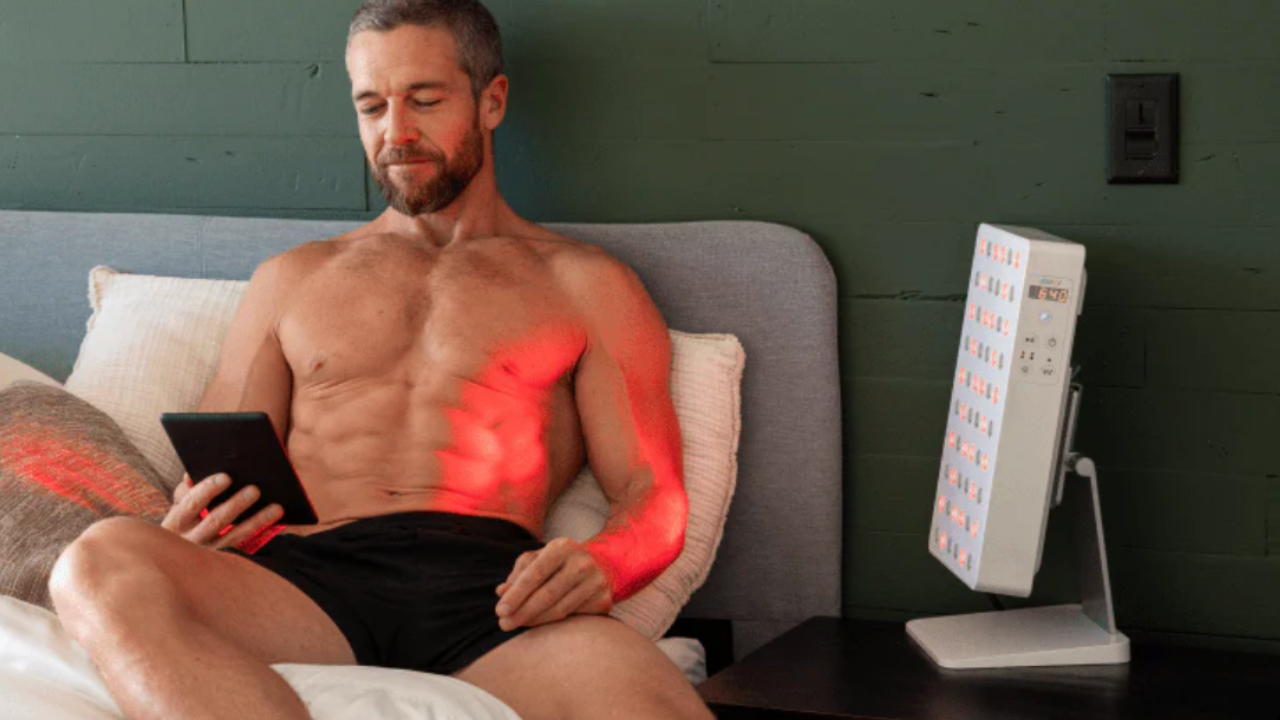
Red Light Therapy
Compare red light therapy panels and full-body systems by wavelengths, irradiance, panel size, treatment area, features, price, warranty and Australian availability.
Cold Plunge & Cold Therapy
Research cold plunge tubs, ice baths and chillers, including purchase prices, cooling systems, filtration, maintenance, running costs and product comparisons.
PEMF Equipment
Explore PEMF mats, pads and home PEMF systems, including frequencies, intensity, programs, specifications, prices and competing products.
Infrared Recovery
Compare infrared sauna blankets, portable infrared saunas and home infrared equipment, including features, temperature ranges, running costs, cleaning, maintenance and price.
These four categories are deliberately our focus.
We're not trying to cover every fitness product, supplement or wellness trend.
We specialise in helping people make better decisions about home recovery equipment.
What You'll Find at Personal Recovery Lab
Product Reviews
A useful recovery equipment review should do more than repeat the manufacturer's marketing.
Our reviews are designed to help answer the questions you might have before spending your money.
Depending on the product, we may examine:
Price · Specifications · Features · Size · Performance characteristics · Warranty · Maintenance · Running costs · Australian availability · Customer support · Competing alternatives
Where we've personally tested a product, we'll make that clear.
Where a review is based on product research, manufacturer specifications and other available information rather than hands-on testing, we'll make that clear too.
We won't pretend we've personally tested a product when we haven't.
Product Comparisons
Sometimes looking at a product in isolation doesn't tell you very much.
Put three competing products beside each other and the differences can become much clearer.
That's why comparisons are a major part of Personal Recovery Lab.
We compare products across areas such as:
Price
Specifications
Features
Size and capacity
Warranty
Running costs
Maintenance
Australian support
Overall value
You'll find comparisons such as Brand A vs Brand B, budget versus premium products and alternatives to popular recovery equipment.
The purpose isn't to find the product with the longest feature list.
It's to help you find the product that best matches your needs and budget.
Australian Buyer's Guides
Our buyer's guides are designed for people who are getting closer to making a purchase.
They include topics such as:
Best Red Light Therapy Panels Australia
Best Cold Plunges Australia
Best PEMF Mats Australia
Best Infrared Sauna Blankets Australia
We also explore different price ranges and buying situations.
That might mean the best red light panel under $1,000, the best cold plunge with a chiller, or comparing whether a premium product offers enough additional value to justify its higher price.
Our aim is to move beyond: “Here's a list of 10 products.”
And answer the more important question: “Which one makes sense for me—and why?”
Understanding Recovery Equipment Specifications
One of the biggest challenges when buying recovery equipment is understanding the specifications.
What does irradiance mean when comparing red light panels?
Which wavelengths matter?
What should you look for in a cold plunge chiller?
How should you compare PEMF frequency and intensity?
What does the power rating of an infrared sauna tell you?
Personal Recovery Lab creates straightforward guides explaining what these specifications mean from a buyer's perspective.
You shouldn't have to become an engineer to make a sensible purchase. What Does Recovery Equipment Really Cost? The sticker price doesn't always tell the full story.
A cold plunge may require a chiller, pump, filters, water treatment and electricity.
A red light therapy panel may require a stand or mounting system.
An infrared sauna may have ongoing electricity and maintenance costs.
Shipping can also make a substantial difference when purchasing large equipment in Australia.
Where practical, we look beyond the advertised price and consider the real cost of owning the equipment.
The Personal Recovery Lab Rule of Three
There's one principle you'll see throughout this website: Compare at least three products before you buy. Before spending hundreds or thousands of dollars, put three realistic alternatives side by side.
Compare:
Price · Specifications · Features · Suitability · Warranty · Running costs · Maintenance · Australian support
The most heavily advertised product isn't necessarily the best product.
The most expensive isn't automatically the best either.
And the cheapest can become expensive if it doesn't do what you need. Compare first. Spend second.
Our Approach to Reviews
Trust matters when you're helping someone make a significant purchasing decision.
That's why Personal Recovery Lab aims to distinguish between facts, manufacturer claims, research and our assessment of a product.
We don't believe every product needs to receive five stars.
We don't believe every new piece of recovery equipment is revolutionary.
And we don't believe complicated technology automatically makes something better.
Our objective is to help you answer:
What is it?
What does it cost?
What are the important specifications?
Who might it suit?
What are its limitations?
What alternatives should I compare?
Is the extra cost justified?
Then you can make your own decision.
Independent Information & Affiliate Partnerships
Personal Recovery Lab may earn a commission when you purchase certain products through links on our website.
This is known as affiliate marketing.
If you click an affiliate link and subsequently purchase a product, we may receive a commission from the retailer or manufacturer, generally without increasing the price you pay.
Affiliate relationships help support the cost of researching, maintaining and operating Personal Recovery Lab.
However: A commission doesn't turn a bad product into a good one. Our aim is to assess products based on their specifications, features, value, limitations and suitability—not simply on whether an affiliate commission is available.
Where appropriate, we'll also discuss products for which we don't have an affiliate relationship.
What Personal Recovery Lab Isn't
Personal Recovery Lab isn't a medical clinic.
We're not doctors, physiotherapists or healthcare providers, and the information on this website isn't intended to diagnose, treat, cure or prevent medical conditions.
We focus on recovery equipment and buying decisions.
Health and medical claims surrounding recovery technologies can sometimes run well ahead of the evidence. We therefore encourage readers to distinguish between established evidence, emerging research and manufacturer marketing.
If you have a medical condition, take medication, use an implanted medical device, are pregnant or have concerns about whether particular recovery equipment is appropriate for you, speak with an appropriately qualified healthcare professional.
Why Australia?
Australian buyers face considerations that aren't always covered by international review websites.
Products may have different availability here.
Prices can be substantially different after currency conversion and shipping.
Some brands have Australian distributors while others ship internationally.
Warranty support can vary considerably.
Electrical requirements, returns, replacement components and local customer support can also matter when you're spending thousands of dollars.
That's why Personal Recovery Lab has an Australian buying focus.
We want to help you understand not only whether a product looks good—but whether it makes sense to buy in Australia.
Start Your Research
If you're considering investing in home recovery equipment, start with the technology you're interested in:
Red Light Therapy — Compare panels, wavelengths, specifications, prices and brands.
Cold Plunge & Cold Therapy — Compare ice baths, plunge tubs, chillers, filtration and ownership costs.
PEMF Equipment — Compare PEMF mats, pads, frequencies, intensity and home systems.
Infrared Recovery — Compare infrared sauna blankets, portable saunas and home infrared equipment.
Or explore our latest product reviews, comparisons and buyer's guides.
You don't need the most expensive recovery equipment.
You need equipment that makes sense for you, your home and your budget.
Choose Better. Recover Smarter.