Start Here
How to Use the Home Recovery Lab
The Home Recovery Lab is a structured directory of passive recovery systems designed for use at home. These are physical tools that work while you are still — lying down, sitting, or resting — rather than requiring active effort, training, or routines.
The purpose of this directory is to simplify comparison. Not by reducing choice, but by removing unnecessary noise around it. Each system is presented in terms of how it fits into daily life: how it is experienced, how much space it requires, and how naturally it can be repeated over time.
Most people don’t need more recovery options. They need clearer ways to understand which ones actually belong in their environment.
People usually arrive here with a direction already in mind — cold exposure, heat, light, or something that supports recovery in a more passive way — but without a clear sense of what that looks like when it becomes part of a home setup.
Some systems are designed to create short, structured sessions that support consistency. Others are designed for deeper physical stress and reset. Others still work more quietly in the background, supporting recovery without demanding attention.
What matters is not just what a system does, but how it integrates into your life.
The recovery systems in this directory
All systems in the Home Recovery Lab fall into four passive recovery categories. Each creates a different type of recovery environment while you are at rest.
Red light therapy panels
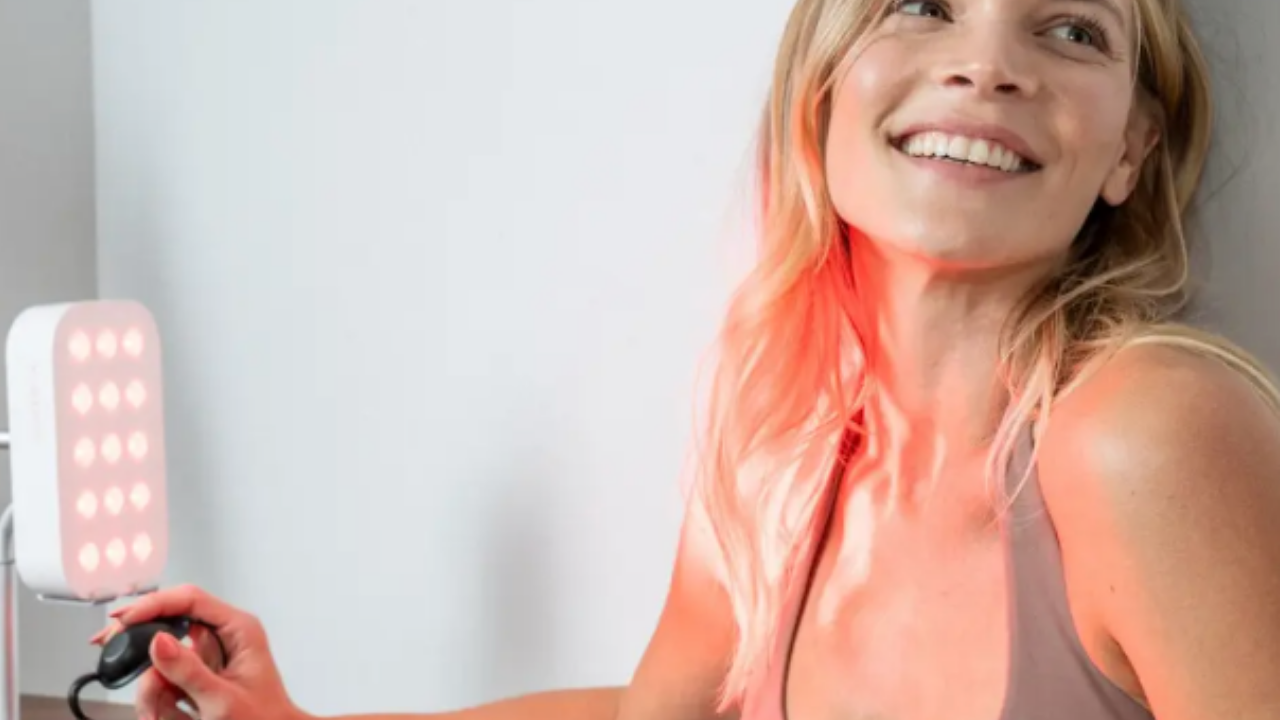
Red light systems use specific wavelengths of light directed at the body while you remain still.
They are typically used for short, repeatable sessions that are easy to maintain over time. The experience is simple and structured, which is part of their appeal — you can use them consistently without needing to change anything else in your routine.
At a functional level, red light therapy is often used to support general recovery habits, particularly in relation to physical fatigue, skin-level recovery, and maintaining a consistent daily rhythm around rest and exposure.
It tends to suit people who want something straightforward that can be used regularly without friction.
Cold plunge systems
Cold plunge systems use controlled cold water immersion to create a strong, immediate physical stimulus while the body remains still.
The experience is short but intense. It creates a clear contrast in the body that many people use as a reset point, especially around training or physically demanding activity.
Rather than being about comfort, cold exposure is typically used for its ability to create a deliberate stress response followed by a return to baseline. That contrast is often what people are looking for — not relaxation, but clarity after discomfort.
Infrared sauna blankets
Infrared sauna blankets create a contained heat environment while you lie down.
The experience is slower and more internal than cold exposure. It is often used in the opposite context — where the goal is to reduce tension, unwind, and move out of a heightened physical state.
People tend to use heat-based systems when they want recovery that feels gradual rather than abrupt. It becomes part of evening routines or periods of rest where the emphasis is on slowing down rather than stimulating the body.
PEMF mats
PEMF mats use low-level electromagnetic fields while the body is resting.
Unlike heat or cold, there is no strong physical sensation during use. The session happens quietly in the background while you remain still.
Because of that, PEMF is often chosen by people who want recovery support that does not interrupt rest. It fits into downtime rather than requiring a dedicated session.
At a practical level, it is commonly used as part of broader recovery routines where the goal is to support rest and physical recovery without adding another active step to the day.
How the tags work
Each listing uses three simple tags to help you understand how a system fits into real life.
These are not technical classifications. They are decision filters.
Passive Use
The system works while you are resting or lying still. There is no active effort required during use. The value comes from consistency, not interaction.
Full Body Use
The system affects the entire body during a session rather than focusing on one area. This creates a more immersive, uniform recovery experience.
Targeted Use
The system focuses on a specific area of the body. These are used when recovery is more localized rather than full-body.
Space requirement
Most systems in this directory assume a level of permanence in how they are used at home.
Dedicated Space Needed
These systems work best when they have a consistent place where they can remain set up or be easily accessed.
In practice, this matters because systems that are harder to access tend to be used less often, regardless of their benefits.
Pricing structure
Instead of focusing on exact price comparisons, the directory uses a simple structure:
Mid Tier focus
Most systems sit in the middle range of their category. This reflects a balance between usability, durability, and long-term use in a home environment.
Entry-level systems are included for exploration and first-time use. Premium systems represent long-term setups where the tool becomes part of a more established routine.
How to actually use this directory
You don’t need to compare everything at once.
A simpler way to approach it is to narrow decisions down to three points:
- whether you want full-body or targeted recovery
- whether you are exploring or committing to a routine
- whether you have space for a dedicated setup
Once those are clear, the categories and listings become easier to interpret.
What this directory is for
This directory focuses only on passive recovery systems used at home. It does not include supplements, apps, wearables, clinics, or active recovery tools.
Everything included is physical, passive, and designed to work while you are not actively doing anything.