
That familiar, deep ache that settles into your muscles a day or two after a challenging workout is a universal experience. It’s often seen as the price of progress, a signal that you pushed your body to adapt. This delayed onset muscle soreness, or DOMS, is not a sign of failure. Instead, it is your body communicating that a process of repair and rebuilding has begun. While active recovery methods like stretching and light movement have their place, there is also a critical role for passive recovery. This is the dedicated time your body needs to manage inflammation and repair tissue without the added stress of more activity. It is in this space that modern recovery tools have found their purpose. For many, this brings to mind messy bags of ice or rigid cold packs that never quite cover the right area. However, the evolution of at-home cold therapy has led to more sophisticated solutions. Ice Blankets represent a significant step forward, designed specifically for convenience and effectiveness. Unlike a simple ice pack, an ice blanket is a dry, flexible wrap or mat engineered to deliver consistent, uniform cooling over large muscle groups. It conforms to the contours of your body, allowing you to apply targeted cold therapy to your quads, hamstrings, back, or shoulders with ease. This approach allows you to rest comfortably while the technology does the work, making it a practical tool for anyone looking to streamline their recovery process and better manage the body’s response to physical stress.
The Role of Ice Blankets in Modern Recovery
The ache of DOMS is a direct result of microscopic tears in your muscle fibers, a natural consequence of strenuous exercise. Your body’s response is to initiate an inflammatory process, sending fluid and immune cells to the site of the damage to clear out debris and begin repairs. While this response is essential for adaptation and growth, it can also become excessive. When inflammation is unchecked, it leads to the pain, stiffness, and swelling that can sideline you for days, disrupting your training consistency and overall comfort. This is where the strategic application of cold becomes so valuable. Passive recovery is not about being inactive. It is about creating the optimal conditions for your body to heal efficiently. While you rest, your systems are hard at work repairing tissue, clearing metabolic waste, and restoring balance. Providing the right support during this phase can dramatically improve the quality and speed of your recovery.
This is precisely the role that Ice Blankets are designed to fill. They offer a modern, accessible form of at-home cold therapy that moves beyond the limitations of traditional ice packs. An ice blanket provides broad, consistent cooling that can envelop an entire muscle group, such as the quadriceps or the lower back. This uniform application ensures that the therapeutic cold penetrates evenly, which is difficult to achieve with smaller, rigid packs that create intense cold spots while leaving adjacent areas untreated. By making cold therapy simple and comfortable, these tools encourage consistency. You can wrap a sore leg while reading a book or lay on a mat to soothe your back, integrating recovery seamlessly into your daily routine. This convenience is not just a luxury. It is a key factor in making recovery a sustainable habit rather than an occasional intervention. By understanding these tools as a way to support your body’s natural healing intelligence, you can move from simply enduring soreness to actively managing your recovery.
The Science of Cold for Inflammation Control
To appreciate how cold therapy works, it helps to understand the body’s inflammatory response at a cellular level. Following the micro-trauma of exercise, your body rushes blood to the affected muscles. This influx brings with it the necessary cells and proteins to start the healing process, but it also causes the area to swell. This swelling, or edema, can increase pressure on nerve endings, contributing to pain. Furthermore, the initial damage can sometimes lead to secondary injury in the surrounding healthy cells due to a lack of oxygen and excessive metabolic activity. The primary goal of applying cold is to temper this entire cascade.
The core mechanism at play is vasoconstriction. When you apply cold to your skin, the temperature change signals the blood vessels in that area to narrow. Think of it like a traffic manager temporarily diverting cars from a congested road to allow emergency crews to work more effectively. This narrowing of the vessels reduces blood flow to the targeted muscle tissue. The immediate effect is a reduction in swelling, as less fluid is able to accumulate in the area. This helps alleviate the pressure that causes pain. At the same time, the cold numbs superficial nerve endings, providing direct and immediate pain relief. By slowing down the metabolic rate of the cells in the region, cold therapy also helps prevent that secondary hypoxic injury, preserving more of the healthy tissue surrounding the initial micro-tears. This controlled intervention is key to how you can reduce muscle inflammation without halting the healing process altogether.
It is important to maintain a balanced perspective here. The goal of cold therapy is not to eliminate inflammation, which is a vital signal for your body to repair and adapt. Instead, the objective is to manage it. By modulating the inflammatory response, you control the excessive swelling and pain that can prolong recovery and cause unnecessary discomfort. This allows you to feel better and return to your activities sooner, all while your body continues its essential repair work in the background. Understanding this science empowers you to use cold therapy as a precise tool, supporting your body’s innate healing capabilities. For those interested in exploring other ways to support the body's natural repair signals, our collection of articles on recovery technologies offers further insights on our blog.
Targeted Relief vs. Systemic Immersion
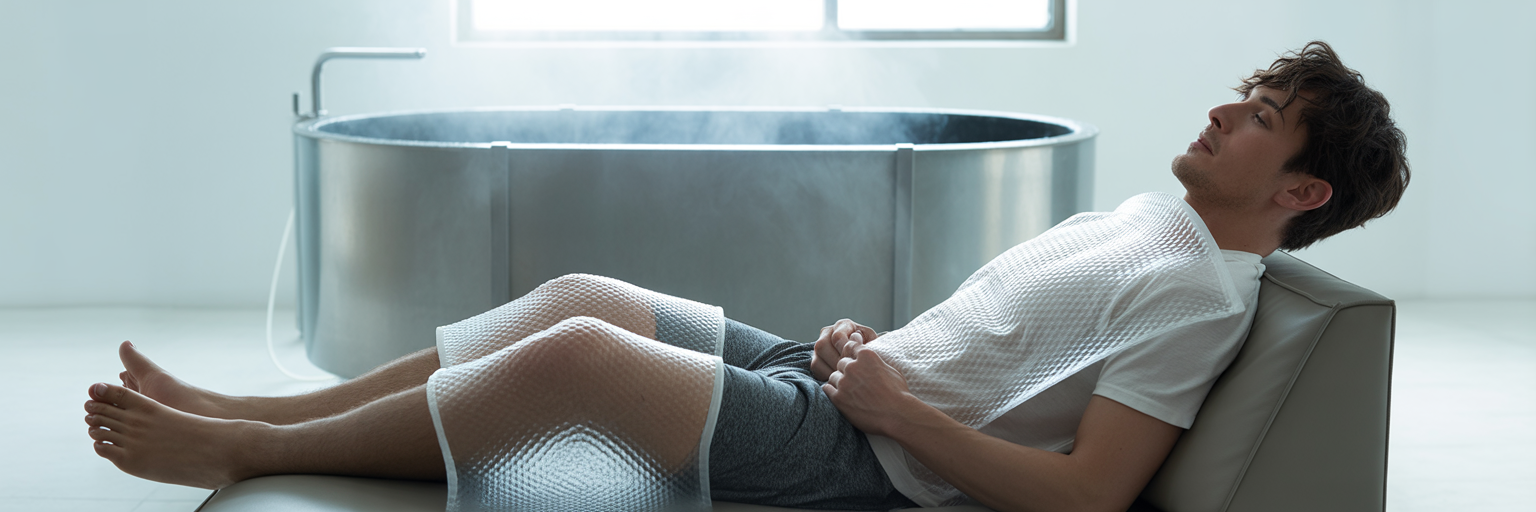
When considering cold therapy, you are faced with a fundamental choice: targeted application or full-body immersion. This is not a matter of one being better than the other, but rather of selecting the right tool for the right job. The decision between an ice blanket and a cold plunge tub hinges on your specific recovery needs and wellness goals. Understanding the distinction between localized cold therapy and a systemic approach is crucial for building an effective recovery protocol.
Ice Blankets excel at providing targeted, localized cold therapy. Their primary advantage lies in convenience and specificity. If you are dealing with a sore shoulder after a day of lifting, runner’s knee after a long trail run, or tightness in your lower back from hours spent at a desk, an ice blanket allows you to direct relief exactly where it is needed. You can apply cold to a specific joint or muscle group without committing to a full-body experience. This makes it an incredibly practical tool for daily use. It is portable, requires minimal setup, and can be used while you are relaxing, working, or even traveling. For acute soreness or minor strains, this targeted approach is often the most efficient and logical solution.
In contrast, a cold plunge tub delivers a systemic, or full-body, immersion. Submerging your body in cold water, such as with a system like the Plunge Chill, triggers a powerful and comprehensive physiological response that goes far beyond localized muscle relief. The shock of the cold stimulates the vagus nerve, initiates a cascade of hormonal releases including norepinephrine, and prompts a significant metabolic adjustment. The benefits extend to improved mood, enhanced mental resilience, and a reduction in systemic inflammation throughout the entire body. This makes it an exceptionally powerful tool for recovering from intense, full-body workouts or for pursuing broader wellness objectives. As research published in the Journal of Athletic Training has explored, different methods of cold application can lead to varied recovery outcomes. The debate of ice blanket vs cold plunge is really a question of your intent. For acute, localized pain, an ice blanket is a precise instrument. For a profound, body-wide reset, a cold plunge is the more potent option. Many find that having access to both allows them to tailor their recovery to their daily needs, using targeted therapy for specific aches and systemic immersion for deeper recovery. For those considering this powerful modality, you can explore a range of cold plunge tubs to find a system that fits your space and goals.
To clarify the distinction, consider this breakdown:
| Factor | Ice Blanket (Localized Therapy) | Cold Plunge (Systemic Therapy) |
|---|---|---|
| Primary Goal | Reduce pain and swelling in a specific area | Reduce systemic inflammation, boost mood, and accelerate full-body recovery |
| Application | Targeted to specific muscles or joints (e.g., knee, shoulder, back) | Full-body immersion |
| Convenience | High; portable, quick setup, can be used while relaxing | Lower; requires space, water, and time commitment |
| Physiological Response | Vasoconstriction in the targeted tissue, localized pain relief | Body-wide hormonal and metabolic response, central nervous system stimulation |
| Best Use Case | Post-workout soreness in a specific muscle, acute sprains or strains | Intense training recovery, enhancing mental resilience, overall wellness |
This table summarizes the key differences between targeted and systemic cold therapy to help you decide which approach aligns best with your immediate recovery needs and long-term wellness goals.
Integrating Cold Therapy into Your Routine
Knowing how to use a tool is just as important as knowing when to use it. To get the most out of an ice blanket, it is essential to follow a few best practices. These post-workout recovery tips are designed to ensure you achieve the therapeutic benefits of cold therapy safely and effectively. The first consideration is timing. While it might seem intuitive to apply cold immediately after a workout, some evidence suggests this could blunt the acute inflammatory signals that are necessary for maximizing muscle adaptation and growth. For this reason, many experts recommend waiting a few hours after your training session before applying cold. This allows the initial, beneficial signaling process to occur. Alternatively, using your ice blanket on recovery days is an excellent strategy for managing lingering soreness without interfering with training adaptations.
Equally important is protecting your skin. The cold generated by an ice blanket is intense, and direct contact can lead to skin irritation, redness, or even frostbite. Always place a thin barrier, such as a towel or the fabric cover that often comes with the device, between the blanket and your skin. This ensures the therapeutic cold is transferred effectively without causing harm. The duration of your session is another key factor. The generally recommended time for a cold therapy session is between 15 and 20 minutes. This is considered the therapeutic window, long enough to induce vasoconstriction and numb nerve endings but not so long as to risk tissue damage. Setting a timer is a simple way to ensure you stay within this optimal range.
Finally, and most importantly, you must learn to listen to your body. These guidelines provide a solid starting point, but individual tolerance and needs can vary. Pay attention to how your body feels during and after a session. If you experience excessive discomfort, pain, or skin changes that seem unusual, it is best to stop. Your personal experience is the ultimate guide. By combining these principles with your own intuition, you can confidently integrate an ice blanket into your wellness routine, turning it into a reliable ally in your recovery journey.
Beyond Soreness: A Holistic Recovery Approach
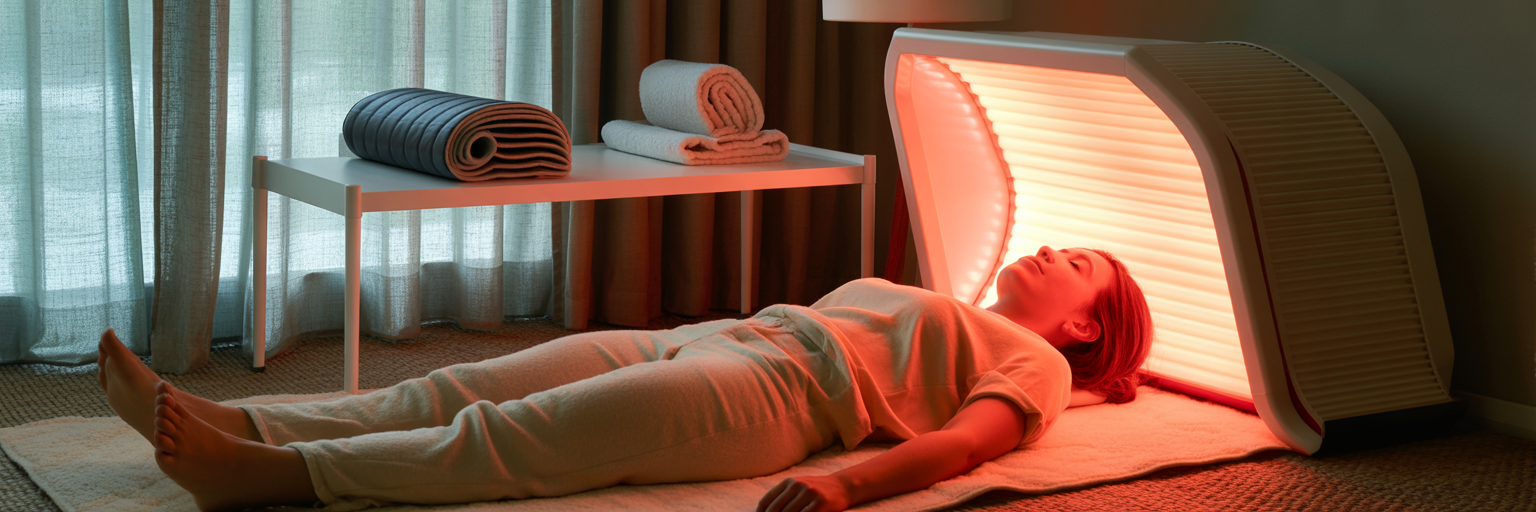
While ice blankets are an outstanding tool for managing post-workout soreness, their utility extends far beyond the gym. They are also highly effective for managing the acute inflammation and pain associated with everyday injuries like sprains or strains. When you twist an ankle or pull a muscle, the immediate application of targeted cold can significantly reduce swelling and numb the pain, accelerating the initial phase of healing. This makes an ice blanket a valuable addition to any home first-aid kit, ready to be deployed whenever acute, localized inflammation arises.
Consistently managing inflammation, whether from exercise or injury, is fundamental to long-term athletic longevity and overall well-being. Chronic, low-grade inflammation is linked to a host of health issues and can impede your body’s ability to perform and recover optimally. By using tools that help you control inflammation effectively, you are not just treating symptoms. You are investing in your body’s resilience over the long term. This is where the concept of a complete at-home recovery toolkit comes into play. Localized cold therapy is one essential component, but its effects can be amplified when combined with other modalities.
For instance, you might use an ice blanket to manage acute soreness on one day, and on another, you might use one of our infrared sauna blankets to promote deep heat penetration, increase circulation, and relax tight muscles. You could also incorporate red light therapy panels, such as those from a reputable brand like Mito Health, to support cellular energy production and enhance tissue repair at a microscopic level. Each of these technologies offers a unique mechanism of action, and together they create a synergistic system that supports your body from multiple angles. Building your personal recovery system is not about acquiring every possible device. It is about reflecting on your unique physical demands, your body’s signals, and your ultimate wellness goals. By understanding what your body needs, you can begin to assemble a personalized toolkit that truly supports you. If you are ready to explore which solutions are right for you, our guide can help you start here.