Plunge pools have moved from athlete-only equipment into regular backyards. People want to know if the hype holds up. Is a plunge pool actually good for recovery? Or is it mostly marketing dressed up as science?
The honest answer sits somewhere in between. There's real research behind cold water immersion. But a plunge pool isn't a magic fix either. This piece breaks down what the science actually supports, and where the claims run ahead of the evidence.
A lot of the confusion comes from mixing up different kinds of evidence. Some claims come from controlled studies. Others come from anecdotes shared on social media. Both get repeated with the same confidence, even though they carry very different weights.
What "Recovery" Actually Means Here
Recovery covers a lot of ground. Muscle soreness after training. Mental stress after a hard day. Sleep quality. Inflammation. Each of these responds differently to cold water. Lumping them all together is where a lot of plunge pool marketing goes wrong.
This matters because are plunge pools healthy isn't really one question. It's several smaller questions stacked together. Answering them separately gives a much clearer picture than a single yes or no ever could, and it's the approach this piece takes throughout.
The Physiology: What Cold Water Actually Does
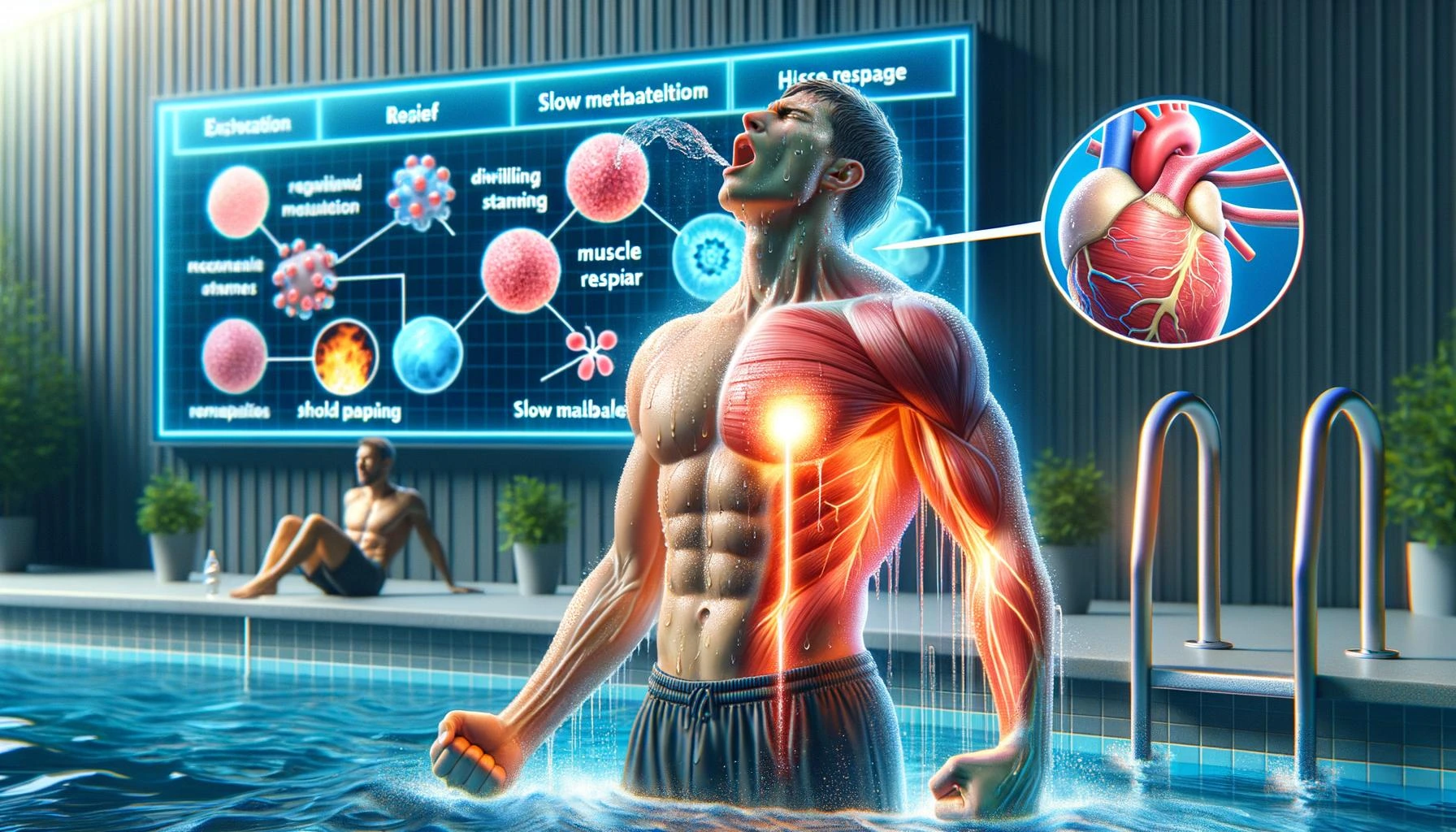
Cold water triggers vasoconstriction. Blood vessels near your skin narrow. Blood shifts toward your core organs. Your heart rate climbs briefly. Then, once you exit, blood flow rebounds back out to your limbs.
This cycle is the core mechanism behind most recovery claims. It's well documented. It's not controversial among researchers. What's less settled is exactly how much this cycle helps different types of recovery, and for whom.
Muscle Soreness: The Strongest Evidence
This is where the research is most solid. Cold water immersion reduces markers of muscle damage after intense exercise. Studies measuring creatine kinase, a marker of muscle breakdown, consistently show lower levels after cold exposure compared to no treatment at all.
People also report less perceived soreness the day after a hard workout. This effect is real, not just placebo. It's one of the few claims around cold plunges that holds up consistently across multiple studies.
Athletes across different sports report similar results. Runners recovering from long distances. Lifters recovering from heavy sessions. Team sport athletes recovering from repeated high-impact movement. The consistency across these different training styles is part of why this particular benefit is considered well established rather than anecdotal.
Reduces short-term inflammation and swelling after intense training
Lowers markers of muscle damage measurable in blood tests
Decreases next-day soreness reported by users in controlled studies
Effect is strongest within the first hour or two after training
The Muscle Growth Tradeoff
Here's where it gets complicated. The same inflammation cold water reduces is also part of how muscles grow stronger. Research published in sports science journals has found that immediate cold water immersion after strength training can blunt long-term muscle gains.
This doesn't mean cold plunges are bad for athletes. It means timing matters. Waiting several hours after strength training, or plunging on separate days, avoids this interference while still capturing the soreness-reduction benefit on recovery days.
Mental Health And Mood: Real, But Modest
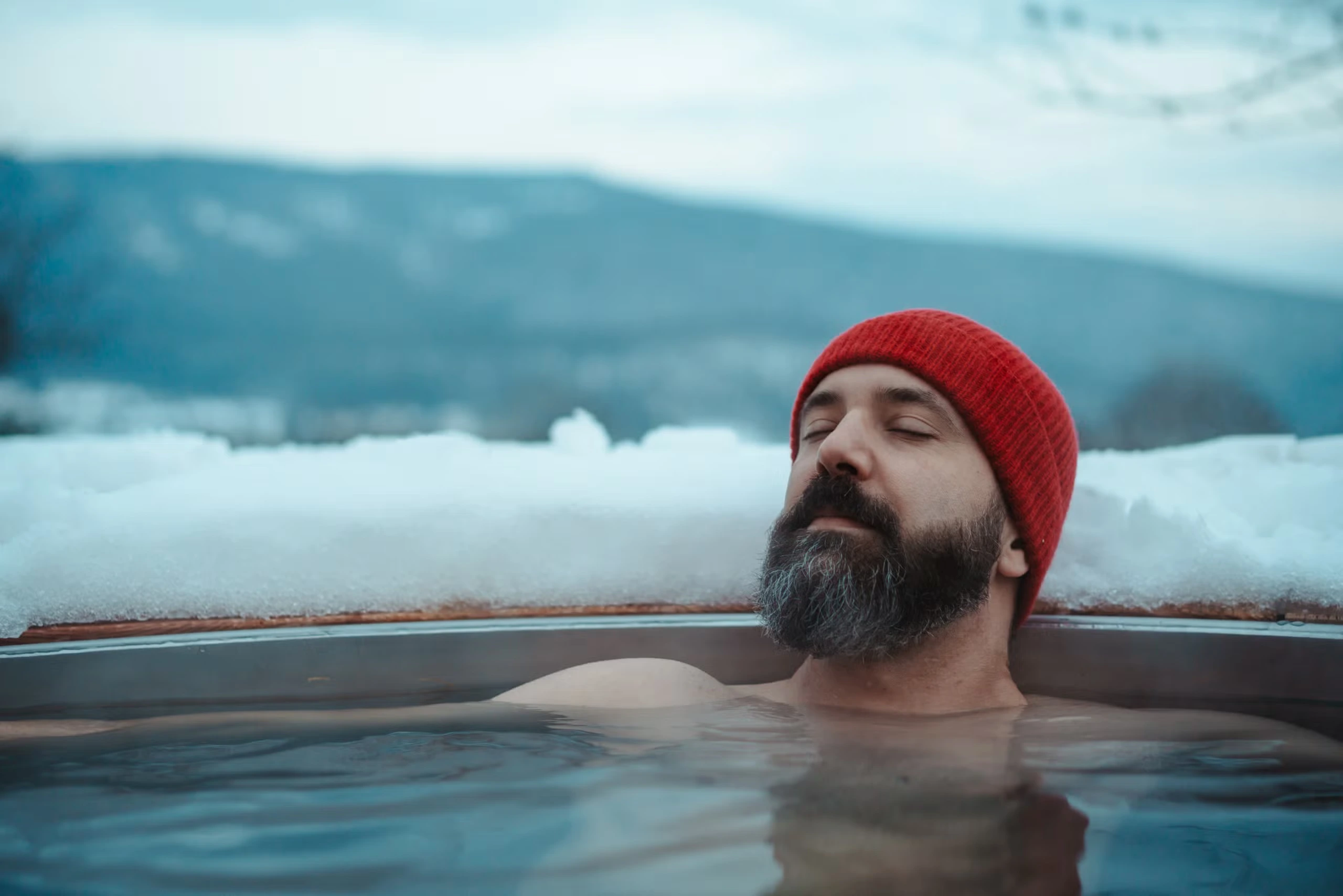
Many users report feeling sharper and more alert after a plunge. This isn't imagination. Cold water triggers a large spike in norepinephrine, a neurotransmitter tied to focus and mood. Some research shows increases of two to three hundred percent after cold exposure.
This effect is real but temporary. It typically fades within an hour or two. It's not a treatment for clinical depression or anxiety. Anyone dealing with serious mental health concerns should talk to a professional, not rely on cold water as a standalone solution.
The mood lift also seems to depend somewhat on expectation and ritual, not just the physiological response alone. People who build a consistent routine around their plunge, rather than doing it sporadically, tend to report more reliable mood benefits over time. This doesn't diminish the real chemistry involved, but it does suggest the habit itself carries part of the value, not just the cold water alone.
Sleep: Mixed Results
This is one of the more debated benefits. Some users report deeper, more restful sleep after evening plunges. Others find cold water too stimulating close to bedtime, leaving them wired instead of relaxed.
The likely explanation is timing sensitivity. A plunge done several hours before bed, followed by a proper wind-down routine, tends to support sleep better than one done right before lights out. Individual response varies more here than with muscle soreness, where the effect is more consistent across users.
Comparing The Evidence Strength
Not every claimed benefit has the same level of research behind it. Here's how the major claims stack up against current evidence.
Claimed Benefit | Evidence Strength | Notes |
Reduced muscle soreness | Strong | Consistent across multiple studies |
Reduced inflammation markers | Strong | Well documented in blood tests |
Mood and alertness boost | Moderate | Real but short-lived effect |
Better sleep | Mixed | Depends heavily on timing |
Fat loss | Weak | Minimal effect, easily overstated |
Immune system boost | Emerging | Promising but needs more research |
This table isn't meant to discourage anyone from plunging. It's meant to set realistic expectations before you invest in a system.
The Fat Loss Myth
This claim gets repeated constantly online. Cold exposure does burn slightly more calories, since your body works to maintain core temperature. But this effect is small. It's nowhere close to a real fat loss strategy on its own.
Diet and regular movement drive fat loss far more than cold water ever will. Think of a plunge as a minor supporting factor, not a replacement for the basics. Anyone buying a plunge pool specifically for weight loss is likely to be disappointed.
This particular myth persists partly because the underlying mechanism sounds plausible. Your body does burn extra calories staying warm in cold water, so the claim isn't entirely fabricated. The problem is scale. The extra calorie burn from a short plunge session is small compared to what a modest amount of daily movement or a minor dietary adjustment accomplishes, yet the plunge gets marketed as the bigger lever when it's actually the smaller one.
Heart Health: The Real Risk To Understand
This part deserves genuine respect. Cold water forces your heart to work harder in a short burst. For most healthy adults, this is safe. For people with existing heart conditions, this same burst carries real risk.
Anyone with heart issues should talk to a doctor before starting cold water immersion. This isn't a scare tactic. It's simply how physiology works. Respecting this fact keeps the practice safe for the people who benefit most from caution.
Even people without diagnosed heart conditions should ease into cold exposure gradually rather than starting at the coldest, longest session they can tolerate. The heart's response to cold water is a real physical stress, and building tolerance slowly over several weeks gives the cardiovascular system time to adapt, the same way it would to any new form of physical stress introduced gradually.
Immune Function: Promising But Early
Some emerging research suggests regular cold exposure may support immune function over time. A few studies have found lower rates of reported illness among people who practice regular cold water immersion compared to those who don't. This area is newer than the muscle soreness research and needs more study before it can be called settled science.
It's worth treating this claim with appropriate caution. Correlation isn't causation, and people who commit to a cold plunge routine may also have other healthy habits driving the immune benefit. Still, the early signal is encouraging enough that researchers continue to investigate it seriously, rather than dismissing it outright.
Are Cold Plunge Tubs As Effective As A Larger Pool?
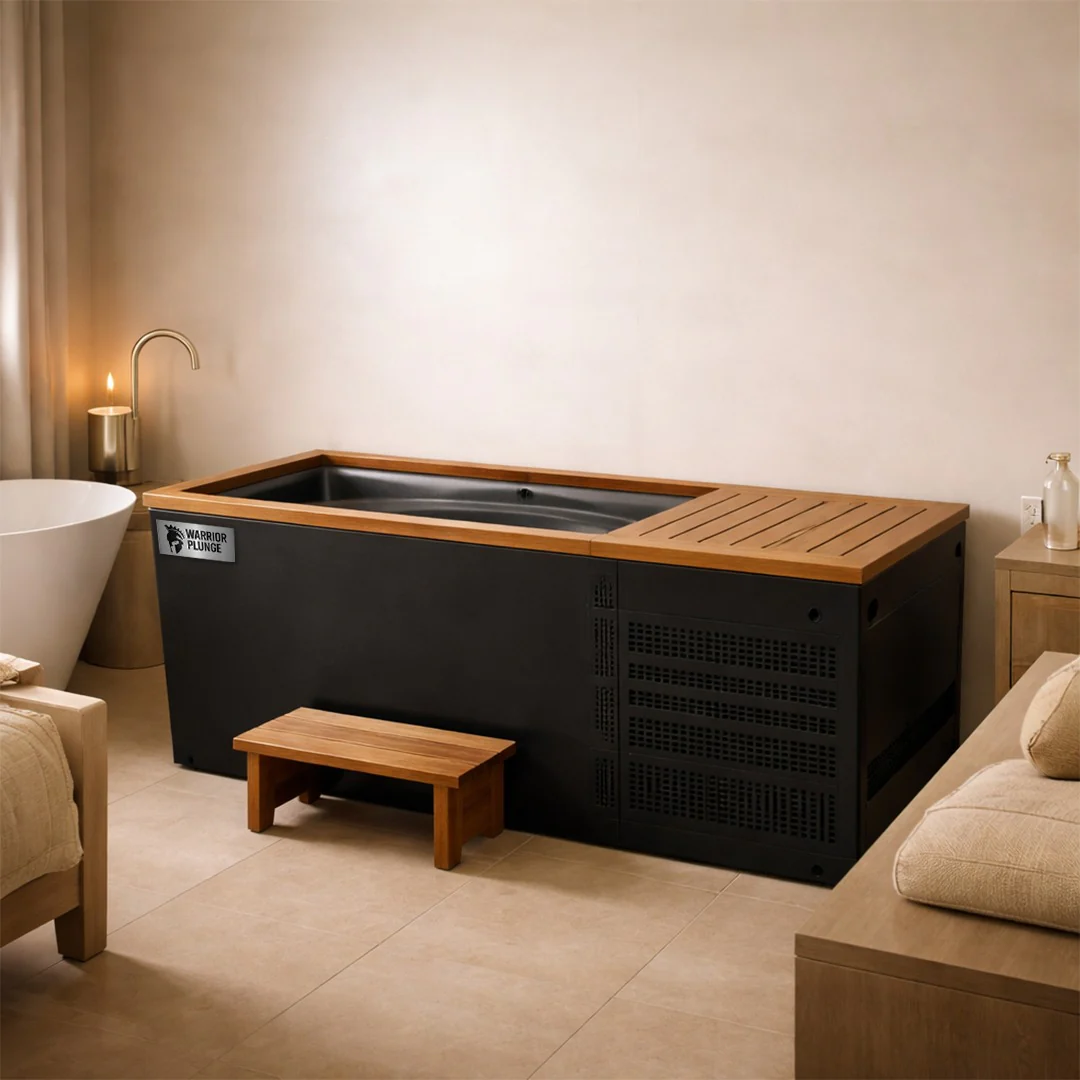
A common question follows naturally from the health discussion. Do cold plunge tubs deliver the same recovery benefit as a larger plunge pool? Physiologically, yes. The body's response to cold water depends on temperature and duration. Not on how much space surrounds you.
A plunge pool adds room to move and potential heating flexibility. It doesn't add extra health benefit beyond what a smaller tub already delivers. This matters for anyone weighing a bigger investment purely for health reasons rather than lifestyle ones.
Who Should Be Cautious
Not everyone should jump into cold water without a second thought. Certain groups face real added risk:
People with uncontrolled heart conditions should consult a doctor first
Pregnant individuals should avoid very cold water exposure
People with poor circulation face added risk from sharp cold shock
Anyone with open wounds or active skin conditions should wait until healed
People with Raynaud's syndrome may find cold water particularly uncomfortable or risky
None of these conditions mean cold water is completely off-limits forever. They simply mean extra caution and medical guidance matter more for these groups than for a generally healthy adult.
Building A Realistic Recovery Routine
Getting real value from cold water doesn't require extreme temperatures or long sessions. Two to five minutes at fifty to fifty-nine degrees delivers most of the physiological benefit research actually supports. Going colder or longer adds risk without adding proportional benefit.
Consistency matters more than intensity. Three to four sessions a week, done reliably, outperforms occasional extreme sessions done inconsistently. This mirrors how most recovery practices work. Not just cold water immersion specifically.
This is a pattern that shows up across nearly every health habit worth building. Sporadic, extreme effort rarely beats steady, moderate effort sustained over months. Cold water immersion is no exception, even though the dramatic nature of a hard plunge session can make it feel like intensity should matter more than it actually does.
What The Research Doesn't Support
It's worth being honest about the limits too. Cold water doesn't cure chronic pain. It doesn't fix a torn muscle or a serious joint injury. It doesn't replace medical treatment for any diagnosed condition. Treating it as a cure-all sets people up for disappointment. In some cases, it delays real care they actually need.
A plunge pool works best as a support tool within a broader health routine. Sleep, nutrition, movement, and stress management all matter more than any single recovery practice on its own. Cold water can complement these. It shouldn't replace them.
Common Mistakes That Undermine The Benefits
Going colder than necessary, assuming extreme temperature means extreme benefit
Staying in far longer than the two-to-five-minute window that captures most benefit
Plunging immediately after strength training when muscle growth is the actual goal
Skipping medical consultation despite an existing heart condition
Expecting cold water to replace sleep, diet, and exercise rather than support them
How Cold Water Compares To Other Recovery Tools
Cold water isn't the only recovery tool people reach for. Heat therapy, like a sauna session, works through a different mechanism entirely. Heat expands blood vessels rather than constricting them. Some people alternate between the two, using contrast therapy to get benefits from both directions.
Neither tool is strictly better across the board. Heat tends to support relaxation and circulation in a different way than cold does. Cold tends to win out specifically for acute soreness and short-term alertness. Combining both, rather than picking one exclusively, gives some users a broader range of benefit than either alone.
Reading Research Claims Critically
Not every study gets equal weight. Small studies with a handful of participants shouldn't carry the same confidence as larger, well-controlled trials. A lot of viral health claims trace back to a single small study, stretched far beyond what the original researchers actually concluded.
When evaluating any cold plunge claim, it helps to ask a few simple questions. How many people were in the study? Was there a control group? Has the finding been replicated elsewhere? Claims that hold up under these questions deserve more trust than ones that don't.
The Bottom Line
Plunge pools deliver real, research-backed benefits. Particularly for muscle soreness and short-term mood boosts. Other claimed benefits, like fat loss or guaranteed sleep improvement, are weaker or more individual than marketing often suggests. Used with realistic expectations and reasonable caution, cold water immersion is a genuinely useful recovery tool. If you're deciding between a full plunge pool and a smaller cold plunge tub, the health benefit is essentially the same either way. The choice comes down to space, budget, and lifestyle rather than effectiveness.
Frequently Asked Questions
Is there real scientific evidence behind cold plunge recovery claims?
Yes, particularly for muscle soreness and inflammation reduction. Other claims, like fat loss, have much weaker support.
Can a plunge pool replace medical treatment for an injury?
No. It can support recovery from general soreness but doesn't treat serious injuries or chronic conditions.
Does timing matter for getting the most health benefit?
Yes. Plunging soon after strength training can reduce muscle growth adaptations, so timing relative to workouts matters.
Is a smaller cold plunge tub as effective as a full plunge pool for health benefits?
Yes. The physiological response depends on water temperature and duration, not the size of the pool.
Who should avoid cold plunge use entirely?
People with uncontrolled heart conditions should consult a doctor first. Most other people can use cold water safely with reasonable precautions.