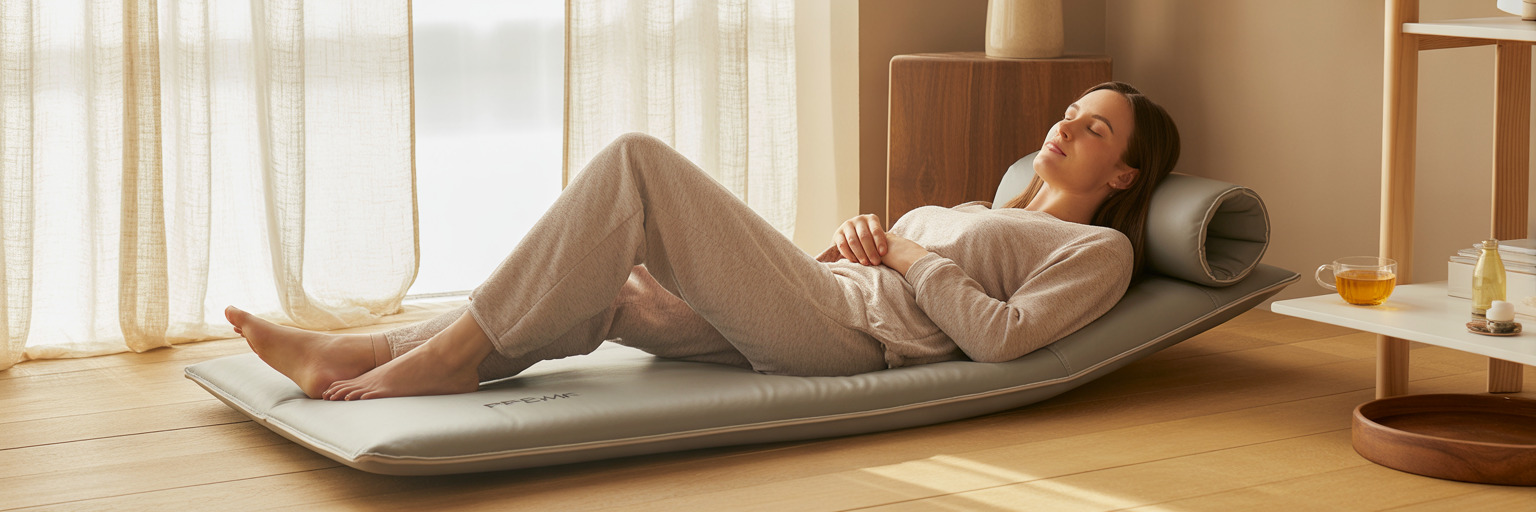
The Foundation of Consistent Recovery
The true value of any recovery practice, whether it is a simple stretching routine or an advanced technological therapy, is realized through consistency. You might have experienced the initial burst of motivation after a session at a wellness center, feeling rejuvenated and committed to returning. Yet, life intervenes. The friction of scheduling appointments, commuting through traffic, and fitting it all into an already packed week often becomes an insurmountable barrier. Soon, the practice that promised relief becomes another source of stress, and the benefits fade.
This is why creating a dedicated space for at-home recovery solutions is not an act of luxury, but a strategic move to dismantle those barriers. The goal is to remove logistical hurdles and build a sustainable habit. When your tools are readily available, the decision to invest in your well-being becomes effortless. A 20-minute session is no longer a major production but a simple, accessible part of your daily rhythm. This regular engagement is what allows for meaningful physiological changes, such as a measurable reduction in systemic inflammation and improved cardiovascular health markers over time.
Think of this dedicated area as more than just a collection of equipment. It is a psychological trigger, a physical space that signals a crucial shift in your nervous system. The moment you step into your recovery corner, your brain and body begin to transition from the high-alert, sympathetic state of "fight-or-flight" that dominates modern life. You are consciously initiating a move toward the parasympathetic "rest-and-digest" state. This is the environment where true restoration happens, where cellular repair is initiated, and where your body adapts and grows stronger from the stressors it has endured.
Designing Your Functional Recovery Zones
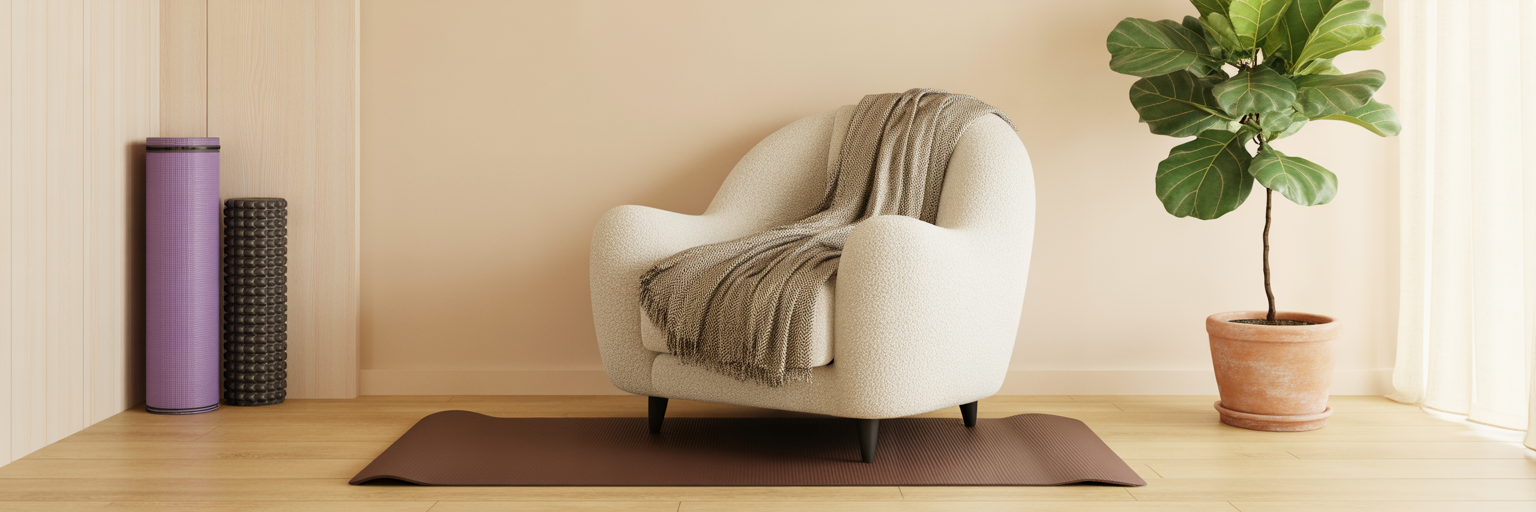
An effective recovery space is born from intention. Simply placing a mat in a corner is a start, but a thoughtfully designed area can transform a routine into a powerful ritual. To understand how to set up recovery space that truly works, consider organizing it into three distinct functional zones: movement, recovery, and downshift. This separation is not about building physical walls, but about creating a mental and physical blueprint that primes your body for each stage of the process, enhancing the overall effectiveness of your session.
The first is the Movement Zone. This is your preparatory area, the space where you actively transition from your day into a state of recovery. It is here that you might perform light, active movements to address any immediate physical feedback from your body. Using a foam roller to work through muscle tightness or performing dynamic stretches with a resistance band can improve blood flow and prepare your tissues for deeper work. This active phase is a bridge, consciously signaling to your body that a period of restoration is about to begin.
Next is the Recovery Zone, the core of your setup. This is where your primary passive recovery tools are located. Whether it is a PEMF mat, an infrared sauna blanket, or a cold plunge tub, this zone is dedicated to the main therapeutic modality of your session. Having everything you need within arm's reach minimizes disruption and allows you to settle in completely, focusing solely on the treatment. This is where the targeted physiological benefits, from cellular recharge to circulatory support, are delivered.
Finally, and perhaps most importantly, is the Downshift Zone. This is a quiet, calm area for integration. After the active work of the recovery zone, this space allows your nervous system to fully settle and absorb the benefits. It could be a comfortable chair for a few minutes of stillness, a cushion for mindful breathing, or simply a quiet corner for meditation. Rushing from your recovery session back into a stimulating environment can short-circuit the benefits. The downshift zone ensures you prolong the restorative parasympathetic state, allowing for a more complete and lasting effect. By exploring the different categories of recovery systems, you can find the right tools to equip each of these zones for your specific needs.
Essential Tools for Any Budget
A common misconception is that an effective recovery space requires a significant financial investment and a large amount of room. The reality is that a powerful and consistent practice can be built on a foundation of simple, affordable tools within a small footprint, such as a 6x6 foot corner of a room. The key is not the price tag of the equipment but the consistency with which it is used. Before considering more advanced technologies, establishing a routine with foundational passive recovery tools can yield significant results.
For your movement zone, a few key items can make a world of difference. A high-density foam roller is indispensable for myofascial release, helping to break up the small adhesions and knots in your connective tissue that contribute to stiffness and restricted movement. Paired with a set of resistance bands, you can perform a wide range of gentle, dynamic stretches that activate muscles and promote healthy circulation without placing stress on your joints. Finally, a quality exercise mat provides a clean, comfortable, and dedicated surface for any floor-based work, creating a clear boundary for your practice.
These simple items are not a compromise; they are a critical preparatory step. Consistent, targeted work with these basics does more than just alleviate immediate tension. It improves your body awareness, helping you identify areas of chronic tightness. It also prepares your tissues to be more receptive to deeper rest or more advanced therapies. By increasing blood flow and releasing superficial restrictions, you are priming your body to get the maximum benefit from whatever follows, whether that is a period of deep relaxation or a session with a more sophisticated system. For those looking to deepen their understanding of these foundational principles, our blog offers further insights into building a sustainable and effective recovery practice from the ground up.
Integrating Advanced Temperature Therapy
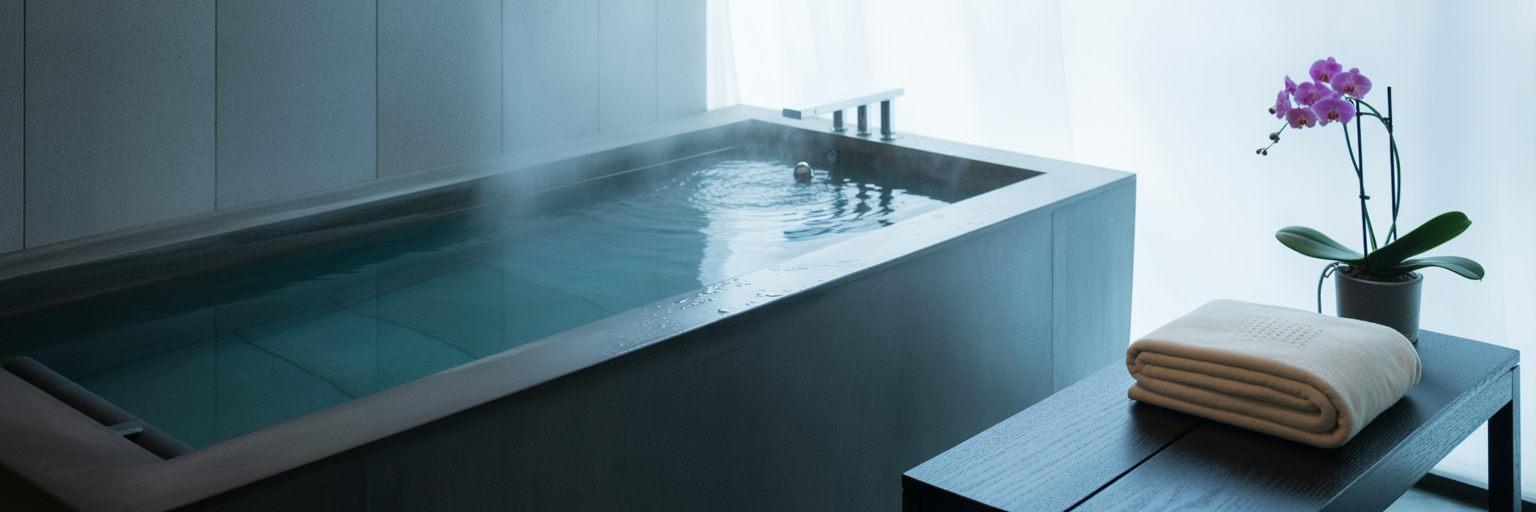
Once you have established a consistent routine with foundational tools, you can begin to integrate more advanced technologies to amplify your results. Temperature therapy, using targeted applications of cold and heat, is a powerful method for manipulating your circulatory system to manage inflammation and accelerate repair. These modalities offer a direct way to influence physiological processes that are central to recovery.
Cold therapy, particularly with a cold plunge at home, has become a cornerstone of modern recovery protocols. Submersing your body in cold water triggers rapid vasoconstriction, the narrowing of your blood vessels. This process helps to flush metabolic waste products, like lactic acid, from your muscles and significantly reduces inflammation and swelling. It is particularly effective after intense physical activity for mitigating delayed onset muscle soreness. Options range from simple, accessible solutions like those offered by Ice Blankets to more advanced, temperature-controlled systems like the Plunge Chill, making it easier than ever to incorporate into a home setup. You can explore a variety of at-home cold plunge tubs to find one that fits your space and budget.
On the other end of the spectrum is heat therapy. The infrared sauna blanket benefits extend beyond simple relaxation. Unlike traditional saunas that heat the air around you, infrared technology uses specific wavelengths of light to penetrate tissues directly, raising your core body temperature and inducing profound vasodilation—the widening of blood vessels. This increased blood flow delivers a rush of oxygen and nutrients to your muscles and joints, aiding tissue repair and easing stiffness. The convenience of infrared sauna blankets allows you to experience these effects without the need for a dedicated room.
The true power of temperature therapy can be found in contrast therapy, which involves alternating between hot and cold. This creates a powerful "pump" effect on your circulatory system, forcing your blood vessels to rapidly constrict and dilate. This action dramatically enhances circulation, efficiently flushing waste and delivering nutrients to accelerate the entire recovery process.
| Therapy Type | Primary Physiological Effect | Best For | Example Application |
|---|---|---|---|
| Cold Therapy (Cold Plunge) | Vasoconstriction (blood vessel narrowing) | Reducing acute inflammation, muscle soreness, and swelling post-workout. | A 3-5 minute plunge after intense exercise to minimize delayed onset muscle soreness. |
| Heat Therapy (Infrared Sauna) | Vasodilation (blood vessel widening) | Improving circulation, relaxing stiff muscles, and promoting general relaxation. | A 20-30 minute session on a rest day to ease chronic tension and support tissue health. |
| Contrast Therapy | Alternating vasoconstriction and vasodilation | Maximizing circulatory 'pumping' action, flushing metabolic waste, and accelerating overall recovery. | Alternating 3 minutes of heat with 1 minute of cold for several cycles. |
Harnessing Light and Energy Modalities
Beyond the systemic circulatory effects of temperature therapy lies another tier of passive recovery technologies that work at a more fundamental, cellular level. These modalities are designed to optimize deep tissue repair and enhance cellular function, providing a complementary approach to a comprehensive recovery protocol. While temperature therapies are excellent for managing fluid dynamics and inflammation, light and energy modalities target the very engines of your cells.
Pulsed Electromagnetic Field (PEMF) therapy is one such technology. A PEMF mat uses low-frequency, pulsed electromagnetic fields that are similar to the beneficial frequencies found in nature. These fields penetrate the body to stimulate and "recharge" your cells. In simple terms, this process can improve the function of cell membranes, enhancing their ability to take in nutrients and expel waste. This cellular optimization supports the body's natural recovery processes and can improve circulation at a micro-level, all without generating any heat or sensation. This is why, as explored in our article on the topic, PEMF often feels invisible yet delivers profound effects on cellular health.
Red Light Therapy (RLT) operates on a similar principle of cellular optimization but through a different mechanism. This therapy uses specific wavelengths of red and near-infrared light that penetrate the skin and underlying tissues. When this light is absorbed by your cells, it stimulates the mitochondria, often called the "powerhouses" of the cell. This stimulation boosts the production of adenosine triphosphate (ATP), which is the primary energy currency of your body. With more available energy, cells can perform their repair and regeneration functions more efficiently, leading to accelerated tissue healing and a reduction in inflammation. Companies like Mito Health specialize in this technology, and you can see a range of system types in our collection of red light therapy panels. These tools offer a non-invasive way to support your body's deepest healing mechanisms.
Creating a Restorative Atmosphere

The effectiveness of your recovery zone is not solely determined by the technology within it. The surrounding environment plays a crucial role in signaling to your brain and nervous system that it is time to relax and repair. The sensory experience of the space is just as important as the tools you use, as it can either support or sabotage your efforts to shift into a restorative state. A cluttered, brightly lit, and noisy environment will keep your nervous system on high alert, even if you are lying on the most advanced recovery mat.
Creating a calming atmosphere can be achieved through simple, intentional adjustments to your environment. Consider these elements:
- Lighting: The bright, blue-toned light common in most homes and on screens is highly stimulating and can disrupt your body's natural circadian rhythms. Switch to warm-toned, dimmable lighting in your recovery corner. Salt lamps, smart bulbs set to a warm color, or even candlelight can create a soft, soothing ambiance that encourages relaxation and prepares your body for rest.
- Sound: Unpredictable household noises can be a major source of distraction and stress. Mask these sounds with a consistent, calming soundscape. This could be an app playing nature sounds like rain or ocean waves, a white noise machine, or even instrumental ambient music. The goal is to create a predictable and peaceful auditory environment that allows your mind to settle.
- Natural Elements: Incorporating a few natural elements can have a surprisingly powerful calming effect. Adding a few low-maintenance plants not only improves air quality but also provides a visual connection to nature, which has been shown to reduce stress. The simple presence of greenery can help make your downshift zone feel more tranquil and grounded.
Above all, the most critical element is maintaining a clutter-free space. Visual clutter translates to mental clutter, making it difficult to achieve the mental clarity needed for deep rest. Your recovery corner should be a sanctuary, free from the distractions of work, chores, and daily life. A clean, organized space allows your mind to disengage and maximizes the restorative potential of every session.
Scheduling for Optimal Results
You can have the most perfectly designed recovery zone with the most advanced tools, but its success ultimately hinges on one thing: establishing a consistent ritual. The true benefits of these practices are cumulative, built over days and weeks of regular use. The key is to integrate your recovery sessions into your life in a way that feels sustainable and effortless, rather than like another task on your to-do list.
One of the most effective strategies for building this consistency is "habit stacking." This involves linking your new recovery habit to an existing one that is already firmly established in your daily routine. For example, you could commit to a 20-minute session immediately after your morning coffee, right after you finish your workout, or just before you settle down to read in the evening. By tethering the new behavior to an automatic one, you remove the need for willpower and decision-making.
A complete session can be structured around the functional zones you have created. A simple and effective routine might look like this: 5 minutes of foam rolling in your movement zone to prepare your body, followed by 15 minutes on a sauna blanket or PEMF mat in your recovery zone, and concluding with 5 minutes of quiet, mindful breathing in your downshift zone. This 25-minute investment can completely reset your physical and mental state for the day.
Ultimately, building your at-home recovery zone is about more than just acquiring equipment. It is about making a conscious decision to prioritize your well-being and creating a system that makes it easy to follow through on that commitment. Start small, choose the tools that address your specific needs, and focus on creating a practice that you can stick with. This consistent, long-term investment in your health is one of the most powerful things you can do for your overall well-being.