Most recovery tools give you something to react to.
Cold plunge shocks the system. Sauna heat builds slowly and stays with you. Even red light therapy has a visual presence that makes it feel like something is happening.
PEMF doesn’t do that.
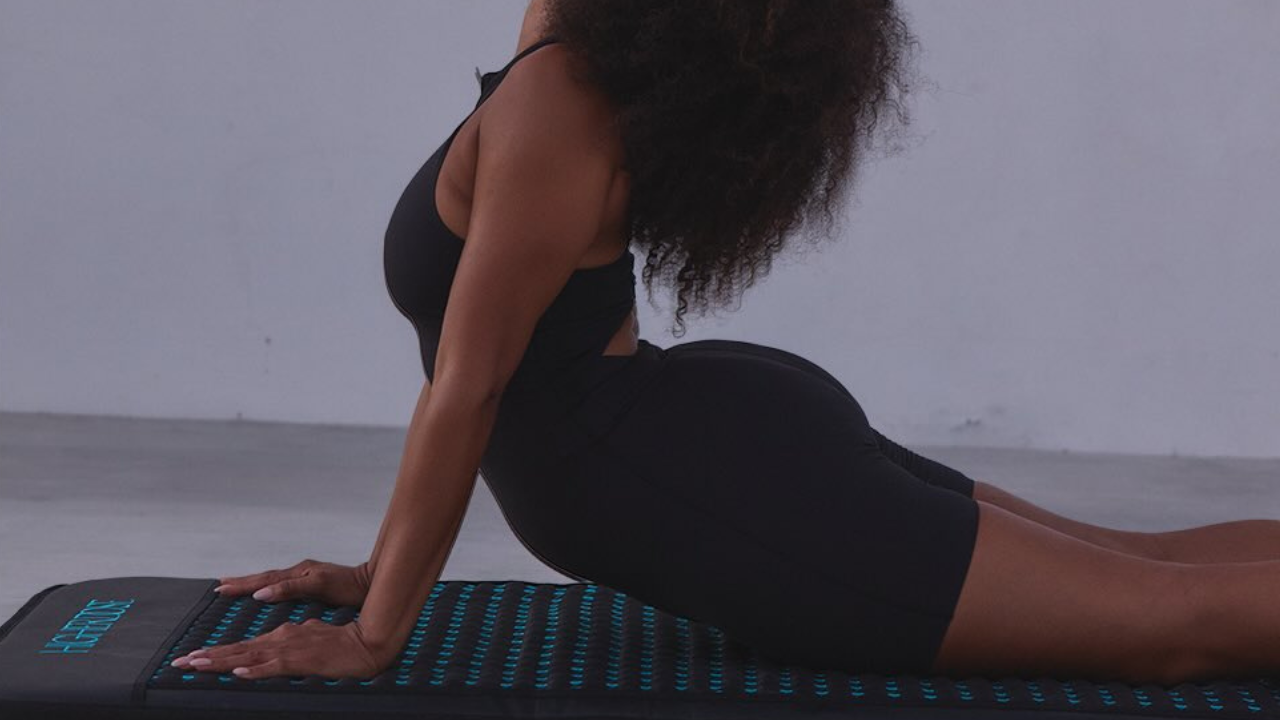
You lie on a mat, or sit on it, and nothing obvious happens. No strong sensation, no visible change in the moment. It’s quiet enough that it’s easy to question whether anything is happening at all.
That’s the part that throws people off. PEMF doesn’t create an experience. It works underneath one.
What it is actually doing while you are resting
Your body runs on electrical signals more than most people think about.
Every process—muscle contraction, nerve communication, circulation, repair—depends on small electrical charges moving through cells in a consistent way. When that system is working well, recovery feels smooth. When it’s not, things slow down. You feel it as stiffness, fatigue, slower healing, or just a general sense that your body isn’t bouncing back the way it should.
PEMF works by introducing low-frequency pulsed electromagnetic fields that interact with that system. Not aggressively, and not in a way that creates a noticeable physical reaction, but in a way that supports how those signals move and reset.
A simple way to think about it is that it helps cells function more efficiently, especially when they’ve been under stress.
Why that matters for recovery
Most people think of recovery as something you do after effort. Ice baths, stretching, heat, rest.
But recovery isn’t just about what you do. It’s about how well your body is able to repair itself once you stop.
That process depends heavily on circulation, oxygen delivery, and how efficiently cells can use energy. When those things are working well, recovery feels faster and more consistent. When they’re not, everything feels like it takes longer.
This is where PEMF fits in.
It doesn’t replace other recovery tools. It supports the underlying conditions that make recovery possible in the first place. Over time, that shows up as less lingering soreness, less stiffness, and a body that feels more responsive instead of stuck.
Why it doesn’t feel like anything
One of the reasons PEMF is easy to dismiss early on is that it doesn’t create a strong sensory experience.
There’s no heat building, no cold shock, no immediate shift in how your body feels. In many cases, the session feels like resting, because that’s exactly what you’re doing.
That doesn’t mean nothing is happening. It means the effect isn’t tied to sensation.
The changes tend to show up later. Not as a single noticeable moment, but as patterns. Less tightness when you wake up. Faster recovery after a workout. A more consistent baseline instead of peaks and dips.
It’s subtle, but it builds.
Why it is one of the easiest systems to keep using
Because PEMF doesn’t demand anything from you, it tends to be one of the easiest recovery tools to maintain over time.
You don’t have to prepare for it. You don’t have to push through discomfort. You don’t have to set aside a specific block of time where you can’t do anything else.
You use it while lying down, reading, working, or winding down at the end of the day. It fits into time that already exists instead of asking you to create new time for it.
That’s what makes it passive in a practical sense, not just a technical one.
Where it fits compared to other recovery tools
If you look at recovery systems as a spectrum, PEMF sits at the far end of passive use.
Cold plunge is the opposite. It demands effort and creates a strong, immediate response. Sauna blankets create heat that you feel building during the session. Red light therapy sits somewhere in the middle, passive but still structured around short, defined sessions.
PEMF removes even more interaction than that. It doesn’t interrupt your day. It runs alongside it.
That difference is why it often gets added later, once people realize that not every part of recovery needs to feel intense to be effective.
Why setup matters more than people expect
Like most home systems, whether PEMF gets used comes down to how easy it is to access.
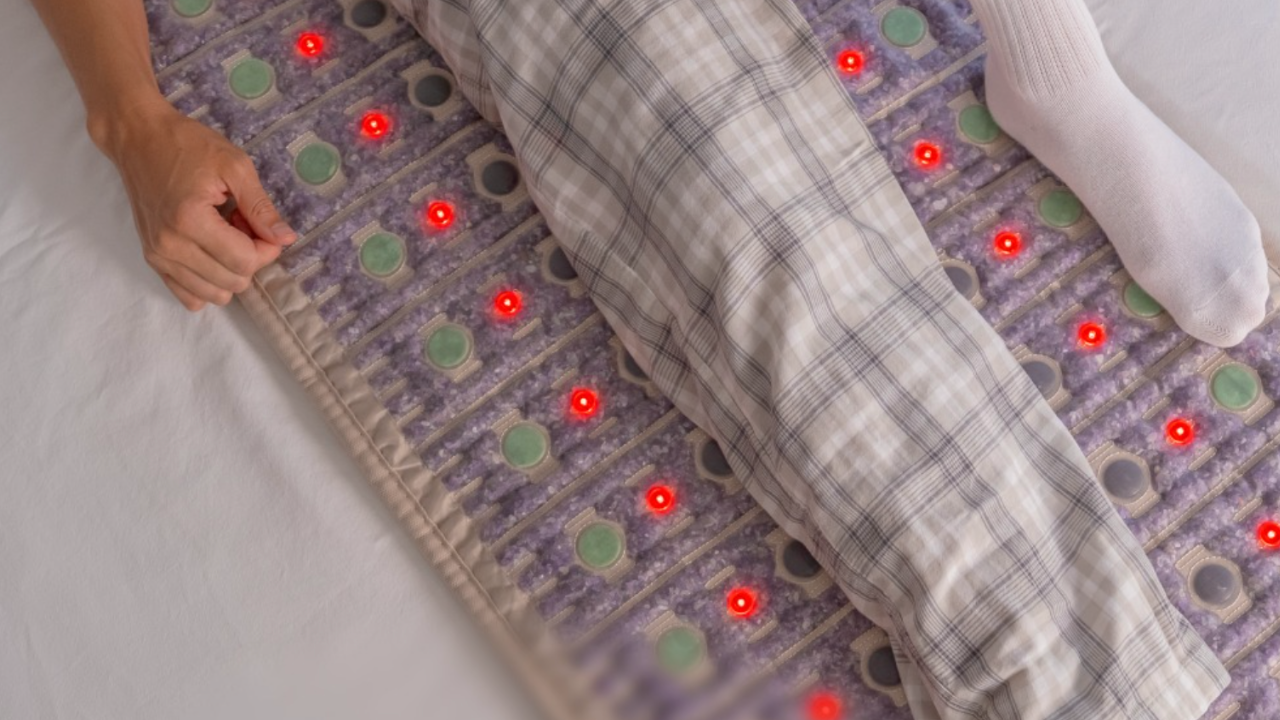
If the mat is already in place—on a bed, a couch, or a dedicated area—it tends to get used without much thought. If it has to be taken out, set up, and put away each time, it quickly becomes something you skip.
This is where larger, structured mats from brands like HealthyLine tend to stand out. They’re designed to stay in place and become part of the environment, which makes repeated use much more likely.
Over time, that consistency matters more than the session itself.
What people actually notice over time
PEMF doesn’t give you a dramatic before-and-after moment.
What it does is change how your body feels across days and weeks. Recovery becomes more consistent. Tension doesn’t build as quickly. You feel less stuck after physical effort or long periods of sitting.
It’s not a spike. It’s a leveling effect.
That’s why it tends to make more sense when you stop looking for a moment and start paying attention to patterns.
PEMF is easy to overlook because it doesn’t try to prove itself during the session.
It doesn’t create intensity. It doesn’t give you a reaction to respond to. It simply supports the processes your body is already running, quietly and consistently.
For people building a home recovery setup, that ends up being its role. Not as the main event, but as something that fills the gaps between more visible tools.
Once it’s in place, it tends to stay there. And over time, that quiet consistency is usually what makes the difference.