The invigorating shock of a cold plunge has become a celebrated ritual for enhancing recovery and mental focus. Yet, the foundation of this powerful practice rests not on the temperature of the water, but on its cleanliness. The therapeutic promise of cold water immersion is only as strong as the hygiene of the environment you create. When maintenance is overlooked, your investment in wellness can quickly become a source of new health problems, turning a tool for recovery into a liability. A dirty cold plunge tub does more than just diminish the experience; it actively undermines the very health benefits you seek.
Many people assume that frigid water is inherently self-sanitizing, a belief that unfortunately does not hold up to scrutiny. While the cold can slow the growth of some microorganisms, many others are surprisingly resilient and can thrive in unmaintained tubs. These environments provide a perfect breeding ground for bacteria, fungi, and other pathogens introduced from our bodies and the surrounding air. Understanding this reality is the first step toward responsible ownership. Proper maintenance is not an optional chore but a non-negotiable component of a safe and effective recovery protocol. Ensuring your cold plunge is consistently clean is fundamental to protecting your health and maximizing the return on your wellness investment.
The Risks of an Unmaintained Dirty Cold Plunge Tub
The crisp, clear water of a well-maintained cold plunge is a powerful tool for reducing inflammation and sharpening the mind. However, when that water becomes compromised, it transforms into a hidden reservoir of health risks. The core issue is that a cold plunge tub is a closed system. Unlike a natural body of water with a constant flow, a tub collects and concentrates everything that enters it. This includes sweat, dead skin cells, body oils, lotions, and airborne debris. For microorganisms, this organic matter is a nutrient-rich buffet that fuels their rapid multiplication.
This accumulation of contaminants creates an environment where the therapeutic benefits of cold therapy are not just neutralized but reversed. Instead of soothing your system, you expose your skin and body to a high concentration of potentially harmful microbes. The common misconception that cold temperatures kill all germs is a dangerous one. Many bacteria and fungi are perfectly capable of surviving and colonizing cold water, especially when they have a steady food source. The result is a tub that, far from being a sanctuary for health, becomes a direct threat to it. Responsible ownership means recognizing that the work of recovery begins with ensuring the water you enter is pristine. Without that commitment, you are simply trading one set of physical stressors for another.
Pathogens Thriving in Cold Water
Moving from general risk to specific threats reveals why diligent maintenance is so critical. The water in an unmaintained tub can host a variety of pathogens, some of which are well-documented by health organizations as causes of recreational water illnesses. One of the most common culprits is Pseudomonas aeruginosa, a bacterium that flourishes in water and can cause a persistent and irritating skin rash often called folliculitis, as well as painful ear infections. Another frequent contaminant is E. coli, which is typically introduced from human sources and can lead to gastrointestinal distress if ingested.
These microbes do not just float freely in the water. They create what is known as a biofilm, a slimy, protective layer that adheres to the tub’s surfaces, filters, and internal plumbing. This biofilm acts as a shield, making the bacteria inside highly resistant to sanitizers and simple wiping. It becomes a persistent colony that continuously releases new contaminants back into the water, no matter how often you top it off. The organic materials you introduce with every plunge, from natural body oils to sunscreen residue, provide the necessary fuel for this biofilm to grow and strengthen. These cold plunge bacteria risks directly oppose the goals of cold therapy. Instead of reducing inflammation, you are exposing your skin to irritants that can trigger it. While a cold plunge requires diligent water care, it is important to remember that other modalities like infrared therapy present different considerations for hygiene and use, each with its own set of best practices.
Warning Signs Your Tub Needs Cleaning
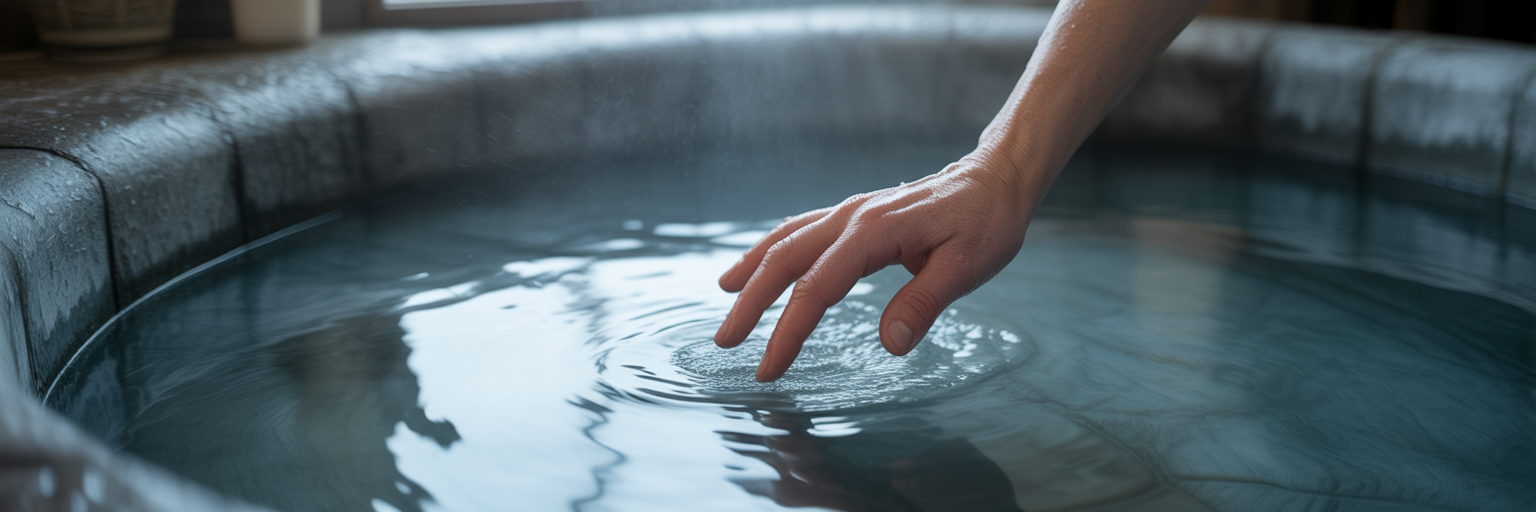
You do not need a microscope to determine if your cold plunge tub is harboring contaminants. Your own senses are your first and most reliable line of defense. Recognizing the warning signs of a compromised tub allows you to act quickly, before a minor issue becomes a significant health risk. Paying attention to these sensory cues is a fundamental part of responsible ownership.
Sight: The most obvious sign is the water’s appearance. Healthy cold plunge water should be crystal clear. If you notice the water is cloudy, murky, or hazy, it is a clear indication of suspended particles, which could include bacteria, algae, or organic debris. Any discoloration, such as a green, yellow, or brown tint, suggests algae or mineral buildup and requires immediate attention.
Touch: One of the most definitive signs of contamination is a slimy or slippery feeling on the tub’s walls or floor. This texture is the biofilm, a mature colony of bacteria that has established itself on the surfaces. If you can feel this slime, your tub is well past due for a deep cleaning. The presence of biofilm means your sanitizer is being overwhelmed and the water is not safe.
Smell: Your nose can also detect problems. A clean tub should have a neutral or very faint scent of sanitizer. If you notice a musty, swampy, or "pond water" odor, it is a direct signal of microbial growth. Paradoxically, a strong chemical smell is also a red flag. This often indicates that the sanitizer has combined with contaminants to form chloramines, which are irritating and less effective, rather than signaling that the water is clean. A dirty cold plunge tub often announces itself through these distinct smells long before visible signs appear.
A Guide to Deep Cleaning Your Plunge Tub
Reactive spot-cleaning is not enough to ensure a truly hygienic plunge. A periodic deep clean, where you drain, scrub, and reset the entire system, is essential for removing biofilm and hidden contaminants. This process is a cornerstone of proper cold plunge water maintenance and should be a scheduled part of your routine. Following a systematic approach ensures no step is missed and your tub is returned to a pristine state.
Drain and Rinse: Begin by completely emptying the tub. Once empty, use a hose to give the interior a thorough rinse. This initial step will wash away any loose debris and make the scrubbing process more effective. If your system has internal plumbing, this is the time to use a line-flushing product according to its instructions to clean out biofilm from areas you cannot see.
Scrub All Surfaces: With the tub empty, it is time to scrub. Use a soft cloth or a non-abrasive brush to avoid scratching the acrylic or vinyl liner. A simple solution of diluted white vinegar is excellent for breaking down mineral scale and early-stage biofilm. For more stubborn grime, a manufacturer-approved tub cleaner is your best option. Pay special attention to the water line, corners, and any jets or fittings where buildup is common.
Clean or Replace the Filter: The filter is the heart of your tub’s cleaning system, and it requires dedicated attention. Remove the filter cartridge and rinse it thoroughly with a strong stream of water. Many filters can be deep cleaned with a specialized filter cleaning solution to remove embedded oils and minerals. If the filter is old or damaged, replace it. A clean filter is non-negotiable for clear water.
Rinse Thoroughly: After scrubbing, rinse the entire tub interior meticulously. You need to remove every trace of the cleaning agents you used. Any residue left behind can irritate your skin and interfere with the chemistry of the fresh water you are about to add. Rinse two or three times if necessary to be certain.
Refill and Sanitize: The final step in learning how to clean cold plunge tubs is to refill with fresh water. As soon as it is full, add your preferred sanitizer, such as chlorine, bromine, or a hydrogen peroxide solution, to establish a clean baseline before anyone uses the tub. For systems like the Plunge All-In, which feature powerful integrated filtration and sanitation, this step ensures the new water is protected from the very start, simplifying long-term cold plunge tub cleaning.
Preventative Hygiene for Safe Plunging
While deep cleaning is essential, the best strategy for a safe and hygienic cold plunge is prevention. By establishing a few simple, consistent habits, you can dramatically reduce the contaminant load in your tub, extend the life of your water, and make your maintenance routine far easier. These proactive measures are small investments in time that pay significant dividends for your health and the longevity of your equipment.
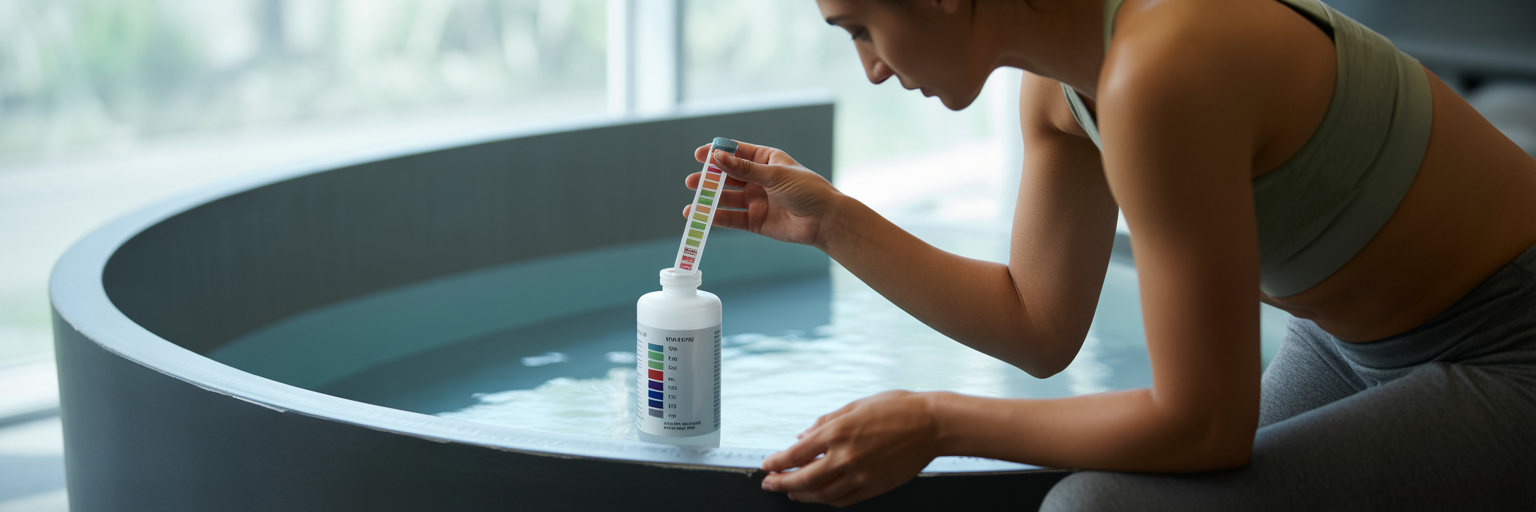
The single most effective habit is to take a quick, soap-free shower before every plunge. This simple rinse removes the vast majority of sweat, body oils, lotions, and deodorants that would otherwise end up in your tub. These substances are the primary food source for bacteria, so removing them beforehand starves potential contaminants and reduces the demand on your sanitizer. Another critical component of cold plunge water maintenance is regularly testing and balancing your water chemistry. You should test the pH and sanitizer levels two to three times a week, aiming for a pH between 7.2 and 7.6 to ensure your sanitizer works effectively. Even advanced systems with ozone or UV sanitation still rely on a baseline level of chemical sanitizer to remain effective.
Finally, always keep your tub covered when not in use. A good cover prevents leaves, dust, and other airborne debris from contaminating the water. It also blocks sunlight, which is essential for inhibiting algae growth. Using a durable, well-fitting cover is a simple and highly effective preventative measure. For those with simpler setups, options like portable ice blankets can also help maintain temperature and cleanliness between uses. Developing these simple habits is key to long-term success with any recovery tool, a topic we explore further on our blog.
| Maintenance Task | Basic Tub (No Filtration) | Advanced Tub (Filtration & Sanitation) |
|---|---|---|
| Test Water Chemistry (pH/Sanitizer) | Before each use | 2-3 times per week |
| Clean Filter | N/A | Weekly or as needed |
| Full Water Change | Every 1-3 days or 3-5 uses | Every 4-8 weeks |
| Deep Clean (Drain & Scrub) | At every water change | Every 2-3 months |
Note: This table provides general guidelines. Always consult your manufacturer's recommendations, as frequency may vary based on tub size, usage, and specific sanitation system.
Maintaining a Foundation of Wellness
Ultimately, a cold plunge is only as beneficial as it is clean. Diligent hygiene is not an inconvenient chore but a fundamental part of the recovery process itself. By understanding the risks and adopting a consistent maintenance routine, you take full control over your health and ensure every plunge is safe, effective, and restorative. This commitment transforms your tub from a simple piece of equipment into a reliable sanctuary for well-being.
Mastering this routine is a rewarding part of the process for many. For others, the most direct path to a consistent and worry-free safe cold plunge at home is choosing a system designed to simplify maintenance. By investing in powerful, built-in filtration and sanitation, you ensure your focus remains on recovery, not on constant upkeep. Exploring modern recovery systems with these features can be a worthwhile investment in your long-term health and peace of mind.