Cold plunge and infrared sauna blankets are often talked about in the same breath, but they don’t create the same kind of recovery response in the body.
One is driven by cold shock and rapid physiological stress. The other is driven by heat, circulation, and gradual release. Both are used at home for recovery, but they sit on opposite ends of how the body is stimulated and how it responds afterward.
Understanding the difference is less about preference and more about what kind of stress response you actually want to work with.
Cold exposure versus heat-based release
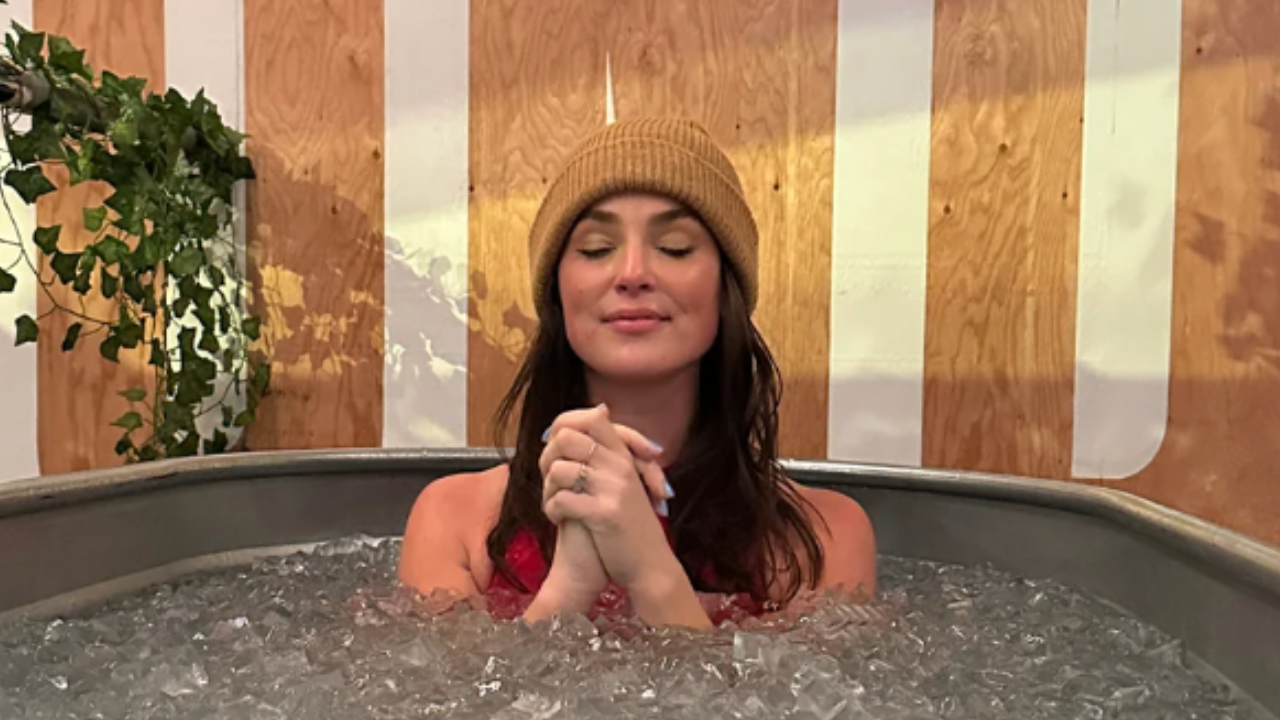
A cold plunge creates an immediate shock response.
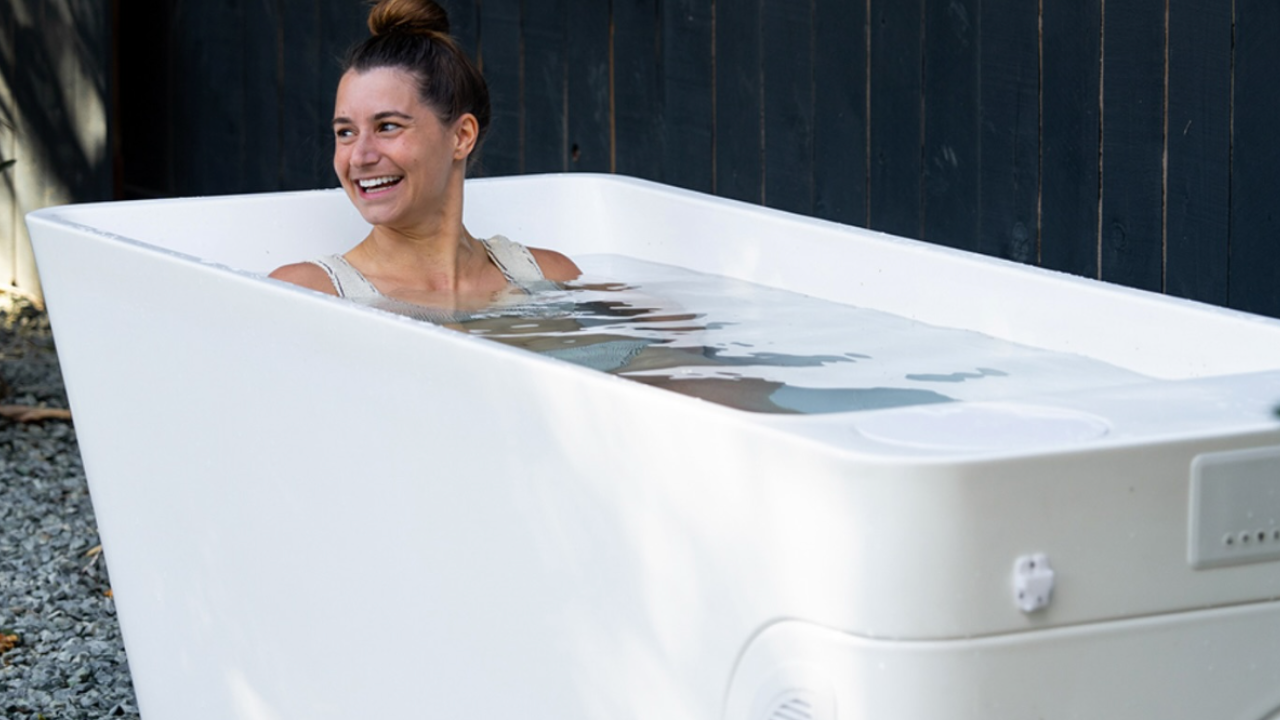
The moment you enter cold water, breathing changes, heart rate increases, and the body rapidly contracts to protect core temperature. This is a strong, acute stress signal that forces the body to adapt quickly. Systems like Plunge or Ice Barrel are built around this kind of controlled exposure, where the intensity is the point.
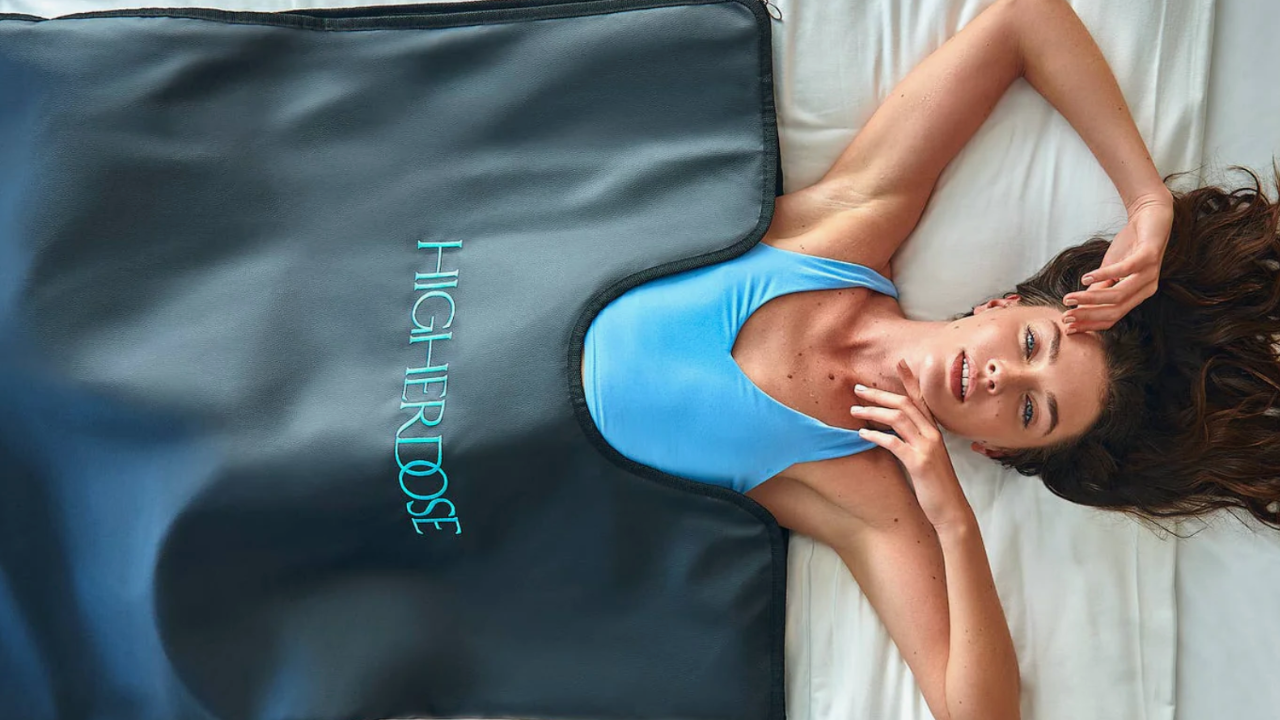
An infrared sauna blanket, such as the HigherDOSE Sauna Blanket, works in the opposite direction.
Instead of shock, it uses heat to gradually raise body temperature. Circulation increases, muscles begin to loosen, and sweating follows as the session continues. The response is slower, more expansive, and less aggressive on the nervous system.
One compresses the system. The other relaxes it.
What each system does to stress in the body
Cold exposure is often used to build tolerance to stress.
The body reacts strongly at first, then adapts over time to become more resilient to that kind of stimulus. The experience is sharp and immediate, which is why many people describe feeling alert or “switched on” after a session.
Heat-based systems work differently.
Infrared sauna blankets don’t create that same sharp response. Instead, they gradually shift the body into a relaxed state where circulation improves and tension reduces. The post-session effect is often described as heaviness or calm rather than alertness.
This is where the contrast becomes clear: cold sharpens, heat releases.
Detoxification vs recovery support
Cold plunge tends to be framed around adaptation and resilience.
It challenges the body in short bursts, and the benefit is tied to how well the body responds to that controlled stress.
Infrared sauna blankets are more often associated with heat-based release processes — sweating, circulation, and muscular relaxation. While “detoxification” is commonly used as a term, the more practical effect is how the body moves fluid, relaxes tissue, and downshifts from physical tension.
The HigherDOSE Sauna Blanket sits firmly in this category, where the focus is less on intensity and more on sustained heat exposure that supports recovery through relaxation.
Immediate impact versus gradual unwind
Cold plunge creates a clear moment.
You get in, you feel the shock, you get out, and there is an immediate contrast between before and after. That contrast is part of why it’s effective for some people — it’s unmistakable.
Sauna blankets don’t operate in that same way.
The experience builds slowly and ends in a softer transition. Instead of a sharp reset, you get a gradual unwinding that continues even after the session ends.
This difference often determines preference more than anything else. Some people respond better to intensity. Others respond better to gradual release.
How they fit into a home recovery routine
Cold plunges tend to be used less frequently but with more intention. They require setup, temperature control, and a willingness to engage with discomfort.
Infrared sauna blankets are easier to integrate into regular routines because they don’t require the same level of mental preparation. A session can happen in the evening, before sleep, or during downtime without much disruption.
That difference in friction is often what determines long-term consistency.
Brands like HigherDOSE have built their sauna blankets around this idea — making heat-based recovery accessible at home without needing a dedicated installation. Cold plunge systems like Plunge or Ice Barrel sit on the opposite side, where structure and intensity are part of the design.
When each one makes more sense
Cold plunge makes more sense when the goal is to stimulate the body through controlled stress and build tolerance over time.
Infrared sauna blankets make more sense when the goal is to reduce physical tension, support circulation, and create a slower recovery state.
They are not interchangeable because they don’t target the same response in the body.
Where people usually end up
Most home recovery setups don’t stay limited to one.
Cold exposure often becomes a performance or morning tool — something used to wake the system up. Sauna blankets tend to sit in evening routines, where the focus is on downregulation and release.
They work best when they’re not forced into the same role.
Building a recovery system at home
Looking at these tools side by side makes the distinction clearer.
Cold plunge is about acute stress and adaptation. Infrared sauna blankets are about heat, circulation, and physical release.
Both have a place in a home setup, but they serve different ends of the recovery spectrum.
If you’re comparing systems like HigherDOSE sauna blankets alongside cold plunge options like Plunge or Ice Barrel, it helps to think less about which is better and more about what kind of recovery state you’re trying to build into your routine.
You can explore all of these systems — PEMF, red light, sauna blankets, and cold plunge setups — inside the directory, where each category is broken down by how it actually functions in a real home environment and how people tend to use it over time.