Cold Plunge Systems — Home Recovery Lab
The version of cold therapy that feels closest to a built system
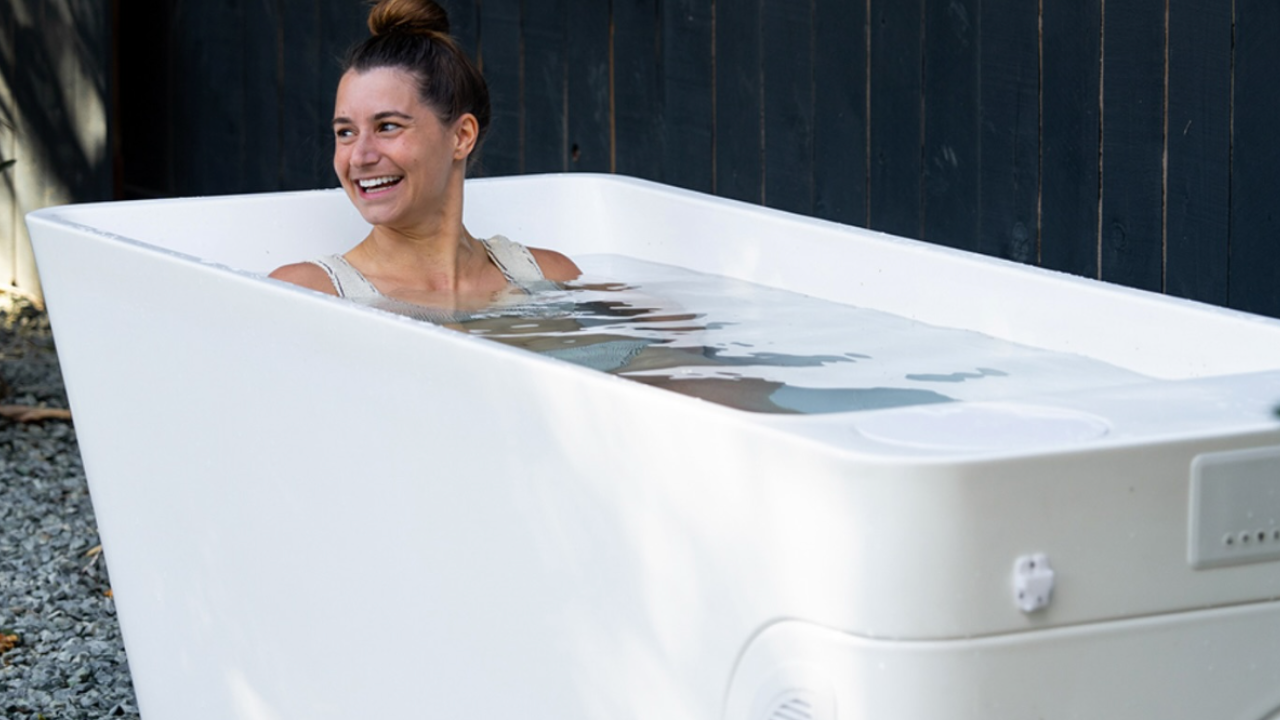
At a certain point, cold plunging stops being about simplicity and starts becoming about consistency without effort. That’s where fully integrated cold plunge systems like the Plunge sit in the category.
Unlike ice-based tubs that require manual preparation, this type of system is designed to hold temperature for you. The experience shifts from “prepare and endure” to something closer to a routine appliance — you step in, use it, and step out without thinking about setup each time.
It’s a different category of commitment. Not harder, just more automated.
What this system is designed to support
Cold plunge systems at this level are built for repeat use without friction. The intention is to remove the small barriers that usually interrupt consistency.
People typically use systems like this to support:
- post-training recovery routines
- structured cold exposure habits
- muscle soreness management
- nervous system regulation routines
- long-term resilience practices
The key difference compared to simpler tubs is not the cold itself, but the control over it. Temperature consistency changes how predictable the experience becomes, and predictability is what turns occasional use into routine use.
How it fits into a home recovery setup
This is not a temporary or portable setup. A system like this assumes a dedicated space and a more intentional recovery environment.
Most users place it outdoors, in a gym space, or in a designated wellness area where it can remain permanently installed. Once set up, it becomes part of the environment rather than something that gets assembled.
That distinction matters. The more a recovery tool blends into your space, the less friction there is between intention and use.
Where simpler systems rely on discipline, this type of system relies on accessibility.
Form factor and experience design
Unlike upright immersion tubs, systems like this typically use a more horizontal, spa-like layout. You’re not sitting upright — you’re lying back in a controlled environment designed for full-body immersion.
That changes the experience in a subtle but important way. It feels less like “getting into cold water” and more like stepping into a controlled recovery cycle.
The structure itself is built for insulation and temperature retention, often paired with an integrated cooling system rather than manual ice loading. This removes one of the biggest friction points in cold therapy: preparation time.
Features that actually matter in use
At this level, the differences between systems are not about whether they “work,” but how seamlessly they integrate into daily life.
The most important features tend to be:
- automated temperature control
- consistent cooling performance over time
- ease of entry and exit
- maintenance requirements
- long-term reliability
The Plunge system is designed around reducing decision points. You don’t think about how cold it is or how to prepare it — it holds a set range and stays ready for use.
That predictability is what allows higher-frequency use without additional mental effort.
What it feels like to use regularly
With integrated cold plunge systems, the experience becomes less about preparation and more about repetition.
There is still an initial threshold each time you step in — cold exposure never fully disappears as a sensation — but the surrounding process becomes almost invisible. You don’t manage ice, temperature, or setup. You simply use it.
Over time, that shifts how people integrate it into their routines. It stops being an occasional challenge and becomes a fixed point in a recovery cycle — often after training or at a consistent time of day.
The simplicity of use is what drives consistency at this level, not novelty or intensity.
Who this system is a good fit for
This type of cold plunge system tends to work best for people who are:
- building a long-term, structured recovery routine
- using cold exposure multiple times per week
- integrating recovery into training or performance goals
- willing to dedicate permanent space to recovery tools
It also appeals to users who have already experimented with simpler cold plunge setups and want something that removes the friction of manual preparation.
When this might not be the right fit
This system may not be ideal if:
- you need something portable or seasonal
- you prefer low-cost entry into cold exposure
- you don’t have dedicated space for installation
- you’re still exploring whether cold therapy is for you
At this level, the system assumes commitment. It is designed to remove friction for regular users, not to test initial interest.
Pricing and positioning
Integrated cold plunge systems sit at the high-end of the category.
They are significantly more expensive than ice-based tubs, reflecting not just the build quality but the addition of cooling systems, automation, and long-term usability.
Instead of thinking of this as a single purchase, it is more accurate to view it as infrastructure for a recovery routine — something that stays in place and supports repeated use over time.
For current models, configurations, and pricing, it is best to refer directly to the official Plunge website.
Closing perspective
The Plunge system represents a shift in how cold therapy is experienced at home. It moves away from preparation-based setups and toward something closer to a maintained environment.
For users building a structured Home Recovery Lab, it functions as the most seamless version of cold exposure — not because it changes the experience itself, but because it removes everything around it that usually interrupts consistency.
In a category where repetition matters more than intensity, that distinction is often what determines whether the system is used occasionally or becomes part of a routine.
Last updated
Articles related to listings
Cold Plunge vs Infrared Sauna Blanket: Which One Actually Drives Recovery
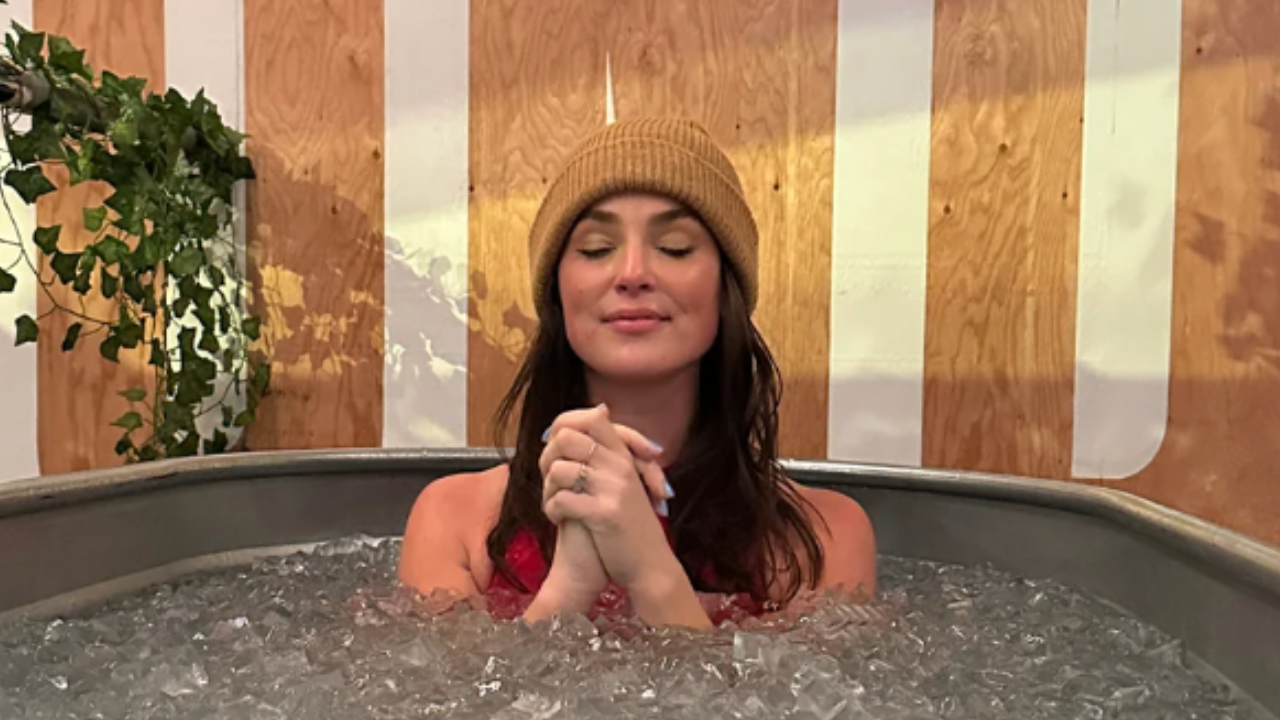
Cold plunge and infrared sauna blankets are often talked about in the same breath, but they don’t create the same kind of recovery response in the body. One is driven by cold shock and rapid physiological stress. The other is driven by heat, circulation, and gradual release.

Cold Plunge vs Red Light Therapy: Different Stress, Different Results
People compare cold plunge and red light therapy as if they’re solving the same problem but they sit on opposite sides of how the body responds to stress. One forces a reaction. The other supports recovery while the body is at rest
Why PEMF Feels Invisible But Still Changes How Your Body Recovers
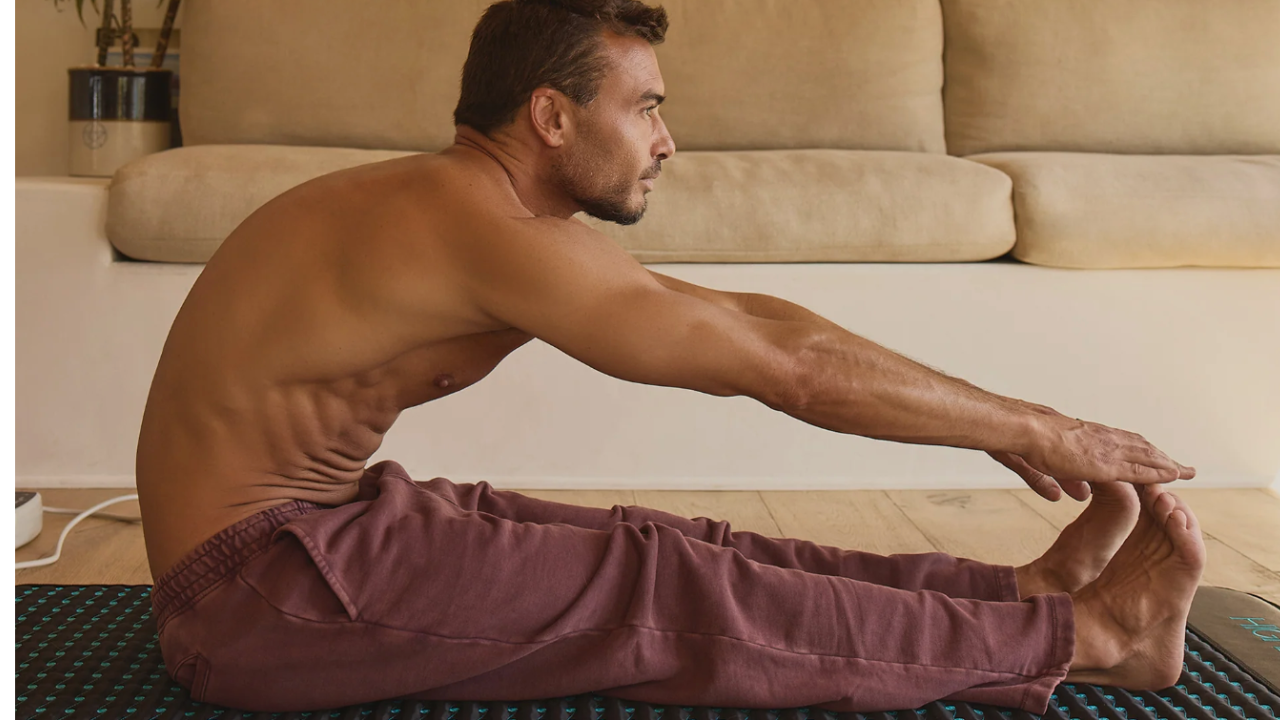
PEMF works by introducing low-frequency pulsed electromagnetic fields that interact with your body's system.
Why Sauna Blankets Leave You Relaxed But Drained (And Why That’s the Point)
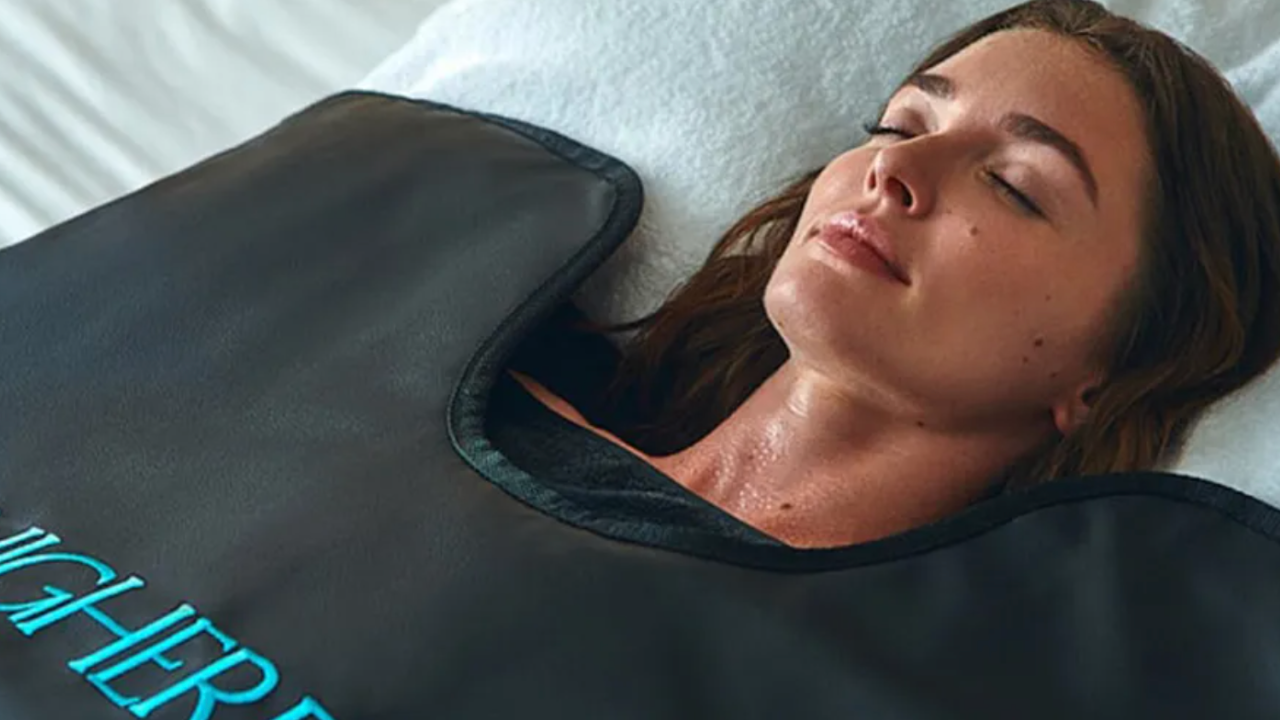
Sauna blankets: Heat pushes the body away from a high-alert, active state and toward something more restorative. Heart rate rises slightly during the session, but once you step out, the system downshifts. That’s where the “drained” feeling comes from.
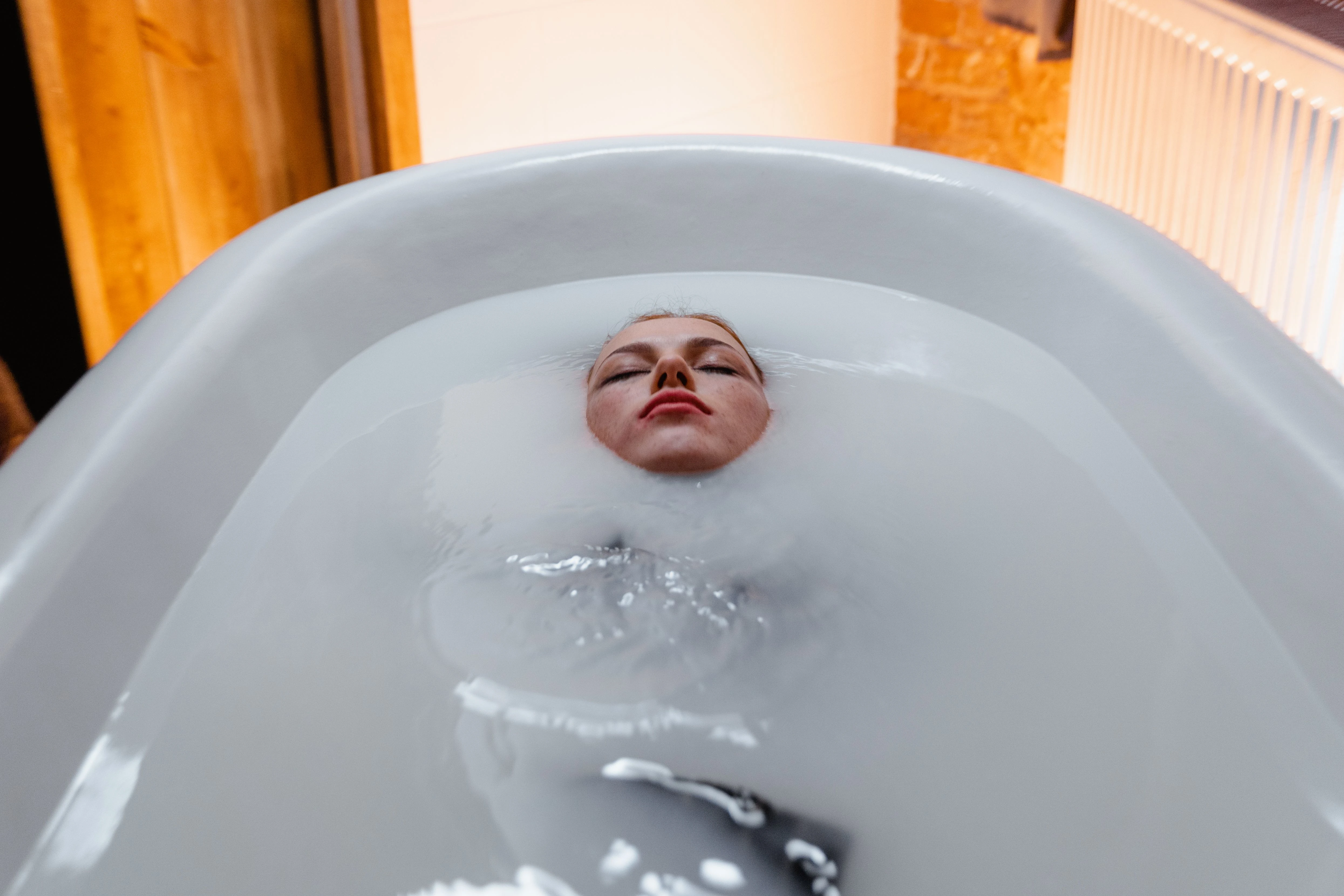
Is Cold Plunging Bad for You? Separating Myth From Fact
Is cold plunging bad for you? Separate myths from facts, learn about the real risks and benefits, and discover how to practice cold therapy safely.
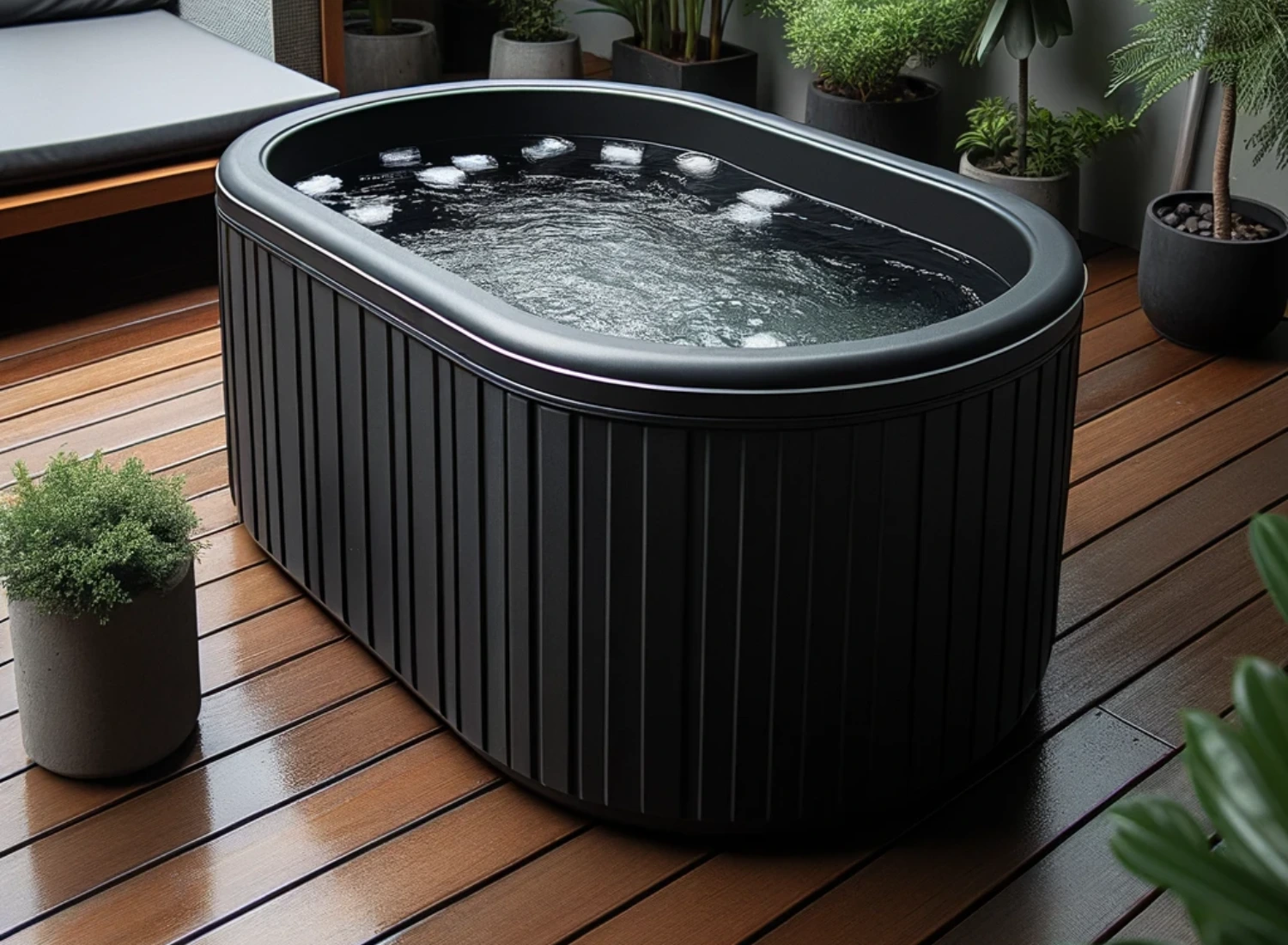
How Much Do Cold Plunge Tubs Really Cost?
Discover how much cold plunge tubs really cost, what affects pricing, and how to choose the best tub for your budget and recovery needs.
Similar listings in category
Explore More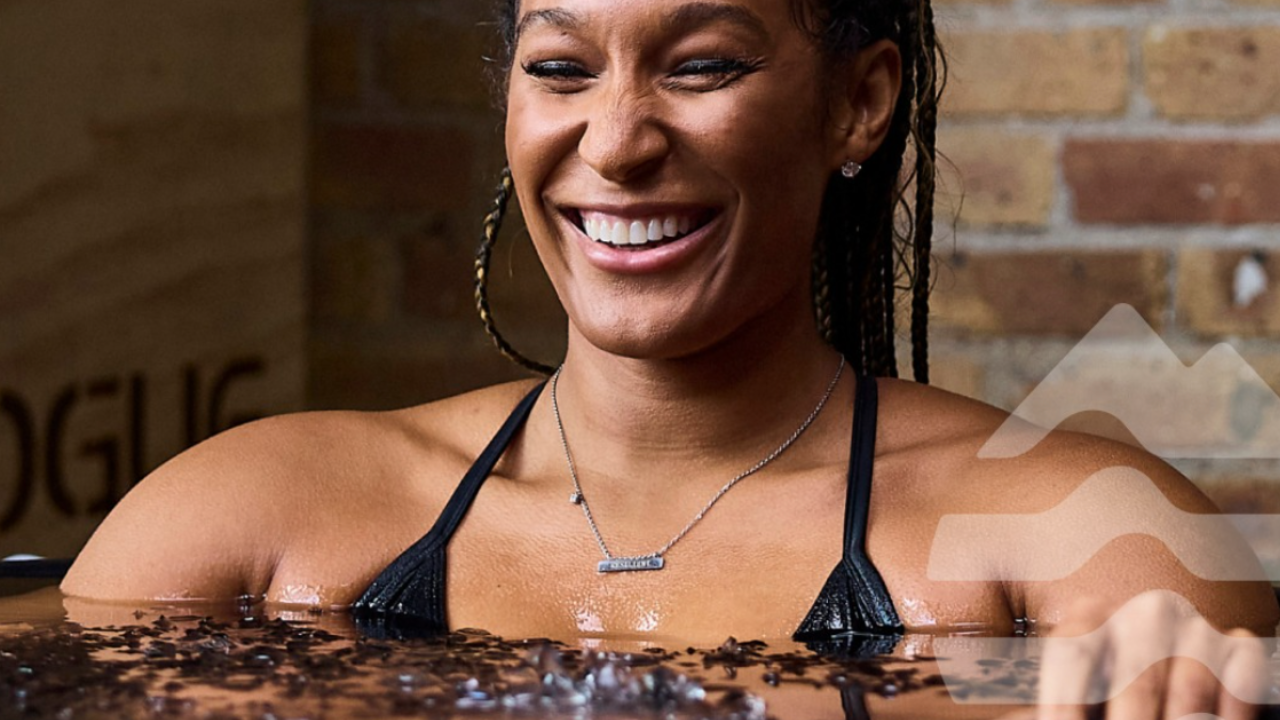
Ice Barrel 400
The perfect at-home ice bath solution.
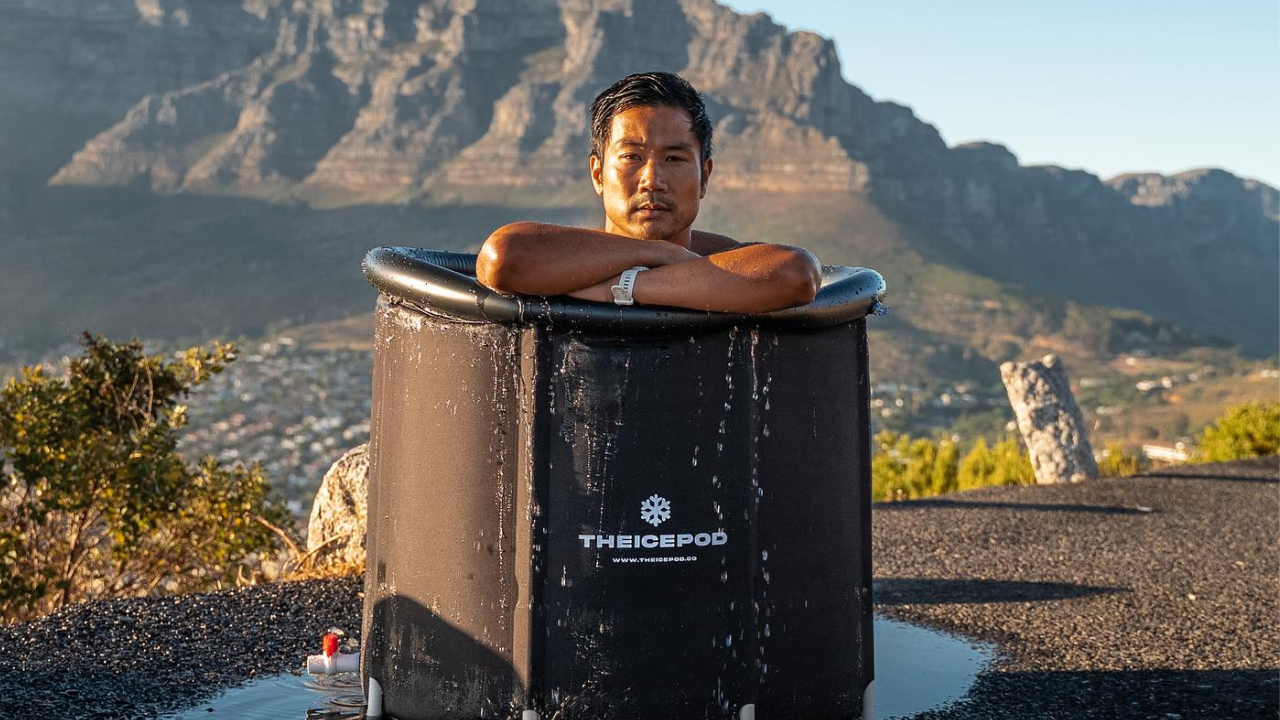
The Pod Company Ice Pod
Are you struggling with muscle soreness, chronic pain, poor sleep, or low mood? Hit peak performance with the IcePod, the ultimate premium ice bath for cold water therapy. Ice baths also boosts energy levels, immune system, and reduces fatigue, empowering you to be a better version of yourself..