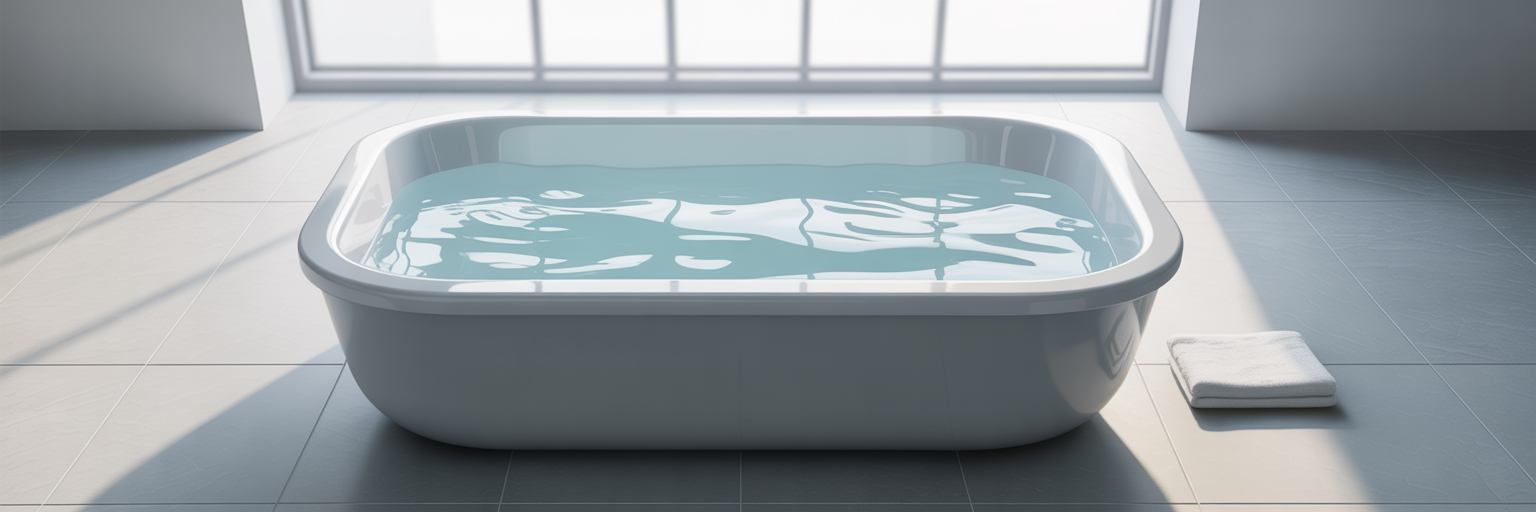
The deliberate shock of a cold plunge is a powerful tool for recovery, but its effectiveness hinges on an element often taken for granted: the purity of the water itself. The invigorating chill you seek is only as beneficial as the environment that delivers it. This is why a consistent cold plunge tub clean routine is not merely about appearances. It is a fundamental practice that protects your health, preserves your investment, and ensures every session delivers the full spectrum of recovery benefits you expect. The true goal is to maintain a hygienically safe environment, because the most significant threats are the contaminants you cannot see.
Over time, untreated water becomes a breeding ground for microorganisms. The most persistent of these is biofilm, a resilient and slimy colony of bacteria that adheres to the surfaces of your tub. Think of it as a microscopic fortress that shields germs from sanitizers, making it a primary cause of poor water quality and persistent contamination issues. This biofilm thrives on the organic compounds introduced into the water with every use. Sweat, body oils, lotions, and even trace amounts of deodorant act as a food source for these bacteria. A simple pre-plunge shower can be remarkably effective, removing a significant portion of these contaminants before you even step into the water. Neglecting this simple hygiene allows these compounds to accumulate, leading to a cascade of problems. The water becomes cloudy and may develop an unpleasant odor. The equipment, including pumps and filters, comes under increased strain, leading to accelerated wear. Ultimately, a poorly maintained tub transforms from a tool for wellness into a potential source of bacteria, undermining the very purpose of your recovery practice.
Essential Tools and Sanitization Products
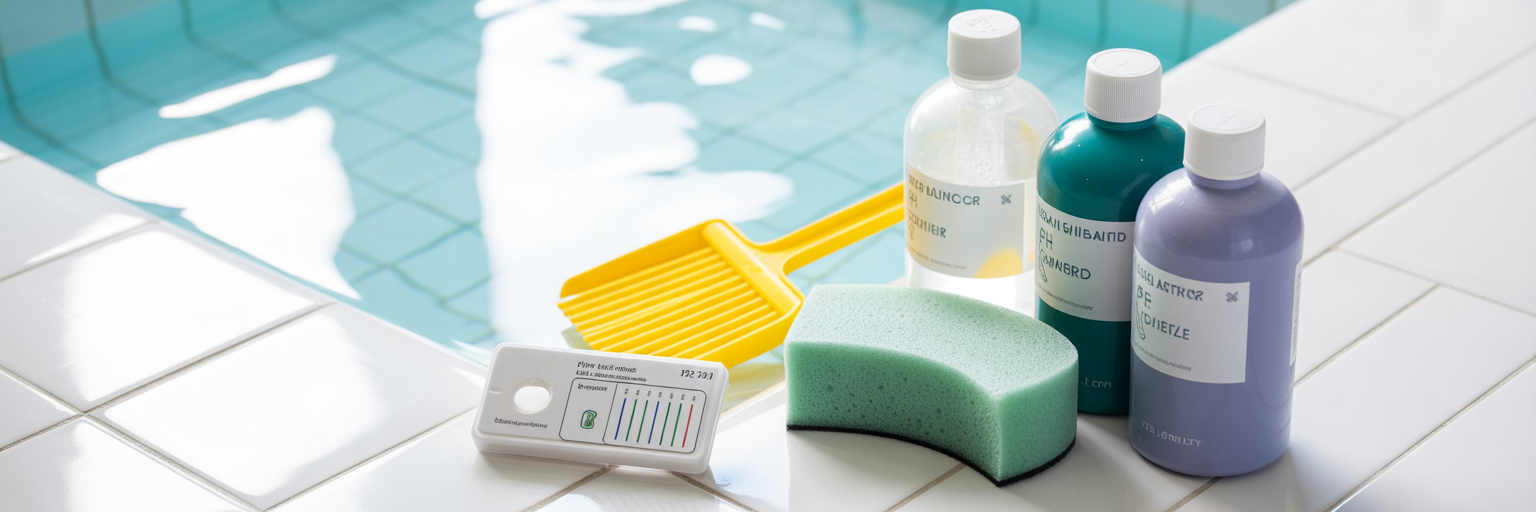
To properly care for your cold plunge, you need a small but specific set of tools and products. Having the right supplies on hand makes maintenance straightforward and effective, turning a potential chore into a simple, manageable routine. This is not about complex chemistry, but about having the correct items to address the most common issues before they escalate. Your toolkit should be built around three core functions: physical cleaning, water sanitization, and chemical balancing.
For the physical maintenance of your tub, you will need a few basic implements:
- A Fine-Mesh Skimmer: This is used to remove any floating debris like hair, leaves, or dust that lands on the water's surface. Regular skimming prevents this debris from breaking down and feeding bacteria or clogging your filtration system.
- A Non-Abrasive Sponge or Soft Cloth: You need this for wiping down the interior surfaces of the tub, particularly at the waterline where oils and grime tend to accumulate. It is crucial that the material is soft to avoid scratching the acrylic or vinyl shell of your tub.
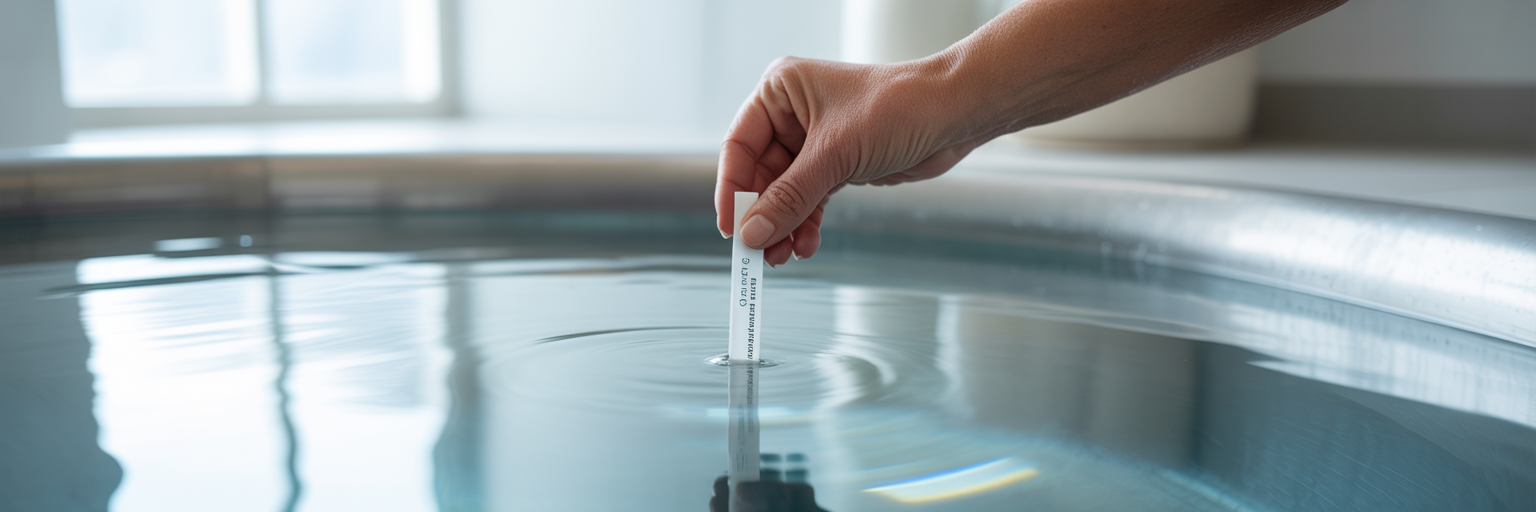
- A Reliable Water Test Kit: This is your most important diagnostic tool. Test strips or a digital reader will allow you to accurately measure the key chemical levels in your water, such as sanitizer concentration and pH. Testing is not guesswork; it provides the data you need to make precise adjustments.
With these tools ready, the next step is selecting the right chemicals. The primary agent you will use is a cold plunge tub sanitizer, which is responsible for actively killing bacteria, viruses, and other microorganisms. The two most common types are chlorine-based sanitizers, like dichlor, and non-chlorine alternatives, such as hydrogen peroxide. It is vital to follow the recommendation of your tub’s manufacturer, as some systems are designed for one type over the other. Beyond sanitization, you will need pH balancers, typically labeled as "pH Up" (sodium carbonate) and "pH Down" (sodium bisulfate). These products allow you to adjust the water’s acidity to maintain an ideal pH range of 7.2 to 7.6. This range is not arbitrary; if the pH is too high or too low, your sanitizer becomes significantly less effective. Finally, a specialized filter cleaning solution is necessary for monthly maintenance. This chemical is designed to break down and dissolve the stubborn oils and lotions that become deeply embedded in your filter cartridge, which a simple water rinse cannot remove. Understanding the needs of your system is the first step, and exploring the different types of cold plunge tubs available can provide valuable context for your own maintenance requirements.
Your Daily Maintenance Ritual
The most effective approach to cold plunge water maintenance is built on small, consistent actions. By integrating a few simple tasks into your daily routine, you can prevent the vast majority of water quality issues from ever taking hold. Framing these steps as a ritual, much like the plunge itself, helps transform maintenance from a chore into a mindful part of your overall wellness practice. The foundation of this ritual begins before you even touch the water.
The single most impactful habit for maintaining clean water is taking a quick, soap-free shower before every plunge. This simple act rinses away the sweat, body oils, lotions, and other residues that serve as the primary food source for bacteria. By starving these microorganisms, you drastically reduce their ability to multiply and form biofilm. This one step lessens the burden on your sanitizer and filter, extending the life of your water and equipment. It is a proactive measure that pays significant dividends in water clarity and hygiene.
Immediately after your plunge, two tasks should become second nature. First, use your fine-mesh skimmer to quickly remove any hair or debris floating on the surface. This takes less than a minute but prevents that material from sinking and decomposing in your tub. Second, securely place the cover back on your tub as soon as you are done. The cover serves a dual purpose. It acts as a physical barrier, blocking dust, leaves, and other environmental contaminants from entering the water. It also blocks sunlight. UV rays from the sun can degrade sanitizers like chlorine, rapidly reducing their effectiveness and leaving your water unprotected. A covered tub stays cleaner and maintains its chemical balance for longer.
Finally, ensure your filtration system runs daily. Most modern cold plunge tubs have a programmable circulation pump and filter. Running this system for a consistent period each day, typically between one and four hours, is essential. This cycle ensures that the entire volume of water passes through the filter, where suspended particles and debris are captured. Consistent filtration keeps the water clear and helps distribute the sanitizer evenly throughout the tub. These daily actions are small investments of time that prevent the need for larger, more intensive cleaning efforts down the road.
Weekly Water Quality Management
While daily habits form the foundation of clean water, your weekly check-in is where you take active control of your tub's chemistry and hygiene. This regular, more detailed attention is the core of an effective cold plunge cleaning schedule. It involves testing the water, managing its chemical balance, and physically cleaning the tub's surfaces to stop problems before they become visible. This process should be performed two to three times per week, or more frequently if the tub is seeing heavy use.
Your first step is to test the water using your test strips or digital reader. You are primarily looking at two key metrics: the sanitizer level and the pH level. Based on the readings, you will add small, measured doses of your sanitizer or pH balancing chemicals to bring the water back into the ideal range. The goal is precision, not excess. Adding too much chemical can be just as problematic as adding too little. The target pH of 7.2 to 7.6 is particularly important, as it creates an environment where your sanitizer can work at peak efficiency while also ensuring the water is comfortable for your skin and eyes. As you manage your weekly recovery, understanding how different modalities affect your body can be useful; comparing the demands of a cold plunge to an infrared sauna, for example, helps put your entire routine into perspective.
The second part of your weekly routine is a physical scrub of the tub's surfaces. Use a soft cloth or non-abrasive sponge to wipe down the interior of the tub, paying special attention to the waterline. This is where oils and grime tend to form a ring, providing a perfect foothold for bacteria. This simple physical action is critical for preventing biofilm in cold plunge tubs. By disrupting these microbial colonies in their earliest stages, you prevent them from maturing into a thick, sanitizer-resistant layer. This weekly wipe-down is one of the most effective preventative measures you can take.
Finally, your weekly schedule should include rinsing the filter cartridge. Remove the filter from its housing and use a garden hose with a spray nozzle to thoroughly wash it. Work from the top down, spraying between each pleat to dislodge any trapped debris. This action restores proper water flow through the filter, improving its efficiency and reducing strain on the pump. These established best practices are corroborated by industry experts, and as this maintenance guide from Plunge Chill highlights, consistency is key.
| Parameter | Ideal Range | Purpose |
|---|---|---|
| pH Level | 7.2 – 7.6 | Ensures sanitizer effectiveness and user comfort. |
| Free Chlorine | 1 – 3 ppm | Actively kills bacteria, viruses, and algae. |
| Hydrogen Peroxide | 30 – 100 ppm | A non-chlorine alternative for sanitizing the water. |
| Total Alkalinity | 80 – 120 ppm | Helps stabilize the pH, preventing drastic swings. |
Note: These ranges are industry standards for residential cold plunges. Always consult your specific tub manufacturer's guidelines, as system requirements may vary.
Monthly Deep Cleaning and Water Refresh
Even with diligent daily and weekly care, your cold plunge water requires a periodic reset to maintain its freshness and hygienic quality over the long term. This monthly deep clean involves more intensive filter maintenance and, eventually, a complete water replacement. This process removes the accumulated compounds that routine sanitization and filtration cannot, ensuring your tub remains a pristine environment for recovery.
The first task in your monthly routine is a deep clean of the filter cartridge. While weekly rinsing removes loose debris, it does not eliminate the oils, lotions, and minerals that become deeply embedded in the filter's fabric. To address this, you will need to soak the cartridge in a specialized filter cleaning solution. After soaking for several hours or overnight, a final, thorough rinse will wash away the dissolved buildup. This process restores the filter to near-new condition, maximizing water flow and filtration capacity. A clean filter is fundamental to a clean tub.
Depending on your usage frequency, you will need to completely drain and refill your tub every two to eight weeks. The reason for this is the buildup of Total Dissolved Solids (TDS). Over time, every chemical you add, along with minerals from your source water and organic compounds from users, accumulates in the water. As TDS levels rise, the water can become "stale," making it increasingly difficult to balance the pH and maintain sanitizer effectiveness. At a certain point, it is more efficient and effective to simply start over with fresh water. For users with simpler, non-filtered systems like The Ice Pod, this drain-and-refill process is even more critical and will need to be done more frequently.
With the tub empty, you have the perfect opportunity to learn how to clean cold plunge tub surfaces thoroughly. Use a mild, non-abrasive cleaner, such as a diluted solution of white vinegar and water, and a soft cloth to wipe down the entire interior shell. This removes any lingering residue or early-stage biofilm. It is crucial to rinse the tub thoroughly after cleaning to remove any cleaner residue before you refill it. This is also an excellent time to perform a quick mechanical inspection. Check that all plumbing connections are tight and that there are no signs of leaks around seals or fittings. This proactive check can help you catch small issues before they become major problems.
Common Maintenance Mistakes to Avoid
Maintaining a cold plunge tub is a straightforward process, but a few common missteps can quickly lead to cloudy water, unpleasant odors, and a frustrating user experience. Understanding these pitfalls is just as important as knowing the correct procedures. By avoiding these common mistakes, you can ensure your maintenance efforts are effective and your tub remains a reliable asset for your recovery.
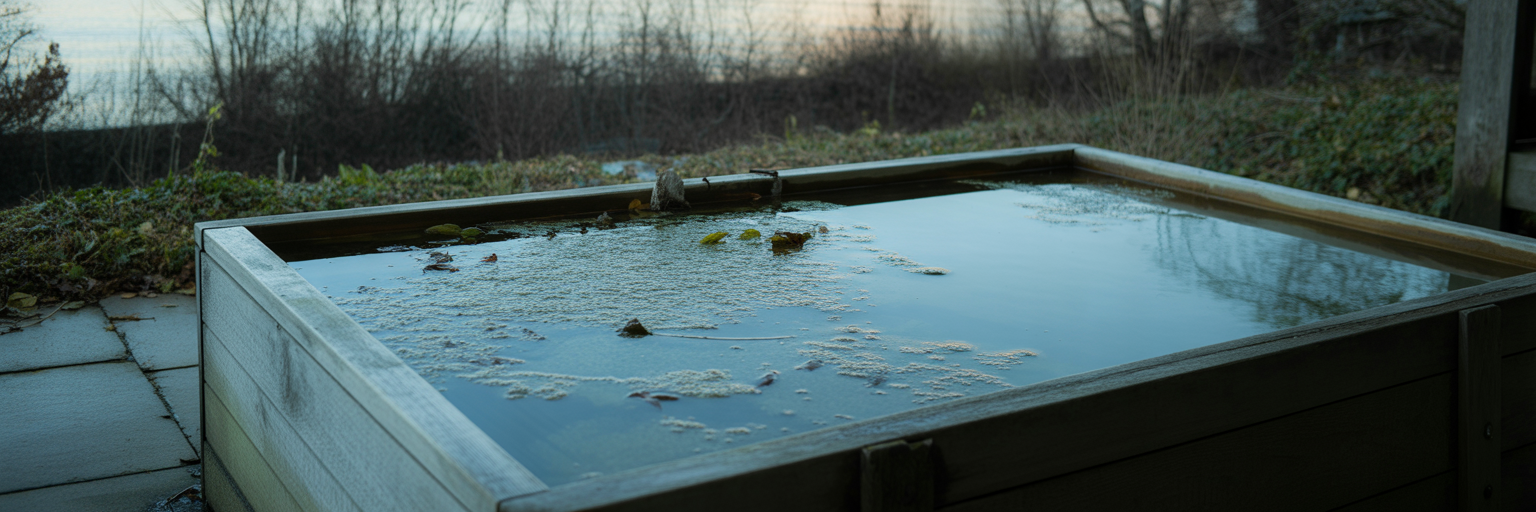
- Ignoring the First Signs of a Problem: Cloudy water, a musty smell, or a slimy feel on the tub surfaces are not issues that will resolve themselves. These are early warning signs that your water chemistry is out of balance or that a biofilm colony is establishing itself. When you notice these signs, it is time to test your water immediately and take corrective action, whether that means adjusting chemicals, cleaning your filter, or shocking the water. Delaying action only allows the problem to worsen.
- Skipping the Pre-Plunge Shower: It can be tempting to jump straight into the tub, but skipping the pre-plunge rinse is the single biggest contributor to poor water quality. As mentioned, this simple step removes the majority of the organic load that bacteria feed on. Consistently skipping it means you are constantly fighting an uphill battle, forcing your sanitizer and filter to work overtime and requiring you to use more chemicals.
- Mixing Different Sanitizers: Never mix different types of sanitizing chemicals, such as chlorine and hydrogen peroxide. Combining these products can create a dangerous chemical reaction, release harmful gases, and completely neutralize their sanitizing properties, leaving your water unprotected. If you decide to switch from one type of sanitizer to another, you must first drain, clean, and refill the tub with fresh water.
- Overdosing Chemicals: When dealing with a water quality issue, the temptation can be to assume that "more is better." However, overdosing your tub with sanitizer or other chemicals is counterproductive and potentially harmful. Excessively high chemical levels can cause skin and eye irritation, produce a strong chemical odor, and can even corrode or damage your tub's equipment over time. Always follow the dosage instructions on the product label and make small, measured adjustments based on your water test results.
Avoiding these and other common errors is a matter of knowledge and consistency. Empowering yourself with information from a wide range of expert articles, like those found on our blog, can help you manage your recovery tools with confidence and skill.
Integrating Maintenance into Your Wellness Practice
Ultimately, the care and upkeep of your cold plunge tub should not feel like a separate, burdensome chore. When approached with consistency and mindfulness, these maintenance tasks become a seamless part of your wellness ritual. The act of testing the water, cleaning the surfaces, and ensuring the environment is pure is an extension of the respect you show for your own body and your recovery process. A well-maintained tub is a reliable and inviting asset, always ready to deliver the crisp, clean, and therapeutic experience you depend on. In contrast, a neglected tub becomes a source of stress and uncertainty, undermining the very sense of well-being it is meant to support.
The time you invest in maintaining your equipment is an investment in the quality and consistency of your recovery. By building these simple habits, you ensure that every plunge is as effective and safe as the first. As you refine your recovery routine, considering systems with advanced, integrated filtration can make maintaining that pristine environment nearly effortless. A premium unit like the Plunge All-In system automates much of this process, allowing you to focus purely on the profound benefits of the plunge itself.