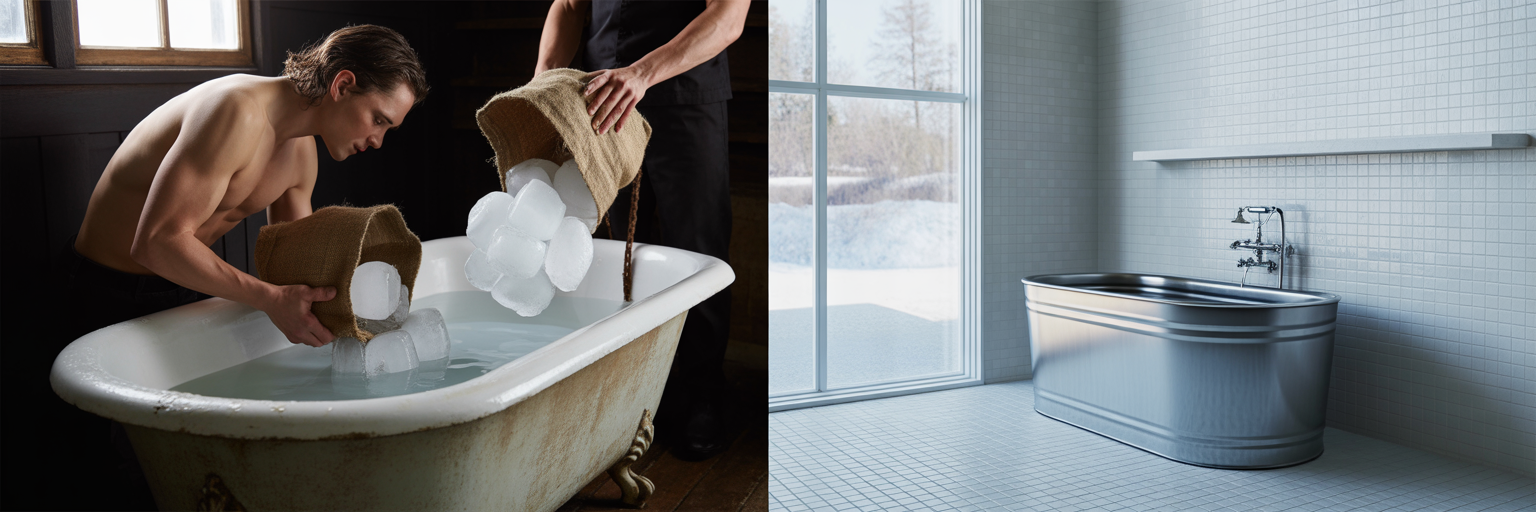
The feeling of muscle soreness after intense activity is a familiar signal from your body. For decades, athletes have turned to cold exposure as a reliable method to manage that response and accelerate recovery. As these practices move from elite training facilities into our homes, the debate over Ice Blankets vs Cold Plunge Tubs has become central to choosing the right approach for your personal needs. Understanding which tool is right for you begins with understanding what is happening in your body when you get cold.
Understanding Cold Therapy: Ice Blankets vs Cold Plunge Tubs
At its core, cold therapy works by triggering a powerful physiological response. When you expose your body to cold, your blood vessels undergo vasoconstriction, a process where they narrow to pull blood away from your extremities and toward your vital organs. This immediate reaction helps reduce inflammation and swelling in taxed muscles by limiting the flow of inflammatory agents to the area. It also slows down local metabolic activity, which can decrease tissue damage and nerve activity, providing a numbing effect that eases soreness. This is the foundation of cold water immersion benefits.
The real magic, however, happens when you rewarm. Your body initiates a rebound effect called vasodilation, where blood vessels expand rapidly. This sends a rush of fresh, oxygenated blood back into your muscles, helping to flush out metabolic byproducts like lactic acid that accumulate during intense exercise. This process is what helps mitigate delayed onset muscle soreness (DOMS) and supports faster tissue repair. Both ice blankets and cold plunge tubs are designed to harness this same physiological mechanism, but they do so through very different means. The choice between them is not about which one is superior, but about which approach best aligns with your lifestyle, budget, and commitment to recovery. It is a trade-off between the targeted accessibility of ice-based methods and the consistent precision of a dedicated plunge system.
The Consistency of Dedicated Cold Plunge Tubs
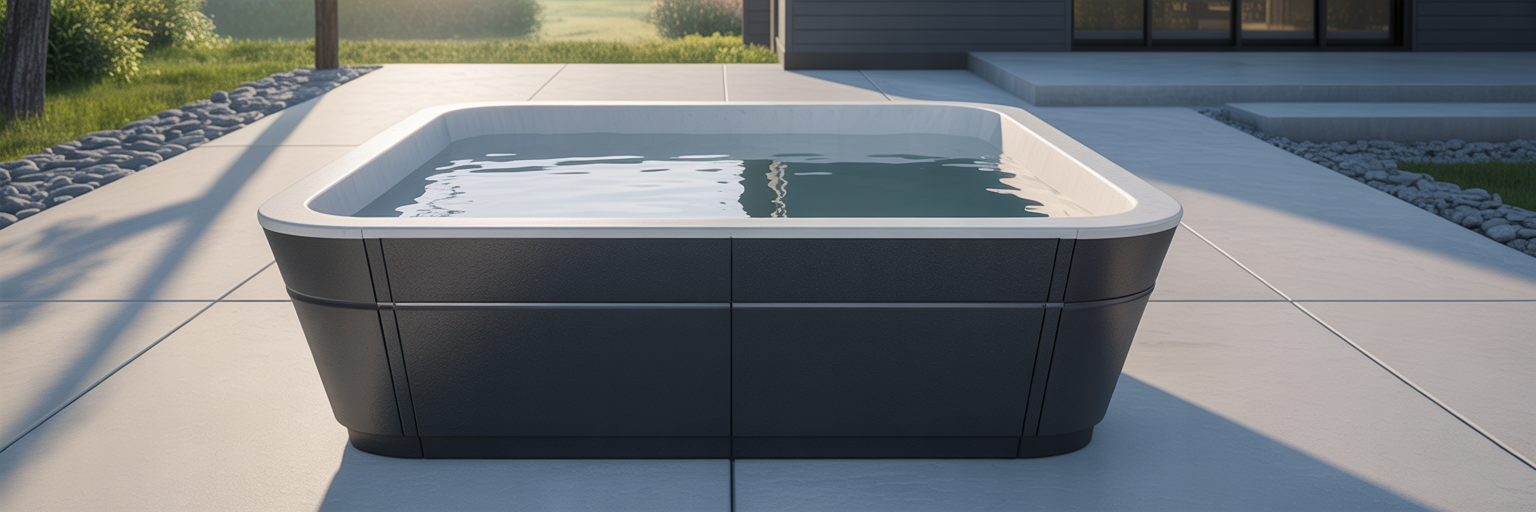
For anyone committed to a consistent cold therapy practice, the primary advantage of a dedicated cold plunge tub is its frictionless nature. The system is always ready, eliminating the daily mental and physical hurdles of preparation that can derail a routine. This on-demand convenience is a powerful driver of long-term adherence. Instead of planning, hauling ice, and cleaning up, you simply walk up and get in. This ease of use is why research indicates that a high percentage of cold plunge owners use their equipment at least four times a week, turning a therapeutic chore into a seamless daily ritual.
This consistency is made possible by sophisticated technology. Mechanical chillers maintain a precise and stable water temperature, typically between 37°F and 55°F, ensuring every session delivers the same therapeutic stimulus. Integrated filtration and sanitation systems, often using ozone or UV, keep the water clean and clear for weeks or months at a time. This removes the need for constant draining and refilling, further reducing the effort required to maintain the habit. When considering the cold plunge tub cost, it is important to look beyond the initial price tag. While the upfront investment can be significant, ranging from $2,500 to over $10,000, the operational costs are surprisingly low, often just $25 to $65 per month in electricity. For someone practicing cold immersion several times a week, the break-even point compared to the recurring cost of buying ice can be reached in as little as 12 to 18 months. This reframes the purchase as a long-term investment in your health. For those seeking top-tier performance, advanced systems like the Plunge Chill offer a premium, all-in-one experience, while a curated selection of dedicated cold plunge tubs provides options for various needs and budgets.
The Practicality of Ice Blankets and Baths
On the other end of the spectrum are ice-based methods, which represent the most accessible entry point into at home cold therapy. A DIY ice bath can be set up with nothing more than your own bathtub and bags of ice from the corner store. This low barrier to entry, with initial costs ranging from practically nothing to a few hundred dollars for a portable tub, is their main appeal. However, this accessibility comes with a trade-off in the form of significant daily friction. The manual process of sourcing and transporting large quantities of ice, spending time filling a tub and waiting for the water to cool, and finally, the cleanup and water disposal required afterward, creates a substantial barrier to consistency.
This friction is a key reason why adherence rates for ice bath users are notably lower. The ongoing effort can quickly outweigh the motivation, especially on busy days. Furthermore, the hidden costs can add up. For someone practicing regularly, the expense of ice alone can range from $110 to $270 per month, making it a surprisingly expensive habit over time. Another challenge is temperature instability. As ice melts, the water temperature fluctuates, leading to a less controlled and potentially less effective therapeutic session. For those seeking a more practical solution, specialized Ice Blankets offer a compelling alternative. These tools provide targeted ice bath for muscle recovery for specific areas like knees, shoulders, or the back without the mess and hassle of a full-body immersion. They allow you to apply cold directly where you need it most, simplifying the process considerably. This aligns with a core principle of habit formation, where simplifying a routine is key to long-term success. As you consider how different recovery tools fit into your life, it is helpful to compare their roles, much like you might weigh a cold plunge against an infrared sauna blanket to see which one better drives your specific recovery goals.
Matching the Method to Your Recovery Goals

Ultimately, the right choice depends on a realistic assessment of your needs and lifestyle. For individuals new to cold therapy, those on a tight budget, or people who only need it sporadically after a weekend race or a particularly tough workout, starting with an ice blanket or a DIY bath is a logical, low-risk approach. It allows you to experience the benefits and validate the habit without a major financial commitment. You can determine if cold exposure is a tool you will actually use before investing further.
The ideal user for a dedicated plunge tub is someone who has already bought into the practice and views at home cold therapy as a non-negotiable part of their daily or near-daily ritual. This includes committed athletes, biohackers, and wellness enthusiasts who prioritize consistency and convenience above all else. For this person, the precision, reliability, and long-term cost-effectiveness of a dedicated system justify the upfront investment. It is also important to consider a critical scientific nuance: some research suggests that cold water immersion performed within an hour of resistance training may blunt the signaling pathways responsible for muscle hypertrophy. If your primary goal is building muscle mass, it is wise to time your cold sessions for rest days or at least several hours after your workouts. This applies to both methods and is a key factor in optimizing your results, just as you might consider how a cold plunge compares to red light therapy for different recovery outcomes.
| Factor | Ice Blankets & DIY Baths | Dedicated Cold Plunge Tubs |
|---|---|---|
| Initial Cost | $50 - $500 | $2,500 - $10,000+ |
| Ongoing Cost & Effort | High (ice costs $110-$270/mo) & High (daily setup/cleanup) | Low (electricity costs $25-$65/mo) & Low (always ready) |
| Temperature Control | Inconsistent; fluctuates as ice melts | Precise & Stable; digitally controlled |
| Best For | Beginners, sporadic use, budget-conscious individuals | Dedicated daily users, athletes, biohackers |
This table summarizes the key trade-offs between the two primary methods of at-home cold therapy. The choice ultimately depends on your personal commitment level, budget, and how much you value convenience in your daily routine.
Choosing Your Path to Cold Immersion
The decision between an ice-based method and a dedicated plunge tub is a personal one. There is no universally superior system. The right choice is the one that integrates most seamlessly into your life, because the most effective recovery tool is the one you use consistently. To find your answer, perform a simple self-assessment based on three factors: your realistic commitment level, your budget, and the importance of convenience in your daily routine. Are you willing to trade daily effort for a lower upfront cost, or is the one-time investment in an always-ready system a price you are willing to pay for long-term adherence?
The core trade-off is clear. Ice-based methods offer a low-cost entry point but demand significant ongoing effort and present challenges with temperature consistency. Dedicated plunge tubs require a higher upfront investment but deliver unparalleled convenience, precision, and reliability in return. Your chosen cold therapy method should be viewed as one component of a holistic recovery strategy, which might also include other modalities like infrared saunas or PEMF mats, depending on your specific wellness goals. You can find more in-depth articles and resources to help build your complete recovery protocol on our blog. By understanding how each system behaves in the real world, you can choose the path that not only fits your budget but ensures you show up for your recovery day after day.