Most people compare cold plunge and red light therapy as if they’re solving the same problem.
They’re not.
They sit on opposite sides of how the body responds to stress. One forces a reaction. The other supports recovery while the body is at rest. They can both belong in the same routine, but they don’t replace each other, and they don’t feel remotely similar in practice.
Understanding that difference early makes the decision much easier. Not which one is “better,” but which one fits into your day, your tolerance, and what you’re actually trying to get out of it.
One is immediate. The other builds quietly
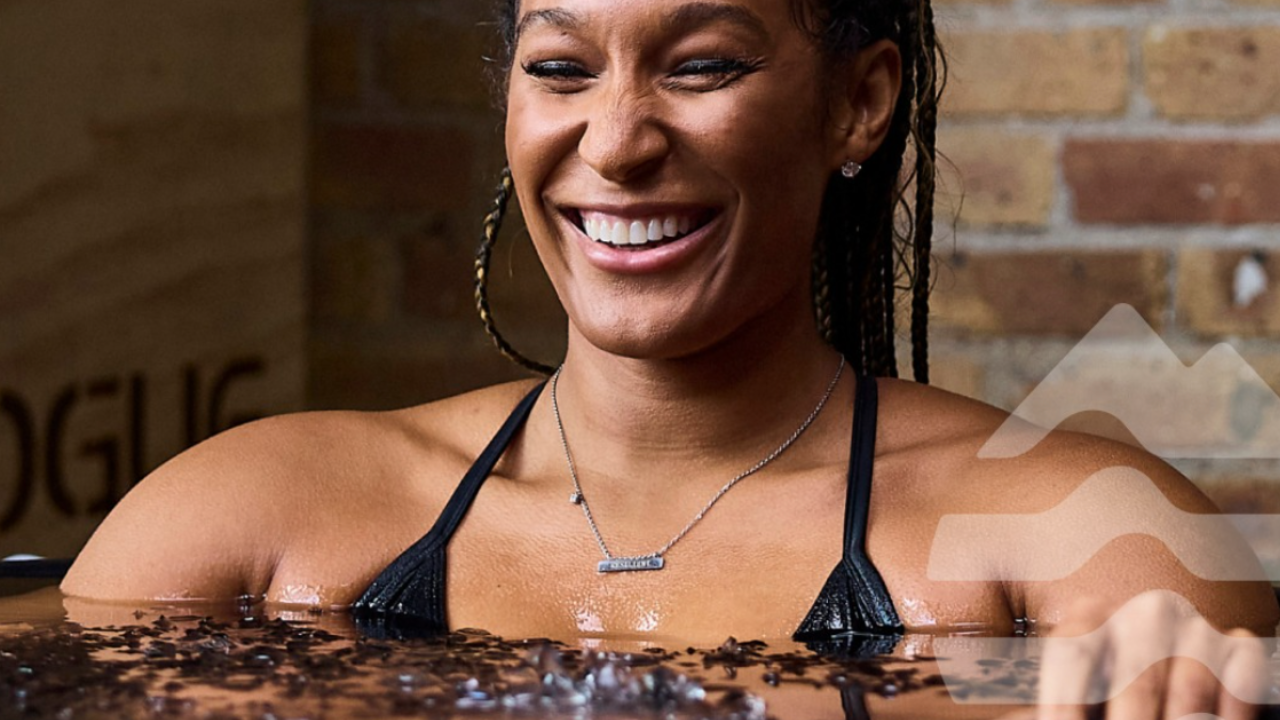
Cold plunge is hard to ignore.
The moment you step into cold water, your breathing changes. Your body reacts instantly. Heart rate rises, muscles tense, and your system shifts into a controlled stress response. Even short sessions feel intense.
That intensity is part of the appeal. You feel it working. You feel alert afterwards. For many people, that immediate shift is what keeps them coming back.
Red light therapy doesn’t work like that.
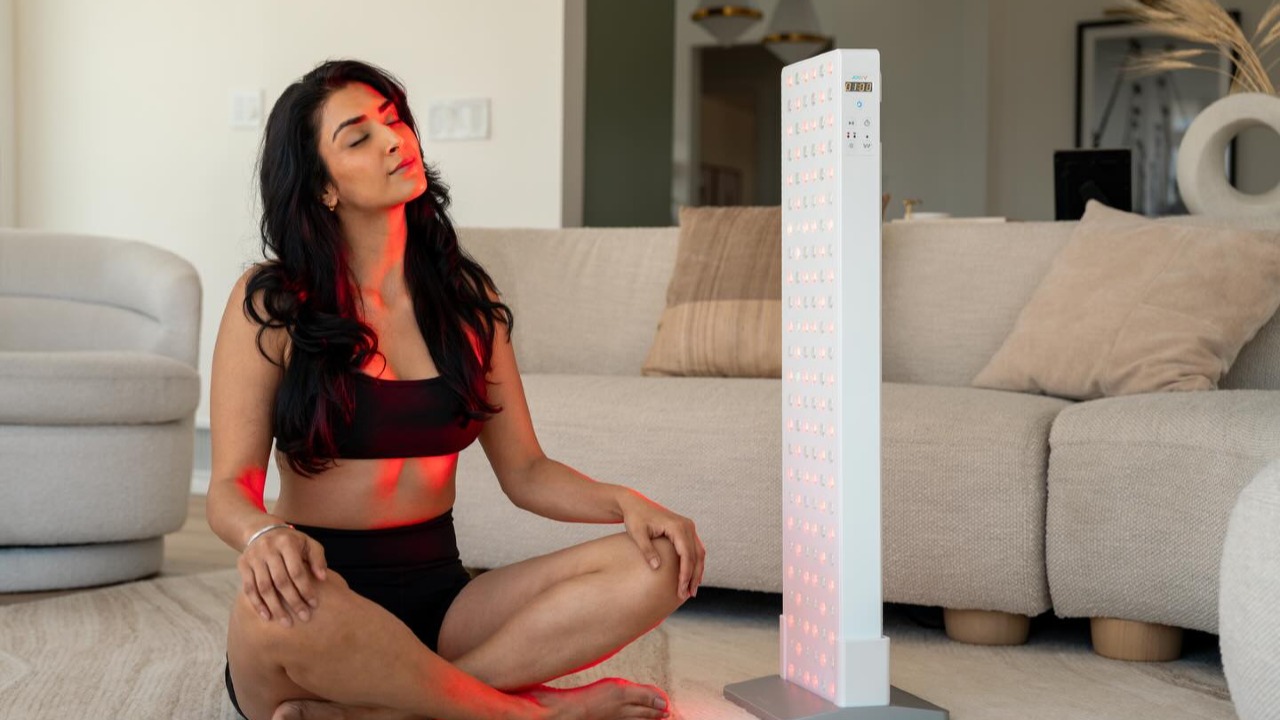
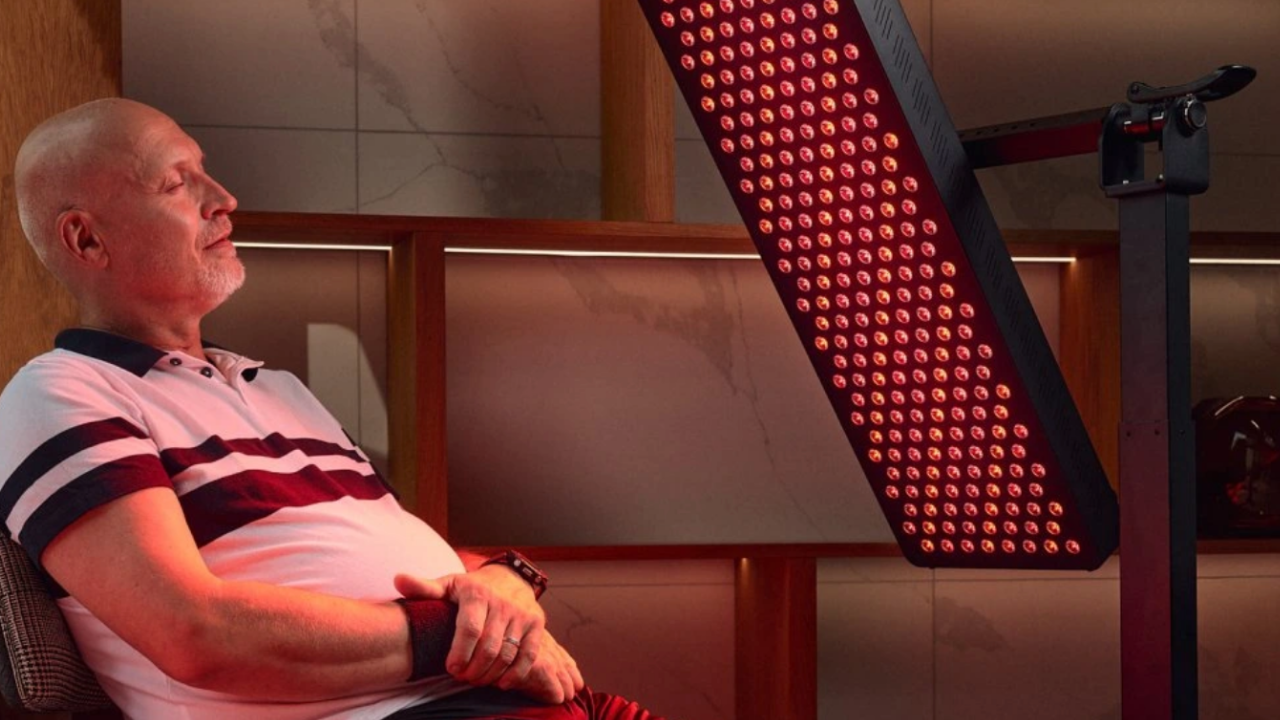
There’s no shock, no spike, no moment where you feel your body react. You stand or sit in front of a panel, and the experience stays calm. It’s quiet, passive, and easy to underestimate if you’re expecting something dramatic.
The difference shows up over time instead of in the moment. People notice changes in how their body recovers, how their skin looks, or how consistent they are with using it, rather than a single noticeable event during a session.
One gives you a clear signal right away. The other works in the background.
Stress versus support
Cold exposure is a form of controlled stress.
That’s not a downside. It’s the point.
When you expose the body to cold water, it triggers a response that can support circulation, alertness, and resilience over time. But it still requires effort. You have to step into it, stay in it, and manage your breathing while your body pushes back.
It’s active, even if you’re not moving.
Red light therapy sits on the other side of that spectrum.
It doesn’t force a reaction. It supports processes that are already happening in the body, particularly at the cellular level. The goal is not to challenge the system, but to help it recover and function more efficiently.
That’s why it’s often described as passive. You don’t need to prepare for it or push through it. You simply use it.
For some people, that difference matters more than anything else. Not everyone wants their recovery to feel like another form of stress.
What recovery actually feels like with each one
Cold plunge tends to feel like a reset.
After a session, people often describe a sense of alertness, clarity, and a noticeable shift in mood. It can wake you up quickly and create a strong mental contrast between before and after.
That makes it appealing in the morning or after intense physical effort, where that immediate change feels useful.
Red light therapy is harder to describe in a single session.
It doesn’t create a sharp before-and-after moment. Instead, it tends to show up in patterns. Less stiffness after repeated use. Skin that gradually looks healthier. Recovery that feels more consistent rather than dramatic.
It’s less about a single session doing something obvious and more about what happens after using it regularly over time.
The role of routine
This is where the difference becomes practical.
Cold plunge demands something from you each time you use it. Time, mental readiness, and a willingness to step into discomfort. Even if the session is short, there’s a barrier to starting.
That barrier is part of why some people stick with it and others don’t. It requires intention.
Red light therapy removes most of that friction.
Once the panel is set up, there’s very little standing in the way of using it. Sessions can be short. There’s no recovery period afterwards. It can fit into a morning, an evening, or even a break in the day without needing to plan around it.
This is where systems like Mito Light or BlockBlueLight panels tend to come into the picture for home setups. Not because they change how red light therapy works, but because they make it easier to repeat consistently without adding effort.
Over time, ease of use often matters more than intensity. A system that fits naturally into a routine tends to stay in use longer.
Physical recovery versus system response
Cold plunge is often used for its effect on inflammation, soreness, and circulation. It creates a strong physiological response that can feel especially useful after training or physical strain.
There’s also a mental component. The act of getting into cold water builds tolerance to discomfort, which carries over into other areas.
Red light therapy leans more toward supporting recovery at a cellular level. It’s often associated with muscle recovery, joint support, and skin health, but again, the difference is in how it presents.
It doesn’t feel like a “hit” of recovery. It feels like steady support.
This is why some people use both. One creates a clear stimulus. The other supports the recovery process that follows.
Space and setup at home
Cold plunge and red light therapy also behave very differently in a home environment.
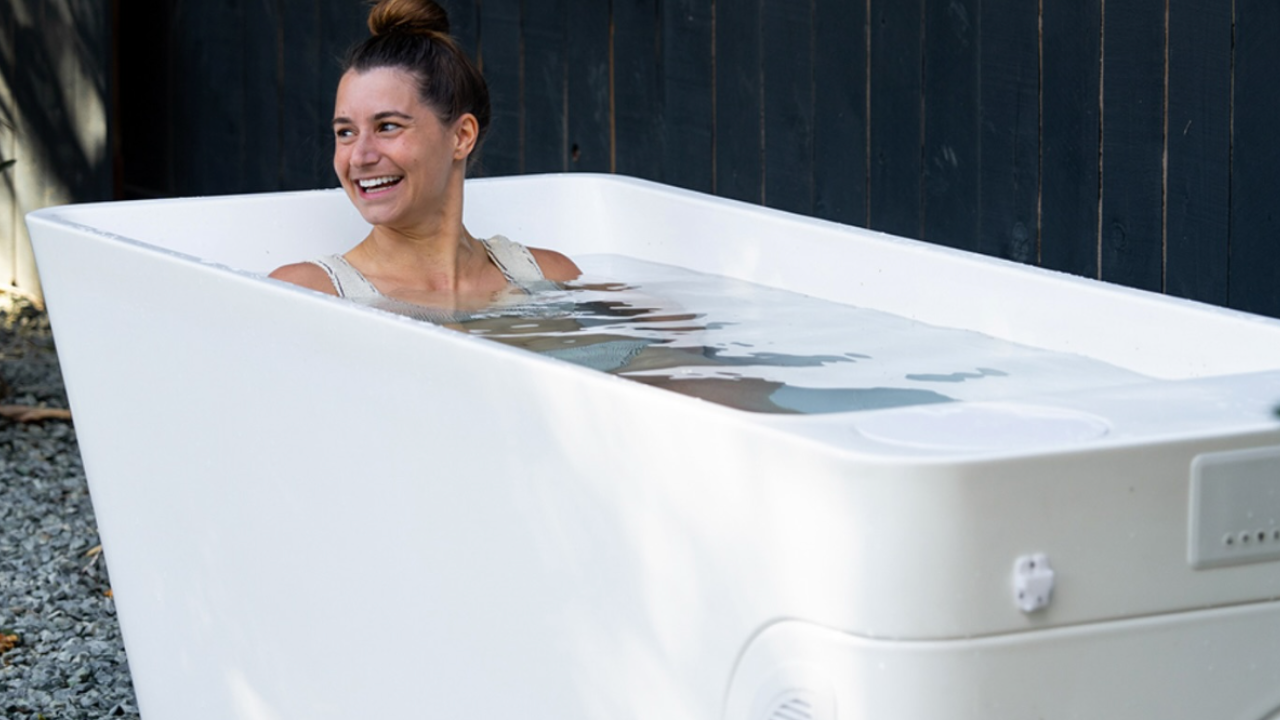
Cold plunge requires space, water management, and some level of ongoing maintenance. Even with more compact systems, it still becomes a defined part of the home.
It’s visible. It’s physical. It takes commitment to keep it running.
Red light therapy is easier to place.
Panels can be mounted, placed on stands, or positioned in smaller spaces. There’s no maintenance beyond basic use. Once it’s set up, it stays ready.
That difference affects how often each one is used.
A cold plunge might be used a few times a week with intention. A red light panel can be used more frequently because it doesn’t require the same level of preparation.
Which one makes more sense to start with
This usually comes down to personality and routine, not just goals.
If you respond well to intensity, structure, and clear physical feedback, cold plunge often feels more engaging. It creates a moment you can feel immediately.
If you prefer something that fits into your day without resistance, red light therapy tends to be easier to maintain. It doesn’t ask much from you, which is exactly why it gets used.
Some people start with one and add the other later. Not because one replaces the other, but because they serve different roles.
How they work together in real life
When both are used in the same routine, the contrast becomes more useful than the comparison.
Cold plunge creates a stress response that the body has to adapt to. Red light therapy supports recovery in the time around that stress.
One pushes. The other supports.
That combination is why they often appear together in more structured home recovery setups, rather than being treated as alternatives.
Cold plunge and red light therapy aren’t competing tools.
They’re different ways of interacting with the body.
One is immediate, intense, and hard to ignore. The other is quiet, consistent, and easy to keep using.
Most people don’t end up choosing between them based on what they do in theory. They choose based on what they’re willing to repeat in real life.
Looking at systems like Mito Light or BlockBlueLight for red light therapy, alongside structured cold plunge setups, makes that difference easier to picture. Not in terms of which one is better, but in how each one would actually sit inside a normal week at home.
And that’s usually where the decision becomes clear.