Why Passive Recovery Matters
Modern fitness culture celebrates intensity. We push harder in our workouts, but our recovery time has not kept pace. This creates a significant gap where progress can stall and injuries can occur. Strategic recovery methods are essential to bridge this divide, and this is where passive recovery techniques come into play.
Unlike active recovery, which involves light physical activity like jogging or stretching, passive recovery supports the body’s healing processes without requiring any effort from you. Think of it as providing your body with the optimal conditions to repair itself. When you exercise, you create microscopic tears in your muscle fibers. The body’s natural repair process is what makes these muscles stronger, but it often comes with inflammation and soreness.
Passive recovery techniques are tools designed to help manage these side effects. They work to reduce soreness and control inflammation, allowing your body to rebuild more efficiently. For busy individuals who need to recover effectively without dedicating more time to physical activity, these methods are incredibly valuable. This article will explore the science behind key passive modalities and show you how to use them for the best results.
The Science of Muscle Repair
To understand how to speed up muscle recovery, we first need to look at what happens inside our bodies after a tough workout. The soreness you feel is a result of exercise-induced muscle damage (EIMD), which describes the microscopic tears in muscle fibers. While it sounds alarming, this damage is a necessary signal that tells your body to rebuild the muscle stronger than before.
This signal triggers an inflammatory response. It’s helpful to think of inflammation as a construction crew arriving at a worksite. It’s an essential part of the rebuilding process, bringing in the necessary cells and nutrients to clear out damaged tissue and start repairs. However, too much chaos on the site, or excessive inflammation, can slow down the project and cause significant pain, known as delayed onset muscle soreness (DOMS).
The goal of passive recovery is not to eliminate inflammation entirely, as it is a critical signal for muscle adaptation. This point is underscored by research in publications like Current Sports Medicine Reports, which examines how recovery strategies interact with these biological processes. Instead, the aim is to modulate the inflammatory response, ensuring the repair process is efficient and controlled. By managing this cellular stress, we help our cells perform their repair functions more effectively, leading to faster and more comfortable recovery.
Cold Water Immersion for Peak Performance
Cold water immersion (CWI) is one of the most well-known passive recovery methods, and for good reason. Its effectiveness is rooted in a simple physiological response, but its application requires a bit of strategy.
The Mechanism: Vasoconstriction and Inflammation Control
When you submerge your body in cold water, your blood vessels constrict, a process called vasoconstriction. This narrowing of the vessels helps flush metabolic byproducts, like lactic acid, from your muscle tissues. It also reduces swelling and dampens the inflammatory response, which directly mitigates the soreness you feel after an intense session.
The Protocol: Temperature and Timing
For effective results, the generally accepted protocol is to spend 10 to 15 minutes in water between 50–59°F (10–15°C). Consistency within this range is more important than pushing for colder temperatures, which can be counterproductive. Fortunately, the rise of high-quality at-home systems has made implementing CWI easier than ever, with a range of our cold plunge tubs designed for personal use.
Strategic Application: When to Use a Cold Plunge After a Workout
Here is where nuance is critical. Because a cold plunge after a workout can blunt the inflammatory signals necessary for muscle growth (hypertrophy), it should be used strategically. If your primary goal is to build muscle size and strength, you may want to avoid an ice bath immediately after your lifting session. Instead, CWI is ideal for recovery after intense endurance events, during multi-day competitions, or on recovery days between heavy lifting sessions to manage soreness without compromising your gains.
Red Light Therapy for Cellular Energy

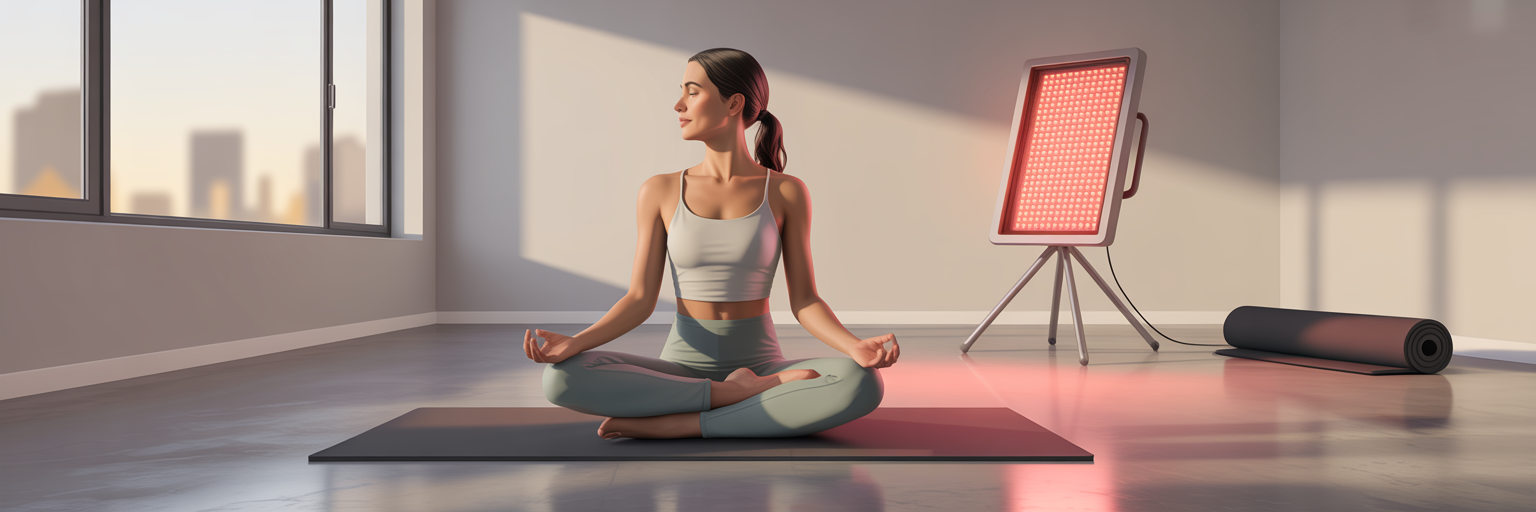
While cold therapy works by constricting blood vessels, red light therapy (RLT) takes a completely different approach, working at the cellular level to energize the repair process. Also known as photobiomodulation, it uses specific wavelengths of light to support recovery.
How Red Light Therapy Works
Think of your mitochondria as the tiny batteries inside each of your cells. During RLT, specific wavelengths of red and near-infrared light penetrate the skin and are absorbed by these mitochondria. This absorption helps boost the production of adenosine triphosphate (ATP), which is the primary energy currency of the cell. By essentially "charging" these cellular batteries, RLT provides your cells with the energy they need to carry out their repair functions more efficiently.
Benefits for Muscle Recovery
The benefits of red light therapy for muscles are well-documented. It helps reduce inflammation, lessens exercise-induced muscle damage, and can lead to a faster return of strength after a strenuous workout. One of its key advantages is its versatility. You can use it before a workout to prime the muscles for activity or afterward to accelerate the recovery process. This makes it a highly versatile tool, and modern red light therapy panels are designed for convenient at-home application.
A Key Contrast with Cold Immersion
Here is a crucial distinction for anyone serious about their training: unlike cold water immersion, red light therapy does not appear to blunt muscle protein synthesis. This means you can use it daily, even immediately after a strength training session, without worrying about interfering with your muscle-building goals. This makes it a safe and effective option for consistent use on days focused on building strength and size.
PEMF Therapy for Systemic Restoration
Pulsed Electromagnetic Field (PEMF) therapy is another advanced technology that supports recovery, but its focus is less on acute muscle repair and more on systemic, whole-body restoration. It uses low-frequency, gentle electromagnetic fields to help recharge your cells and create an internal environment conducive to healing.
The primary PEMF therapy benefits for recovery are tied to its influence on the nervous system and sleep. The gentle pulses help shift your body into a parasympathetic state, which is the "rest and digest" mode where healing occurs. This deep relaxation can support joint comfort and, most importantly, enhance sleep quality. The science behind how these gentle pulses interact with the body is fascinating, and understanding what is PEMF therapy can help clarify its role in a wellness routine.
The connection between sleep and recovery cannot be overstated. Deep sleep is when your body performs the majority of its repair work, from regulating hormones to rebuilding tissue. By promoting a state of calm and reducing systemic stress, PEMF therapy creates the ideal conditions for a truly restorative night. Its best application is often as part of an evening wind-down routine. Using a PEMF mat for 20 to 30 minutes while reading or meditating can prepare your body for deep sleep, indirectly but powerfully supporting your muscle recovery goals.
Integrating Recovery into Your Routine

With several powerful modalities available, the question becomes: which one should you use and when? The best strategy is not a one-size-fits-all approach but involves selecting at-home recovery tools based on your specific training goals for the day.
Here are a few examples of how you can "stack" these techniques for optimal results:
- On a Strength Day: Use red light therapy for 10 minutes before your workout to prime muscles. In the evening, use a PEMF mat to enhance sleep and support systemic recovery.
- On an Endurance Day: After a long run or bike ride, use a cold plunge for 10-15 minutes to manage inflammation and reduce soreness.
- On a Rest Day: Use a PEMF mat anytime during the day to reduce stiffness and promote a state of deep relaxation.
To make this even clearer, here is a sample weekly schedule:
| Day | Workout | Recommended Passive Recovery Protocol |
|---|---|---|
| Monday | Strength Training (Upper Body) | 10 min Red Light Therapy (pre-workout); 20 min PEMF Mat (evening) |
| Tuesday | Cardio (30-45 min Run) | 10 min Cold Plunge (post-workout) |
| Wednesday | Strength Training (Lower Body) | 10 min Red Light Therapy (pre-workout); 20 min PEMF Mat (evening) |
| Thursday | Active Recovery (Light Walk/Yoga) | 20 min PEMF Mat (anytime for relaxation) |
| Friday | Full Body Strength Training | 10 min Red Light Therapy (pre-workout); 20 min PEMF Mat (evening) |
| Saturday | Long Endurance (Bike/Hike) | 15 min Cold Plunge (post-workout) |
| Sunday | Rest Day | Focus on sleep, nutrition, and hydration. |
Remember, consistency is more important than duration. Short, daily sessions are often more effective than one long, infrequent session.
Foundational Pillars of Recovery
While technology is a powerful accelerator, it is essential to remember that it cannot replace the fundamentals of good health. The tools discussed in this article are designed to supplement and enhance your body's natural processes, not bypass them. To achieve long-term progress, you must prioritize these non-negotiable pillars:
- Sleep: Aim for 7 to 9 hours of quality sleep per night. This is when the majority of tissue repair, hormone regulation, and memory consolidation occurs. No recovery tool can make up for a lack of sleep.
- Nutrition: Your body needs fuel to rebuild. Adequate protein intake provides the essential amino acids, or building blocks, for muscle repair, while carbohydrates replenish the energy stores you used during your workout.
- Hydration: Every cellular function in your body depends on proper hydration. It is critical for transporting nutrients to your cells and flushing metabolic waste from your system.
Think of these at-home recovery tools as powerful allies. They optimize your body's natural healing capabilities and help you get more from your hard work in the gym. Building a solid recovery foundation is an ongoing process, and our blog offers further insights into optimizing your wellness journey.