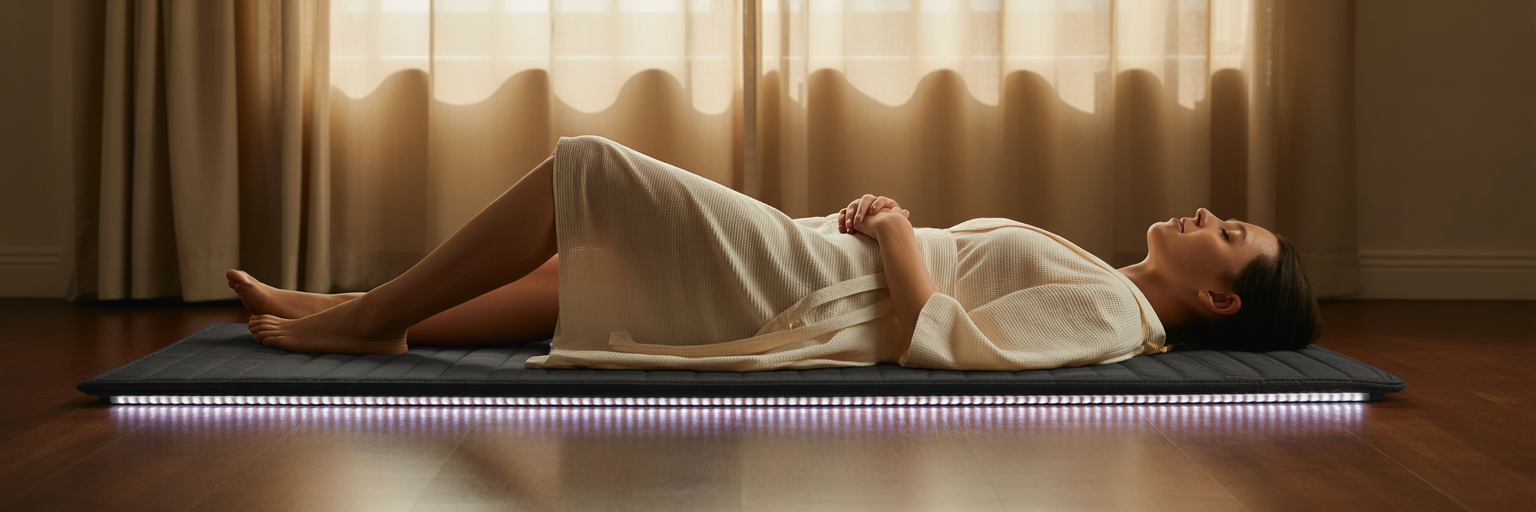
The Modern Challenge of Restorative Sleep
There is a distinct and frustrating paradox in modern sleep. You can follow all the conventional advice, securing a full eight hours in bed, yet still wake up feeling as though you have barely rested. This experience is not a failure to get enough sleep, but a failure to achieve truly restorative sleep. The problem often lies not in the duration of your rest, but in its quality, a challenge that has led many to explore technologies like PEMF therapy mats. To understand why this happens, it helps to think about your body’s internal regulatory system, the autonomic nervous system, as having two primary modes of operation, much like a car.
One mode is the sympathetic nervous system, your body’s accelerator. This is the "fight-or-flight" response that primes you for action. It increases heart rate, tenses muscles, and sharpens focus to deal with perceived threats. The other mode is the parasympathetic nervous system, your body’s brake. This is the "rest-and-digest" state, where the body slows down, repairs tissue, and conserves energy. For deep, restorative sleep to occur, your body must be able to smoothly transition from the accelerator to the brake. However, modern life has a way of keeping a foot firmly on the accelerator. Constant screen time, unending work notifications, and a steady stream of information create a low-grade, chronic state of alert. This leaves you feeling physically and mentally "wired" at the end of the day. Your mind races with thoughts, a subtle tension lingers in your shoulders and jaw, and your body simply refuses to downshift. This physiological roadblock prevents you from entering the deep sleep stages where true recovery happens. What if you could give your body a clear, gentle signal to ease off that accelerator and engage the systems designed for profound repair?
How PEMF Therapy Mats Support Natural Relaxation
This is where Pulsed Electromagnetic Field (PEMF) therapy comes in, offering a way to communicate with your body in a language it already understands. At its core, PEMF technology is not an aggressive intervention. Instead, it works by emitting low-frequency electromagnetic fields that are similar in nature to the frequencies found in the natural world, such as the Earth's own magnetic field, often referred to as the Schumann Resonance (approximately 7.83 Hz). This familiarity is key to how the body responds. When you lie on a PEMF mat, these gentle, rhythmic pulses pass through your body, interacting with your cells. The mechanism can be understood by thinking of your cells as tiny, rechargeable batteries. Over the course of a stressful day, these cells can become depleted. The fields generated by the mat help to restore their electrical potential, essentially "recharging" them. This process, known as cellular resonance, helps optimize their natural functions, from energy production to waste removal.
While the science can become complex, the fundamental concept is one of cellular optimization. The most significant of the pulsed electromagnetic field therapy benefits is its influence on the nervous system. By supporting cellular health and promoting a state of equilibrium, PEMF therapy helps guide the body out of that persistent sympathetic "fight-or-flight" state. It acts as a gentle nudge, encouraging the nervous system to apply the brakes and shift into the parasympathetic "rest-and-digest" mode. This transition is the non-negotiable prerequisite for deep relaxation and the onset of sleep. Rather than forcing the body into a state of rest, a PEMF mat enhances its innate ability to find balance. It helps create the internal conditions necessary for your body to initiate its own powerful recovery cycles, making it easier to unwind, fall asleep, and stay asleep. For those wanting to explore this further, understanding what PEMF therapy is provides a deeper foundation.
The Link Between Cellular Function and Sleep Quality
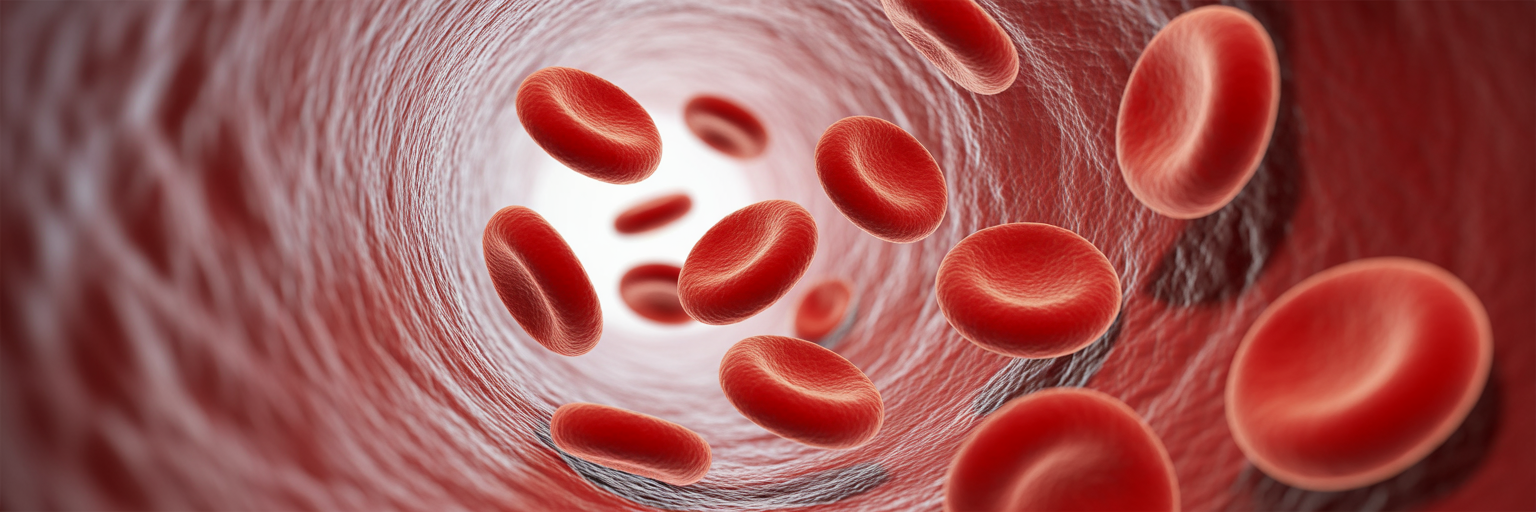
The connection between this cellular recharging and your ability to improve sleep quality goes even deeper, extending to the circulatory system. High-quality sleep is not a passive state of unconsciousness, it is an active biological project where your body performs its most critical maintenance. For this project to succeed, your cells need a robust supply chain. This is where PEMF therapy’s influence on microcirculation becomes so important. The gentle energy from the mat can encourage vasodilation, which is the widening of small blood vessels and capillaries. You can visualize this as upgrading your body’s narrow, congested country lanes into wide, free-flowing highways. This enhanced circulatory network allows for a more efficient delivery of oxygen and essential nutrients to every cell in your body.
Simultaneously, this improved flow accelerates the removal of metabolic waste products that accumulate in tissues throughout the day. When your cells are properly nourished and cellular waste is efficiently cleared, your body can more effectively manage systemic inflammation and quiet the low-level stress signals that disrupt rest. This process creates a profound sense of physical calm that serves as the foundation for truly restorative sleep. It’s the difference between simply being unconscious and being in a state of deep, productive repair. Your body is no longer fighting to get the resources it needs, it is fully equipped to perform its nightly work. This is why some people find that using a PEMF mat helps them not only fall asleep faster but also wake up feeling genuinely refreshed and free from the aches and stiffness that can accompany poor-quality rest. While different technologies approach this from various angles, as seen in a comparison of PEMF mats and infrared sauna blankets, the goal remains the same: to create an internal environment where the body can effectively heal itself.
Optimizing Your Routine for Deeper Sleep
Understanding the science is one thing, but effectively integrating a PEMF mat into your life is what produces tangible results. The key is to approach it as a consistent practice, much like meditation or stretching, rather than a sporadic intervention. For those new to the technology, a structured approach can help your body acclimate and allow you to gauge its effects accurately. Here is a simple framework for how to use PEMF mat to support your sleep.
Start with Shorter Sessions: Your body needs time to adjust to the subtle energy of PEMF. Begin with sessions of 15 to 20 minutes. This is often enough to initiate a relaxation response without feeling overstimulated. You can gradually increase the duration as you become more comfortable.
Focus on Timing: The most effective time to use a PEMF mat for sleep is in the evening, as part of a dedicated wind-down ritual. Using the mat 30 to 60 minutes before bed helps signal to your body and mind that it is time to transition from the activity of the day to a state of rest.
Select the Right Frequencies: Most advanced PEMF mats allow you to choose specific frequencies. For sleep, you want to select frequencies that mirror your brain's natural brainwave patterns during rest. The theta range (4–8 Hz) is associated with deep relaxation and the early stages of sleep, while the delta range (0.5–4 Hz) is linked to the deepest, most restorative stages of sleep.
Embrace Consistency: The benefits of PEMF therapy are cumulative. A single session can be relaxing, but consistent daily use is what helps retrain your nervous system and produces lasting improvements in sleep quality. Commit to using it every evening for several weeks to truly assess its impact on your rest and daytime energy levels.
To make this more concrete, here is a sample protocol you could follow:
| Week | Session Duration | Frequency Focus | Notes |
|---|---|---|---|
| Week 1 | 15-20 Minutes | Theta Range (4-8 Hz) | Focus on consistency. Use daily before bed. |
| Week 2 | 20-30 Minutes | Theta Range (4-8 Hz) | Notice how your body feels upon waking. |
| Week 3 | 30-45 Minutes | Delta/Theta Mix | Introduce lower delta frequencies for deeper rest. |
| Week 4 | Up to 60 Minutes | Delta Range (0.5-4 Hz) | Assess overall sleep quality and daytime energy levels. |
Beyond Sleep: Aiding Post-Exertion Recovery
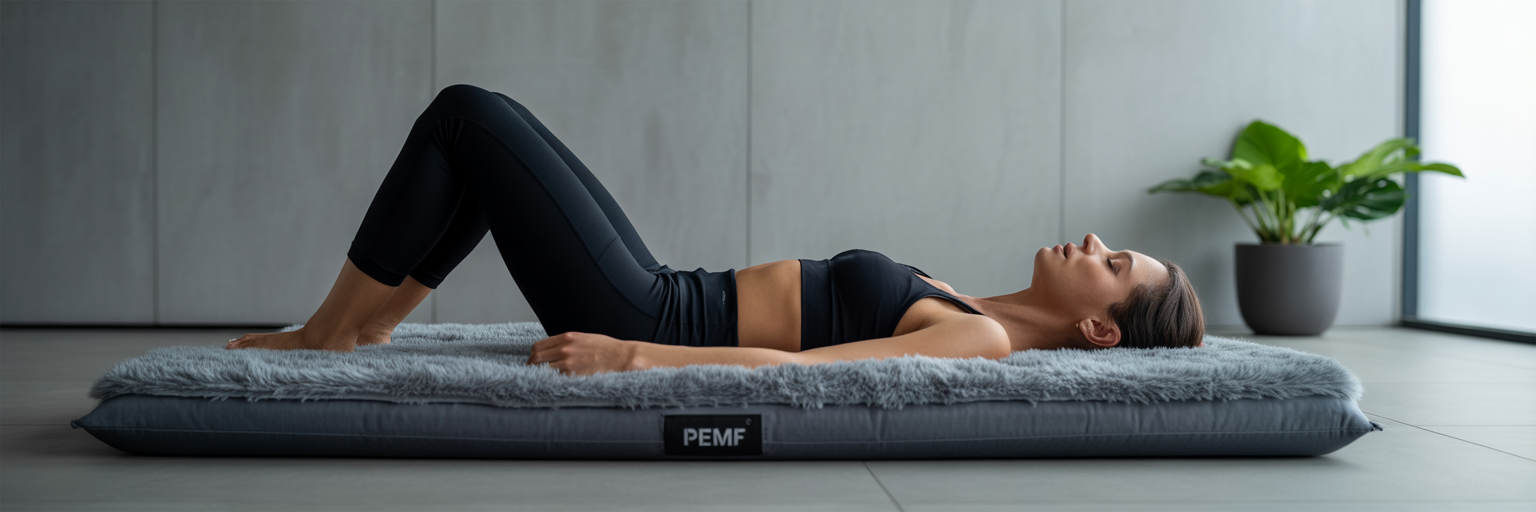
While the application of PEMF for sleep is a powerful one, the benefits of enhanced cellular function and improved circulation extend well beyond the bedroom. The same mechanisms that prepare your body for restorative rest are also fundamental to recovering from physical exertion. After a strenuous workout or a long day of physical activity, your muscles are in a state of micro-trauma and filled with metabolic byproducts like lactic acid. This is what leads to delayed onset muscle soreness (DOMS) and that feeling of fatigue and stiffness.
By promoting vasodilation, PEMF therapy helps your body more efficiently flush these waste products from muscle tissue while simultaneously delivering a fresh supply of oxygen and nutrients needed for repair. This can help reduce the intensity and duration of muscle soreness, allowing you to return to your activities sooner. This highlights the versatility of modern at-home recovery systems. The same device can be used in different ways to support a complete 24-hour recovery cycle. For instance, you might use a shorter session with a slightly higher frequency after a morning workout. Frequencies in the beta range (12–30 Hz) are often associated with alertness and focus, so a 20-minute session can help support energy and mental clarity without inducing drowsiness. Then, in the evening, you can switch to the lower delta and theta frequencies to address the day's accumulated systemic stress and prepare for deep sleep. This dual-use capability makes a PEMF mat a comprehensive tool for managing both acute physical stress from exercise and the chronic systemic stress of modern life. You can explore the different PEMF therapy mats available to see how they cater to these varied needs.
PEMF as Part of a Holistic Wellness Strategy
It is important to position PEMF therapy responsibly: it is a powerful and effective tool, but it is not a standalone miracle cure. Its effects are most profound when it is integrated into a holistic wellness strategy. The technology works by enhancing your body's natural processes, and those processes depend on a foundation of healthy habits. Think of PEMF as an amplifier. It can significantly boost your body's ability to rest and repair, but its impact is magnified when combined with other supportive practices. This includes maintaining good sleep hygiene, such as keeping your bedroom cool, dark, and quiet. It also means supporting your body with proper nutrition and staying adequately hydrated, as water is essential for the cellular functions that PEMF therapy influences.
While PEMF therapy is generally considered safe for most people, there are important precautions to consider. It is a supportive wellness tool, not a medical treatment. As a general guideline, you should always consult with a healthcare professional before beginning any new wellness routine, especially under the following circumstances:
If you have an implanted electronic device, such as a pacemaker or cochlear implant.
If you are pregnant.
If you have a history of seizures or are being treated for a serious medical condition.
Ultimately, taking control of your recovery is about being proactive. It involves understanding how your body works and identifying the tools and practices that can support its powerful, innate ability to heal. If you feel like you are constantly running on empty or that your sleep is no longer providing the restoration you need, it may be time to consider how a system like a PEMF mat could be integrated into your life. It offers a way to actively support your body's journey back to balance, helping you rest, repair, and recharge from the inside out. If you are ready to build a more comprehensive routine, learning where to start here can provide a clear path forward.