
More Than Just Muscle Recovery
For decades, the image of an athlete submerged in a tub of ice water has been a staple of sports recovery. This practice, known as cold plunge therapy, involves immersing the body in water between 39°F and 59°F. Its ability to reduce muscle soreness and inflammation is well documented and widely accepted. But what if the most profound effects of this chilling ritual have little to do with athletic performance? While its roots are in sports medicine, a growing body of research and firsthand accounts from the wellness community are revealing a much wider spectrum of advantages.
The conversation is shifting. We are beginning to see that the deliberate exposure to cold is not just a tool for elite athletes but a powerful practice for anyone seeking to improve their overall well-being. The accessibility of a modern at home cold plunge has made it easier than ever for people to explore these benefits for themselves. From sharpening mental focus to fortifying the body’s natural defenses, the full range of cold plunge therapy benefits extends far beyond the locker room.
This practice is now understood as a holistic tool that can influence everything from your mood to your metabolism. In this article, we will explore five significant and often unexpected benefits of cold water immersion that are available to everyone, regardless of their fitness level. It’s time to look past the post-game ice bath and see the cold plunge for what it truly is: a versatile instrument for a healthier life. You can explore a variety of at-home systems that make this practice accessible.
Benefit 1: Sharpen Your Mental Edge
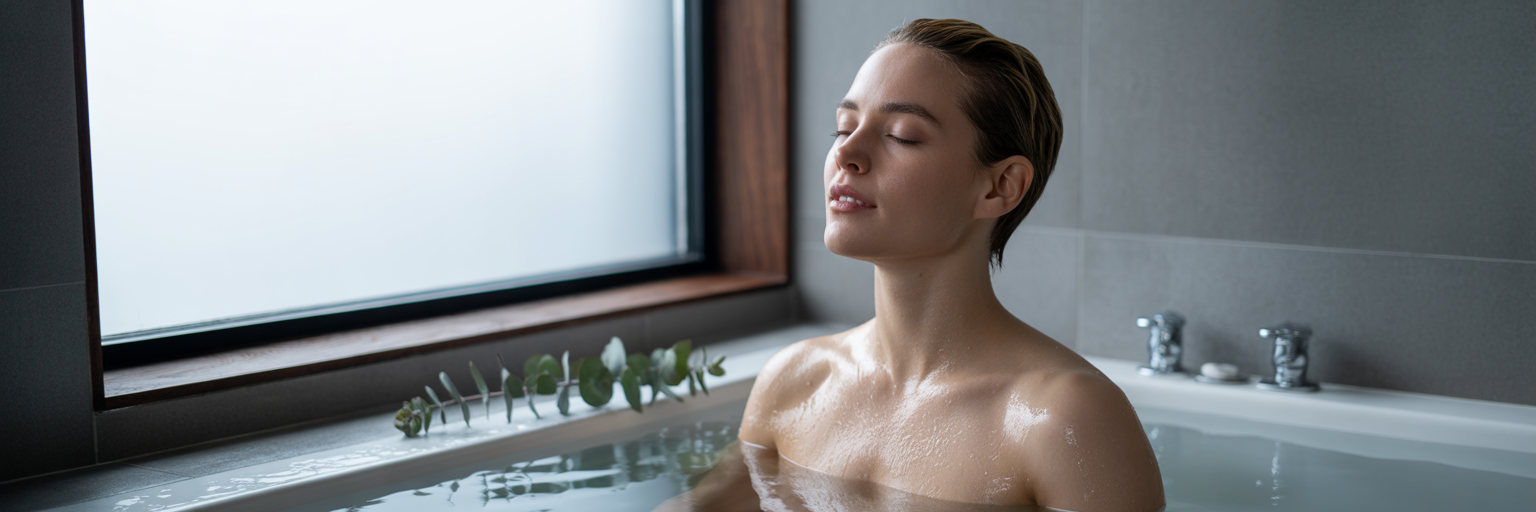
We’ve all experienced moments of mental fog, where focus feels distant and motivation is low. Cold water immersion offers a surprisingly effective and immediate way to cut through that haze. The moment your body hits the cold water, it experiences a harmless shock that activates the sympathetic nervous system, your body’s "fight or flight" response. This isn't just a feeling; it's a profound neurochemical event.
Research has shown that this brief, intense cold exposure can trigger a massive release of norepinephrine and dopamine. In fact, some studies indicate that immersion in cold water can increase plasma dopamine concentrations by 250% and norepinephrine by over 500%. These are not minor fluctuations. Norepinephrine is critical for focus, vigilance, and attention, while dopamine is the primary neurotransmitter associated with motivation, reward, and mood.
The result of this chemical cascade is a tangible shift in your mental state. The process is straightforward:
The initial cold shock triggers a powerful nervous system response.
Your brain is flooded with a significant release of norepinephrine and dopamine.
You experience a state of heightened focus, clear-headedness, and an elevated mood that can last for hours.
This makes cold water immersion mental health benefits more than just a feeling of being refreshed. It’s a biological reset that provides a potent, natural antidote to distraction and lethargy, leaving you feeling alert, engaged, and ready to take on the day’s challenges.
Benefit 2: Support Your Immune System
It might seem counterintuitive that exposing yourself to cold could strengthen your body's defenses against illness, but that’s exactly what the science suggests. The practice works on a principle known as hormesis, where a brief, manageable stressor stimulates the body to become stronger and more resilient. Think of a cold plunge as a workout for your immune system. This controlled stress can prompt your body to fortify its defenses over time.
Evidence indicates that consistent cold exposure may lead to an increase in key immune cells, including monocytes and lymphocytes, which are crucial for identifying and fighting off pathogens. As the Cleveland Clinic highlights in its review of the effects of cold plunges, the practice can stimulate leukocytes, the white blood cells that help fight off sicknesses. In one notable study, individuals who regularly practiced cold water immersion reported a 29% reduction in sickness-related absences from work compared to a control group.
While more research is always needed to fully understand the mechanisms, the existing data points toward a clear trend: you can help boost immune system with cold exposure. By making cold plunging a regular habit, you are not just enduring the cold; you are actively training your body to be more robust. This aligns with a broader understanding in modern science, where we are constantly discovering how intentional practices can influence our physiology in profound ways, a topic explored in discussions about the innovations of modern science.
Benefit 3: Enhance Your Skin's Vitality

Many people invest in complex skincare routines to achieve a healthy glow, but one of the most effective ways to support your skin’s vitality comes from within. Cold water immersion triggers a powerful circulatory response that can have visible aesthetic benefits. The process happens in two distinct phases.
First, upon entering the cold water, your body initiates vasoconstriction. This is the immediate tightening of blood vessels near the surface of your skin. This response helps to preserve core body heat, but it also has the welcome effect of reducing puffiness and inflammation. For anyone who wakes up with a puffy face or deals with minor skin irritation, this can lead to a visibly firmer and more toned appearance almost immediately.
The second phase occurs after you get out and your body begins to warm up. This triggers vasodilation, a "rebound" effect where the blood vessels expand. This causes a rush of fresh, oxygenated, and nutrient-rich blood to the skin. This increased circulation not only delivers vital nutrients but also helps flush out metabolic byproducts and free radicals that can contribute to a dull complexion. The result is a natural, healthy radiance that topical products alone often struggle to replicate. While it doesn't replace a good skincare routine, it complements it by improving the fundamental health of your skin from the inside out, similar to how other modalities like red light therapy at home work to support cellular health.
Benefit 4: Activate Your Metabolism
When we think about metabolism, we usually focus on diet and exercise. However, cold exposure introduces another powerful lever: the activation of brown adipose tissue (BAT), also known as brown fat. Unlike white fat, which primarily stores energy, brown fat’s main job is to burn calories to generate heat, a process called thermogenesis. It’s packed with mitochondria, the energy factories of our cells, which gives it its characteristic brown color.
Cold water immersion is one of the most effective ways to stimulate this metabolically active tissue. As MD Anderson Cancer Center explains, when your body is exposed to cold, it signals your brown fat to start burning fuel to warm you up. Research shows that consistent cold exposure can increase the amount and activity of brown fat, making your body more efficient at producing heat. This has significant long-term metabolic implications. By regularly activating your brown fat, you can potentially increase your daily caloric expenditure and improve your body's insulin sensitivity.
It’s important to maintain a balanced perspective. Cold therapy for metabolism is a powerful supporting tool, not a substitute for a healthy lifestyle. It won’t undo the effects of a poor diet or a lack of physical activity. However, when integrated into a wellness routine, it can help optimize your metabolic health by tapping into your body's innate ability to generate heat.
| Feature | White Adipose Tissue (WAT) | Brown Adipose Tissue (BAT) |
|---|---|---|
| Primary Function | Stores energy as large lipid droplets | Generates heat by burning calories |
| Mitochondria Content | Low | High (gives it the brown color) |
| Response to Cold | Provides insulation | Activates to produce heat (thermogenesis) |
| Metabolic Impact | Associated with metabolic disease when in excess | Associated with improved metabolic health |
This table highlights the fundamental differences between the two types of fat tissue in the human body, clarifying why activating brown fat through cold exposure is beneficial for metabolic health.
Benefit 5: Build Everyday Stress Resilience

While the immediate mental boost from a cold plunge is remarkable, the long-term benefits for stress management are even more compelling. This is where the concept of hormesis returns, but this time applied to your nervous system. By intentionally and repeatedly exposing yourself to the controlled stress of a cold plunge, you are essentially training your body’s stress response system to become more efficient and less reactive.
This practice helps regulate the hypothalamic-pituitary-adrenal (HPA) axis, which is the central command center for your body's reaction to stress. Each time you get into the cold water, you activate this system, and each time you use your breath to calm yourself and endure the cold, you are teaching it to return to a state of equilibrium more quickly. It’s like lifting weights for your psychological resilience.
Over time, this training translates directly into your daily life. You may find that you are better equipped to handle unexpected challenges and maintain your composure under pressure. The benefits include:
Improved emotional stability during a stressful workday.
A calmer, more measured response to sudden problems or conflicts.
An overall sense of being less overwhelmed by life’s demands.
As a secondary benefit, the strong temperature signal from a cold plunge can also help anchor your body’s circadian rhythms, which can lead to improved sleep quality. Better sleep further enhances your ability to manage stress, creating a positive feedback loop of resilience. For those ready to build this resilience, a high-quality system like our Plunge All-In Cold Plunge System provides a reliable way to practice at home.
Getting Started Safely and Effectively
Embracing cold plunge therapy can be a transformative addition to your wellness routine, but it’s essential to approach it with respect and awareness. The goal is consistency, not intensity. If you are a beginner, start with shorter durations of just 30 seconds to 2 minutes. You can also begin with warmer water, around 59°F (15°C), and gradually decrease the temperature as your body adapts.
A critical safety warning must be heeded: the initial cold shock causes a rapid increase in heart rate and blood pressure. For this reason, anyone with a pre-existing heart condition, high blood pressure, or respiratory issues should consult a physician before starting cold plunge therapy. Your safety is the top priority.
Finally, there is a crucial tip for those who incorporate strength training into their routine. Plunging immediately after a workout can interfere with the inflammatory response needed for muscle hypertrophy, potentially blunting your muscle-building signals. To get the recovery benefits without hindering your gains, it is best to wait at least four to six hours after your workout or, even better, use cold plunges on your rest days. This allows you to reap all the rewards without compromise. To continue learning about different recovery methods, you can explore more topics on our blog.