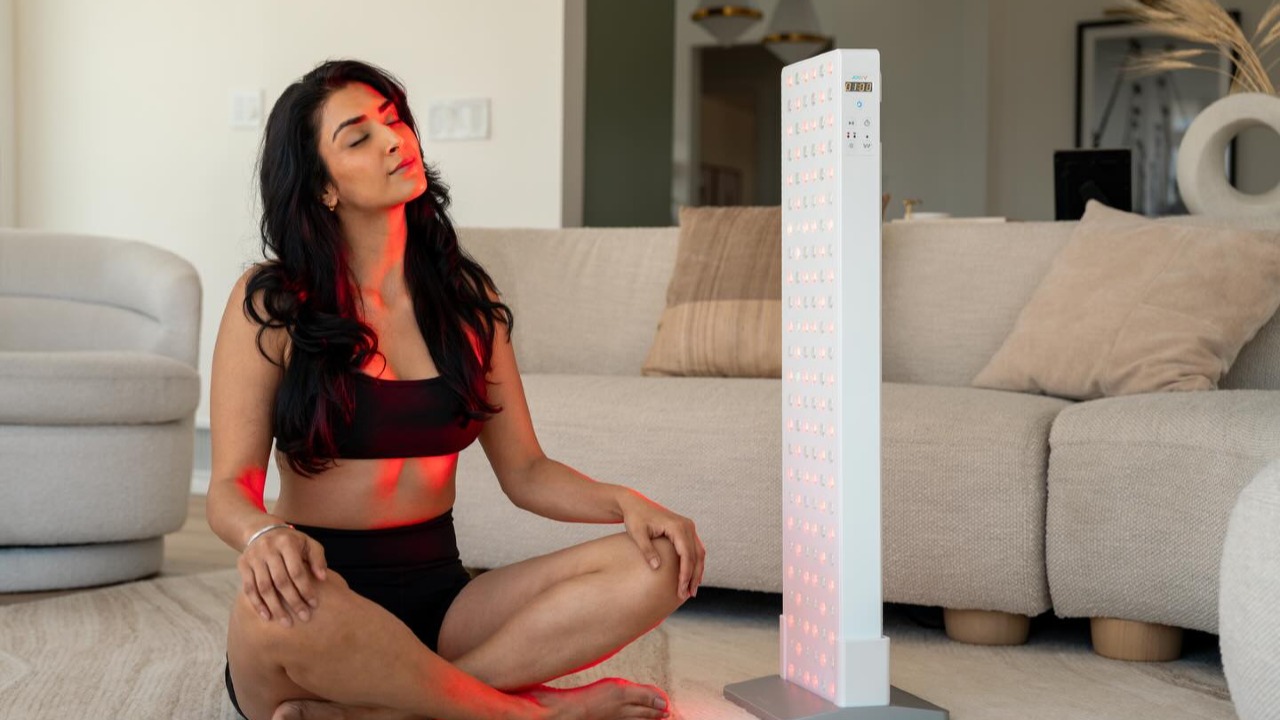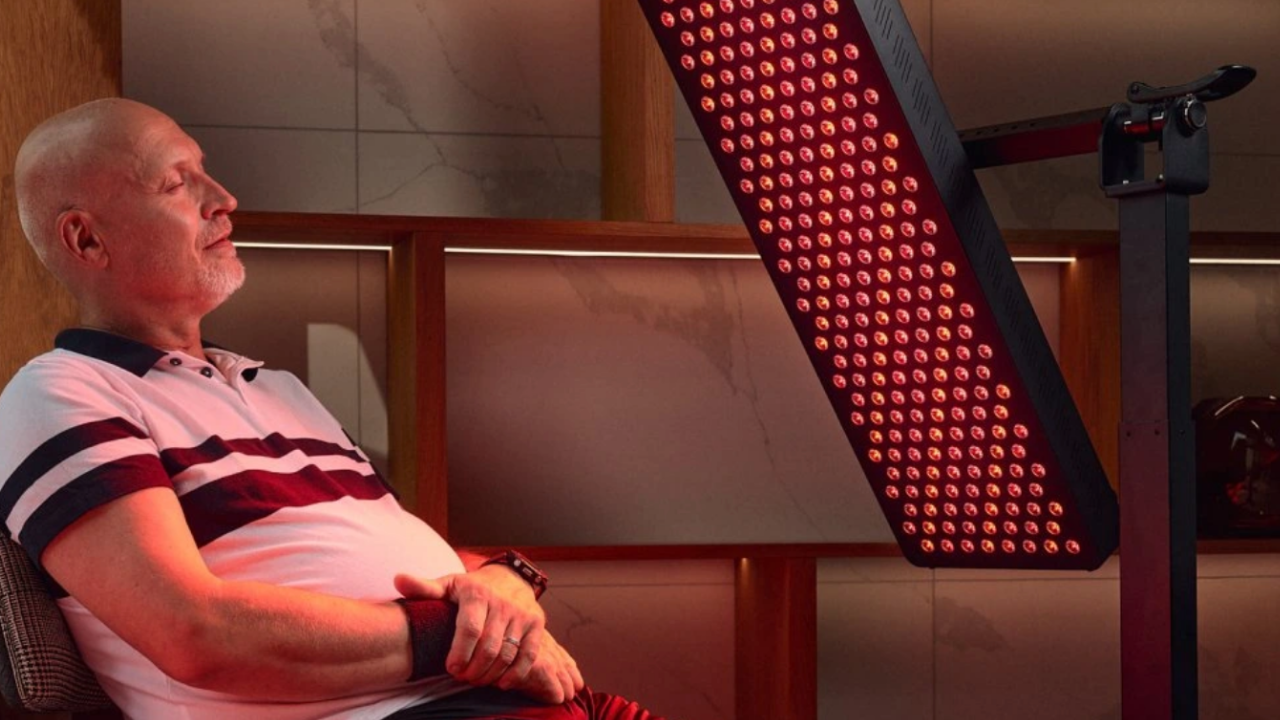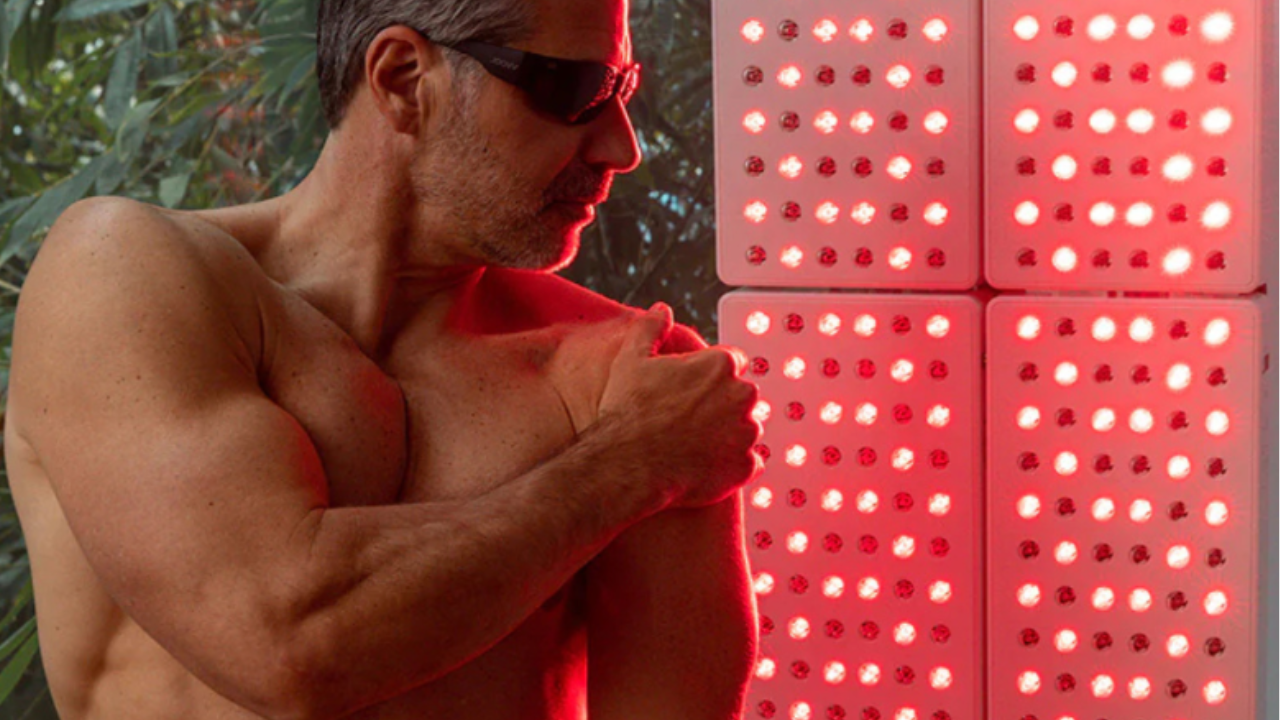
One of the first questions people ask once they start looking into red light therapy isn’t about the device. It’s about how often it should actually be used.
Not in theory, but in real life. How it fits into a week. Whether it’s something you do occasionally or something that needs to become part of a routine to matter.
That question matters more than it seems, because red light therapy doesn’t work as a one-off intervention. It works through repetition. The benefits people associate with it—skin support, recovery, reduced stiffness, more consistent healing—don’t come from a single session. They come from using it regularly enough that the body has time to respond.
Why consistency matters more than intensity
It’s easy to assume that longer sessions or more powerful panels would reduce how often you need to use red light therapy. In practice, that’s not how most people experience it.
What tends to matter more is consistency. Shorter sessions repeated several times a week usually produce more noticeable results than occasional long sessions that are difficult to maintain.
This is partly because of how the body responds over time. Red light therapy supports processes that build gradually rather than creating a strong, immediate reaction. There’s no single session that changes everything. Instead, it’s the accumulation that makes the difference.
That’s why frequency matters more than trying to “do more” in one sitting.
What a realistic weekly routine looks like
For most home users, red light therapy tends to fall into a range of three to five sessions per week. Some people use it daily, especially when sessions are short and easy to fit into existing routines.
The key is not hitting a perfect number. It’s finding a rhythm that actually holds.
A routine that works in theory but feels inconvenient rarely lasts. A shorter, simpler routine that fits naturally into the day is far more likely to stick, even if it looks less “optimal” on paper.
This is where the difference between smaller panels and larger systems starts to matter. If a setup requires repositioning or extended time, people tend to use it less frequently. If it’s easy to step into and use without thinking, consistency becomes much easier.
That’s one of the reasons mid-range panels from brands like Mito Light or BlockBlueLight often become part of regular home use. Not because they change how red light therapy works, but because they reduce the effort required to keep using it.
Morning, evening, or somewhere in between
There isn’t a single best time of day to use red light therapy, but patterns do tend to emerge.
Some people prefer morning sessions because they’re easier to anchor to an existing routine. It becomes part of the start of the day, similar to stretching or coffee. There’s less chance of it being skipped.
Others use it in the evening, particularly when the goal is to wind down or support recovery after physical activity. In that context, it sits more naturally alongside rest rather than activity.
What matters is less about timing and more about consistency. The best time is the one that keeps it from being forgotten.
When people start to notice changes
This is another area where expectations can get in the way.
Red light therapy doesn’t usually create a noticeable shift after one or two sessions. The changes tend to show up gradually. Skin texture improves over time. Muscle recovery feels more consistent. Stiffness becomes less noticeable.
Because the effects are subtle, they’re easy to miss early on. This is why many people stop too soon, assuming it isn’t doing anything.
The difference often becomes clearer after a few weeks of regular use, when patterns start to change rather than individual sessions standing out.
What happens when frequency drops
This is where routine becomes visible.
When red light therapy is used regularly, it tends to become part of the background of how the body feels. When use becomes inconsistent, that support fades quietly.
There’s no sharp drop-off, but over time, the small benefits that build up start to disappear. Recovery feels slightly slower. Stiffness returns. Skin changes plateau.
This doesn’t mean the system stops working. It means the pattern that made it effective is no longer there.
How it compares to other recovery systems
Red light therapy sits in a different position compared to other home recovery tools when it comes to frequency.
Cold plunge, for example, is usually used less often because of the intensity and preparation involved. Infrared sauna blankets might be used a few times a week depending on time and space. PEMF mats often sit closer to red light therapy in terms of passive, repeatable use.
The difference is that red light therapy tends to require less effort per session, which makes higher frequency more realistic for most people.
That’s part of why it often becomes a daily or near-daily habit, while other systems remain occasional.
What actually determines how often it gets used
In practice, frequency is less about guidelines and more about friction.
If a system is easy to access, already set up, and doesn’t require preparation, it gets used more often. If it requires planning, movement, or setup, frequency drops.
This is where home setup matters as much as the device itself. A panel that is already in place will always be used more than one that has to be taken out and put away each time.
The difference in use over a month or two is significant, even if the systems are technically similar.
Finding a rhythm that lasts
There isn’t a perfect schedule for red light therapy.
There is only a rhythm that holds.
For some people, that ends up being daily use because the sessions are short and easy to repeat. For others, it’s a few times a week anchored to specific moments in their routine.
What matters is that it continues. The benefits people are looking for come from repetition, not intensity.
Red light therapy at home works best when it stops feeling like something you have to remember to do.
It becomes something that fits into the day without resistance, whether that’s a few times a week or part of a daily routine. Systems like those from Mito Light or BlockBlueLight tend to be part of that conversation simply because they’re designed to make repeated use easier, not because they change the underlying concept.
In the end, how often you use it isn’t decided by a rule. It’s decided by whether it fits naturally into how your day already works.