
The Body's Response to Cold Water
The sight of athletes submerging themselves in ice baths has become a staple of post-game recovery rituals. This practice, known as cold water immersion, is more than a test of willpower; it is a method rooted in the body's powerful physiological responses to cold.
Cold plunge therapy involves immersing the body in water between 39-59°F (4-15°C). This is not just a cold dip, but a deliberate therapeutic process designed to trigger specific adaptations. The moment you enter the cold water, your body initiates an immediate, involuntary reaction. The first and most noticeable is vasoconstriction, where blood vessels in your extremities narrow. This is an intelligent survival mechanism, redirecting blood flow away from the skin and muscles and toward your core to protect vital organs.
Simultaneously, the cold shock activates the sympathetic nervous system, often called the "fight or flight" response. This activation is the catalyst for a cascade of hormonal and chemical changes that deliver the recovery benefits we seek. While the initial gasp and shock can feel intense, it is important to understand this is not a danger signal. Instead, it is the intended trigger that sets the stage for reduced inflammation and accelerated healing, making at-home cold therapy an accessible tool for proactive wellness.
How Cold Plunging Fights Inflammation
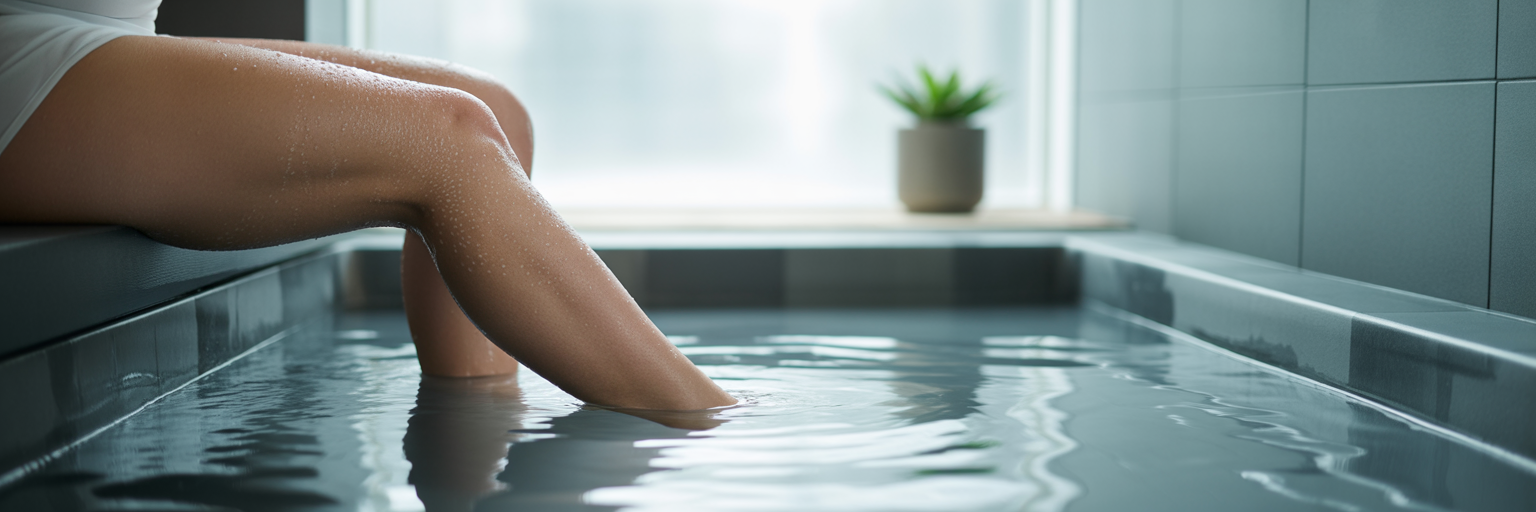
Building on that initial shock response, the benefits of cold plunging become clearer when we look at its effect on inflammation. After a tough workout, muscles experience micro-trauma, and the body’s natural repair process involves inflammation, which brings swelling and soreness. The vasoconstriction we just discussed plays a direct role here. By tightening blood vessels, cold water physically limits the space for inflammatory fluids to accumulate in muscle tissues, helping to control swelling before it becomes excessive.
The impact goes even deeper, down to the cellular level. As noted by health experts at Cleveland Clinic, cold exposure can lower the levels of pro-inflammatory cytokines, which are proteins that signal and promote inflammation. This means a cold plunge can help dial down the body’s inflammatory signals, allowing the healing process to proceed more efficiently. The goal is not to eliminate inflammation entirely, as it is a necessary part of healing. Instead, the aim is to manage the acute response to prevent it from becoming chronic or excessive.
This makes cold plunging a powerful, non-pharmaceutical method to reduce inflammation naturally. It gives you a way to actively manage your body’s recovery process. While cold therapy is highly effective, it is just one of several tools available for recovery. Understanding how it compares to other methods, such as heat therapy, can help you build a comprehensive wellness routine. For instance, exploring the differences between a cold plunge and an infrared sauna reveals how each modality offers unique benefits for managing inflammation and promoting healing.
Easing Muscle Soreness and Aches
While managing systemic inflammation is a key benefit, many people turn to cold plunges for a more immediate reason: to relieve the familiar ache of sore muscles. This pain, known as Delayed-Onset Muscle Soreness (DOMS), typically appears 24 to 48 hours after an intense workout and is caused by microscopic tears in muscle fibers. A cold plunge for muscle recovery tackles this discomfort through several distinct mechanisms.
First, cold water has a direct analgesic, or pain-relieving, effect. The cold temperature slows the speed at which your nerves send pain signals to the brain. Think of it like applying an ice pack to a swollen ankle. The numbing sensation provides immediate, though temporary, relief from the sharpest aches. This can make the day or two after a hard training session much more comfortable.
Beyond just numbing the pain, cold immersion helps with what is often called "metabolic flushing." During the plunge, blood vessels constrict. After you get out and start to warm up, they dilate, causing a rush of fresh, oxygenated blood back into the muscles. This enhanced circulation helps clear out metabolic byproducts like lactate that can accumulate during exercise and contribute to fatigue and soreness. By combining these effects, a cold plunge not only reduces the perception of pain but can also shorten the duration of muscle soreness. For those ready to experience these benefits, exploring our range of at-home cold plunge tubs is a great place to start.
| Mechanism | How It Works | Primary Benefit |
|---|---|---|
| Vasoconstriction | Tightening of blood vessels in muscles | Reduces immediate swelling and fluid buildup |
| Analgesic Effect | Slows the speed of nerve pain signals | Provides immediate, temporary pain relief (numbing) |
| Metabolic Flushing | Post-plunge vasodilation enhances blood flow | Helps clear metabolic waste associated with fatigue |
This table summarizes the key physiological actions that contribute to reducing muscle soreness after a cold plunge. Each mechanism targets a different aspect of post-exercise discomfort.
The Mental Boost from Cold Exposure
The effects of a cold plunge extend far beyond just physical recovery. The same physiological shock that helps your muscles also provides a significant mental reset. When your body hits the cold water, it triggers a massive release of the neurotransmitter norepinephrine. This chemical is central to focus, mood, and alertness.
This surge of norepinephrine explains why so many people report feeling incredibly sharp and energized for hours after a plunge. It is a clean, natural boost in mental clarity that coffee can't quite replicate. Alongside this, the brain releases dopamine, the neurotransmitter associated with motivation and reward. That feeling of accomplishment and well-being you get after pushing through the initial discomfort is your brain’s reward system kicking in.
Over time, this practice becomes a powerful tool for building mental resilience. By willingly and repeatedly embracing a controlled stressor, you are training your nervous system to better handle everyday challenges. You learn to stay calm and breathe through discomfort, a skill that translates directly to managing stress at work or at home. This transforms the cold plunge from a simple recovery tool into a holistic wellness practice for both mind and body. To discover more ways to enhance your well-being, you can explore the topics on our blog.
When to Reconsider Your Cold Plunge
While cold plunging offers powerful benefits, it is not always the right tool for every person or every situation. Providing a balanced perspective is key, and there are important nuances to consider, especially regarding timing and pre-existing health conditions. For athletes focused on hypertrophy, or muscle growth, the timing of a cold plunge matters. The inflammatory process, while causing soreness, is also a vital signal that tells your muscles to repair and grow stronger. Research suggests that the anti-inflammatory effect of immediate cold water immersion can interfere with protein synthesis, a key process for hypertrophy, as detailed in various sports medicine studies.
So, what does this mean in practice? If your primary goal is building muscle mass, it is best to wait at least four to six hours after a resistance training workout before taking a cold plunge. Alternatively, you can save your plunges for rest days to focus purely on recovery without blunting your training adaptations. For those times when a cold plunge isn't ideal, other modalities can support recovery. For example, understanding what PEMF therapy is can provide an excellent, non-invasive alternative.
Most importantly, there are crucial cold plunge safety tips to follow. Individuals with certain medical conditions should exercise extreme caution.
Cardiovascular Conditions: The sudden change in heart rate and blood pressure can be dangerous for those with heart disease or hypertension.
Respiratory Issues: The initial cold shock can cause an involuntary gasp reflex, which could be risky for individuals with conditions like asthma.
Circulatory Disorders: People with Raynaud's syndrome or other peripheral vascular diseases may experience severe reactions to cold.
A Beginner's Guide to Your First Plunge
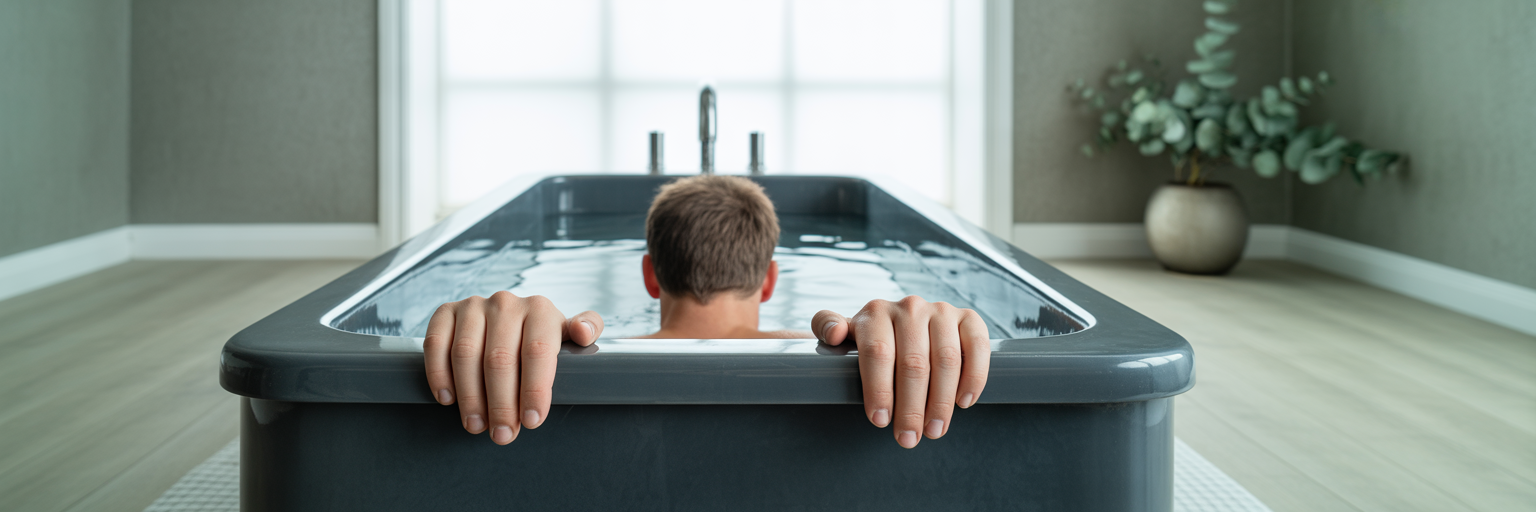
The idea of submerging yourself in icy water can be intimidating, but a gradual approach makes it manageable and safe. Instead of jumping into the deep end, think of it as a skill you can build over time. Here is a simple, step-by-step guide on how to use a cold plunge tub for the first time.
Start with Cold Showers: Before you even think about a tub, spend a week acclimating your body. End your daily warm shower with 30 to 60 seconds of the coldest water you can tolerate. This helps your nervous system get used to the initial shock.
Set a Manageable Temperature and Time: For your first plunge, you do not need to be a hero. Set the water temperature to a more moderate 50-59°F (10-15°C). Aim to stay in for just one to two minutes. Consistency is far more important than intensity when you are starting out.
Focus on Your Breath: The most powerful tool you have is your breath. When you get in, your body will want to gasp and tense up. Your job is to override that instinct. Focus on taking long, slow, controlled exhales. This signals to your nervous system that you are safe and helps you remain calm.
As you prepare, remember a few non-negotiable safety rules. These are especially important when you are new to the practice.
Never Plunge Alone: Have someone nearby, especially for your first few sessions.
Ensure an Easy Exit: Make sure you can get out of the tub quickly and safely without assistance.
Listen to Your Body: If you start to feel dizzy, lightheaded, or excessively numb, get out immediately. The goal is therapeutic stress, not genuine danger.
By following these steps, you can make your first experience a positive one. A user-friendly option like The Ice Pod is perfect for beginners, offering an accessible way to start your journey.
Building a Consistent and Effective Routine
Once you have conquered your first few plunges, the focus shifts to building a sustainable routine. The true cold water immersion benefits come from consistency, not from pushing yourself to the limit in a single session. So, what does an effective routine look like?
Emerging research points to a specific, achievable target: aim for a cumulative total of 11 minutes of cold exposure per week. This does not mean you need to do one grueling 11-minute session. A much more practical approach is to break it down into two to four sessions throughout the week. For example, three sessions of roughly four minutes each would easily meet this goal. This makes the practice feel less daunting and easier to fit into a busy schedule.
What you do after the plunge is just as important as the plunge itself. It might be tempting to jump straight into a hot shower, but this can counteract some of the metabolic benefits. Instead, allow your body to re-warm naturally. Dry off, put on warm clothes, and move around gently. This forces your body to generate its own heat, which is a valuable adaptive response.
Ultimately, remember that consistency trumps intensity. Regular, manageable sessions are the key to unlocking the cumulative benefits for both physical recovery and mental clarity. It is about creating a lasting habit that supports your overall well-being.