Understanding Cold Water Immersion
For decades, athletes have ended grueling workouts by sinking into tubs filled with ice and water. This ritual, born from a simple understanding that cold reduces swelling, has long been the standard for managing muscle soreness. But as our understanding of recovery has deepened, so have the tools we use. Today, the conversation has shifted from just using cold to using it with precision.
At the heart of this discussion are two distinct methods. The traditional ice bath is a manual, do-it-yourself approach. It involves filling a standard bathtub or barrel with water and adding bags of ice until it feels cold enough. It’s accessible and straightforward, but its effectiveness relies heavily on guesswork.
In contrast, the modern cold plunge is a self-contained, technologically advanced system. These units come with integrated cooling that chills the water to a precise temperature and filtration that keeps it clean. While both methods share the same therapeutic goal of using cold therapy for inflammation and triggering beneficial physiological responses, they are fundamentally different in practice. Exploring our range of advanced cold plunge tubs shows just how far this technology has come.
The choice between them isn't just about preference. It comes down to critical differences in convenience, temperature consistency, and long-term cost. Understanding these distinctions is the first step toward finding the right solution for your recovery goals.
Temperature Control and Consistency
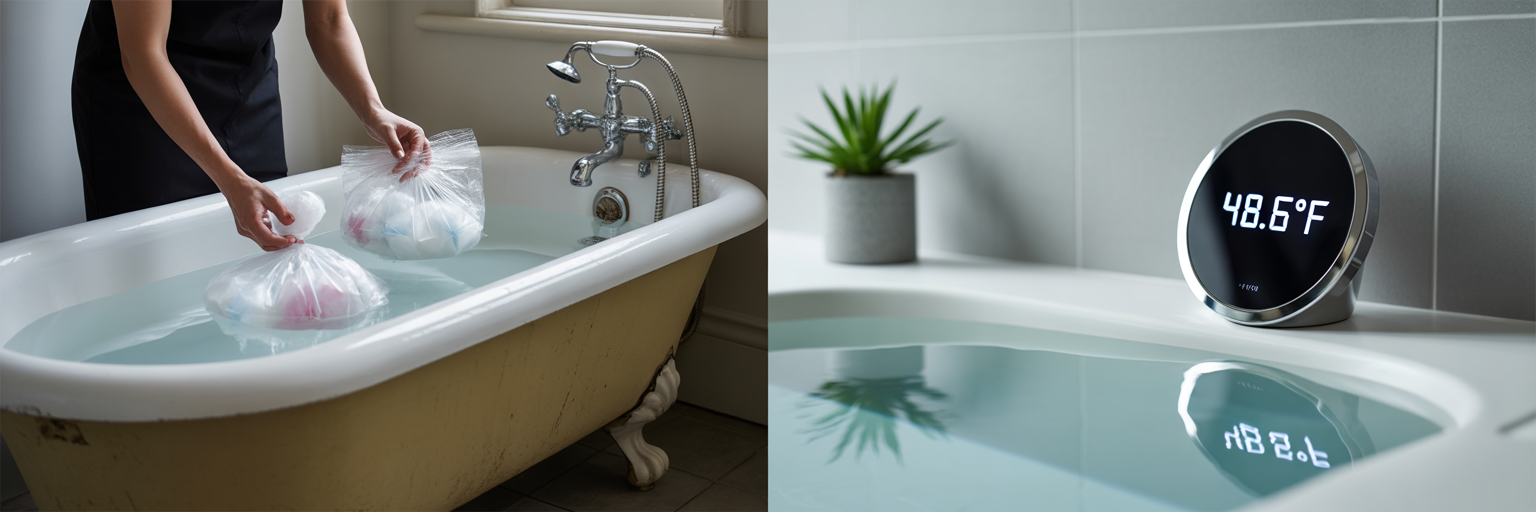
Anyone who has tried a traditional ice bath knows the experience can be unpredictable. You add ice, the water gets shockingly cold, and then it slowly warms up. This constant fluctuation is the primary drawback of the method. The temperature is a moving target, making it difficult to achieve a consistent therapeutic effect.
Scientific research points to a specific therapeutic window for cold water immersion, generally between 39°F and 55°F (4°C to 13°C). Within this range, the body receives the intended benefits without being subjected to excessive stress. An ice bath can easily fall outside this window. If it’s too warm, you miss out on the anti-inflammatory benefits. If it’s too cold, the shock can be counterproductive and even unsafe.
This is where the cold plunge vs ice bath debate becomes clear. A dedicated cold plunge eliminates all guesswork. You set your desired temperature, and the unit’s chiller maintains it with precision for every session. This consistency is not a luxury, it’s a core component of an effective recovery protocol. It allows you to follow a structured plan, ensuring that each immersion delivers the same stimulus and maximizes the intended physiological response. For anyone serious about their recovery, this level of control is essential for achieving repeatable and reliable results.
Setup, Maintenance, and Daily Use
We’ve all had moments where we know what’s good for us, but the effort involved makes us skip it. This is often the story of the traditional ice bath. The process is labor-intensive: you have to find and transport dozens of pounds of ice, fill the tub, wait for the temperature to drop, and then face the cleanup of draining and scrubbing the tub afterward. This friction can easily turn a daily recovery habit into a weekly chore, or worse, an abandoned practice.
This is where the at home cold plunge benefits truly shine. A modern cold plunge is always ready. There is no setup and no cleanup. It’s an appliance, much like a hot tub, that is available for immediate use whenever you need it. This on-demand convenience is what transforms cold immersion from an occasional event into a consistent part of your daily routine. The easier it is to do, the more likely you are to do it.
Long-term maintenance also presents a stark contrast. An ice bath requires frequent, thorough cleaning to prevent the buildup of bacteria in stagnant water. In contrast, advanced systems like the Plunge All-In Cold Plunge integrate powerful filtration and sanitation systems, using ozone or UV to keep the water clean for weeks or even months at a time. Ultimately, consistency is the single most important factor for achieving lasting wellness benefits, and the convenience of a cold plunge is designed to support exactly that.
The Science of Inflammation Reduction
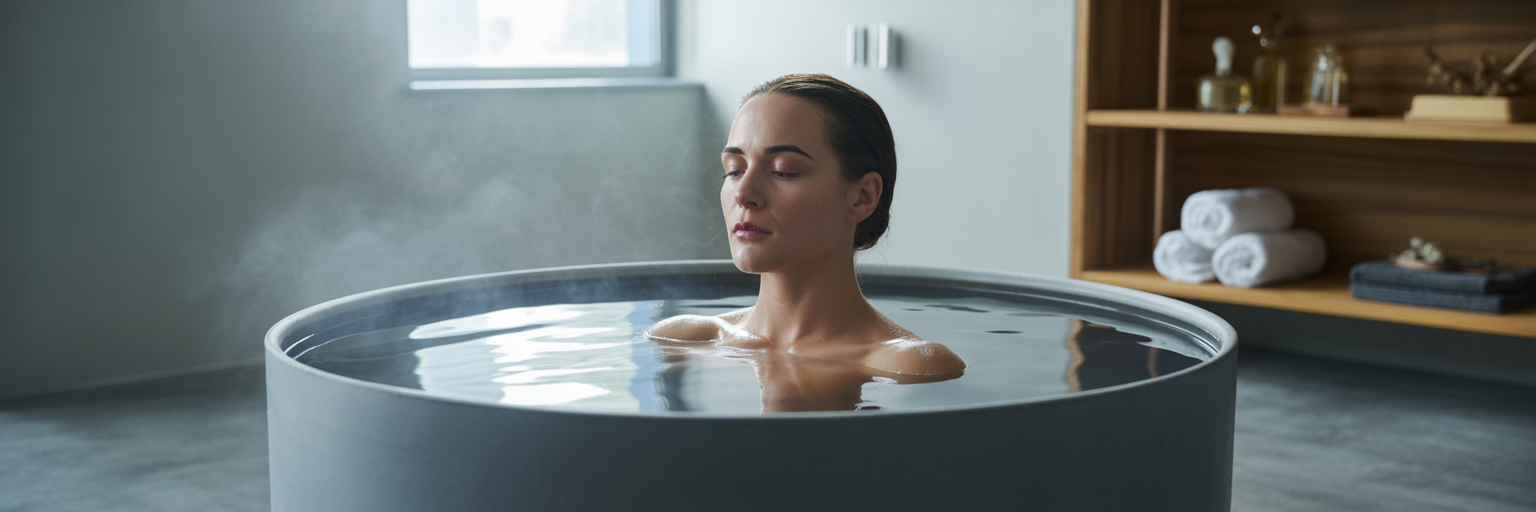
Why does sitting in cold water actually work? The primary mechanism is vasoconstriction. When your body is exposed to cold, your blood vessels narrow, which reduces blood flow to your muscles and tissues. This process helps limit the swelling and inflammatory response that typically occurs after intense physical activity. Think of it as putting a biological brake on the immediate post-exercise inflammation cascade.
But the magic doesn't stop there. Once you get out of the cold water, your body works to warm itself back up. This triggers a rebound effect called reactive hyperemia, where the blood vessels dilate, flushing the area with fresh, oxygenated blood. This rush of circulation helps clear out metabolic byproducts like lactic acid that contribute to muscle soreness. As highlighted by health resources like Verywell Health, this circulatory response is a key benefit of cold immersion.
Interestingly, colder is not always better. The most significant benefits occur within that 39°F to 55°F range, reinforcing that precise temperature control is more important than simply enduring the coldest water possible. For those looking to build a routine, a common guideline is to aim for a "minimum effective dose" of about 11 minutes of total exposure per week, broken into shorter 2-4 minute sessions. This approach provides a sustainable way to manage inflammation without overstressing the body. For more insights into recovery science, you can explore the articles on our blog.
Comparing Long-Term Costs
When considering the ice bath cost vs cold plunge, it’s easy to focus only on the initial price tag. A basic ice bath setup, using an existing tub or an inexpensive stock tank, can cost next to nothing. A dedicated cold plunge, on the other hand, represents a significant upfront investment. However, this initial comparison doesn't tell the whole story.
The hidden factor is the recurring cost of ice. For someone using an ice bath three times a week, the expense of buying 40-60 pounds of ice per session can quickly add up, often reaching $100 to $300 per month. Over two years, that can amount to thousands of dollars spent on frozen water that gets used once and then melts away. In contrast, the operational cost of a modern cold plunge is minimal, typically amounting to the electricity needed to run the chiller and filter, which is often comparable to a small refrigerator.
When you map out the total investment over time, the financial picture changes. For a consistent user, the break-even point where a cold plunge becomes more economical than a daily ice habit often arrives within one to two years. The convenience and time saved are just added returns on that investment.
| Cost Factor | Traditional Ice Bath | Modern Cold Plunge |
|---|---|---|
| Initial Investment | $50 - $500 | $2,500 - $7,000+ |
| Recurring Monthly Cost | $100 - $300 (for ice) | $20 - $50 (for electricity) |
| 2-Year Estimated Total (High-Use) | $2,450 - $7,700 | $2,980 - $8,200+ |
| Setup Time Per Use | 15-30 minutes | 0 minutes |
Note: Ice costs are based on an average of $10-$15 per session for 2-3 sessions per week. Electricity costs for a cold plunge are estimates and vary based on local rates and ambient temperature.
Which Cold Therapy Option Fits You?
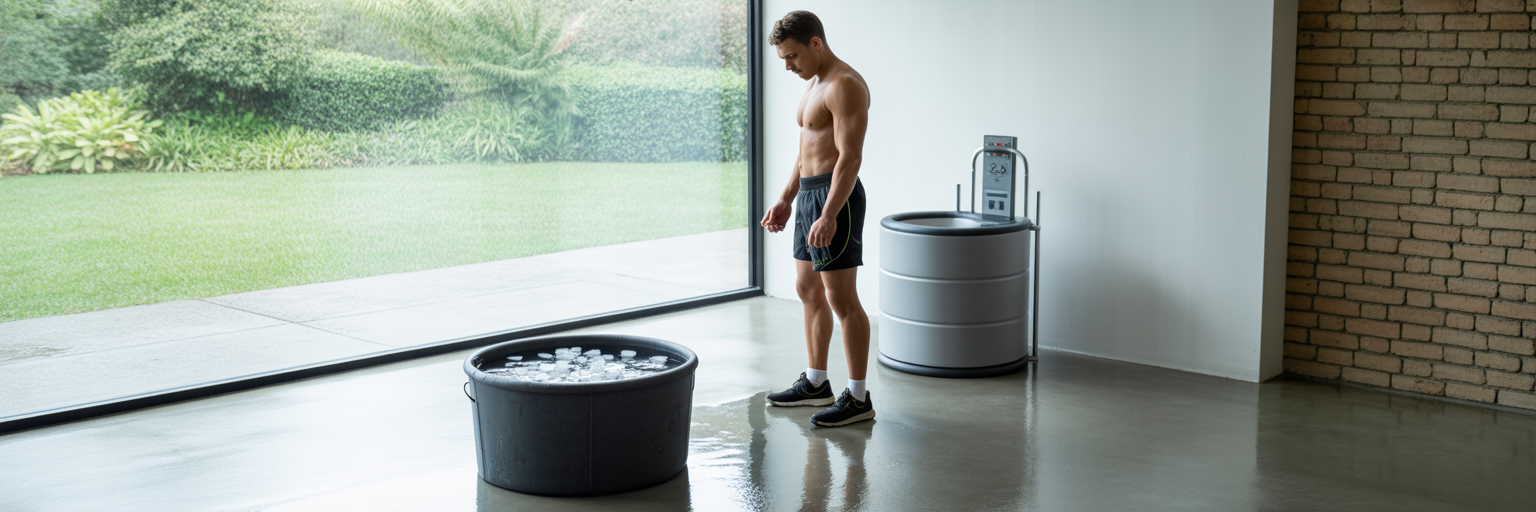
The best cold therapy method is the one you will actually use consistently. The choice between an ice bath and a cold plunge depends entirely on your lifestyle, budget, and commitment to recovery. By synthesizing the points on convenience, cost, and control, we can create two clear profiles to help guide your decision.
Profile 1: The Beginner or Occasional User
If you are new to cold therapy and want to experiment with its benefits, or if you only plan to use it sporadically after particularly tough workouts, a traditional ice bath is a logical starting point. Its low initial cost makes it an accessible way to see how your body responds. Products like The Ice Pod offer an affordable and portable entry into cold water immersion without a major financial commitment. The manual setup is a manageable trade-off for infrequent use.
Profile 2: The Committed Athlete or Wellness Enthusiast
If you are serious about integrating cold therapy into your daily or weekly routine for long-term benefits, a modern cold plunge is the superior choice. For you, recovery is not an afterthought, it's a priority. The value of precise temperature control, instant readiness, and minimal maintenance far outweighs the initial investment. You understand that consistency drives results, and the convenience of a dedicated unit removes the biggest barrier to that consistency.
To find your fit, ask yourself these questions:
How often do you realistically plan to use cold therapy each week?
What is your total budget, including both upfront and recurring costs over two years?
How much value do you place on convenience and saving time in your daily routine?
Is achieving a precise, consistent temperature for every session a priority for your recovery goals?
Your answers will point you toward the right solution. The most effective tool is the one that seamlessly integrates into your life. If you're ready to explore what's possible, our guide to getting started can help you find the perfect fit for your wellness journey.
Safety Protocols for Cold Immersion
While cold water immersion offers significant benefits, it also places stress on the body. It is essential to approach it with respect and caution. Always consult a healthcare professional before beginning any cold immersion routine, especially if you have pre-existing conditions like cardiovascular disease, high blood pressure, or Raynaud's syndrome.
When learning how to do cold water immersion safely, the key is gradual adaptation. Your body needs time to adjust to the cold stimulus. Rushing the process or pushing your limits too soon can be counterproductive and potentially dangerous. Follow these simple guidelines to build your tolerance safely:
Start with shorter sessions (1-3 minutes) at the warmer end of the therapeutic range (~55°F or 13°C).
Gradually increase your exposure time and decrease the temperature over several weeks as your body adapts.
Avoid submerging your head, especially as a beginner, to prevent an overly strong vagus nerve response.
Warm your body up gradually after each session using a towel, a blanket, or light movement. Avoid jumping directly into a hot shower, as this can cause a rapid shift in blood pressure.
Listening to your body is the most important rule. Discomfort is part of the process, but pain is a signal to stop. By starting slow and progressing mindfully, you can safely incorporate cold therapy into your wellness routine.