The Modern Dilemma of Stress and Rest
There is a distinctly modern feeling of being perpetually alert, as if your mind is constantly waiting for the next notification, email, or demand on your time. This state is more than just mental fatigue. It is a physiological reality where your sympathetic nervous system, the body’s intrinsic ‘fight or flight’ mechanism, remains in a state of low-grade, constant activation. You are not running from a predator, but your body is behaving as if you are, simmering in a state of readiness that never fully resolves.
This ‘always-on’ culture directly disrupts your body’s natural rhythms, particularly the delicate cycle of sleep and wakefulness. The primary culprit is cortisol, a hormone that is essential for alertness in the morning but detrimental to rest in the evening. When your nervous system is chronically activated, cortisol levels can remain elevated long after the sun has set. This is like having an internal alarm clock sounding just as your body should be winding down, leading to difficulty falling asleep, restless nights, and waking up feeling unrefreshed.
To counteract this, we can turn to a powerful biological principle known as hormesis. This concept describes how a small, controlled dose of a physical stressor can trigger adaptive responses that make the body stronger and more resilient. Instead of avoiding all stress, you strategically introduce a beneficial one. Deliberate cold exposure is a perfect example of a hormetic stressor. A strategic cold plunge can serve as a potent reset for a nervous system stuck in overdrive. This intentional act of cold therapy stress reduction can effectively counteract the effects of chronic tension and prepare your body for the deep, restorative sleep it needs.
How Cold Exposure Resets Your Body for Sleep
The effectiveness of a cold plunge for sleep is not based on willpower or simple relaxation, but on distinct physiological mechanisms that directly address the prerequisites for rest. The science of sleep initiation is closely tied to your body’s thermoregulatory rhythm. To fall asleep efficiently and enter the deeper stages of sleep, your core body temperature needs to drop by approximately one to two degrees Fahrenheit. This temperature change is a critical signal to your brain that it is time to shut down for the night.
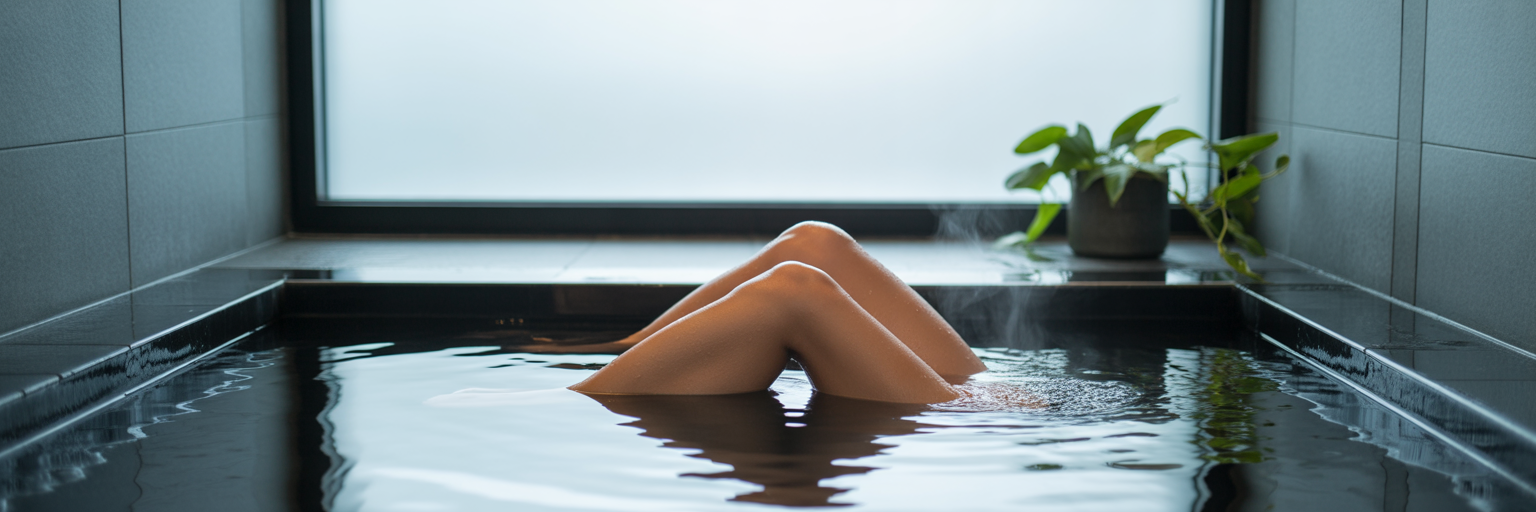
A cold plunge directly facilitates this process in a powerful way. While you are in the cold water, your blood vessels constrict to conserve heat. However, the real magic happens after you get out. Your body initiates a strong rewarming response known as peripheral vasodilation. Blood vessels in your skin, hands, and feet widen significantly to release heat from your core to the surface. This rebound effect actively lowers your core body temperature, sending an unambiguous sleep signal to your brain far more effectively than simply cooling your room.
This thermal shift is accompanied by a profound two-phase hormonal response. The initial shock of the cold water causes a brief, sharp spike in alertness hormones like norepinephrine. This is the jolt you feel, the moment your body is fully present. But this is short-lived. Following this acute stress, your body triggers a significant rebound effect where the parasympathetic nervous system, your ‘rest and digest’ state, becomes dominant. This shift from sympathetic to parasympathetic activity calms your mind and relaxes your body. The powerful combination of a lowered core temperature and a transition into a deeply relaxed nervous system state makes a cold plunge for sleep an exceptionally effective practice. If you are interested in the body's response to different recovery methods, you can explore a variety of topics on our blog.
The Optimal Evening Cold Plunge Protocol
To harness the sleep-promoting benefits of cold exposure, the timing and execution of your plunge are critical. An evening cold plunge should be performed with intention, following a protocol designed to maximize the parasympathetic rebound while allowing the initial stimulating effects to subside. The ideal window for your plunge is two to three hours before your intended bedtime. This timing is crucial because it gives your body enough time to move past the acute alertness spike from the cold and settle into the prolonged state of calm that follows. Plunging immediately before getting into bed can be counterproductive, as the initial jolt of norepinephrine may interfere with your ability to fall asleep.
The protocol itself is straightforward, with consistency being more important than extreme endurance. For an effective session, aim for water between 50 and 59°F (10 to 15°C). This temperature range is potent enough to trigger the desired physiological responses without creating excessive strain that could prolong the stress response. Immerse yourself for two to four minutes, focusing on steady, controlled breathing to calm your nervous system during the immersion. This is a key part of learning how to use a cold plunge effectively. It is not about enduring misery but about managing the stressor.
If you are new to the practice, it is important to start gradually. Begin with slightly warmer water, around 60 to 65°F (15 to 18°C), and a shorter duration of just one minute. As your body adapts, you can slowly decrease the temperature and increase the time. This progressive approach makes the evening cold plunge routine feel approachable and sustainable. For those committed to a consistent practice, advanced home systems can be invaluable. For example, a unit like the Plunge Chill offers precise temperature control, removing the guesswork and ensuring your water is at the perfect temperature every time. Having a dedicated system makes it easier to build this powerful habit into your life, and you can explore the various at-home cold plunge tubs available to find one that suits your space and needs.
| Experience Level | Water Temperature | Immersion Duration | Frequency |
|---|---|---|---|
| Beginner | 59-65°F (15-18°C) | 1-2 minutes | 2-3 times per week |
| Intermediate | 50-59°F (10-15°C) | 2-4 minutes | 3-5 times per week |
| Advanced | 45-50°F (7-10°C) | 3-5 minutes | 4-7 times per week |
This table provides a progressive framework for incorporating cold plunges. The goal is to adapt to the stressor, not to endure excessive discomfort. Always listen to your body and adjust as needed.
Complementary Practices for Deeper Relaxation
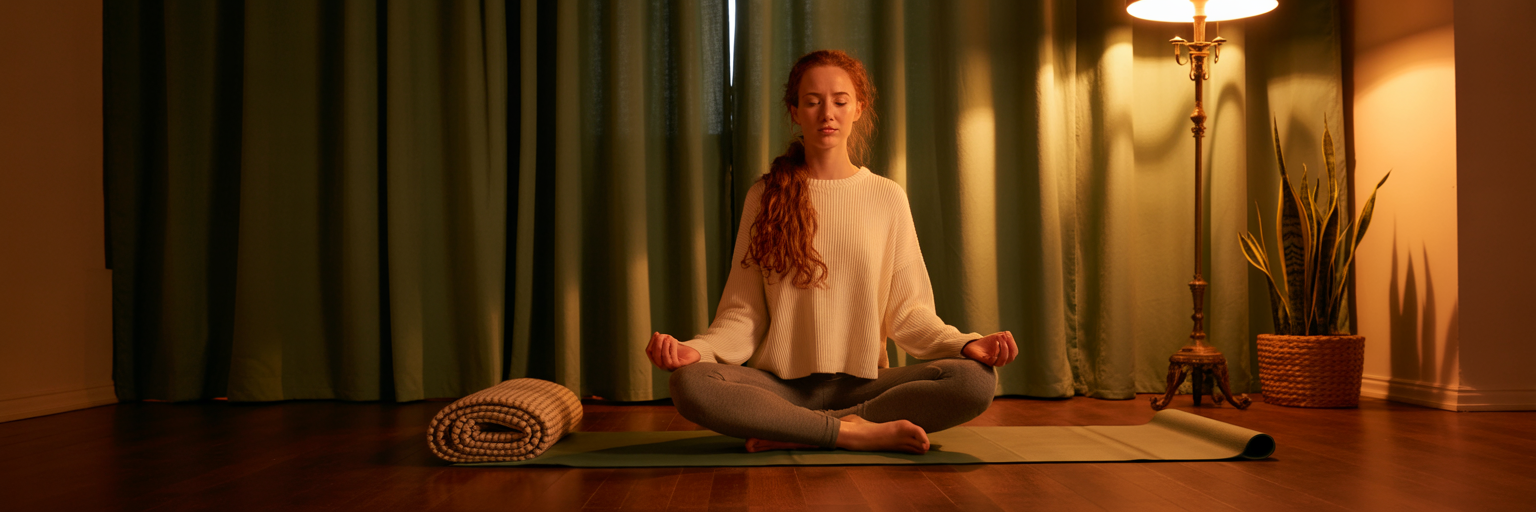
While a cold plunge is a powerful tool on its own, its true potential is realized when it serves as the anchor for a complete evening wind-down routine. The goal is to create synergy, where each step magnifies the benefits of the last, guiding your body and mind toward a state of deep relaxation. Immediately after your plunge, as your body begins its rewarming process, you can actively support the shift into a parasympathetic state with controlled breathing. A simple box breathing technique, where you inhale for four counts, hold for four, exhale for four, and hold for four, is remarkably effective at calming the nervous system and reinforcing the relaxation signal initiated by the cold.
You can further enhance this state with other passive recovery technologies that complement the plunge. Using a red light therapy panel after you have dried off can support cellular repair and reduce inflammation without raising your body temperature, ensuring it does not interfere with the critical cooling process. Systems from brands like Mito Health are designed for this purpose, delivering specific wavelengths of light that promote recovery. Exploring the different types of red light therapy panels can help you find a device that fits your routine.
Finally, one of the most important complementary practices is creating a low-stimulation environment. This means initiating a "digital sunset" in the hours after your plunge. Dim the lights in your home, avoid all screens from phones, televisions, and laptops, and choose a calming activity like reading a physical book or listening to quiet music. These combined actions create a powerful ritual that signals to your entire being that the day is over. This comprehensive approach maximizes the at home cold plunge benefits by creating an unmistakable transition from the stress of the day to the deep rest of the night.
Beyond the Plunge: Maintaining a Cool Sleep Environment
The core temperature drop initiated by your evening cold plunge is the starting signal for sleep, but maintaining that cool state throughout the night is what supports deep, uninterrupted rest. Your body’s temperature naturally fluctuates during sleep, and preventing it from overheating is essential for staying in the more restorative sleep stages. The plunge sets the stage, but your environment sustains the performance.
This reinforces the well-established sleep hygiene principle of keeping your bedroom cool, ideally around 65°F (18°C). A cool room prevents your ambient environment from working against your body’s natural thermoregulatory efforts. However, for a more direct and consistent approach, you can turn to active cooling systems for the bed itself. Technologies like cooling mattress pads or specialized blankets actively manage the temperature of your sleeping surface, pulling away excess body heat and ensuring you remain in the optimal thermal zone for sleep all night long.
These tools are a logical extension of the cold plunge, helping to sustain the sleep-friendly physiological state that your evening routine worked to create. Products such as Ice Blankets are designed specifically for this purpose, offering a targeted way to maintain a cool sleep environment. Understanding how different thermal therapies influence your body is key, and it can be helpful to see how these methods compare, as explored in our article on Cold Plunge vs. Infrared Sauna Blanket.
Common Misconceptions About Cold Plunging for Sleep
To apply this practice safely and effectively, it is important to address a few common misconceptions. Many people assume that when it comes to cold exposure, colder is always better. This is a myth. Excessively cold temperatures can create too much physiological stress, prolonging the ‘fight or flight’ response and releasing a flood of cortisol that can actually hinder sleep. The goal is a controlled, hormetic stressor, not an overwhelming shock to your system. Sticking to the recommended temperature ranges ensures the response is restorative, not counterproductive.
Another common mistake is taking a hot shower immediately after a cold plunge to warm up quickly. While it may feel comforting, this directly counteracts the primary mechanism for sleep enhancement. A hot shower will raise your core body temperature, negating the very signal you worked to create. It is far better to let your body rewarm itself naturally, allowing the peripheral vasodilation process to lower your core temperature as intended. Pat yourself dry and put on comfortable clothing, but resist the urge for external heat.
Finally, it is crucial to set realistic expectations. While a cold plunge is a uniquely powerful tool for improving sleep quality and managing stress, it is a supplement to, not a replacement for, good sleep hygiene. Foundational habits like maintaining a consistent sleep schedule, ensuring your bedroom is dark and quiet, and avoiding caffeine late in the day remain non-negotiable. A properly timed and executed cold plunge is a transformative practice for managing the pressures of modern life, but it works best as part of a holistic approach to rest. If you are ready to improve your nightly recovery, you can begin to explore which at-home systems align with your personal wellness goals by starting your research here.