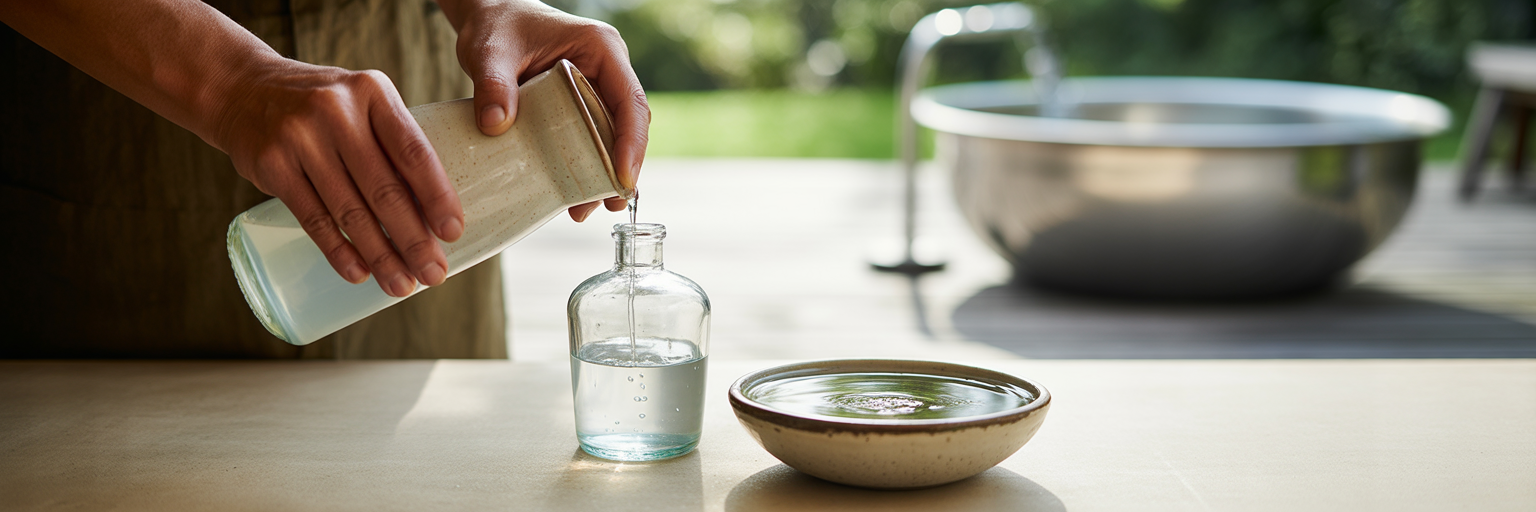
Maintaining a cold plunge tub is not a tedious chore, but an integral part of the recovery practice itself. The cleanliness of your water directly impacts the safety and effectiveness of every session. Viewing this routine as a way to protect your investment and your health shifts the entire experience from a burden to a mindful ritual. The primary challenges are simple yet persistent: preventing the invisible layer of biofilm, managing microbial growth that can thrive in untreated water, and maintaining pristine clarity. While specialized commercial chemicals and professional services exist, they often come with a high price tag.
Fortunately, effective, budget-friendly alternatives are readily available. The key to simplifying maintenance lies in understanding the concept of organic load. This refers to everything your body introduces into the water, including natural oils, lotions, sweat, and skin cells. A simple pre-plunge shower can dramatically reduce this load, making all subsequent cleaning tasks easier and less frequent. With a few common household items and a consistent routine, you can confidently manage your tub’s hygiene, ensuring it remains a pure and inviting space for recovery.
Fundamentals of Cold Plunge Tub Hygiene
The goal of any maintenance routine is to keep the water balanced, clear, and free of contaminants. When you neglect this, you allow an environment where bacteria and algae can flourish. Biofilm, a slimy collection of microorganisms, can form on tub surfaces, feeling unpleasant to the touch and harboring unwanted bacteria. This buildup, along with suspended particles, is what turns clear water cloudy and uninviting. The foundation of effective hygiene is not about reacting to problems with harsh chemicals, but about proactively preventing them from starting.
This preventative approach begins before you even enter the tub. By minimizing the organic material introduced into the water, you reduce the food source for bacteria. This single habit lessens the demand on any sanitizers or filtration systems you use, extending their effectiveness and reducing the frequency of water changes. Understanding this principle is the first step toward creating a low-effort, high-impact maintenance plan that keeps your cold plunge ready whenever you need it.
Effective Daily Habits for Water Purity

The most direct way to manage organic load is a habit that begins before you even touch the water: showering before every plunge. This simple action can reduce the amount of organic material entering your tub by a significant margin, lessening the strain on your filters and sanitizers. It is the single most effective preventative measure you can take. Think of it as preparing a clean canvas. By starting with a clean body, you help keep the water clean for longer.
Just as important is the habit of covering your tub immediately after each use. A quality cover does more than just keep out leaves and insects. It acts as a barrier against dust, pollen, and other microscopic airborne particles that constantly settle on open water surfaces. These particles not only cloud the water but also provide nutrients for bacterial growth, forcing you to use more sanitizer and clean more often. Whether you have a basic inflatable model or a more robust system, a cover is an essential tool for maintaining water purity. You can explore various types of cold plunge tubs to see which features and cover options best suit your space and needs.
Another powerful two-minute habit is skimming the water's surface with a fine-mesh net after each session. This quick ritual removes any floating debris like hair or dust before it has a chance to sink, decompose, and contribute to the organic load. For those with simpler setups lacking built-in filtration, a small, submersible pump paired with an inexpensive filter cartridge offers a cost-effective solution for removing physical particles. Running this DIY system for at least four to eight hours daily provides excellent circulation and filtration, forming the backbone of effective cold plunge water care.
Natural and Safe Cleaning Solutions
When it comes to cleaning your tub's surfaces, you can skip the expensive, specialized products. A simple, homemade solution is often more effective and much safer for your tub's materials. White vinegar is a powerful agent for dissolving both biofilm and the mineral scale that can form at the waterline. Its acidic nature breaks down these deposits without the risks associated with harsh chemicals. For a reliable natural tub cleaner recipe, mix a solution of one part white vinegar to four parts water in a spray bottle. This is all you need for routine scrubbing.
To perform a surface clean, spray the solution along the waterline and on any other areas with visible buildup. Let it sit for a few minutes to dissolve the deposits, then wipe it away with a soft cloth or sponge. This simple process, performed weekly, prevents the accumulation that makes deep cleaning a major task. This is a fundamental part of any DIY cold plunge tub cleaning routine.
For water sanitation, 3% hydrogen peroxide, the same kind found in most first-aid kits, serves as a gentle and budget-friendly sanitizer. It works by releasing an oxygen atom that oxidizes and destroys bacteria, viruses, and other organic contaminants. A general guideline is to add approximately one-half cup of 3% hydrogen peroxide for every 100 gallons of water on a weekly basis. This helps keep microbial growth in check between water changes. While hydrogen peroxide is an excellent DIY option, understanding the full scope of water care can be beneficial. For those interested in a deeper look, guides from resources like Plunge Coach offer extensive information on the topic.
It is critical to understand how to clean cold plunge tubs safely. You must avoid harsh household cleaners like bleach or ammonia-based products at all costs. These chemicals can degrade the materials used in many tubs, such as PVC, TPU, and acrylic. Over time, they can cause the liner to become brittle, leading to cracks, leaks, and expensive repairs that completely undermine your cost-saving efforts.
Budget-Friendly Tools for Tub Maintenance
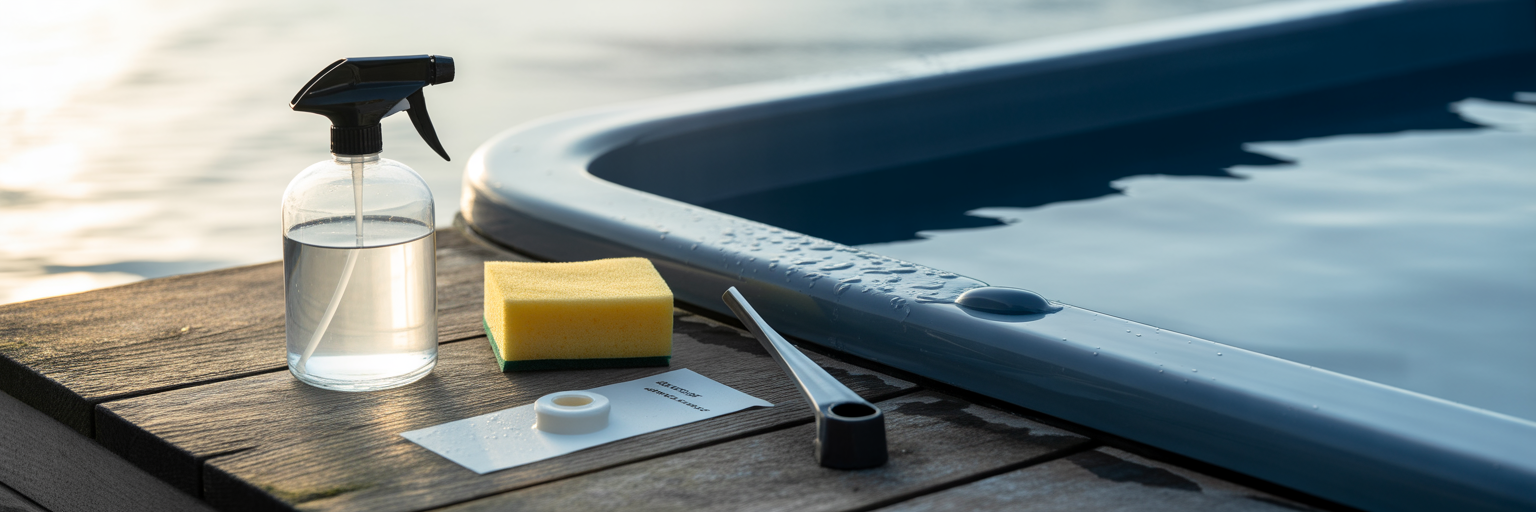
Effective tub maintenance does not require an arsenal of expensive, specialized equipment. A few inexpensive and readily available tools are all you need to keep your water pristine. For daily surface cleaning, a basic aquarium or small pond skimmer net works perfectly. Its fine mesh is ideal for capturing small debris like hair, dust, and insects before they sink.
A simple siphon hose, available at any hardware store, is a versatile tool for budget cold plunge maintenance. It can be used to easily drain the tub for periodic deep cleans. It also doubles as a manual vacuum to spot-clean small debris that settles on the bottom of the tub, allowing you to remove sediment without needing to drain and refill the entire system. This simple technique saves both water and time.
For monitoring water chemistry, affordable pH and sanitizer test strips are more than sufficient for most home setups. While digital testers offer precise readings, they are often an unnecessary expense for weekly checks. Test strips provide a clear visual indication of your water’s balance, allowing you to make small adjustments as needed to keep it within a safe and comfortable range. This simple kit is all you need for a standard tub. Of course, for those who prefer automation, advanced systems like the Plunge All-In integrate filtration and sanitation, reducing manual maintenance.
To encourage consistency, consider creating a dedicated maintenance kit. A small bucket or caddy can hold all your essential tools in one organized place.
Your spray bottle of vinegar solution
A few soft, non-abrasive cloths
Water test strips
Your skimmer net
Creating a Simple Cleaning Schedule
With the right habits and tools, maintenance becomes a manageable and predictable routine. The key is consistency. Breaking down tasks by frequency prevents them from becoming overwhelming and ensures that your tub is always ready for you. A structured schedule removes the guesswork and helps you stay ahead of potential issues like cloudy water or biofilm buildup. This proactive approach is far more effective than reacting to problems after they appear.
The following schedule synthesizes the advice into a clear, actionable plan. It outlines daily, weekly, and quarterly tasks, along with the purpose behind each one. For instance, weekly water testing is crucial for maintaining a pH between 7.2 and 7.6. This range is not only more comfortable for your skin and eyes but also protects tub components from corrosion. A quarterly deep clean should be performed when you notice clear triggers, such as cloudy water that will not clear with filtration, a persistent odor, or visible slime on the surfaces. This acts as a periodic reset for the tub's entire ecosystem.
| Frequency | Task | Purpose |
|---|---|---|
| Daily | Shower before use; Skim surface; Cover tub after use | Reduces organic load, removes debris, and prevents contamination |
| Weekly | Test water pH and sanitizer levels | Ensures water is safe, comfortable, and non-corrosive |
| Weekly | Add sanitizer (e.g., hydrogen peroxide) | Prevents microbial growth and maintains water hygiene |
| Quarterly (or as needed) | Perform a full drain and deep clean | Resets the tub's ecosystem and removes accumulated biofilm/scale |
When it is time for a deep clean, the process is straightforward: drain the tub completely, scrub all interior surfaces with your vinegar solution, rinse thoroughly to remove any residue, and refill with fresh water. Just as a consistent cleaning schedule supports your cold plunge practice, understanding other recovery modalities can enhance your overall wellness. Our blog offers insights into a wide range of recovery topics.
Cost-Saving Tips for Long-Term Care
The value of this DIY maintenance approach extends far beyond immediate cleanliness. The small, consistent efforts you make each week directly prevent the major problems that often require costly interventions. By avoiding issues like severe algae blooms or heavy biofilm buildup, you eliminate the need for expensive chemical shock treatments or professional service calls. This proactive mindset is the cornerstone of affordable long-term care.
Maintaining proper water balance does more than just ensure a pleasant plunge. A stable pH level directly extends the life of your tub’s liner, seals, and any connected filtration components. Water that is too acidic or too alkaline can slowly corrode these parts, leading to premature failure and expensive replacements. Your weekly test strip check is a small investment of time that protects the larger investment in your equipment. The financial savings from using household vinegar and hydrogen peroxide are also substantial when compared to the recurring annual cost of specialized spa chemicals.
Ultimately, this maintenance routine should not feel like a burden. It is an extension of the same commitment to self-care that brought you to cold plunging in the first place. Taking ownership of your tub’s hygiene is an empowering process that deepens your connection to your wellness practice. While DIY maintenance is a fantastic and affordable way to manage your system, you may eventually decide to explore more automated solutions. Systems with built-in cooling, like the Plunge Chill, offer a glimpse into the convenience of modern recovery technology. When you are ready to see what the next level of recovery looks like, you can start here to explore a curated collection of advanced systems.