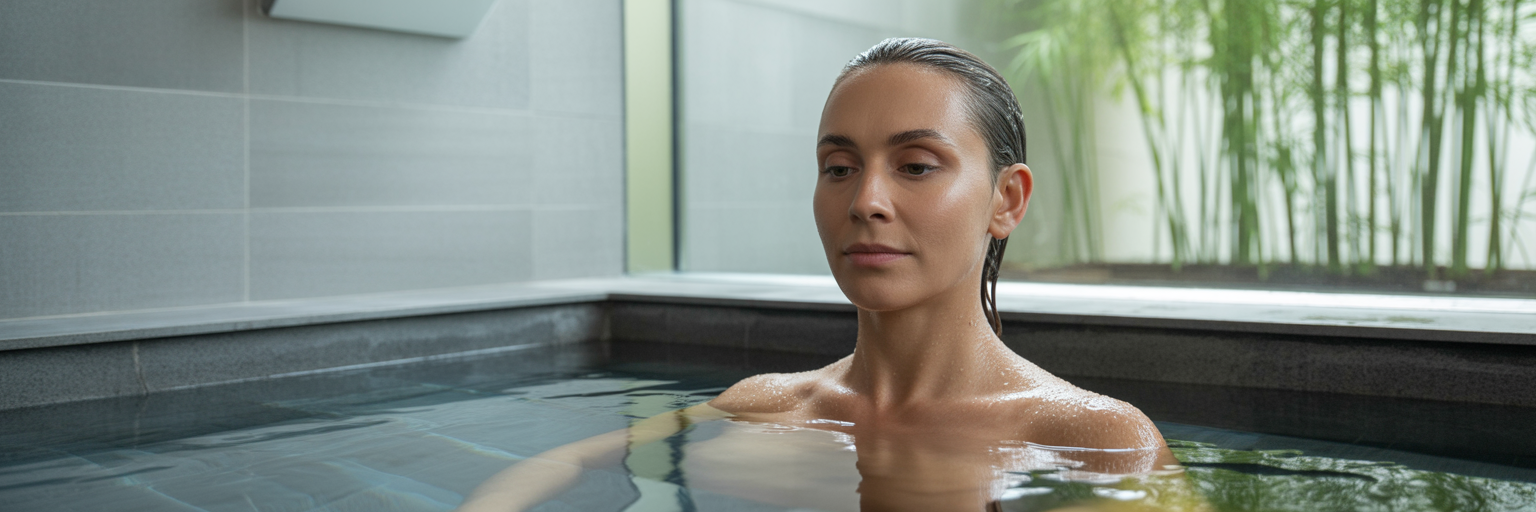
Think about the last time you twisted an ankle. The immediate swelling and heat are your body’s first responders, a process known as inflammation. This acute response is essential, delivering immune cells and nutrients to begin repairs. But what happens when that emergency signal never turns off? This is the nature of chronic inflammation, a low-grade, persistent state that contributes to a host of modern health challenges. Managing this condition is a primary goal for long-term wellness. This is where cold plunge therapy enters the conversation, not as a fleeting trend, but as a modern application of a practice with deep historical roots in therapeutic healing.
When you submerge your body in cold water, the reaction is immediate and powerful. You experience an involuntary gasp, your heart rate changes, and your blood vessels constrict in a process called vasoconstriction. These sensations are not just discomforts to be endured. They are the first steps in a profound physiological cascade that can help regulate your body’s inflammatory response. The central question is, how does this brief, intense stressor trigger such a powerful, body-wide reduction in inflammation? Understanding this mechanism is the key to using cold exposure effectively. For those new to these concepts, a foundational guide can provide additional context on where to begin your recovery journey. You can learn more by visiting this page.
Understanding Inflammation and Cold Plunge Therapy
Inflammation is your body’s natural defense mechanism. When you encounter an injury or infection, your immune system dispatches inflammatory cells and cytokines to trap bacteria, heal tissue, and signal the repair process. This is acute inflammation, and it is a sign of a healthy, functioning system. The problem arises when this response becomes chronic. Factors like persistent stress, poor diet, and lack of sleep can keep your body in a constant state of alert, leading to systemic inflammation that quietly damages tissues over time. This chronic state is fundamentally different from the helpful, short-term response.
This is where the deliberate use of cold exposure comes into play. The intense stimulus of cold water acts as a hormetic stressor, a beneficial stress that challenges your body just enough to provoke a positive adaptation. The initial shock of the cold forces your system to react defensively. Blood vessels in your extremities narrow, shunting blood toward your vital organs to preserve core temperature. This process of vasoconstriction is the first step. When you emerge from the water, your vessels dilate, and freshly oxygenated blood rushes back through your tissues, helping to flush out metabolic waste and inflammatory byproducts that have accumulated. This simple mechanical action provides immediate relief, but the true power of cold therapy lies in the deeper, systemic changes it initiates.
The Cellular Mechanics of Cold Exposure
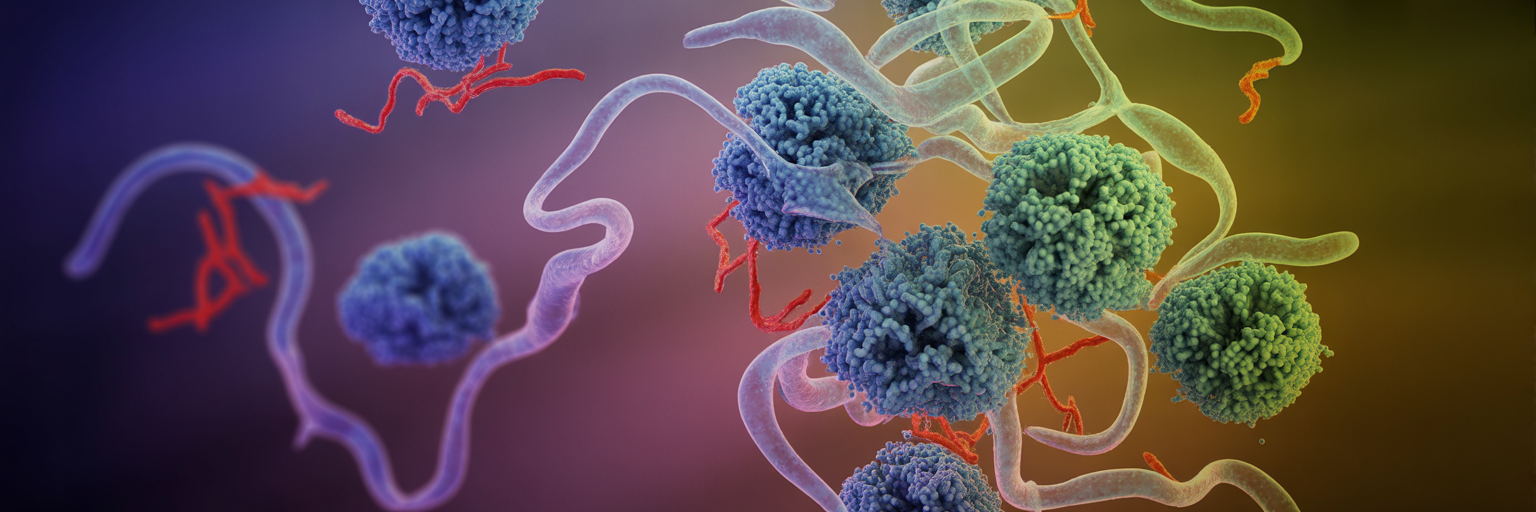
To truly understand how does cold therapy work, we have to look beyond the initial sensation and examine what happens at a cellular level. The benefits are not just about cooling down tissues. They are driven by a complex interplay of hormones, neurotransmitters, and cellular signals. Three key mechanisms work together to create a powerful anti-inflammatory effect throughout your body.
First is the massive release of norepinephrine. The shock of cold water immersion is a powerful trigger for your sympathetic nervous system, causing a significant surge in this hormone and neurotransmitter. Norepinephrine does more than just make you feel alert and focused. It acts as a potent anti-inflammatory agent. It communicates with your immune cells, instructing them to dial down the production of inflammatory proteins like tumor necrosis factor-alpha (TNF-alpha), a key driver of systemic inflammation. This hormonal response transforms a brief physical stressor into a body-wide signal to calm the inflammatory fire.
Second, cold exposure stimulates the vagus nerve. This long, wandering nerve is the main component of your parasympathetic nervous system, which governs your "rest and digest" functions. When cold water makes contact with your face and neck, it activates the vagus nerve, triggering what is known as the cholinergic anti-inflammatory pathway. Think of this as your body’s built-in emergency brake for inflammation. Vagal stimulation helps regulate the immune response, preventing it from becoming excessive and causing the collateral damage associated with chronic inflammation.
Finally, regular cold exposure activates brown adipose tissue (BAT), often called "good fat." Unlike white fat, which stores energy, BAT is metabolically active and packed with mitochondria. Its primary job is to generate heat to keep you warm, a process called thermogenesis. When you are cold, your body activates BAT to burn calories and produce heat. This process does more than just warm you up. It also releases beneficial molecules that improve metabolic health, enhance insulin sensitivity, and contribute to lower levels of systemic inflammation over time. These three distinct actions, working in concert, explain how a few minutes in cold water can have such a lasting impact. For those interested in exploring other scientific deep dives into recovery, our blog offers further reading.
Strategic Timing for Optimal Recovery
While the science is compelling, the practical application of cold plunging requires strategy. The timing of your sessions can significantly influence the outcome, especially concerning exercise. The inflammation that occurs after a tough workout is not always something you want to suppress immediately. For instance, the acute inflammation following resistance training is an adaptive signal that tells your muscles to repair and grow stronger, a process known as hypertrophy. Blunting this signal too quickly with an immediate cold plunge can interfere with those gains.
For this reason, if your goal is muscle growth, it is best to wait at least four to six hours after your strength training session before taking a cold plunge. This window allows the natural muscle-building signals to complete their work. However, the rules change for different types of exercise. After endurance workouts like a long run, a cycling session, or high-intensity interval training, a cold plunge can be highly effective for reducing soreness and accelerating cold exposure and muscle recovery. On non-training days or for general wellness, the timing is much more flexible and can be based on personal preference, whether it is a morning session for mental clarity or an evening plunge to aid sleep.
Evidence-based protocols can help you maximize your cold water immersion benefits. Research suggests that an effective weekly dose is around 11 to 15 minutes of cold water immersion, broken into two to four sessions. This highlights that consistency yields far better results than a single, heroic plunge once a month. It is also important to debunk the myth that colder is always better. The ideal temperature is one that is uncomfortably cold but safe, typically in the range of 50 to 59°F (10 to 15°C). Exposing yourself to extreme temperatures without proper acclimation carries risks and does not necessarily provide additional benefits. As highlighted in a recent National Geographic report, it is important to balance the hype with the evidence and use these techniques correctly to ensure safety and effectiveness.
Comparing Cold Immersion to Other Methods
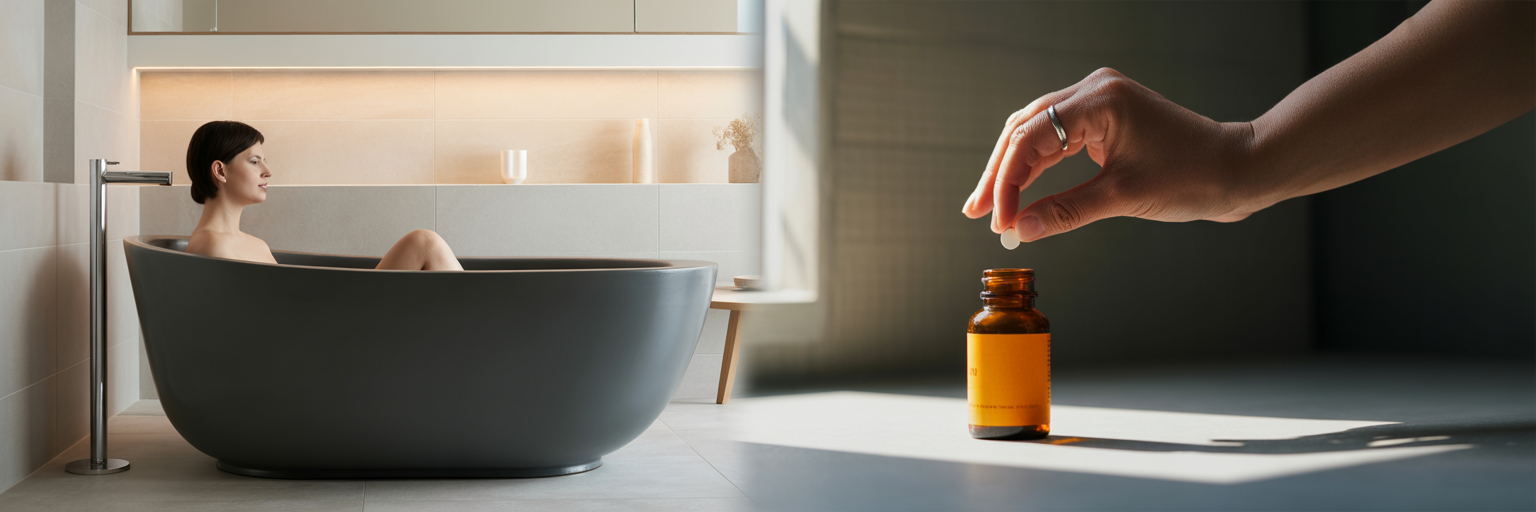
To appreciate the unique role of cold plunge therapy, it is helpful to compare it to other common methods used to reduce inflammation naturally. Many people reach for over-the-counter non-steroidal anti-inflammatory drugs (NSAIDs) like ibuprofen to manage pain and swelling. While effective, these drugs work by blocking COX enzymes, a mechanism that can carry risks for the gut and heart with long-term or frequent use. Cold immersion, in contrast, leverages your body’s own hormonal and neural pathways, engaging its natural regulatory systems without introducing an external chemical.
Another common approach is localized icing. Applying an ice pack or a product like an Ice Blanket is excellent for a specific injury, like a sprained wrist or a sore knee. It works by causing local vasoconstriction and numbing nerve endings to reduce pain and swelling in a targeted area. However, this localized approach does not trigger the systemic release of norepinephrine or the mood-enhancing dopamine that a full-body plunge does. Whole-body immersion creates a global response that affects your entire system, from your brain chemistry to your metabolic function.
Ultimately, cold therapy is best viewed as a powerful tool within a larger recovery ecosystem. It is not a standalone solution but a versatile component of a complete wellness strategy. For example, it can be paired with heat therapy, such as from an infrared sauna, to create a powerful contrast therapy effect that further enhances circulation and recovery. Understanding these distinctions allows you to choose the right tool for the right job. You can learn more about how these modalities compare in our post on cold plunges versus infrared sauna blankets.
| Method | Mechanism of Action | Scope of Effect | Primary Benefit | Potential Downsides |
|---|---|---|---|---|
| Cold Plunge Therapy | Hormonal & neural signaling (norepinephrine, vagus nerve) | Systemic (Whole-Body) | Reduces inflammation, improves mood & resilience | Requires specific timing post-workout; initial discomfort |
| Localized Icing (Ice Pack) | Local vasoconstriction & nerve numbing | Localized (Specific Area) | Targeted pain and swelling relief | Does not provide systemic hormonal or metabolic benefits |
| NSAIDs (e.g., Ibuprofen) | Enzyme blocking (COX-1/COX-2) | Systemic (Chemical) | Convenient pain and inflammation reduction | Potential for gastrointestinal and cardiovascular side effects with long-term use |
Long-Term Effects and Building a Practice
While the acute effects of cold plunging are well-documented, the long-term benefits are what make it a compelling practice for sustained well-being. Emerging research suggests that a consistent routine can build stress resilience, helping your nervous system become more adaptable to life’s daily pressures. The regular release of dopamine can also help regulate mood and improve focus. Furthermore, the activation of brown fat supports metabolic health, which is foundational to managing inflammation over the long haul.
It is important to maintain scientific integrity here. While the effects on muscle recovery and acute inflammation are well-supported, large-scale studies on chronic disease prevention are still developing. The key is to frame cold plunging not as a quick fix, but as a sustainable practice for managing your body’s internal environment. The goal is to listen to your body and integrate this tool into your routine in a way that feels manageable and empowering.
Consistency is what unlocks these profound benefits, and consistency is made significantly easier with accessible at-home recovery systems. The ability to step into a cold plunge in your own home removes the friction of travel and scheduling, making it far more likely that you will stick with the practice. Modern solutions, such as the temperature-controlled Plunge Chill, make a consistent practice achievable for anyone. By incorporating this powerful habit into your life, you are not just treating symptoms, you are actively building a more resilient and balanced system. For those ready to explore how this could fit into their routine, a curated selection of cold plunge tubs can be a helpful next step.