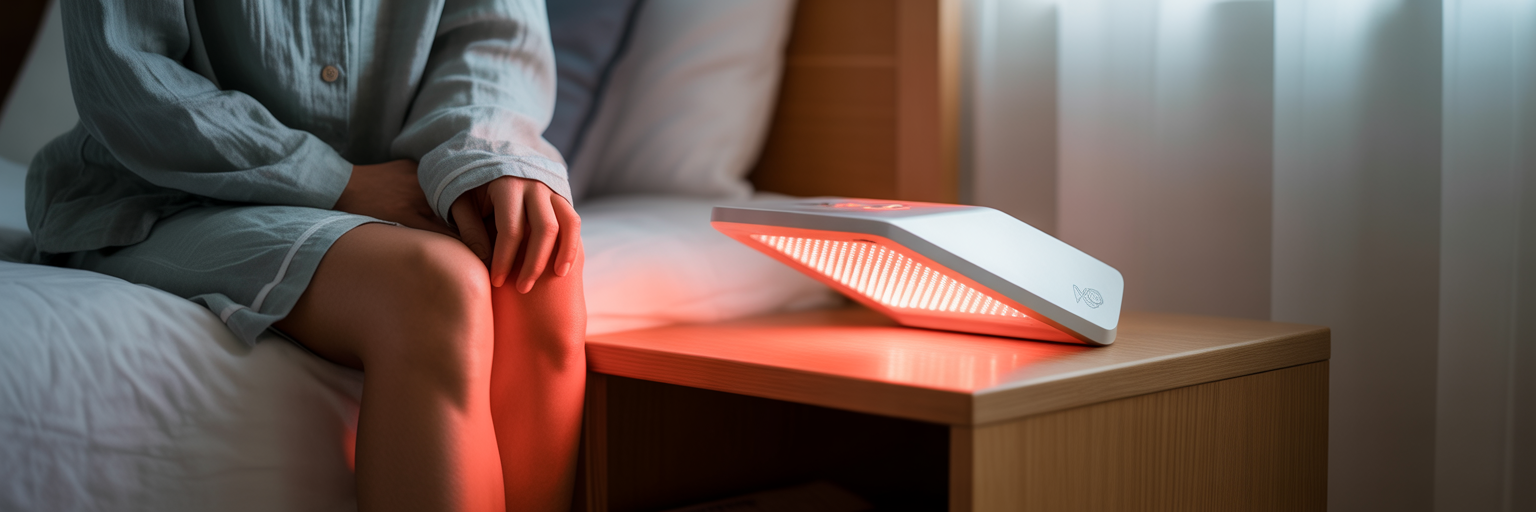
Chronic pain is more than a physical sensation. It is a persistent guest that reshapes your daily routines, influences your mood, and quietly dictates what you can and cannot do. You learn to move differently, to plan your day around anticipated stiffness, and to accept a certain level of discomfort as your baseline. Common approaches often focus on managing these symptoms with medication or temporary therapies that offer fleeting relief. While helpful, they rarely address the underlying reasons why the pain persists. This is where a different kind of technology enters the conversation. Red Light Therapy, known in scientific circles as photobiomodulation, offers a non-invasive approach that works on a fundamentally different principle. It does not rely on heat or masking agents but instead uses specific, calibrated wavelengths of light to communicate directly with your body’s cells, encouraging them to repair themselves. Understanding this process can shift your perspective from simply coping with pain to actively supporting your body’s own healing mechanisms. As you explore different recovery technologies, you can find more insights on our blog.
Understanding Red Light Therapy for Chronic Pain
The idea that light can influence biological function is not new, but its application for chronic pain is grounded in modern cellular science. Unlike the broad-spectrum light from the sun, Red Light Therapy uses very specific wavelengths that have been shown to have a therapeutic effect on human tissue. These are not the same as the ultraviolet rays that cause sunburn or the infrared waves that produce heat in a traditional sauna. Instead, this therapy utilizes visible red light and invisible near-infrared light, which can penetrate the skin and reach deeper into muscles, joints, and even bone. The process is gentle and painless, with the primary goal of stimulating cellular activity rather than just warming the tissue. Think of it less as a treatment being applied to you and more as a catalyst that empowers your cells to perform their natural repair functions more effectively. This distinction is critical because it moves the focus from temporary symptom suppression to long-term tissue health and resilience.
The Cellular Science Behind Photobiomodulation
To understand how light can reduce pain, you have to look at what happens inside your cells. Every cell in your body contains tiny organelles called mitochondria, often described as the cellular "powerhouses." Their primary job is to convert nutrients from food into Adenosine Triphosphate (ATP), the energy currency that fuels every biological process, from muscle contraction to tissue repair. When you are dealing with chronic inflammation or injury, the cells in that area are under stress and often function with an energy deficit, slowing down the healing process. This is where photobiomodulation comes in.
Specific wavelengths of red and near-infrared light, primarily in the 630 to 850 nanometer range, are absorbed by an enzyme within the mitochondria called cytochrome c oxidase. This absorption triggers two critical events. First, it helps dislodge nitric oxide, a molecule that can inhibit energy production when it binds to this enzyme under stress. Once freed, the mitochondria can use oxygen more efficiently, leading to a significant boost in ATP production. This process, as detailed in multiple scientific reviews like one highlighted by RedDot LED, is central to how photobiomodulation supports tissue repair. With more energy, cells have the fuel they need to mend damage, reduce inflammation, and restore normal function.
The second effect involves that same nitric oxide molecule. Once released, it acts as a vasodilator, signaling the smooth muscles in blood vessels to relax. This widens the vessels and improves local circulation, allowing more oxygen-rich blood, nutrients, and immune cells to reach the affected area while carrying away waste products. This enhanced circulation is a key mechanism behind photobiomodulation for inflammation, as it helps resolve the inflammatory state that contributes to chronic pain. The principles of influencing cellular function are also seen in other modalities, and you can learn more by reading about what PEMF therapy is. Ultimately, this is not about masking pain. It is about providing your cells with the fundamental resources they need to heal from the inside out.
Targeted Benefits for Pain and Inflammation

The cellular changes initiated by red light translate into tangible, real-world benefits for those living with chronic pain. By enhancing cellular energy and improving circulation, the therapy directly addresses the physiological drivers of discomfort. This is why there are significant red light therapy benefits reported for conditions characterized by persistent inflammation and tissue stress. For example, individuals with knee osteoarthritis often experience a reduction in pain and stiffness, along with improved joint function, after consistent use. The therapy helps calm the inflammatory processes that degrade cartilage and provides the surrounding tissues with the energy needed for stabilization and repair.
Similarly, those with chronic neck or lower back pain find that red light therapy for pain can offer relief that goes beyond what topical creams or heat packs can provide. It penetrates deep into the muscle and connective tissues where chronic tension and micro-injuries reside. It is useful to compare this approach with common pharmaceuticals like nonsteroidal anti-inflammatory drugs (NSAIDs). While NSAIDs can be effective for acute pain relief by blocking inflammatory pathways, they do not address the underlying tissue damage and can come with long-term side effects for the gut and kidneys. Red light therapy, on the other hand, works with your body’s systems to support healing and has an excellent safety profile, making it a sustainable complementary strategy.
To get the most out of the therapy, it is important to understand that not all light is the same. The devices available for home use, such as the red light therapy panels we feature, often use a combination of wavelengths for this reason.
- Red light (around 660 nm) has a shorter wavelength and is absorbed more by the skin. It is excellent for surface-level issues, skin health, and wound healing.
- Near-infrared light (around 850 nm) has a longer wavelength that allows it to penetrate deeper into the body. This is the wavelength that reaches muscles, ligaments, joints, and bones, making it the primary choice for addressing chronic pain and deep-seated inflammation.
By reducing inflammatory markers, improving the health of the tissue, and enhancing local blood flow, RLT helps create an environment where the body can genuinely recover, leading to less pain and better mobility over time.
Comparing Light, Cold, and Other Recovery Tools
With a growing number of at-home recovery systems available, it is important to understand where red light therapy fits. Each technology has a distinct mechanism and is best suited for different goals. Thinking about them as specialized tools in a workshop can help clarify their roles.
First, consider the contrast between red light and cold therapy. Systems designed for cold immersion, from advanced chillers like the Plunge Chill to simpler cold plunge tubs, are exceptional for managing acute inflammation. When you submerge your body in cold water, it causes vasoconstriction, a narrowing of the blood vessels. This process helps flush out metabolic waste from muscles after an intense workout and significantly blunts the inflammatory response associated with acute injury or soreness. It is a powerful tool for immediate relief and short-term recovery. Red light therapy operates on the opposite principle. It promotes vasodilation, increasing blood flow to deliver nutrients and energy for long-term repair. It is therefore better suited for chronic conditions where the goal is not to suppress inflammation but to resolve it by healing the underlying tissue.
Next, let’s compare red light therapy with Pulsed Electromagnetic Field (PEMF) therapy. Both are sophisticated technologies that work at a cellular level, but they use different forms of energy. As we have discussed, RLT uses light energy to stimulate the mitochondria. PEMF, on the other hand, uses low-frequency electromagnetic fields to influence the electrical charge of cell membranes. This can help improve ion flow, enhance cellular metabolism, and support processes like bone healing and nerve regeneration. While both can be effective for pain and inflammation, their mechanisms are distinct, and one may be more suitable than the other depending on the specific condition. For example, PEMF is often favored for bone-related issues, while RLT from brands like Mito Health is widely used for soft tissue and joint pain.
Just as you would consult your practical guide to solving common car issues before working on an engine, understanding the protocol for your recovery tool is crucial for getting results. The following table offers a simplified comparison to help you align the right technology with your recovery goals.
| Modality | Primary Mechanism | Best For | Timeframe |
|---|---|---|---|
| Red Light Therapy | Stimulates cellular energy (ATP) production and improves circulation. | Chronic pain, joint inflammation, tissue repair, skin health. | Cumulative benefits over weeks of consistent use. |
| Cold Therapy (Cold Plunge) | Constricts blood vessels to reduce acute inflammation and swelling. | Post-workout muscle soreness, acute injury, reducing systemic inflammation. | Immediate relief and short-term recovery. |
| PEMF Therapy | Uses electromagnetic fields to influence cellular metabolism and charge. | Bone healing, deep tissue inflammation, nerve function. | Cumulative benefits, often used for chronic conditions. |
Effective At-Home Red Light Therapy Protocols

Knowing the science is one thing, but applying it effectively at home is what truly matters. When you begin to explore how to use red light therapy, you will find that consistency and proper technique are more important than intensity. Unlike a painkiller that offers immediate, temporary relief, the benefits of RLT are cumulative and build over time as your cells respond to the consistent input of light energy. Here are some clear guidelines to help you establish an effective routine.
- Frequency and Duration: A good starting point for most chronic conditions is 3 to 5 sessions per week. Each session should last between 10 and 20 minutes per treatment area. For example, if you are addressing knee pain, you would focus the light on your knee for that duration. It is better to be consistent with shorter sessions than to do sporadic, overly long ones.
- Consistency is Key: This is perhaps the most critical factor for success. The cellular changes that lead to pain relief do not happen overnight. For chronic issues like arthritis or long-standing back pain, you should commit to a consistent routine for at least 4 to 8 weeks before expecting to notice significant improvements. The goal is to steadily supply your cells with the energy they need to repair and regenerate.
- Understanding Dosage: The effectiveness of your session is determined by the "dose" of light your tissue receives, which is a function of the device's power output, your distance from the panel, and the duration of the session. This is why it is essential to follow the manufacturer's guidelines for your specific at-home pain relief devices. A high-quality panel like the Joovv Solo 3.0 will come with clear instructions on the optimal distance to maintain from the device to ensure you are receiving a therapeutic dose without overdoing it.
- Practical Application: For the light to penetrate effectively, it should be applied to clean, bare skin. Lotions, creams, and clothing can block or reflect the light, reducing its effectiveness. When treating deep-seated pain in muscles or joints, make sure you are using a device that emits near-infrared light (typically 850 nm), as this is the wavelength that can reach those deeper tissues.
Integrating RLT into a Holistic Recovery Plan
While red light therapy is a powerful tool, it is most effective when viewed as one component of a comprehensive wellness strategy rather than a standalone cure. True, lasting recovery comes from a proactive approach that addresses health from multiple angles. Integrating RLT into your existing routines can create a synergistic effect that enhances your overall results.
For instance, using your red light device for 10 to 15 minutes before a stretching session can help improve tissue flexibility and circulation, allowing for a deeper and safer stretch. Using it after a workout can help accelerate muscle recovery and reduce delayed onset muscle soreness by providing your cells with the immediate energy needed for repair. This proactive use helps you stay ahead of pain and stiffness, rather than just reacting to it.
Ultimately, the goal is to build a sustainable routine that combines the pillars of health: nourishing food, consistent movement, adequate sleep, and targeted recovery technologies. By taking control of these variables, you empower yourself to manage your condition more effectively. The most important first step is not to buy a device, but to understand your body’s unique needs. From there, you can begin to explore which technologies align with your personal health journey. If you are ready to learn more about what might work for you, we invite you to start here and discover the right path for your recovery.