Red Light Therapy Panels
Joovv Solo 3.0 Review: A Premium Red Light Panel Built for Daily Use
If you’ve spent any time looking into red light therapy, you’ve probably come across Joovv early in the process. It’s one of the more visible brands in the space, often mentioned in conversations around at-home recovery, performance routines, and biohacking setups.
But visibility doesn’t always equal clarity. What becomes more interesting is what happens after you look past the branding and start comparing systems more closely. That’s where the Joovv Solo 3.0 starts to take shape — not just as a well-known option, but as a system designed around usability, consistency, and a certain level of refinement.
It doesn’t try to be the most aggressive or the most technical panel available. Instead, it leans into something slightly different: making red light therapy easier to integrate into everyday life.
What this system is designed to support
Red light therapy panels are generally used with a similar set of goals in mind, and the Joovv Solo 3.0 fits comfortably within that framework. You’re not buying this for a one-off session or occasional curiosity. It’s designed for repeat use — something that becomes part of your weekly rhythm.
People typically consider a panel like this when they’re looking to support:
- muscle recovery after training
- joint stiffness or general mobility
- skin health and tone
- overall recovery routines tied to longevity
What stands out here isn’t a dramatically different outcome, but the way the system encourages consistency. And with red light therapy, consistency is usually the difference between “interesting” and “useful.”
How it fits into a home setup
The Solo 3.0 sits in a comfortable middle ground when it comes to space and commitment.
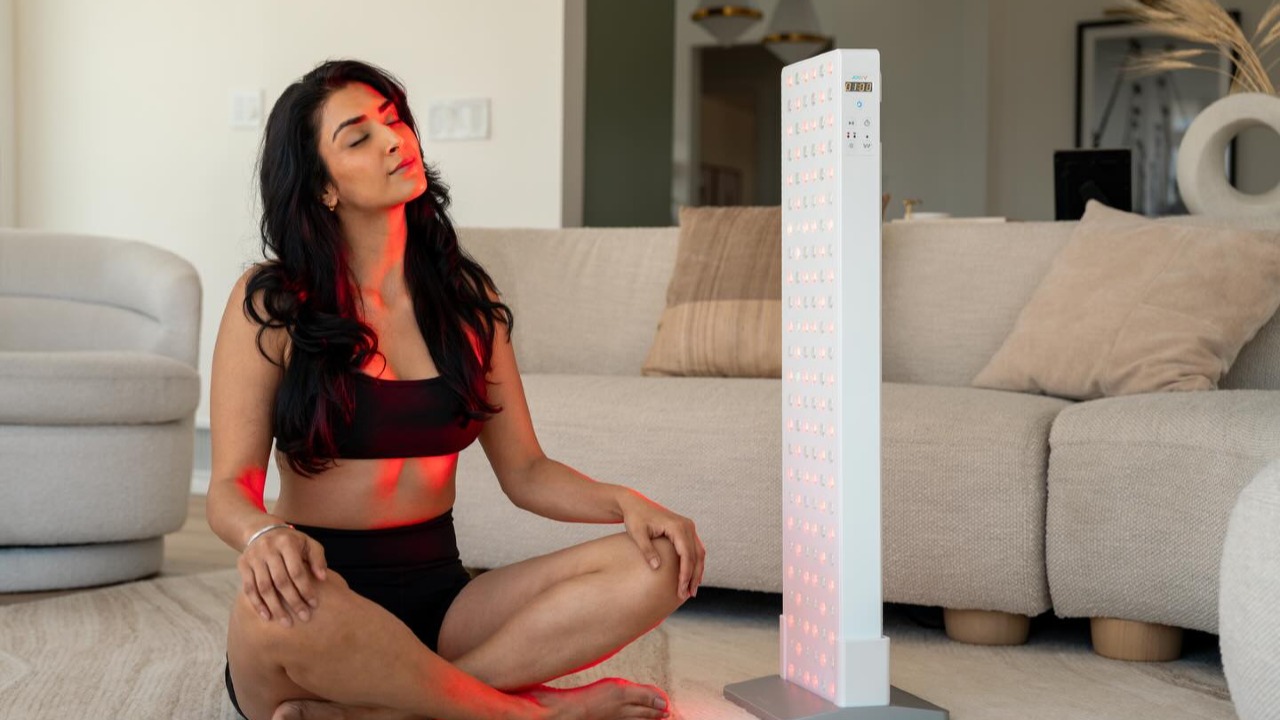
It’s large enough to feel like a real piece of equipment, but not so large that it demands a dedicated recovery room. Most people end up placing it in a bedroom, home gym, or office corner — somewhere accessible enough to use regularly without needing to think about it.
Joovv has clearly designed this system with that kind of integration in mind. It’s not just about performance specs; it’s about making the experience feel simple enough that you’ll actually stick with it.
Setup is relatively straightforward. Once mounted or placed on a stand, there’s very little ongoing effort required. That matters more than it might seem. The fewer steps involved, the more likely something becomes part of your routine rather than an occasional experiment.
Form factor and design choices
The Solo 3.0 has a clean, minimal design that feels intentional without being overly styled. It’s the kind of device that doesn’t draw too much attention to itself, which can be important if it’s sitting in a shared space.
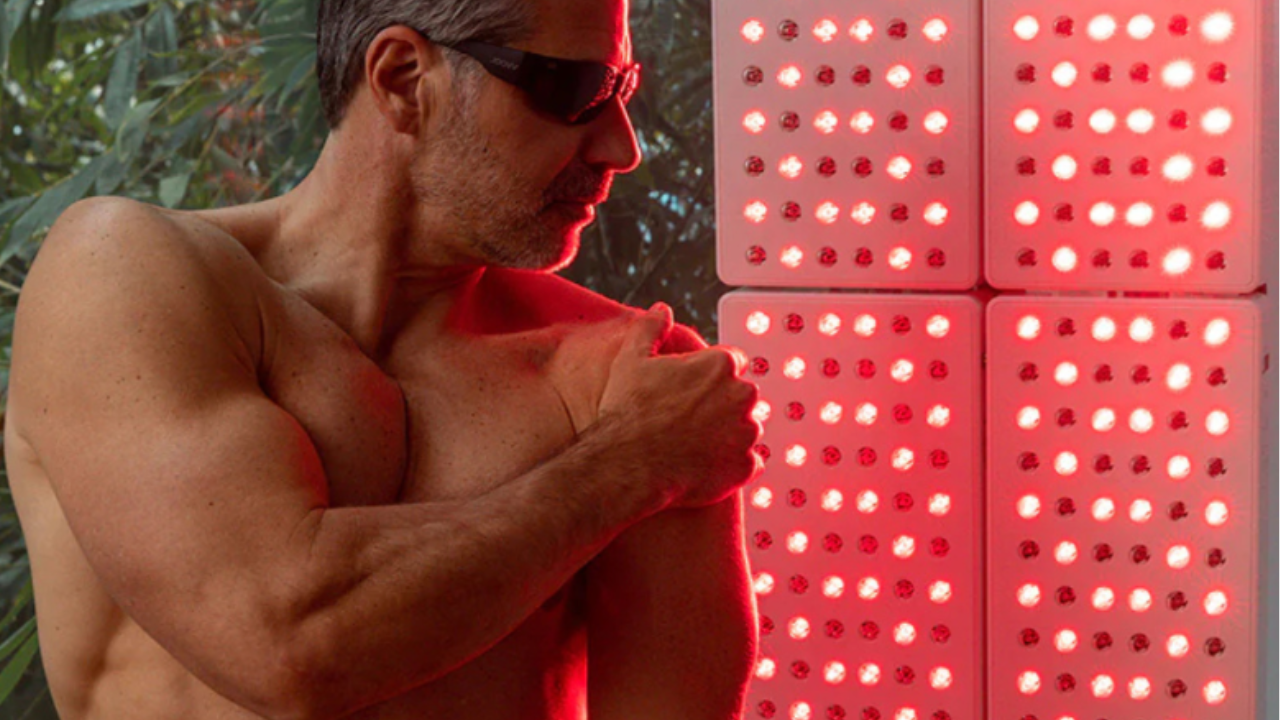
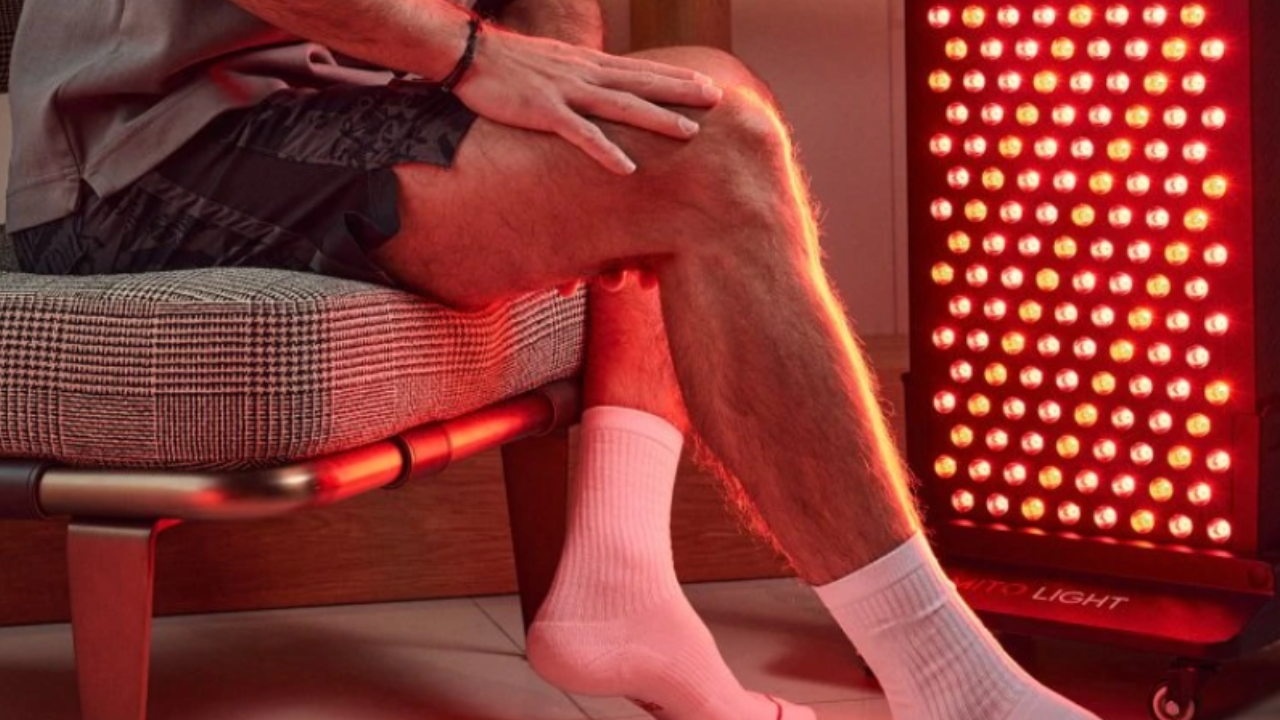
In terms of size, it’s designed for targeted to partial-body use. You can position it for areas like the back, legs, or shoulders, and with some repositioning, it can cover multiple areas in a single session.
Unlike fully modular systems, this isn’t necessarily built to expand into a large wall of panels. That’s a deliberate choice. It keeps the system simpler and more contained, which appeals to people who want something effective without turning their space into a full recovery zone.
Features that actually influence the experience
What matters most in a panel like this isn’t the number of features — it’s how those features translate into everyday use.
The Solo 3.0 focuses on delivering consistent light output across a usable area, with wavelengths commonly associated with both surface-level and deeper tissue support. That’s fairly standard for higher-quality panels, but the execution is what separates average devices from ones people stick with.
Another notable element is the built-in treatment programs. Instead of manually adjusting everything, you can select pre-set modes depending on what you’re focusing on. This removes a layer of decision-making, which can make a bigger difference than expected over time.
There’s also an emphasis on ease of use. Controls are straightforward, sessions are easy to start, and the system doesn’t require constant adjustment. It’s designed to reduce friction, which is often the hidden factor behind whether a device becomes part of your routine or not.
For current configurations and options, it’s best to check the official Joovv site, as the Solo line has evolved over time.
What it’s like to use regularly
Using the Solo 3.0 feels simple almost immediately.
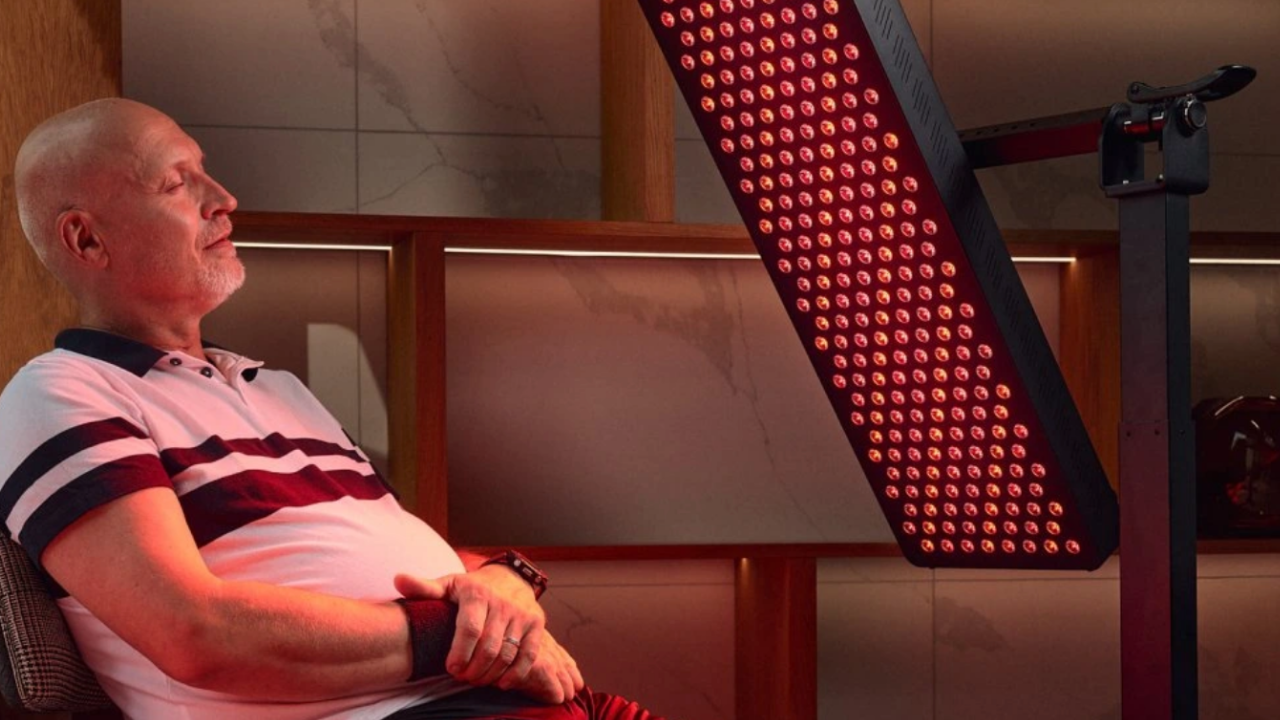
There’s no real learning curve. You position yourself, start the session, and let it run. The experience is quiet and passive, which makes it easy to pair with other parts of your day — listening to something, winding down, or just taking a short break.
What tends to stand out isn’t a dramatic shift after a single session, but how easy it is to come back to it. That’s where this system does well. It removes enough friction that consistency feels realistic rather than forced.
Over time, that consistency is what most users are aiming for. Red light therapy isn’t typically about immediate, obvious changes. It’s about subtle improvements that build gradually, supported by regular use.
Where this panel makes the most sense
The Solo 3.0 works particularly well for people who want a structured but manageable entry into red light therapy.
It’s a good fit if you:
- want something reliable without overcomplicating your setup
- prefer a system that’s easy to use consistently
- don’t need a full-body wall of panels
- value design and simplicity alongside performance
It also fits well into smaller recovery setups, where space and simplicity matter as much as capability.
Where it might fall short for some users
If you’re aiming for full-body exposure in a single session, this setup may feel limiting. You can cover multiple areas, but it requires repositioning rather than a single, comprehensive session.
It’s also not the most expandable system in the category. If your long-term goal is to build a larger, more complex setup, you may end up looking at more modular options.
And while the simplicity is a strength, some users may prefer more control over settings and customization.
Pricing and positioning
The Joovv Solo 3.0 sits in the premium range of red light therapy panels.
It’s priced higher than many entry-level options, reflecting its design, build quality, and brand positioning. At the same time, it’s more contained than large modular systems, which can push pricing significantly higher depending on configuration.
As with most devices in this category, pricing can vary based on the specific model and any bundled accessories.
For the most accurate and current pricing, it’s best to check directly on the official Joovv website.
Who this is a good fit for
People building a home recovery routine
If you’re creating a consistent recovery habit at home, this panel fits naturally into that structure without requiring a full dedicated space.
People who value simplicity and consistency
If you’re more likely to use something that feels easy and intuitive, this system supports that behavior.
People investing in long-term recovery
If your focus is on maintaining mobility, recovery, and general wellness over time, this offers a steady, repeatable way to support that.
When something else might make more sense
If you’re looking for maximum coverage in a single session, a larger or modular panel system might be a better fit.
If portability is a priority, smaller or more compact devices may be easier to move and store.
And if you’re still in the early stages of exploring red light therapy, a lower-cost entry point might make more sense before committing to a premium system.
Closing perspective
The Joovv Solo 3.0 doesn’t try to overwhelm you with complexity or push you toward building a full recovery room from day one. Instead, it offers something more contained — a system that’s easy to understand, easy to use, and realistic to stick with over time.
That might not sound like a defining feature at first, but in practice, it often is. The best recovery tools aren’t just the ones with the most advanced specs. They’re the ones that quietly become part of your routine.
If you’re looking for a red light therapy panel that fits into your space without taking it over — and supports consistency without adding friction — this is the kind of system that tends to make sense after you’ve looked at everything else.