The Body's Response to Cold Water
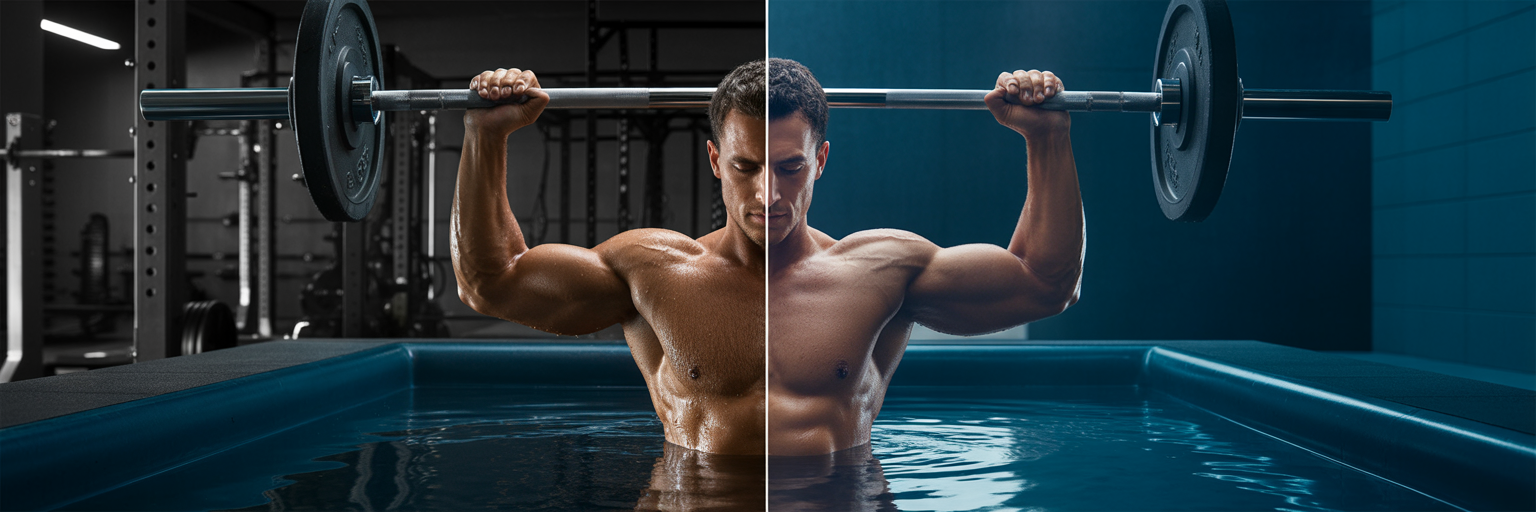
The image is iconic: an athlete, grimacing, submerged to the neck in a tub of icy water. It’s the picture of grit and dedication, a ritual we associate with peak performance and rapid recovery. After a workout that leaves your muscles screaming, the idea of a cold plunge feels both intimidating and promising. We’ve all felt that deep, satisfying ache of delayed onset muscle soreness (DOMS), and we’ve been told this is the cure. But is the practice as straightforward as it appears? Are you getting all the cold plunge benefits you could be, or are you just getting cold?
When you step into cold water, your body initiates a powerful, primal response to protect itself. The first thing that happens is vasoconstriction. Your peripheral blood vessels, the ones near the surface of your skin and in your limbs, clamp down. This is your body’s intelligent way of shunting blood toward your core to preserve your internal temperature. You feel it as a sharp, tingling sensation as your circulation centralizes. This isn’t just about staying warm; it’s the first step in a profound physiological process.
The real magic happens when you get out. Your body, sensing the threat is over, quickly reverses course. Those same blood vessels that narrowed now open wide in a process called vasodilation. This creates a powerful rebound effect, a circulatory “flush” that sends fresh, oxygenated blood rushing back into your muscle tissues. Think of it like wringing out a sponge. The cold squeezes out metabolic byproducts, like lactate and other cellular waste that accumulate during intense exercise, and the subsequent warmth floods the area with nutrients needed for repair. This flushing mechanism is the primary reason a cold plunge for muscle recovery is so effective at reducing inflammation, swelling, and that familiar next-day soreness.
But here is where the common understanding often stops short. While this process is fantastic for managing soreness and helping you feel better faster, its interaction with the signals that actually build muscle is far more nuanced. The very inflammation the cold water dampens is also a critical trigger for growth. This creates a conflict for anyone whose goals go beyond just feeling less sore. Understanding this conflict is the key to moving from simply using a cold plunge to strategically applying it.
Finding the Optimal Temperature and Duration
In the world of cold plunging, there’s a pervasive myth that colder is always better and longer is a sign of mental toughness. We see influencers sitting in near-freezing water, acting as if they’ve conquered the arctic, and assume that’s the goal. This “hero-dose” approach, however, often does more harm than good. Subjecting your body to extreme cold for extended periods can place immense stress on your nervous system, triggering a pure survival response that offers no additional recovery advantage. It’s the difference between a therapeutic tool and a self-imposed punishment.
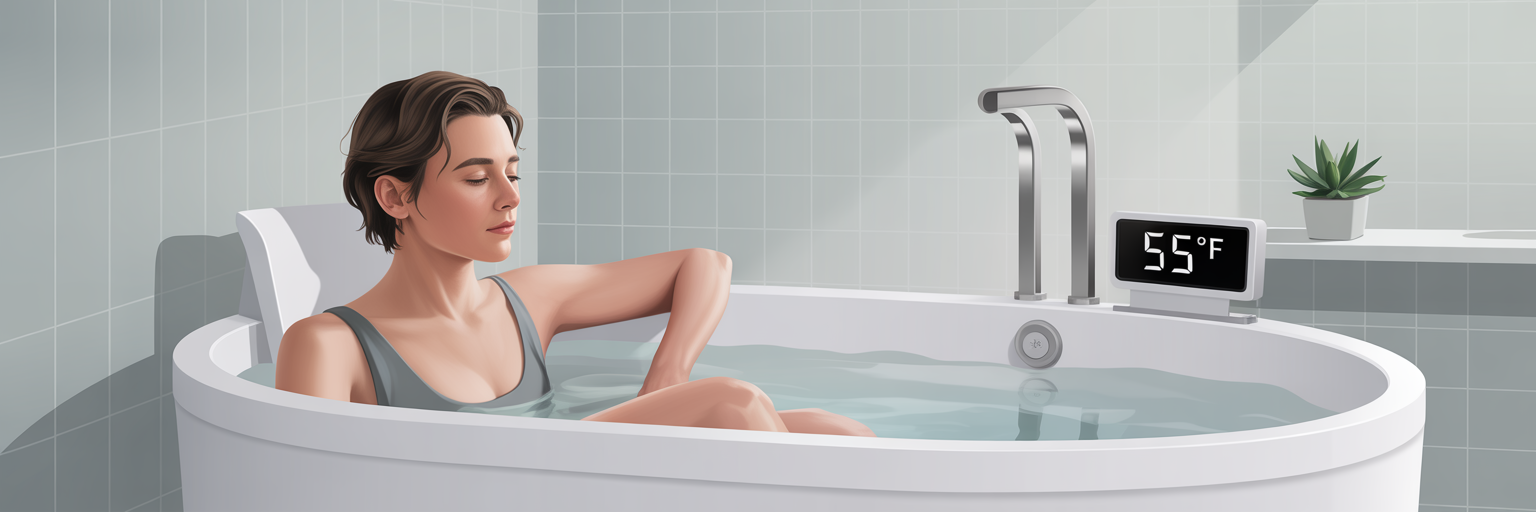
Research and practical application have identified a much more effective and sustainable approach. The optimal cold plunge temperature for muscle recovery lies in a specific window: 50–59°F (10–15°C). This range is the sweet spot. It’s cold enough to trigger the powerful vasoconstriction needed to flush out metabolic waste and reduce inflammation, but not so cold that it sends your system into a state of shock. At these temperatures, you can achieve the desired physiological response without the excessive strain of a near-freezing plunge.
Just as important as temperature is duration. Studies, like a notable report in the Journal of Physiology, have shown that a duration of 10 to 15 minutes is sufficient to significantly reduce muscle soreness and markers of inflammation. Staying in longer provides diminishing returns and can even increase the risk of issues like non-freezing cold injury. The goal is precision, not endurance. The challenge, of course, is maintaining that precise temperature. Anyone who has tried to manage a cold plunge with bags of ice from the gas station knows the struggle. The water is often too cold initially and warms up too quickly, making a consistent, optimal session nearly impossible.
This is where modern systems have transformed the practice. Temperature-controlled tubs, such as the Plunge Chill, remove all the guesswork. They allow you to set the water to the exact degree you need and hold it there, ensuring every session is perfectly calibrated for your recovery goals. For those seeking a more portable or budget-conscious option, products like Ice Blankets can also help maintain cooler temperatures more effectively than ice alone. Having access to one of these at-home cold plunge tubs turns a chaotic ritual into a reliable and scientific protocol, focusing your efforts on efficiency rather than brute force.
| Goal | Temperature Range | Duration | Primary Outcome |
|---|---|---|---|
| Nervous System Activation (Pre-Workout) | 45-55°F (7-13°C) | 1-3 Minutes | Increased alertness, focus, and dopamine release. |
| Optimal Muscle Recovery (Post-Workout) | 50-59°F (10-15°C) | 10-15 Minutes | Reduced inflammation, muscle soreness, and metabolic waste. |
| Building Cold Tolerance | 55-65°F (13-18°C) | 5-10 Minutes | Adapting the body to cold stress with lower intensity. |
| Ineffective or Risky | Below 45°F or Above 65°F | Over 20 Minutes | Diminishing returns, excessive stress, and potential health risks. |
The Critical Importance of Timing Your Plunge
Once you’ve dialed in the right temperature and duration, you face the most critical variable of all: timing. The question of when to cold plunge after workout sessions is not just a matter of convenience; it’s a strategic decision that can either accelerate your goals or actively work against them. The right answer depends entirely on what you are training for. The needs of a powerlifter are fundamentally different from those of a marathon runner, and their recovery protocols should reflect that.
Timing for Muscle Growth (Hypertrophy)
If your primary goal is to build muscle size and strength, plunging into an ice bath immediately after a resistance workout is one of the worst things you can do. It feels counterintuitive, especially when you’re sore, but the science is clear. A tough lifting session creates microscopic tears in your muscle fibers. This damage triggers a localized inflammatory response, which acts as a crucial signal for your body to begin the repair and growth process. This inflammation is not the enemy; it’s the messenger that tells your body to send resources to build bigger, stronger muscles.
When you introduce intense cold right away, you blunt this essential signal. The cold water significantly reduces inflammation and interferes with key muscle-building pathways, particularly the mTOR pathway and satellite cell activity, which are fundamental to muscle protein synthesis. In short, you’re cutting off the conversation your muscles need to have to grow. This makes the timing of a cold plunge for hypertrophy absolutely critical. To get the soreness-reducing benefits without sacrificing your gains, the rule is simple: wait at least four hours after your workout before plunging. Even better, save your cold plunges for your rest days. This allows you to manage systemic inflammation and improve recovery between sessions without interfering with the acute, localized signals needed for muscle adaptation.
Timing for Endurance and Skill-Based Athletes
Now, let’s consider the opposite scenario. If you’re a runner, cyclist, swimmer, or a team-sport athlete who trains multiple times a day or on consecutive days, your priority is different. Your main goal isn’t necessarily maximizing muscle size; it’s about recovering as quickly as possible so you can perform at a high level in your next session. For you, the script is flipped: immediate post-workout immersion is ideal.
For endurance and skill-based athletes, the inflammation from a workout is less of a growth signal and more of a performance inhibitor. The primary objective is to clear out metabolic waste, reduce muscle damage, and calm joint inflammation as rapidly as possible to accelerate your readiness for the next training bout. Plunging within an hour of finishing your workout does exactly that. It kickstarts the recovery process, minimizes soreness, and helps you feel fresher for your next run, ride, or practice. This approach prioritizes rapid recovery over adaptation, which is precisely what these athletes need. Understanding this distinction is the first step in building a recovery system that truly serves your goals, whether that involves a cold plunge, an infrared sauna blanket, or a combination of tools.
Using Cold Plunges to Enhance Performance
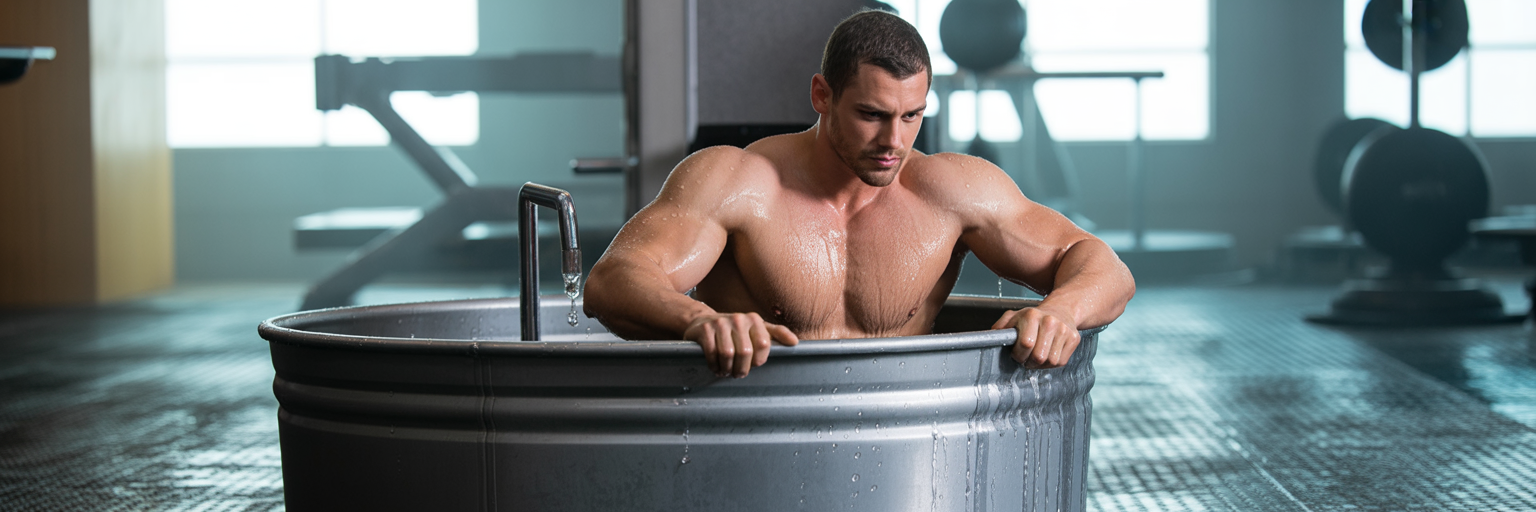
So far, we’ve focused entirely on the cold plunge as a post-workout recovery tool. But what if its most potent application had nothing to do with recovery at all? For many elite athletes and biohackers, the secret lies in using the cold plunge *before* a workout to potentiate performance. This shifts its function from a recovery device to a natural, powerful pre-workout supplement.
The mechanism behind this is purely neurochemical. When you expose your body to a brief but intense cold shock, you trigger a massive release of norepinephrine and dopamine in your brain. Don’t think of these as abstract chemicals; they are your body’s own agents of focus, motivation, and drive. Norepinephrine sharpens your alertness and narrows your focus, creating a state of heightened readiness. Dopamine is tied to your motivation and reward circuits, giving you the mental push to initiate and sustain hard effort.
The result is a tangible feeling of mental clarity and drive that can transform your training session. This neurochemical surge can also increase your pain tolerance, allowing you to push through the discomfort of a tough set or a high-intensity interval more effectively. Many people find this state of clean, focused energy to be a far better alternative to stimulant-based pre-workout powders, which often come with jitters, anxiety, and an inevitable crash. A pre-workout plunge offers a mental edge without the side effects.
The protocol for this is completely different from a recovery session. You’re not trying to cool your muscles down. The goal is a short, sharp shock to activate the nervous system. A plunge of just one to three minutes in water between 45-55°F is all it takes to flip that switch. This highlights the incredible versatility of a home cold plunge system. It’s not just a one-trick pony for soreness; it’s a dynamic tool that can be programmed to either down-regulate your system for recovery or up-regulate it for peak performance.
Advanced Protocols and Common Mistakes
Once you’ve mastered the basics of temperature, duration, and timing, you can begin to explore more advanced protocols to refine your practice. One of the most effective is contrast therapy, which involves alternating between hot and cold environments. This creates a powerful physiological effect that can enhance recovery even more than cold immersion alone.
Contrast Therapy: The “Pump” Protocol
Imagine moving from the deep, penetrating warmth of an infrared sauna blanket directly into a cold plunge. The heat causes profound vasodilation, opening up your blood vessels to their widest point. The immediate switch to cold triggers rapid vasoconstriction, clamping them down. Repeating this cycle two or three times creates a dynamic “pump” throughout your circulatory system. This rapid expansion and contraction pushes and pulls blood through your tissues far more vigorously than a cold plunge alone, dramatically accelerating the removal of metabolic waste and the delivery of oxygen and nutrients to tired muscles. It’s a highly efficient way to supercharge your body’s natural recovery processes.
Common Mistakes to Avoid
As you integrate cold plunging into your routine, it’s easy to fall into a few common traps. Avoiding these mistakes will make your sessions safer, more comfortable, and far more effective.
Holding your breath: The natural reaction to cold shock is to gasp and hold your breath. This activates your sympathetic "fight-or-flight" nervous system. Instead, focus on long, slow exhales. This signals to your body that you are safe, helping you calm the initial shock and adapt to the cold.
Going too cold, too soon: Don’t try to be a hero on your first plunge. Start with more moderate temperatures (around 60-65°F) and shorter durations. This allows your body and mind to adapt to the stress of the cold, building tolerance over time.
Ignoring your body’s signals: There’s a difference between the discomfort of being cold and a sign of genuine distress. Uncontrollable, violent shivering is your body’s signal that it’s losing heat too quickly. Listen to it and get out. Pushing through this point offers no extra benefit.
Plunging when ill or overly fatigued: A cold plunge is a form of stress. While it’s a beneficial stress (hormesis) when you’re healthy, adding it on top of illness or extreme systemic fatigue can overwhelm your system and hinder recovery.
Finally, remember that a cold plunge is just one tool in your recovery toolbox. Its benefits can be amplified when stacked with other modalities. For instance, you might use a cold plunge for acute, post-workout inflammation control, while using technologies like PEMF therapy mats or red light therapy panels from brands like Mito Health on different days to support deeper cellular repair and energy production.
Building Your Personal Recovery Protocol
If there is one thing to take away, it is this: a cold plunge is not a blunt instrument but a precision tool. Its effectiveness has less to do with your tolerance for discomfort and everything to do with your understanding of your own goals. The one-size-fits-all approach of simply getting into cold water and toughing it out is outdated. True optimization comes from personalizing the protocol to achieve a specific outcome.
You now have the framework to do just that. You can abandon the generic advice and start thinking like a programmer for your own physiology. If you’re a lifter focused on building muscle, you know to use your plunge on rest days or long after your session to aid recovery without blunting growth signals. If you’re an endurance athlete, you know to plunge immediately after a hard effort to get back to training faster. And if you need a clean, powerful mental boost before a big workout or important event, you know that a short, sharp plunge is your secret weapon.
Viewing your cold plunge tub as a programmable device, rather than just a tub of cold water, is the final step in mastering this practice. Understanding these principles is the foundation, but applying them consistently requires having the right system in place. The next step is to explore the recovery solutions designed to give you that control, helping you build a truly personalized and effective wellness routine right at home. By matching the right tools to your specific goals, you can ensure that every minute you spend on recovery is driving you forward.
When you're ready to create a system that works for you, exploring a curated selection of recovery technologies can help you find the perfect fit for your personal protocol.