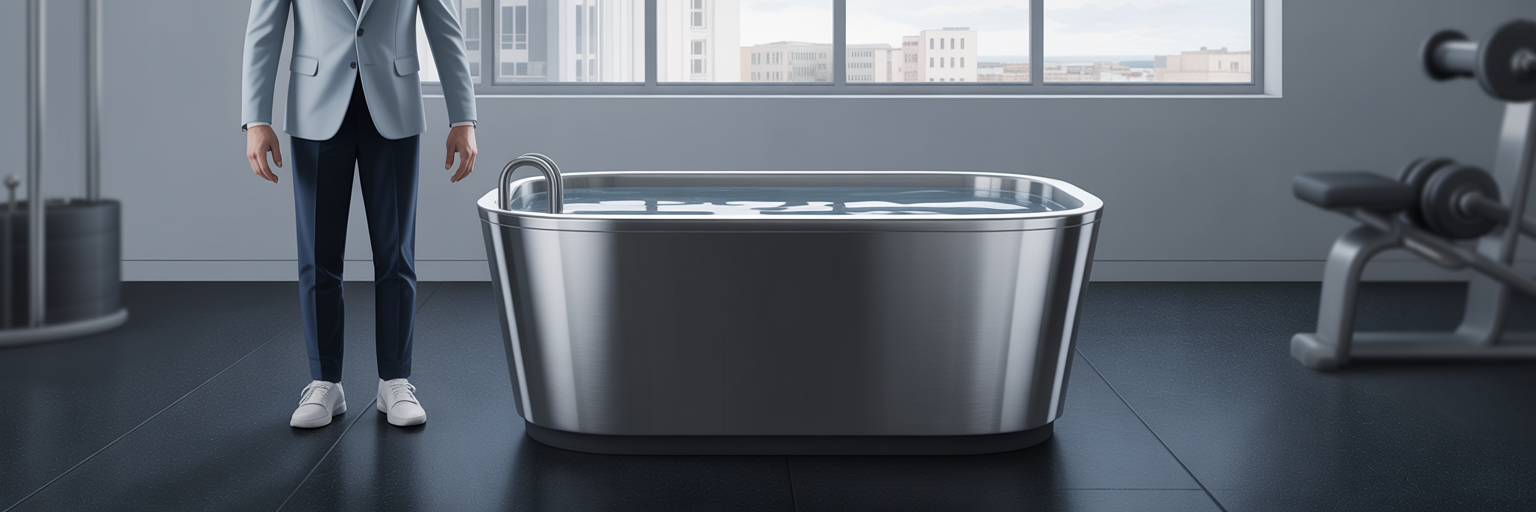
Why Cold Plunges Fit a Hectic Schedule
A demanding professional life often means high stress, a mind that refuses to switch off after hours, and very little time for complex wellness routines. We can all picture that feeling of mental fatigue at the end of a long day. The common assumption is that adding another activity, even for wellness, is impossible. But what if the solution wasn't about adding more time, but about making the minutes you have more impactful?
This is where cold water immersion comes in. It’s not another time-consuming obligation but a remarkably efficient practice. The benefits, including sharper mental clarity, reduced inflammation, and greater resilience to stress, are disproportionately large for the small time commitment required. A few minutes in cold water can reset your nervous system more effectively than an hour of passive relaxation. It forces a state of mindful presence that cuts through the mental clutter of a packed schedule.
Think of it as a strategic intervention. For those navigating the pressures of a high-performance career, a cold plunge for busy professionals is less a luxury and more a tool for sustained output. It’s about reclaiming your focus and energy in the most efficient way possible. This guide is designed to respect your biggest constraints: time, budget, and space. We will show you how to integrate this powerful practice into your life without adding more complexity.
Cold Plunge Essentials for Optimal Results
To get the most out of cold plunging, you don’t need to endure dangerously icy temperatures or spend hours in the water. The science points to a more sustainable and effective approach. Following a clear protocol ensures you get the benefits without the burnout, making the habit easier to stick with.
Optimal Temperature: The most effective and sustainable temperature range is between 50–59°F (10–15°C). This window is cold enough to trigger the desired physiological responses, like reducing muscle soreness, but manageable enough to build a consistent practice.
Minimum Effective Dose: The concept of a minimum effective dose makes this practice feel achievable. As noted in a guide by The Insight Feed, a total of 11 minutes of immersion per week, broken into three or four short sessions, is a well-supported target for boosting mood and alertness.
Strategic Timing: Here’s a crucial piece of advice: avoid plunging immediately after a strength training session. The inflammatory response you are trying to reduce is actually a necessary signal for muscle growth. Plunging too soon can blunt these gains. Give your body a few hours to begin its natural recovery process first.
Safety First: If you are new to cold exposure, adopt a “start low and go slow” mindset. Begin with warmer water, around 60°F, and stay in for just a minute or two. This allows your body to adapt and helps you build the mental confidence to continue.
While cold plunging is a powerful recovery tool, it's helpful to understand how it fits within a broader wellness routine. For those weighing their options, we've analyzed the differences in our guide on cold plunge vs. infrared sauna blanket.
Three Tiers of At-Home Cold Plunge Setups
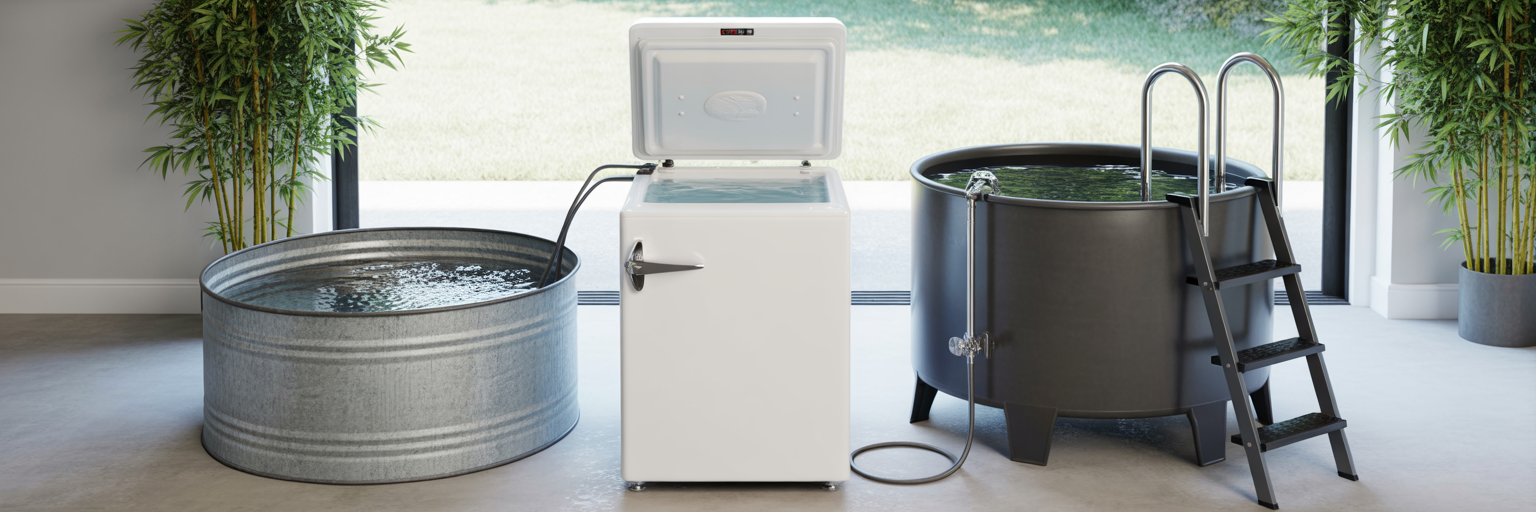
Choosing an at-home cold plunge setup comes down to balancing your budget with your desire for convenience. For a busy professional, time spent on maintenance is a critical factor. Here’s a breakdown of the three main options, from the simple starting point to the fully automated solution.
Tier 1: The Budget-Friendly Starter (Stock Tank/Portable Tub)
This is the most accessible entry point. A simple stock tank from a hardware store or an inflatable portable tub provides a basic vessel for cold water immersion. The primary advantage is the extremely low initial cost. However, the trade-off is significant. This setup requires constant manual effort. You will be buying, transporting, and adding bags of ice for every session and changing the water frequently to keep it clean. For someone with a packed schedule, this daily upkeep can quickly become a barrier to consistency.
Tier 2: The DIY Enthusiast's Choice (Chest Freezer Conversion)
The DIY cold plunge freezer has become a popular middle ground for good reason. By converting a standard chest freezer into a cold plunge, you get automated temperature control on a budget. An external temperature controller turns the freezer on and off to keep the water at your desired setting, eliminating the need for daily ice runs. While it requires some upfront assembly and research, the long-term convenience is a major step up from a basic tub. Maintenance is less frequent, typically involving monthly water and filter checks.
Tier 3: The Premium, Time-Saving Solution (Purpose-Built Units)
For those who value time above all else, purpose-built cold plunge units are the ultimate solution. These systems are designed for maximum convenience. They feature integrated chilling, powerful filtration, and advanced sanitation systems like ozone or UV, which keep the water cold and clean for months at a time. There is no setup, no manual labor, and minimal maintenance. You simply set your temperature and it’s ready whenever you are. This is the "set it and forget it" option that removes every possible friction point. For those who see time as their most valuable asset, exploring our curated collection of cold plunge tubs is the logical next step.
| Setup Tier | Estimated Cost | Maintenance Effort | Key Advantage |
|---|---|---|---|
| Stock Tank / Portable Tub | $40 - $150 | High (Daily ice, frequent water changes) | Lowest initial investment |
| DIY Chest Freezer | $400 - $800 | Medium (Monthly filter/water checks) | Automated cooling on a budget |
| Purpose-Built Unit | $1,600+ | Low (Automated filtration & sanitation) | Maximum convenience and time-saving |
Note: Costs are estimates and can vary based on size, materials, and additional components. Maintenance effort assumes regular use.
Planning Your Plunge Space Safely
Before you purchase or build your setup, it’s essential to address the practical logistics. Overlooking these details can lead to serious issues, from property damage to safety hazards. A few minutes of planning now will save you major headaches later.
Weight and Structural Support: This is the most critical and often underestimated factor. Water is heavy. A 100-gallon setup, once filled with water and including the unit itself, can weigh nearly 1,000 pounds (450 kg). If you plan to install your plunge on any floor other than a ground-level concrete slab, you must verify that the floor can handle the load.
Electrical Safety: Any setup with electrical components, like a chiller or a freezer conversion, must be plugged into a GFCI (Ground Fault Circuit Interrupter) protected outlet. This is non-negotiable, as it protects you from electrical shock in a wet environment. Chillers and freezers can also draw significant power, so a dedicated circuit is often recommended to prevent overloads.
Humidity and Mold Prevention: An indoor cold plunge will introduce moisture into the air. If indoor humidity consistently exceeds 65%, it can create an environment for mold and mildew. Plan for proper ventilation. An exhaust fan or a good quality dehumidifier placed near the unit is a wise investment.
Spatial Planning: Don't just measure for the unit itself. You need adequate space for safe entry and exit, as well as room to access components for maintenance. Even a space saving cold plunge unit requires sufficient clearance around it to be used safely and effectively.
As you design your recovery corner, you might find more inspiration on our blog, where we explore a range of wellness technologies and how to integrate them into your home.
Low-Friction Cold Plunge Maintenance
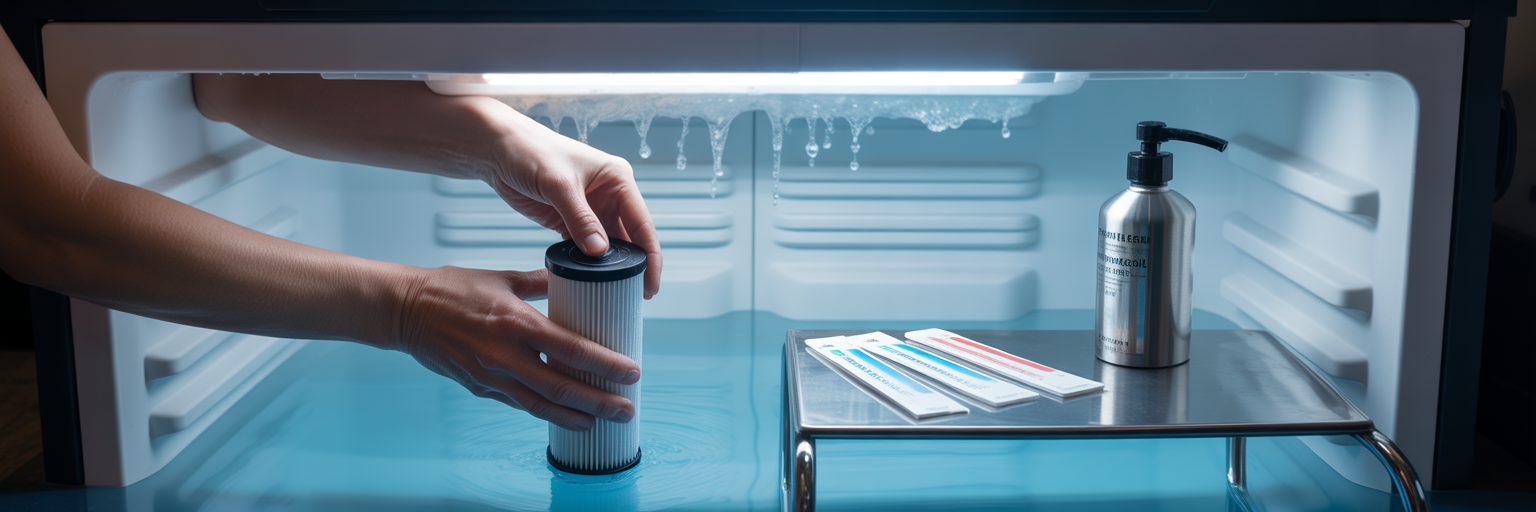
The secret to a lasting cold plunge habit isn't just motivation; it's minimizing friction. If maintenance feels like a chore, you are less likely to use your plunge. Therefore, simple and efficient cold plunge maintenance is directly linked to your consistency and results. Sanitation strategies vary widely across the setup tiers. A basic tub requires high-effort daily water changes, whereas DIY and premium units use cartridge filters, ozone generators, or hydrogen peroxide to keep water clean for weeks or months.
To make upkeep feel manageable, create a simple schedule.
Weekly: Test your water chemistry.
Monthly: Clean or replace your filter cartridge.
Quarterly: Perform a partial water change.
This structure turns a daunting task into a series of small, predictable actions. A great tip is to create a designated maintenance kit with everything you need, like test strips, filters, and cleaning supplies, stored in one easy-to-access place.
When you search for advice online, the quality of information can vary wildly. For example, a search for maintenance tips might yield surprisingly unhelpful results from an irrelevant database, like this entry: "No relevant backlinks are available... chic iPhone cases...". This just highlights why relying on dedicated, expert sources for your maintenance questions is so important.
Making Your Cold Plunge a Lasting Habit
The best setup is the one you use consistently. Integrating a cold plunge into your life is a matter of behavioral psychology, not just willpower. Instead of trying to force a new routine, anchor it to an existing one. This technique, known as "habit stacking," makes the new behavior feel automatic. Try placing your plunge immediately after your morning meditation or as a cooldown following a cardio session.
Next, treat your plunge sessions with the same importance as a business meeting. Use "time blocking" to schedule your three or four weekly plunges directly into your digital calendar. When it's on the schedule, it's no longer an option; it's a commitment. This removes the daily decision-making that can lead to procrastination.
Finally, embrace a mindset of consistency over intensity. A regular three-minute plunge at a manageable 55°F is far more beneficial than an occasional, dreaded plunge at 39°F that leads to burnout and avoidance. The goal is to create a sustainable practice that serves you for years. Your at-home cold plunge setup should be viewed not as a chore, but as a strategic asset for managing your energy, focus, and resilience. It is an essential tool in a high-performer's lifestyle. When you're ready to build this routine, our Start Here page is the perfect resource to guide your next steps.