
Every function in the human body, from muscle contraction to tissue repair, is powered by cellular energy. When this intricate system is compromised by physical stress, injury, or chronic strain, recovery stalls and performance declines. While many recovery tools target symptoms like soreness or inflammation, a more sophisticated approach addresses the root cause at the cellular level. This is where the strategy to combine red light therapy and PEMF mats offers a comprehensive solution, creating a powerful synergy that goes beyond what either therapy can achieve alone.
Thinking of these two technologies as partners is helpful. Pulsed Electromagnetic Field (PEMF) therapy acts as a system-wide reset, preparing your body’s internal environment for healing. It improves cellular communication and enhances conductivity. Following that, red light therapy delivers a targeted energy boost directly to the cells that need it most, fueling the actual work of repair and regeneration. Using only one of these modalities is certainly beneficial, but it can be like trying to charge a device with a faulty cable. PEMF therapy essentially repairs the cable, ensuring the energy from red light therapy is delivered efficiently and used effectively.
When your body is fatigued or injured, your cells enter a state of distress. Their electrical charge diminishes, communication between them falters, and their ability to produce energy plummets. This dysfunction is what manifests as inflammation, pain, and prolonged soreness. By addressing both the cellular environment and the energy supply, you create a recovery process that is not just faster but fundamentally more complete. This integrated approach targets the full spectrum of cellular needs, moving beyond simple symptom management to support true biological restoration.
Why Combine Red Light Therapy and PEMF Mats?
To understand the synergy between these two technologies, it helps to see them as addressing two distinct but complementary aspects of cellular health. While both contribute to recovery, they operate through different mechanisms. PEMF therapy focuses on restoring the foundational electrical balance of your cells, while red light therapy provides the direct fuel needed for repair. This combination creates a one-two punch that optimizes the entire healing cascade, from preparation to execution.
Imagine your cells as tiny batteries. Over time, through intense exercise, injury, or chronic stress, these batteries lose their charge. Their voltage drops, and they become less efficient at performing their duties, including taking in nutrients, eliminating waste, and communicating with neighboring cells. This is where PEMF therapy comes in. It doesn't just mask the symptoms of fatigue; it addresses the underlying electrical deficit. By introducing a low-frequency electromagnetic field, PEMF helps to recharge the cell membrane, restoring its optimal electrical potential. This process is crucial because a properly charged membrane governs the flow of ions like sodium, potassium, and calcium, which are essential for nearly every biological function.
This cellular recharge has profound systemic effects. It enhances circulation, allowing more oxygen and nutrients to reach damaged tissues. It also helps shift your autonomic nervous system from a sympathetic "fight or flight" state to a parasympathetic "rest and digest" state. This calming effect is critical, as true healing cannot occur when the body is in a state of high alert. By creating this relaxed, receptive internal environment, PEMF therapy primes your entire system, making every cell more prepared to absorb and utilize energy for repair. It sets the stage for the next, more targeted phase of recovery.
How PEMF Primes the Body for Repair
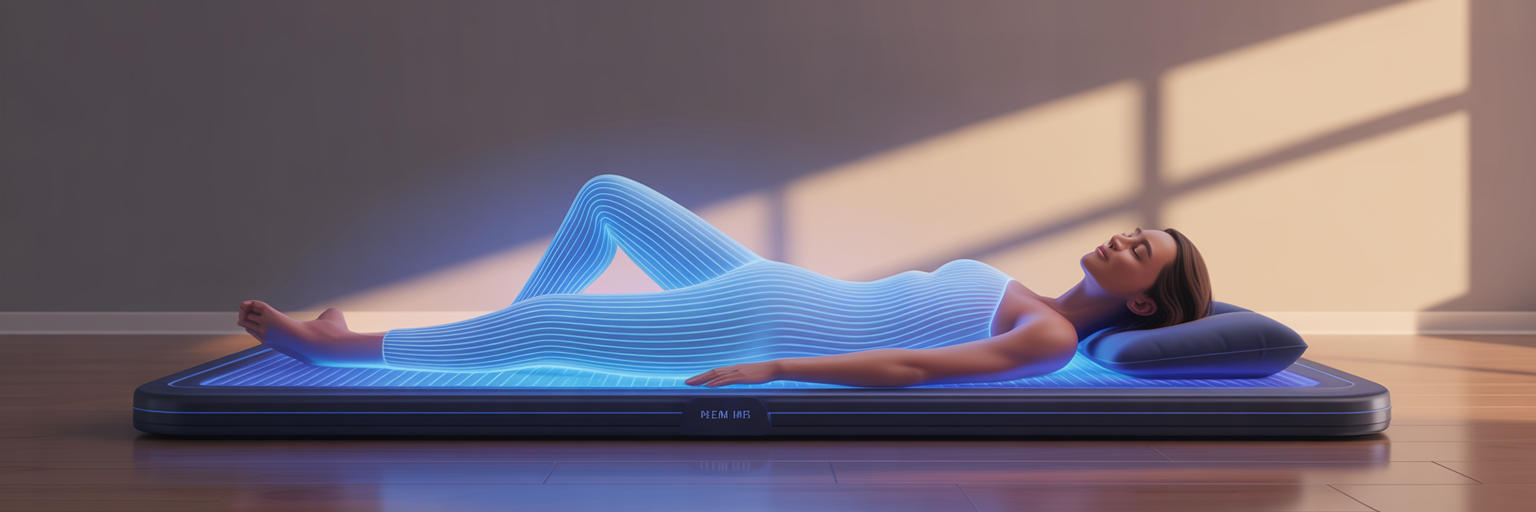
Pulsed Electromagnetic Field (PEMF) therapy is a non-invasive technology that uses low-frequency energy pulses to stimulate and optimize cellular function. Think of it less as a direct treatment for a specific ailment and more as a foundational tool that enhances your body's innate ability to heal itself. Its primary role in a stacked recovery protocol is to prepare the biological terrain, ensuring that subsequent therapies can work with maximum efficiency.
The core mechanism of PEMF revolves around the cell membrane. A healthy cell maintains a specific electrical charge, or membrane potential, which is vital for the transport of ions in and out of the cell. When a cell is stressed or damaged, this charge weakens, impairing its ability to function. PEMF therapy works by inducing a gentle electrical current within the tissues, which helps to restore this natural charge. This optimization of the cell membrane is fundamental to all recovery processes. It improves the cell's ability to absorb nutrients, expel waste products, and communicate effectively with its neighbors. To understand the full scope of its function, it is helpful to explore the question of what is PEMF therapy in greater detail.
By improving cellular conductivity, PEMF therapy creates a more receptive environment for other treatments. When cells are properly charged, they are better equipped to absorb the light energy delivered by red light therapy. Furthermore, PEMF has a significant impact on circulation. The gentle pulses stimulate blood flow and lymphatic drainage, helping to deliver oxygen-rich blood to injured areas while clearing out inflammatory byproducts. This systemic effect ensures that the entire body is primed for repair, not just a single localized area. It calms the nervous system, reduces systemic inflammation, and prepares your tissues to fully leverage the regenerative power of the therapy that follows.
Red Light Therapy for Targeted Regeneration
Once PEMF has prepared the body by optimizing cellular function and circulation, red light therapy (RLT) steps in to provide the direct fuel for repair. Also known as photobiomodulation, this technology uses specific wavelengths of red and near-infrared light that penetrate the skin and are absorbed by our cells. Unlike PEMF's systemic influence, RLT can be applied with precision, delivering a concentrated dose of energy to the exact areas that need it most, whether it is a sore muscle group, an aching joint, or inflamed tissue.
The primary target of red light therapy is the mitochondria, often called the "powerhouses" of the cell. These tiny organelles are responsible for producing adenosine triphosphate (ATP), the molecule that serves as the main energy currency for all cellular activities. When red and near-infrared light photons are absorbed by a specific enzyme within the mitochondria, it triggers a cascade of metabolic events that significantly boosts ATP production. This light-driven energy production, a topic explored in a comprehensive 2017 review in the Journal of Photochemistry and Photobiology B: Biology, is the cornerstone of RLT’s therapeutic effects. With more ATP available, cells have the energy they need to repair damage, regenerate tissue, and reduce inflammation more effectively.
This surge in cellular energy translates into tangible benefits. It accelerates the healing of muscles, tendons, and ligaments, making it an invaluable tool for post-workout recovery. It also stimulates the production of collagen, which is essential for skin health and the structural integrity of connective tissues. This makes it a powerful form of cellular repair therapy. By focusing this energy on specific points of injury or pain, you can directly address the source of discomfort and dysfunction. The practice of using red light therapy at home has become a cornerstone of modern recovery protocols, allowing individuals to target problem areas with a consistent and effective red light therapy routine.
Creating Your Integrated Recovery Protocol

Transitioning from understanding the science to applying it in practice is straightforward. The most effective way to combine red light therapy and PEMF mats is to stack them in a specific order: PEMF therapy first, followed immediately by red light therapy. This sequence leverages the priming effect of PEMF, which makes your cells more receptive to the energy delivered by the red light. Think of it as tilling the soil before planting the seeds; the preparation makes all the difference in the final outcome.
A typical integrated session would begin with 15 to 30 minutes on a PEMF mat. This allows the electromagnetic pulses to work systemically, calming your nervous system, enhancing circulation, and charging your cells. Immediately after your PEMF session, you would move to red light therapy for 10 to 20 minutes. During this time, you can focus the light panel on specific areas of concern, such as a sore lower back, tight shoulders, or fatigued leg muscles. For this protocol to yield lasting results, consistency is far more important than duration or intensity. Aim for three to five sessions per week, especially when dealing with a specific injury or during periods of intense training.
Building this protocol involves selecting from a range of at-home recovery systems. You can choose from various PEMF therapy mats and red light therapy panels to suit your space and needs. To make this more concrete, the table below offers sample protocols tailored to common wellness goals.
| Goal | Recommended Timing | PEMF Session | Red Light Therapy Session | Frequency |
|---|---|---|---|---|
| Post-Workout Recovery | Within 1-2 hours of exercise | 20-30 minutes (Full Body) | 10-15 minutes (Targeted on worked muscles) | After each intense workout |
| Chronic Pain Management | Evening, before bed | 30 minutes (Full Body) | 15-20 minutes (Targeted on painful joints/areas) | 4-5 times per week |
| General Wellness & Energy | Morning | 15-20 minutes (Full Body) | 10 minutes (Targeted on torso/back) | 3-4 times per week |
| Sleep Enhancement | 1 hour before bed | 30 minutes (Full Body, low intensity) | 10 minutes (No direct eye exposure, focused on body) | As needed or nightly |
This table provides example protocols based on common wellness goals. Timings and frequencies are suggestions and can be adjusted based on individual response and device specifications.
Benefits for Athletes and Chronic Pain Management
For athletes, the combined PEMF and red light therapy benefits are particularly compelling. Intense physical exertion depletes cellular energy and creates micro-tears in muscle fibers, leading to inflammation and delayed onset muscle soreness (DOMS). The integrated protocol directly counters this process. The initial PEMF session enhances circulation to help clear metabolic waste products like lactic acid, while also calming the nervous system after a demanding workout. The subsequent red light therapy session delivers a powerful dose of ATP-boosting energy directly to the fatigued muscles, accelerating their repair and reducing the window of soreness. This means you can return to training sooner and with greater resilience.
The advantages are just as significant for individuals managing chronic pain from conditions like arthritis, fibromyalgia, or old injuries. Chronic pain is often perpetuated by a cycle of inflammation and cellular dysfunction. PEMF therapy helps break this cycle by reducing systemic inflammation and improving the health of cell membranes in the affected tissues. Following up with targeted red light therapy helps to repair underlying tissue damage and further decrease localized inflammation. Many users report not only a reduction in pain but also an improvement in mobility and function in stiff, painful joints.
Beyond these primary applications, the synergistic protocol offers broader wellness benefits. The calming effect of PEMF on the nervous system, combined with the influence of red light on melatonin production, can lead to deeper, more restorative sleep. Some users also notice improvements in mood and cognitive function, likely due to enhanced circulation and reduced inflammation in the brain. The collagen-boosting effects of red light therapy can also lead to healthier, more resilient skin. It is important to remember that these benefits are cumulative. While a single session may leave you feeling relaxed, the most profound changes in performance and pain relief are realized through consistent, dedicated use over several weeks.
Avoiding Pitfalls for Safe and Effective Use

When incorporating powerful technologies like PEMF and red light therapy into your routine, it is essential to approach them with an informed perspective. One of the most common mistakes is assuming that more is better. Both therapies operate on a principle known as the biphasic dose response, which means there is an optimal range for session duration and intensity. Exceeding the recommended timeframes can actually diminish the therapeutic effects or, in rare cases, lead to a temporary increase in fatigue as the body processes the metabolic changes. Adhering to the suggested 15 to 30 minute sessions for PEMF and 10 to 20 minute sessions for RLT ensures you remain in the most effective therapeutic window.
Safety is also paramount. While both technologies are widely considered safe for home use, there are important considerations. PEMF therapy should be avoided by individuals with pacemakers, cochlear implants, or other implanted electronic devices, as the electromagnetic fields could interfere with their function. It is also generally not recommended during pregnancy. For red light therapy, it is crucial to use appropriate eye protection, as the intense light can be harmful to the retina with direct, prolonged exposure. Additionally, individuals taking photosensitizing medications should exercise caution and consult with their doctor before beginning a red light therapy routine.
Before beginning any new therapy regimen, especially if you have pre-existing health conditions, it is always wise to consult with a qualified healthcare professional. They can help you determine if these modalities are appropriate for your specific situation and guide you in creating a safe and effective protocol. Ultimately, taking the time to understand how these technologies work is the first step toward building a recovery routine that truly fits your body's needs. Continuing to explore the science behind them can empower your wellness journey and help you achieve your health and performance goals.