
New cold plunge owners almost always ask the same practical scheduling question. How many ice baths should I take a week? How often ice bath sessions should I actually be doing every single week? Online answers range wildly from once a week to twice every day. This inconsistency leaves most people genuinely unsure where to actually begin. Frequency very much depends on your individual goal and lifestyle. The truth is there is nothing universal about a timeless number that works for everyone equally well. Now, let us guide you through how to discover your own reasonable weekly flow.
Let Your Goal Drive Frequency
Before picking a number, get clear on why you want to plunge. Someone chasing general stress relief has different needs than a competitive athlete. Someone managing chronic soreness has different needs than someone building mental resilience. These different goals naturally point toward different reasonable weekly frequencies for each. A person seeking daily stress relief might benefit from shorter, more frequent sessions. An athlete managing a demanding competition schedule might plunge more selectively around events. Clarifying your actual goal before choosing a number prevents chasing an arbitrary target. This clarity also helps you evaluate whether your current routine is actually working and when to cold plunge for your specific goals.
Frequency for General Wellness
For people using cold exposure mainly for general wellness, a moderate frequency works. It looks like the sweet spot of sustainability is roughly three to four sessions per week. That frequency is usually sufficient to establish an acceptable level of tolerance and create habits that will become a regular routine. It is also realistic for those who juggle work, family and obligations.
Fewer than two sessions weekly may not build enough consistent tolerance over time. More than daily sessions rarely add proportional additional benefit for general wellness goals. If your goal is weight management, many people also ask how many ice baths a week for weight loss, but the answer still depends on your overall lifestyle and consistency. This middle range balances meaningful practice against unnecessary daily time commitment. Most people settle somewhere in this range once they find their own rhythm.
How Athletes Approach Frequency
Athletes often think about frequency in relation to their specific training calendar. During heavy strength-building phases, some athletes intentionally reduce cold exposure frequency. This relates to research suggesting frequent icing may blunt certain training adaptations. During competition-heavy stretches, the same athlete might increase frequency for recovery support. This flexible periodized approach treats frequency as adjustable rather than fixed year-round. Weekend warriors without a structured competition calendar have more scheduling flexibility generally. They might simply align sessions with their heaviest training days each week. Understanding your own training rhythm helps you adjust cold exposure frequency sensibly, especially if you're deciding how often ice bath sessions fit into your training schedule.
Recovery Needs Change Weekly
Frequency does not need to stay identical every single week throughout the year. A demanding physically intense week might call for slightly more frequent sessions. A lighter recovery-focused week might call for fewer sessions or complete rest. Treating your weekly frequency as adjustable rather than fixed reflects real life better. This will also ensure that the practice is not a rigid, stressful obligation. Regularly checking in with how your body feels the same week helps to make better decisions. This responsive approach over time can seem more sustainable than a rule. Your weekly frequency can genuinely be a living, flexible number rather than static, especially if you're wondering how many ice baths should i take a week.
Signs You're Overdoing It
Incremental Is Not Automatically Better, and There Are Some Signs You Should Scale Back. Anyone experiencing continuous tiredness that does not go, even after normal relaxation must seek rapid help. Struggling to sleep well despite doing other parts of your routine healthier you might be under additional stress. You should pay attention to the sensation of dread instead of minimal difficulty before each session. Prolonged soreness or feeling run down across multiple days suggests overdoing frequency. If these signs appear, reducing your weekly frequency is a reasonable, sensible response. Cold exposure should be seen as something that feels like an achievable challenge rather than a depleting constant struggle. Catching these signals early will save your physical reintegration and also mental resiliency in the long run, while helping you better understand how often ice bath sessions are right for your body.
Signs You Should Increase Frequency
On the other end, some signs suggest room to comfortably increase your frequency. If sessions feel consistently easy and you finish wanting more, that is notable. If you have gone weeks without any negative signs, increasing gradually is reasonable. If your goal specifically requires more consistent exposure, the current frequency may be insufficient. Increasing slowly by one additional session weekly allows you to monitor your response. Jumping dramatically from two sessions to daily practice removes this useful monitoring period. Slow and incremental changes often come to better long-term results than sudden jumps. It's important to focus on this adjustment period and not try and speed up to the target number when deciding how many ice baths should i take a week and how often ice bath sessions fit your recovery goals.
How Equipment Affects Frequency
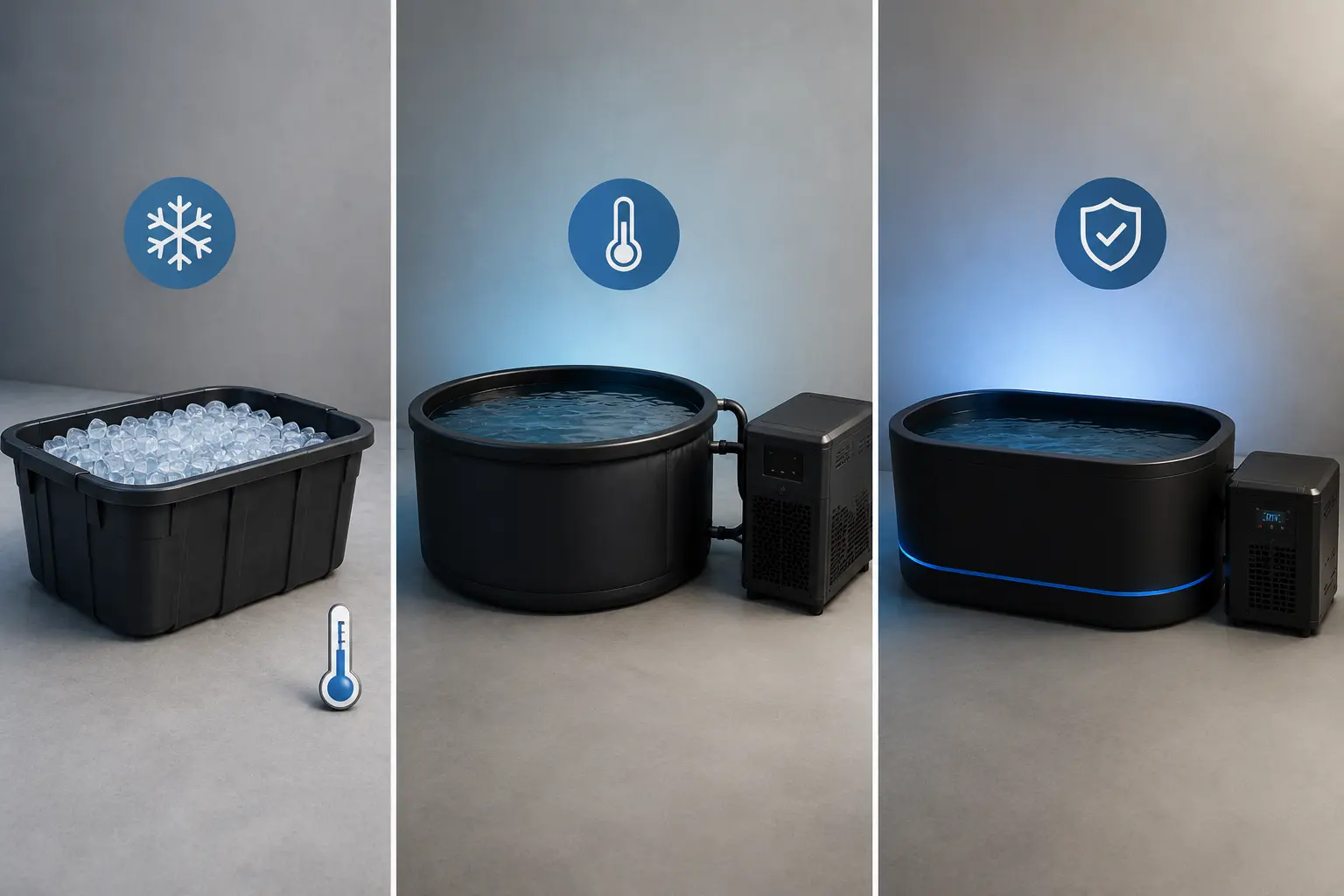
Achieving any consistent weekly frequency becomes much easier with the right home setup. Managing ice bags and manual temperature control repeatedly discourages many ambitious weekly plans. This is often the hidden reason people fall short of their intended frequency. A temperature-controlled tub from Plunge removes this daily preparation burden significantly. This makes hitting three or four sessions weekly realistic even during busy periods. Ice Barrel offers a simpler, smaller alternative suited to limited home space constraints. When comparing cold plunge tubs, many people also wonder what cold plunge should i buy before investing in one. Optimizing specific numbers to be exact often means less than investing in a system that cuts down friction. Busting concrete barriers is often the actual X-factor for sustained long-term practice.
Frequency Tips for Beginners
Someone brand new to cold exposure should not copy an experienced practitioner's frequency. Your nervous system has to "get used to" the higher frequency first before it feels comfortable. It is sensible to begin on a one- or two-session-per-week basis for the first month. This enables students to develop the foundations of tolerance and confidence before putting on additional demands. Many beginners see impressive experienced plungers online and try to match that frequency immediately. Many beginners also wonder how often ice bath sessions are appropriate and when to cold plunge as they build their routine. This sometimes results in burnt-out discomfort or changing practices within weeks. If your project is slow and steady, the end result will be far more successful long-term and more pleasant. Honoring your current state is respectful to the energy and comfort of your body.
How Your Schedule Shapes Frequency
Very few people have unlimited flexible time to dedicate toward any wellness practice. A demanding job, irregular hours, or family responsibilities all shape realistic weekly capacity. Setting a frequency target that ignores these real constraints often leads to frustration. Someone with a predictable morning routine might find daily short sessions genuinely manageable. Someone with unpredictable shift work might find twice-weekly sessions more realistic instead. Building your frequency around your actual calendar rather than an idealized one helps. This practical approach produces a routine you can maintain rather than abandon quickly. Realistic planning beats ambitious planning when it comes to genuine long-term consistency.
Track Your Response, Don't Guess
Instead of trying to determine a perfect frequency on day one, attempt to track your response. Pick one starting frequency and do it weekly for at least three weeks. Pay attention to how your energy, sleep, and mood change during that test period. This tracking method eliminates the guesswork and fills it up with actual personal data instead. Tune your frequency based on what that data actually tells you, a little (or a lot) different. It may take some months until you hit your stride.
That investment of time pays off through a routine that genuinely fits you. Personal tracked experience will always beat generic advice found in any single article.
Cold Exposure and Other Recovery
Cold exposure frequency should be considered alongside your other recovery practices each week. Some people pair cold sessions with heat using a sauna blanket from Higher DOSE. Alternating these tools across the week offers variety and different physiological benefits. Others incorporate red light therapy from Mito Light on separate dedicated recovery days. None of these tools require daily use to provide meaningful ongoing benefit. Using a variety of recovery tools throughout the week will help to keep any one tool from becoming too overwhelming. This also facilitates a more balanced and pleasurable overall weekly routine. It's better to think about your overall recovery week than optimizing one single practice.
Why Rest Days Matter
Rest days from cold exposure allow your nervous system time to fully recover. This mirrors how muscles need rest days between intense strength training sessions. Constant daily stress without any break can eventually reduce how beneficial each session feels. Building at least one or two rest days into your weekly plan is reasonable. This does not mean skipping cold exposure entirely on those particular days, though. It simply means treating rest as an intentional, planned part of your routine. Many people overlook this and assume more frequency is always simply better. Recognizing the value of planned rest supports a more balanced, sustainable approach overall.
Adjusting During Travel or Illness
Life inevitably includes stretches where your normal routine becomes difficult to maintain. Even the best routines can be rattled by travel sickness or extremely busy times. During these phases, it is better to reduce the volume of an activity than to completely stop. Even a short session during the busiest week can keep you in form and provide some routine. Illness needs you to stop and totally wait until your healthy again.
After disruption, it is usually best to return to the normal frequency, slowly over time. Having this flexibility in your expectations from the outset saves you from unneeded remorse later. The flexible practice will endure much longer than a rigid practice.
Don't Compare Yourself to Others
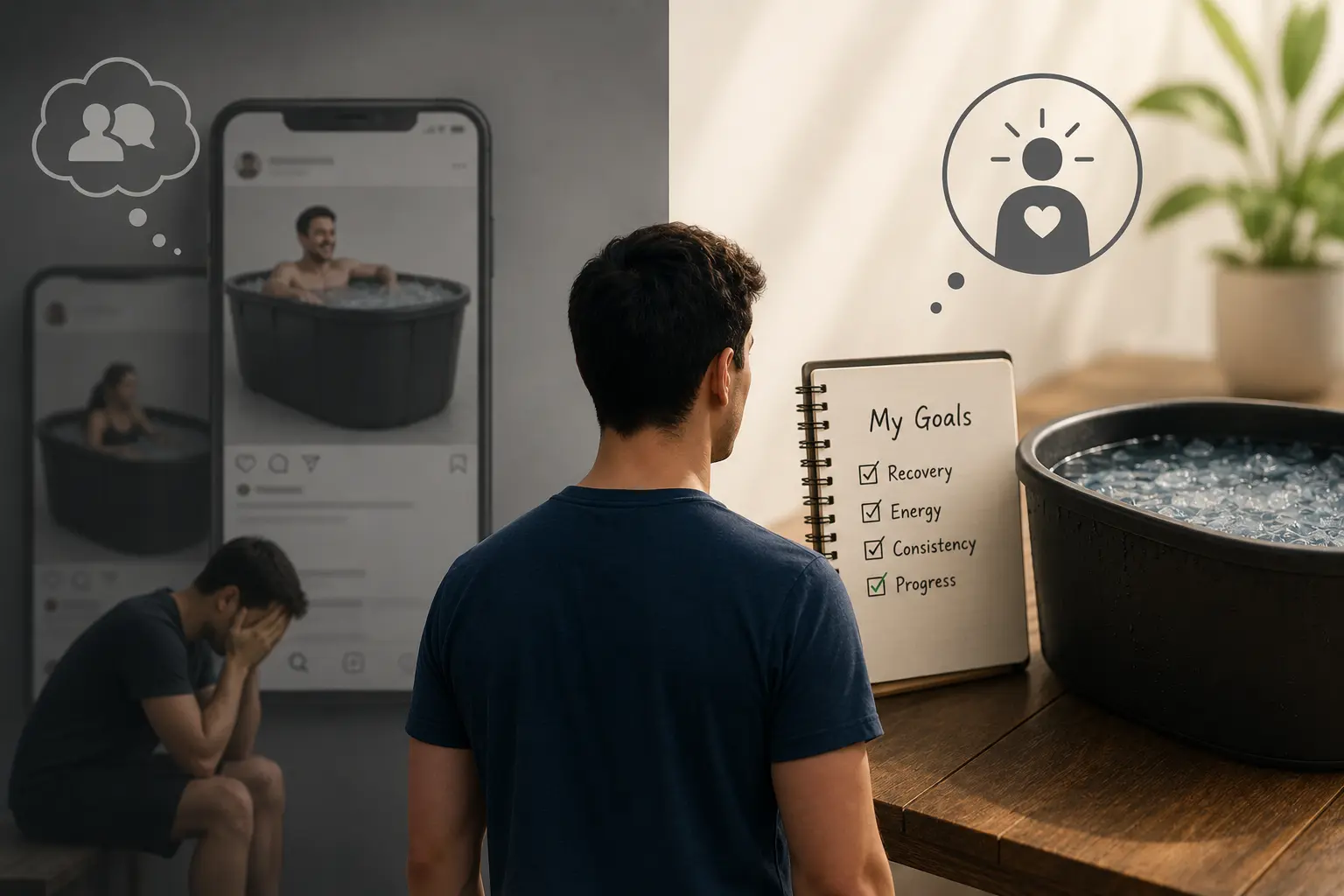
Social media makes it easy to compare your frequency to those of strangers online constantly. Someone posting daily cold plunges does not mean daily is the correct target. Their goals, body, and lifestyle likely differ significantly from your own circumstances. Comparing your progress or frequency to theirs often creates unnecessary pressure and doubt. Your own goals and how your body responds should guide your personal decisions instead, rather than comparing how often ice bath routines or how many ice baths should i take a week with someone else's. This does not mean ignoring genuinely useful shared information from others entirely, though. It means filtering that information through your own specific situation and needs. Building confidence in your own personalized approach reduces the pull toward unhelpful comparison.
When to Ask a Professional
If you remain unsure, a conversation with a knowledgeable professional can help significantly. A physical therapist or sports medicine doctor can consider your specific health history. They can help identify whether any existing conditions should influence your chosen frequency. This professional input becomes especially valuable if you have cardiovascular or circulation concerns. Even without specific conditions, a professional perspective can offer useful additional confidence. For most healthy adults this is voluntary but can be considered in case of doubt. When combined with your own personal logs of experience, it can be beneficial to have professional expertise to back you up. Neither source alone typically beats the combination of expert input and self-awareness.
Choosing Your Own Number
The question of how many sessions per week does not have one fixed answer. It has a range of reasonable answers depending entirely on your specific situation. Choosing somewhere within that range and testing it honestly is the real work. Make adjustments according to the reactions of your body, not any rule. Allow yourself to adjust your strategy as your objectives or life evolves. That which is good for one season of life may not be good for another time. Flexibility and the ability to listen are more important than being stuck with a fixed number. This ability to embrace a flexible attitude is what will lead to a longer and more sustainable practice.
Simplicity Beats Overthinking
It is easy to overthink a decision that ultimately benefits from simple action. Reading endless articles searching for the perfect answer can delay actually starting entirely. Choosing three sessions weekly as a reasonable starting point removes unnecessary decision paralysis. You can always refine that number later once you have real practical experience. Overthinking frequency often becomes its own barrier separate from any genuine physical concern. Simple action followed by honest observation tends to teach you more than research alone. This principle applies well beyond cold exposure into many areas of daily life. Sometimes the best next step is simply beginning rather than perfecting the plan first.
One More Consideration
Cold exposure frequency is ultimately just one small piece of a larger recovery picture. Sleep nutrition movement and stress management all matter far more in the bigger picture. Getting frequency exactly right while ignoring these fundamentals rarely produces meaningful overall results. Keep cold exposure in proper perspective as you build your broader weekly routine. It works best as a supporting practice rather than the central focus of recovery. This perspective helps prevent unnecessary stress around getting the frequency question perfectly right. A reasonably good frequency within a solid overall routine beats a perfect frequency alone. Keeping this bigger picture in mind will serve you better than obsessing over one number.
FAQs
Is it fine to take an ice bath every single day?
For many healthy adults, yes, though monitoring your response remains genuinely important.
What happens if I only manage one session per week?
You will likely see fewer adaptation benefits, though occasional sessions still offer value.
Should frequency change based on the season or time of year?
Yes, many people naturally adjust frequency with shifting motivation and daily schedules.
Can I combine multiple short sessions in a single day instead?
Spacing sessions across the week generally supports better adaptation than clustering them together.
How do I know if my current frequency is actually working?
Track your energy, sleep, and mood over several weeks to notice real patterns.
Where to Go From Here
There is no single perfect number that applies to everyone reading this article. Start with a realistic frequency based on your own goals and daily schedule, and let your own experience guide the adjustments you make along the way. If you're still weighing which setup fits your routine, it's worth spending a few minutes browsing the cold plunge and recovery systems in our directory before you commit to one.