The practice of cold water immersion dates back centuries, used by ancient civilizations for its therapeutic properties. Today, it has reemerged not as a fleeting trend, but as a deliberate wellness practice supported by modern science. Deciding to bring a cold plunge tub into your home is more than a simple purchase. It is a long term investment in a specific health outcome. The first step in how to choose a cold plunge tub is not to look at models, but to look inward and clarify your personal goals.
Clarifying Your Personal Recovery Goals
Before you compare features or prices, you need a clear answer to one question: Why are you doing this? Your personal objective is the single most important factor that will guide your decision. A tub that is perfect for a professional athlete might be impractical for someone focused on mental clarity. Take a moment to honestly assess your needs.
Define your primary objective. Are you an athlete looking for rapid muscle recovery after intense training? Or are you managing chronic inflammation and seeking consistent, gentle relief? Perhaps your goal is mental resilience, using the cold to build discipline and improve your stress response. An athlete might prioritize powerful cooling and a large size for full body immersion, while someone focused on inflammation may value precise temperature control for sustained sessions.
Assess your intended frequency. Will this be a daily ritual or a weekly treatment? Be realistic. If your goal is a daily plunge, convenience is not a luxury, it is a necessity. The friction of a complicated setup is the biggest barrier to consistency. A system that requires 30 minutes of prep time each day is far less likely to be used than one that is always ready.
Connect consistency to results. The physiological benefits of cold immersion, from reduced inflammation to improved metabolic health, are cumulative. They build over time with regular practice. The best tub for you is ultimately the one that removes every possible obstacle between you and the water. A high effort setup often becomes an expensive, unused piece of equipment.
Understanding your primary goal is the first step in building a comprehensive recovery routine. You can learn more about different wellness modalities on our wellness blog. This self-assessment brings you to the central trade off every buyer faces: the balance between a lower upfront cost and the long term value of convenience and automation, which we will explore next.
Comparing Ice-Based Tubs and Chiller Systems
After clarifying your goals, the first major decision is choosing your tub’s cooling method. This choice fundamentally shapes your daily experience and long term commitment. The debate of ice bath vs chiller tub comes down to a classic trade off between initial investment and ongoing convenience.
The Appeal and Reality of Ice-Only Tubs
The low entry price of an ice based tub is undeniably attractive. It seems like a simple, straightforward way to begin. However, the reality of daily use often tells a different story. Imagine the logistics: sourcing, transporting, and storing 40 to 80 pounds of ice for every single session. It is a significant daily chore that involves time, effort, and a recurring expense. Furthermore, temperature control is nearly impossible. The water is often shockingly cold at first and warms up quickly, providing an inconsistent and unpredictable therapeutic experience.
The Convenience of Automated Chiller Systems
A chiller based system operates like a refrigerator for your water. It automates the entire cooling process, maintaining your desired temperature with precision. There is no ice to buy, no frantic setup, and no guesswork. The tub is always clean, cold, and ready when you are. This on demand availability is what transforms cold plunging from a sporadic effort into a sustainable habit. For anyone committed to a daily or near daily practice, the convenience of a chiller is not just a feature, it is the key to achieving consistent results.
Calculating the True Cost of Ownership
When comparing systems, it is essential to look beyond the initial sticker price. An ice based tub may seem cheaper upfront, but the recurring cost of ice bags can add up to hundreds or even thousands of dollars per year. More importantly, consider the non financial cost of your time and energy. That 30 minutes spent preparing an ice bath each day is time you could have spent on recovery, work, or with family. A chiller system, while a larger initial investment, has a much lower ongoing cost, typically limited to electricity and an occasional filter change. Some tubs are even "chiller ready," allowing you to start with an ice based setup and add a chiller later, offering a phased investment path.
Whether you start with a basic model or invest in a full system, you can explore a curated selection of cold plunge tubs to see these differences firsthand.
| Factor | Ice-Based Tubs | Chiller-Based Systems |
|---|---|---|
| Upfront Cost | Low ($500 - $1,500) | High ($4,000 - $10,000+) |
| Ongoing Cost | High (Ice bags, water changes) | Low (Electricity, occasional filter change) |
| Daily Time Commitment | High (20-45 minutes for setup) | Minimal (Ready on demand) |
| Temperature Control | Inconsistent and imprecise | Precise and stable |
| Water Sanitation | Requires frequent draining/refilling | Integrated filtration and sanitation |
This table compares the two primary system types to help users align their budget, lifestyle, and commitment level with the right choice. Cost estimates are illustrative and can vary by brand and features.
Decoding Essential Tub and Chiller Specifications
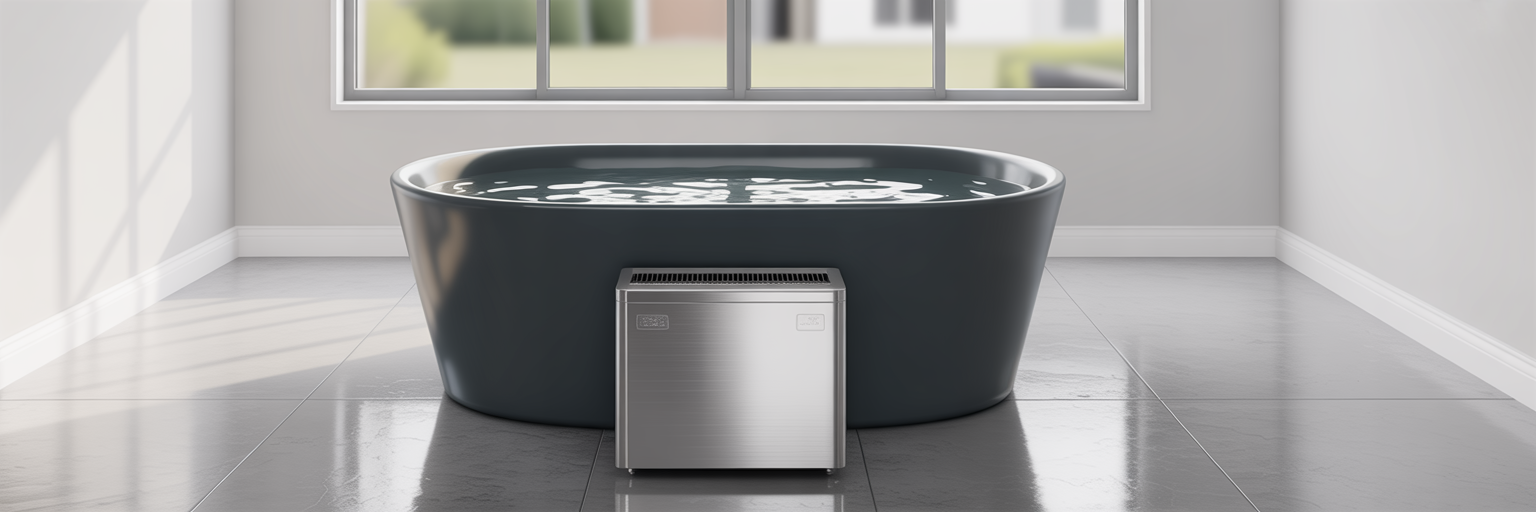
Once you have decided between an ice based or chiller system, the next step is to compare specific models. Understanding the technical specifications is what allows you to move from the general type of tub you want to the exact one that fits your needs. These details can seem intimidating, but they are straightforward when you know what to look for.
Chiller Power: Chiller power is measured in horsepower (HP). For most users in temperate climates, a 1/2 HP chiller is perfectly sufficient to maintain cold temperatures. However, if you live in a hot climate like Arizona or Florida, or if you have a larger tub over 100 gallons, a 1 HP chiller is necessary. The extra power ensures the system can combat high ambient temperatures and keep your water consistently cold.
Dimensions and Comfort: Pay close attention to the tub’s internal dimensions, not just the external footprint. Can you lie down comfortably? For most adults, an interior length of 60 to 72 inches allows for full body immersion without feeling cramped. The width and depth also contribute to the overall experience, so consider your body size and how you plan to use the tub.
Insulation Quality: A well insulated tub is a more efficient tub. Dense foam insulation, similar to what is used in high end coolers, dramatically reduces the chiller’s workload. This means it runs less often, which lowers energy consumption and reduces operational noise. Better insulation directly translates to lower electricity bills over the life of the tub.
Total Weight: This is a critical safety consideration for any home cold plunge setup. Water is heavy, and a filled tub can easily weigh between 1,000 and 2,000 pounds. Before purchasing, you must verify that your floor can support this load, especially if you plan to install it on an upper level or a deck. Always check the manufacturer's specifications for the filled weight. For those seeking a premium experience with powerful cooling, a system like our Plunge All-In is an example of a unit designed for optimal performance.
Water Sanitation and Maintenance Protocols
A topic often overlooked by first time buyers is water maintenance. Keeping your water clean and safe is not just about comfort, it is essential for your health. A proper sanitation system and a simple maintenance routine will ensure your plunge is always inviting and hygienic. Understanding the components of water care is the key to effortless cold plunge tub maintenance.
Filtration vs. Sanitation: What's the Difference?
These two processes work together but serve different functions. Filtration is mechanical cleaning. A system with a 20 micron filter will physically remove debris from the water, such as hair, skin cells, and dust. Sanitation is microbial cleaning. Technologies like ozone generation or UV C light are used to neutralize and kill microorganisms like bacteria and viruses. A good system needs both to keep the water clear and safe.
Understanding 'Residual' Sanitation
Here is a crucial insight many people miss: ozone and UV sanitizers only treat the water as it passes through the chiller system. They do not create a "residual" sanitizer that remains active in the main body of water in the tub. This means that while the circulating water is being cleaned, the still water in the tub is not continuously protected. This is why a supplemental sanitation routine is necessary to prevent the growth of biofilm on the tub's surfaces.
A Simple Maintenance Schedule
Maintaining your tub does not have to be complicated. A consistent, simple schedule is all you need to keep your water pristine for weeks or even months at a time.
Weekly: Rinse your filter cartridge with a hose to remove trapped debris. This takes only a few minutes and keeps your filtration system running efficiently.
Weekly: Use water test strips to check the water’s balance. This helps you monitor the sanitizer level and overall water quality.
As Needed: Add a small dose of a non chlorine sanitizer. This provides the residual sanitation that ozone and UV lack, keeping the entire tub clean and preventing biofilm buildup.
Just as you maintain your equipment, it is important to build a sustainable wellness practice. If you are new to these concepts, our 'Start Here' guide can help you navigate your options.
Planning Your Placement and Installation
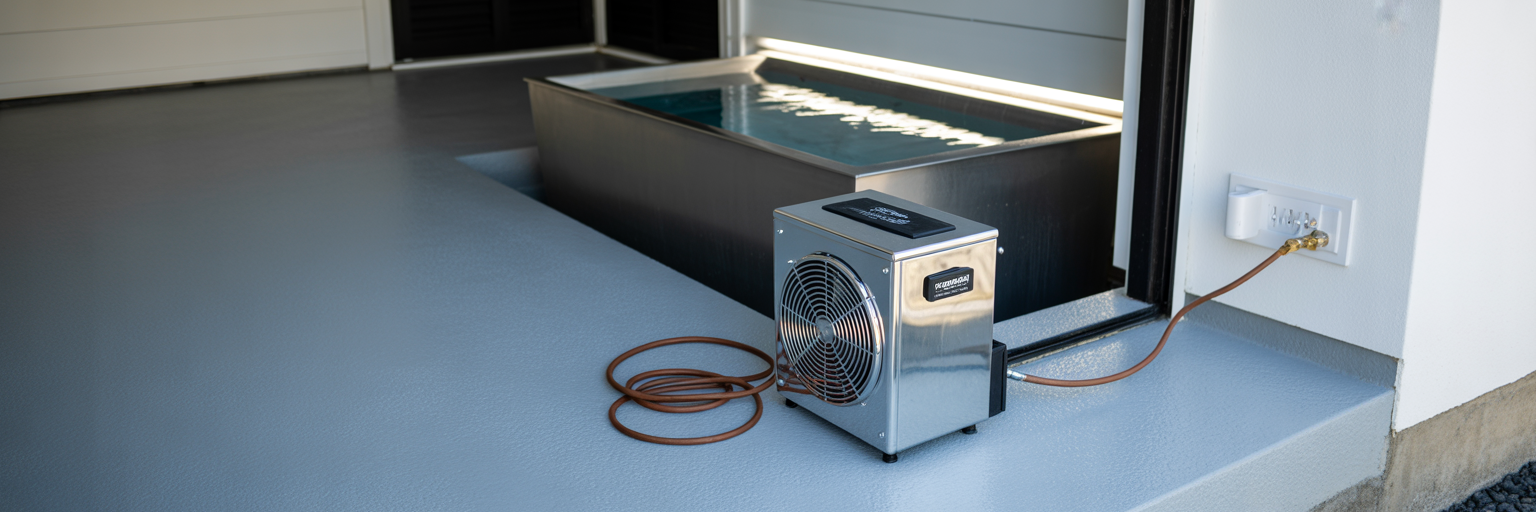
You have chosen your tub and understand its features. Now, where will it actually go? Planning the placement and installation is a practical step that prevents major headaches on delivery day. A successful home cold plunge setup depends on thinking through the logistics of space, power, and environment before the tub arrives.
Indoor vs. Outdoor Setups
Each placement has its own set of requirements. An indoor setup offers privacy and protection from the elements, but it demands careful planning. The room must have a waterproof floor, ideally with a drain nearby, to manage any splashes or potential leaks. Good ventilation is also important to handle the humidity generated by the tub and chiller. An outdoor setup is often simpler logistically but requires a perfectly level and stable surface, like a concrete pad or reinforced deck. It also needs protection from direct sunlight, which can strain the chiller, and falling debris like leaves.
Electrical and Logistical Needs
Do not overlook the electrical demands. While many 1/2 HP chillers can run on a standard 15 amp household circuit, more powerful 1 HP units often require a dedicated 20 amp circuit to operate safely and effectively. We strongly advise consulting a licensed electrician to ensure your home’s wiring can handle the load. Before you finalize your order, take out a tape measure. Measure every doorway, hallway, and staircase on the delivery path. There is nothing more frustrating than discovering your new tub will not fit through the door. Also, consider the ambient noise of the chiller. While modern units are relatively quiet, placing one right next to a bedroom might not be ideal.
Beginner Safety and Best Practices
A cold plunge tub is a powerful tool for health and wellness, but it must be used with respect and awareness. Understanding how to approach your practice safely is just as important as choosing the right equipment. These foundational cold plunge safety tips will help you build a positive and sustainable relationship with the cold.
First and most importantly, consult with a healthcare professional before you begin, especially if you have any pre existing conditions like cardiovascular issues, high blood pressure, or Raynaud's syndrome. This is not a step to be skipped.
When you first enter cold water, your body will experience the "cold shock response," an involuntary gasp followed by a rapid increase in heart rate and breathing. This is normal. The key is not to panic. Focus on slow, controlled exhalations to calm your nervous system. Your body will adapt within the first 60 to 90 seconds. We believe in a "start low and go slow" approach. For beginners, aim for warmer temperatures between 50-59°F (10-15°C) for short durations of just one to three minutes. The goal is not to endure extreme cold for as long as possible. The real benefits come from consistency, not intensity.
Finally, learn to listen to your body. Shivering is a clear and unambiguous signal that it is time to get out. Pushing past this point can put excessive stress on your system. The aim is to use cold as a healthy, hormetic stressor, not to overwhelm your body. Understanding the body's reaction to cold is key to a safe practice. For those interested in how modern science is exploring such human limits, recent publications offer compelling insights, as highlighted by sources like Nature is Crazy.