For every hour of peak performance, athletes spend countless more on recovery. While traditional methods like stretching and foam rolling are foundational, a different approach is illuminating the path to faster repair. This method works not just on the muscles, but deep within the cells that power them.
The Cellular Science of Athletic Recovery
To understand how red light therapy benefits athletes, we need to look at the microscopic processes that drive muscle function and repair. It’s not about heat or vibration. Instead, it’s about delivering a specific type of energy that your body’s cells are uniquely equipped to use. This is where the real work of recovery begins.
What is Photobiomodulation?
Red light therapy, known in scientific circles as photobiomodulation (PBM), is a non-invasive treatment that uses specific, clinically-backed wavelengths of light to stimulate cellular activity. Think of it like photosynthesis for your cells. Just as plants absorb sunlight to create energy, human cells can absorb certain wavelengths of red and near-infrared light to fuel their own internal processes. This targeted approach to photobiomodulation for performance helps optimize the body's natural repair mechanisms without chemicals or invasive procedures.
Energizing the Cellular Powerhouses
Our cells are filled with tiny engines called mitochondria. These are the powerhouses responsible for generating the energy that fuels every single bodily function, from muscle contraction to tissue repair. When specific wavelengths of red (around 660nm) and near-infrared (around 850nm) light penetrate the skin and reach the muscle tissue, they are absorbed directly by these mitochondria. This light energy excites a crucial enzyme called cytochrome c oxidase, which plays a key role in cellular respiration. As a 2025 study published in the International Journal of Innovative Technology and Scientific Studies confirms, photobiomodulation is effective for muscle recovery and physical performance in athletes by enhancing this very process.
The Role of ATP in Muscle Function
The direct result of stimulating cytochrome c oxidase is a significant boost in the production of Adenosine Triphosphate, or ATP. ATP is often called the body's "energy currency" because it provides the fuel for nearly all cellular activities. When your muscles have more ATP, they can function more efficiently. For an athlete, this translates into tangible benefits: enhanced cell repair, reduced oxidative stress from intense exercise, and a more efficient clearing of metabolic byproducts like lactate. This microscopic boost in energy production is what leads to the macroscopic feeling of faster recovery and improved readiness for the next training session.
Priming Muscles for Better Performance

While many recovery tools are used after a workout, red light therapy has a unique application before you even start. This isn't about a traditional warm-up that increases blood flow through movement or heat. Instead, it’s about priming your muscles at a cellular level, giving them the energy reserves needed to perform at their best.
Pre-Conditioning for Peak Output
Using red light therapy before a workout is like pre-charging your cellular batteries. By exposing your muscles to these specific light wavelengths, you are stimulating the mitochondria to ramp up ATP production ahead of time. This pre-conditioning prepares your muscles to handle the intense energy demands of exercise more effectively. The tangible benefits include delaying the onset of muscle fatigue, which allows you to push harder for longer. Athletes often find they can squeeze out an extra rep or maintain a higher intensity throughout their session, leading to greater training adaptations over time.
Actionable Pre-Workout Protocol
Incorporating this into your routine is straightforward. The goal is to deliver a quick, targeted dose of energy right where you need it. Here is a simple protocol that explains how to use red light therapy before training:
Timing: Apply the light for 5–10 minutes right before your workout begins. This is enough time to stimulate ATP production without causing fatigue.
Targeting: Focus the light directly on the major muscle groups you plan to train. Before a leg day, for example, treat your quads, hamstrings, and glutes. For an upper body session, focus on the chest, back, and shoulders.
Distance: Position the device according to the manufacturer’s guidelines, which is typically 6-12 inches from your bare skin. This ensures optimal light absorption.
It’s important to remember that this protocol is not about generating heat. You may not feel much during the session, but your cells are getting the energy they need to perform more efficiently during the workout itself.
Accelerating Post-Workout Repair
After a tough training session, your body enters a critical repair phase. This is where red light therapy truly shines, helping to manage the aftermath of intense exercise and speed up the recovery process. By applying the science of photobiomodulation to post-workout repair, athletes can bounce back faster and more completely.
Modulating Inflammation for Faster Recovery
Inflammation often gets a bad rap, but it’s a necessary signal for muscle adaptation and growth. The problem arises when this inflammatory response becomes excessive, leading to prolonged soreness and tissue damage. Red light therapy helps modulate this response rather than blocking it entirely. It supports a healthy, efficient inflammatory cycle, allowing your body to get the signals it needs to repair and strengthen muscle tissue without the debilitating effects of chronic inflammation. This balanced approach is key for long-term athletic progress.
Reducing Delayed-Onset Muscle Soreness (DOMS)
We all know that feeling two days after a hard workout when even walking down the stairs feels like a challenge. This is Delayed-Onset Muscle Soreness (DOMS), caused by microscopic tears in the muscle fibers. Effective red light therapy muscle recovery directly addresses this. The increased ATP production and improved circulation help clear metabolic waste products more quickly and accelerate the repair of these micro-tears. The result is a noticeable reduction in both the severity and duration of muscle soreness, getting you back to your training schedule with less downtime. While RLT is a powerful tool, it's one of many. For those weighing their options, understanding the differences between a cold plunge vs red light therapy can help build a more complete recovery strategy.
The Optimal Post-Workout Window
Timing is important for maximizing the benefits of post-workout RLT. To best support the cellular repair and inflammation reduction processes, the ideal time for application is within one to four hours after your training session concludes. For post-workout recovery, a slightly longer duration is recommended. Aim for a 10–20 minute session focused on the muscle groups you just worked. This gives your cells the sustained energy boost they need to kickstart the healing process right when it matters most.
Integrating RLT into Your Training Plan
Like any effective training tool, the benefits of red light therapy are cumulative. Sporadic sessions can provide some relief, but integrating it consistently into your weekly schedule is what produces significant improvements in performance and recovery. Building a sustainable habit is about understanding when and how to apply it for different goals.
Building a Consistent RLT Routine
The key to success with red light therapy is regularity. Aiming for 3-5 sessions per week will deliver the most noticeable results. A structured routine ensures your muscles are consistently primed for performance and supported during recovery. Here is a sample schedule to illustrate how an athlete might incorporate RLT into their week:
| Day/Activity | RLT Timing | Duration | Focus Area |
|---|---|---|---|
| Monday: Heavy Strength (Legs) | Pre-Workout & Post-Workout | 5-10 min (Pre), 15-20 min (Post) | Quads, Hamstrings, Glutes |
| Tuesday: Active Recovery / Mobility | Anytime | 15 min | Full Body or Sore Areas |
| Wednesday: HIIT / MetCon | Post-Workout | 20 min | Full Body |
| Thursday: Heavy Strength (Upper Body) | Pre-Workout & Post-Workout | 5-10 min (Pre), 15-20 min (Post) | Chest, Back, Shoulders |
| Friday: Rest Day | Evening | 15-20 min | Full Body (Systemic) |
Note: This table provides a sample schedule. Athletes should adjust duration and focus based on their specific training intensity, soreness levels, and device specifications.
Targeted vs. Systemic Application
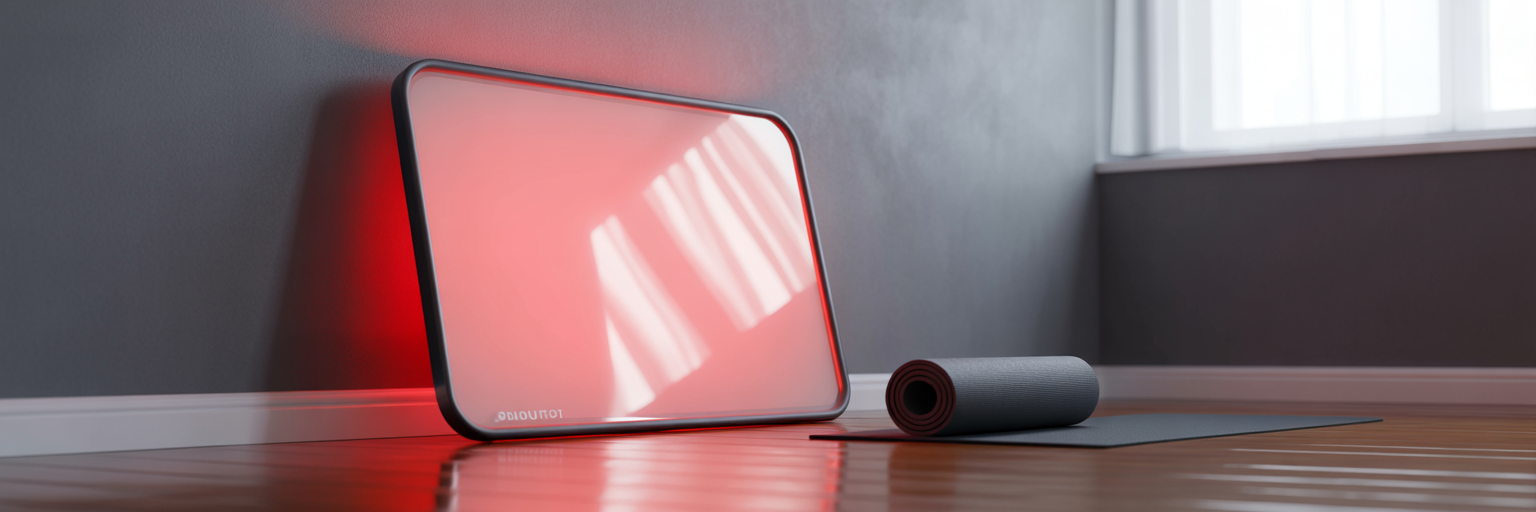
How you use red light therapy can be adapted to your specific needs on any given day. For acute soreness in a particular area, like a tight shoulder or a sore knee, using a smaller, targeted device can deliver a concentrated dose of light right where it's needed. This is ideal for addressing specific problem spots. On the other hand, using large red light therapy panels allows for systemic, full-body application. This approach is perfect for rest days or general recovery, as it helps reduce systemic inflammation and enhances overall wellness. The simple rule to remember is: shorter duration before exercise to energize, longer duration after to repair.
Choosing an Effective At-Home Device
With the growing popularity of at-home red light therapy, the market is filled with options. However, not all devices are created equal. Making an informed decision is crucial to ensure you are investing in a tool that will deliver real therapeutic benefits rather than just emitting a pretty red glow. Here are the key technical specifications to look for in a quality device.
Clinically Proven Wavelengths: The most effective devices use a combination of red light (around 660nm) and near-infrared light (around 850nm). Red light is excellent for skin health and surface-level tissues, while near-infrared penetrates deeper to reach muscles, joints, and bones. A device offering both wavelengths provides a more comprehensive treatment.
Irradiance (Power Density): This is perhaps the most important metric. Irradiance measures the amount of light energy your body receives over a certain area, typically expressed in mW/cm². A higher irradiance means a more powerful device that can deliver an effective dose of light in less time. Reputable brands will be transparent about their device's irradiance at specific distances.
Device Size and Type: Consider your primary goal. Are you looking to treat your entire body for systemic benefits, or do you need to target specific areas like your back or knees? Large, full-body panels are ideal for maximizing efficiency and treating the whole body at once. For instance, a high-performance panel like the Joovv Solo 3.0 offers significant coverage for serious athletes. Smaller, handheld devices offer portability and are great for focused treatments.
Ultimately, choose a product from a brand that provides third-party testing data and is transparent about its specifications. This ensures you are investing in a tool that is both safe and effective.
Safety Guidelines and Best Practices
Red light therapy is widely considered safe and is free of major side effects, but following best practices ensures you get the most out of every session. Adhering to a few simple guidelines will help you have a positive and effective experience while prioritizing your well-being.
Maintain Proper Distance: Always position yourself at the manufacturer-recommended distance from the device, which is usually between 6 and 12 inches. This ensures your body receives the correct dosage of light energy for optimal cellular stimulation.
More Is Not Better: It can be tempting to think that longer sessions will produce faster results, but this is one area where more is not better. Exceeding the recommended session time of 10–20 minutes per area can lead to a temporary inhibitory effect, which can diminish the therapy's benefits. Consistency is far more important than intensity.
Protect Your Eyes: While the light is generally safe for the eyes, it is very bright. It is best to avoid looking directly into the LEDs during treatment. Most quality devices come with protective eyewear, and it is recommended to use it, especially if you are treating your face or are sensitive to bright light.
Consult a Professional: Before starting any new recovery modality, it is always a good idea to consult with a healthcare professional, physical therapist, or certified athletic trainer. This is particularly important for individuals with pre-existing health conditions, specific injuries, or those taking any photosensitizing medications.
For readers interested in exploring more about recovery technologies, our blog offers a wealth of information on enhancing well-being.