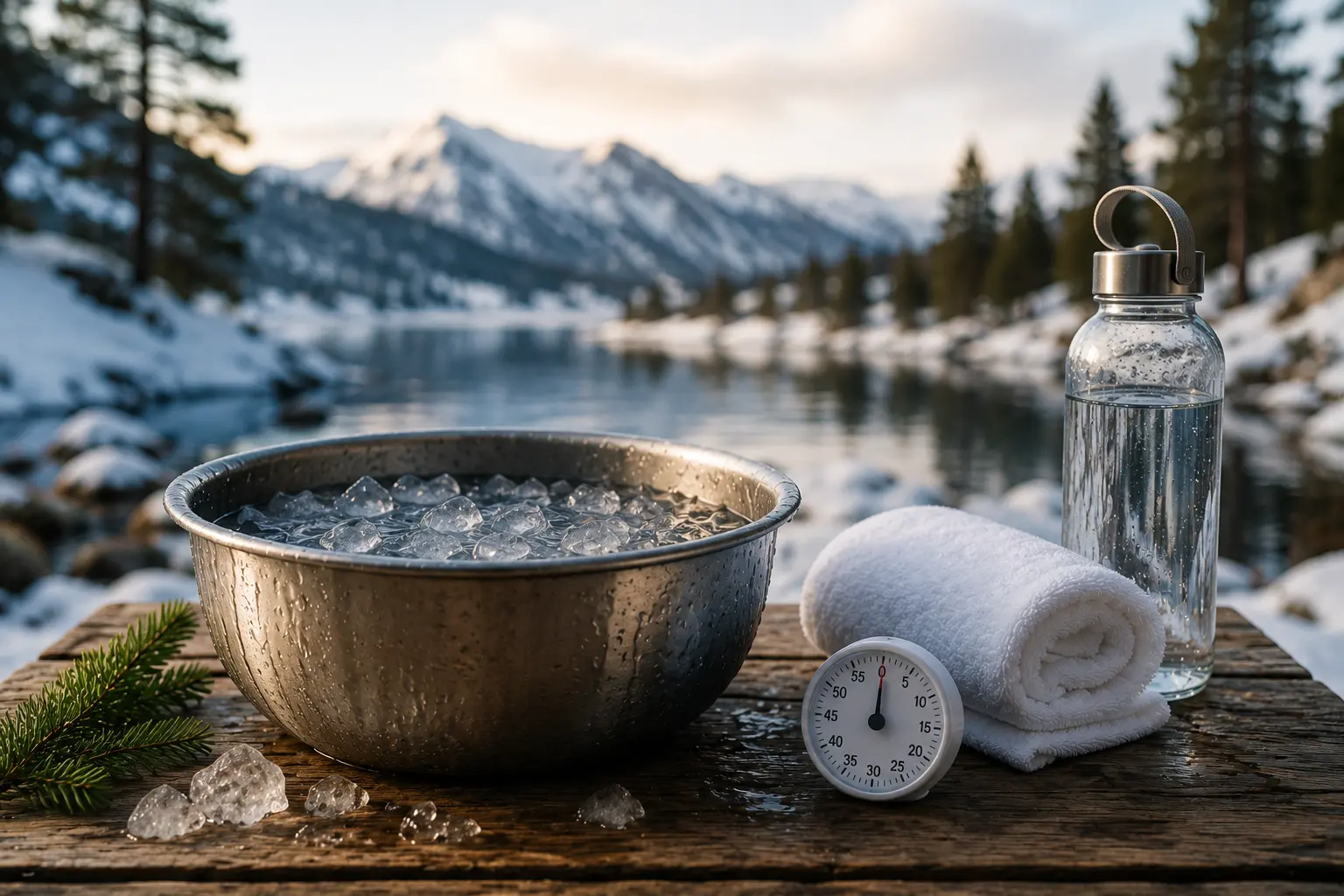
Once someone accepts cold exposure might support weight goals a new question appears. How often should this actually happen each week for real results? The honest answer involves more nuance than a single fixed magic number. Frequency interacts with duration temperature and your broader lifestyle in real ways. Understanding these interactions helps you build a realistic sustainable weekly approach instead. Let us walk through what research and practical experience actually suggest here.
Frequency Matters More Than One Session
A single occasional ice bath produces only a small temporary calorie burn effect. Meaningful metabolic adaptation appears to require consistent repeated exposure over real time. This is similar to how one workout does not build lasting fitness. Your body adapts gradually to repeated stress rather than responding to isolated events. This means frequency matters more than chasing one perfect dramatic session. Someone taking an ice bath once a month will see negligible metabolic benefit realistically. Someone using cold plunge sessions several times weekly gives their body a chance to adapt. This adaptation is where any real metabolic benefit is most likely to emerge.
What Research Suggests
Studies examining brown fat activation typically use protocols involving several sessions weekly. Many studies use somewhere between three and seven sessions across each week. Results at this frequency show modest measurable changes in brown fat activity. Fewer than two sessions weekly rarely shows meaningful measurable metabolic change in studies. More than daily exposure has not shown clearly superior results compared to moderate frequency. This suggests a middle range frequency captures most of the available benefit. Three to five sessions weekly appears to be a reasonable evidence-informed target if you are wondering how often to ice bath. This range also happens to be realistic for most people balancing daily life.
More Isn't Always Better
It might seem logical that daily cold plunge sessions produce maximum possible benefit.Research doesn't strongly back this idea when you look more closely.If you're exposed to too much cold without enough time to recover, it can actually put more stress on your body overall. Chronic elevated stress can work against weight goals through cortisol related pathways. This creates an important balance between enough frequency and genuine overtraining risk. Listening to your body alongside following general research guidelines matters here. Signs like persistent fatigue or disrupted sleep suggest reducing frequency might help. Finding your personal sustainable frequency matters more than chasing a maximum possible number.
Where Beginners Should Start
Complete beginners should not start at five sessions per week immediately. Building frequency gradually allows your body to adapt without excessive added stress. Starting with two sessions weekly for the first few weeks is reasonable. From there gradually increasing toward three or four sessions makes sense naturally. This slow method also helps you form the habit before you add more difficulty.Trying to do daily practice right away can cause you to get tired too fast and stop altogether. Going slower usually leads to better long-term consistency and staying with the habit. Consistency over months will always matter more than an aggressive short term push.
Frequency and Duration Together
Frequency and duration work together rather than functioning as separate independent variables. Five short two minute sessions weekly may work as well as fewer longer ones. There is no strong evidence that longer sessions multiply the metabolic benefit significantly. This means you do not need extremely long sessions to see results. Moderate duration paired with consistent frequency appears to be the more sustainable combination. This combination also reduces the risk associated with prolonged cold water exposure. Balancing these two variables thoughtfully supports both safety and realistic ongoing consistency. Neither variable alone tells the complete story about optimal cold exposure practice.
Setting Realistic Expectations

Even at an ideal frequency, ice baths remain a small supporting tool overall. They will not replace the foundational role of diet and regular exercise. Five sessions weekly might add a modest calorie burn across the entire week. This modest addition works best alongside, not instead of, proven weight strategies. Treating frequency as the key variable that unlocks dramatic results sets unrealistic expectations. A more accurate framing views ice bath frequency as fine-tuning within a broader healthy routine. This framing protects your motivation once dramatic weight loss does not happen quickly. Realistic expectations tend to produce more sustainable long-term engagement with cold plunge practice.
How Equipment Affects Consistency
Achieving three to five sessions weekly requires removing unnecessary daily friction and hassle. Managing ice bags and manual temperature control repeatedly becomes tedious very quickly. This tedium is often why ambitious weekly ice bath or cold plunge plans quietly fall apart within weeks. A temperature-controlled tub from Plunge removes this daily preparation burden entirely. This makes hitting a consistent weekly frequency far more realistic for busy schedules and for people wondering how many cold plunges per day are realistic. Ice Barrel offers a simpler, smaller alternative suited to limited home space constraints. Investing in consistency-focused equipment often matters more than optimizing exact session parameters. Removing friction is frequently the real determining factor behind long-term adherence.
Consistency Beats Bursts
Sporadic intense bursts of activity rarely produce the same results as steady consistency. Someone doing seven sessions one week then skipping the next three weeks gains little. This pattern prevents the gradual adaptation that regular exposure appears to support. Steady moderate frequency maintained across months tends to outperform irregular intense bursts. This principle applies broadly across fitness, nutrition, and recovery practices generally speaking. Better to build a rhythm that you can maintain than make an ambitious start and falter. This is the cycle that so many people get stuck in, wanting immediate results but giving up too quickly. If you notice this pattern, you can plan your ice bath routine with much more realism. Slow but sustainable is better than an ambitious pace that falls apart in weeks.
Let Life Shape Your Target
Not everyone has equal time and energy available for a demanding weekly routine. Someone with a demanding job and young children faces different constraints than others. Setting an unrealistic frequency target based on someone else's lifestyle often backfires quickly. A frequency of two sessions weekly that actually happens beats five that do not. Being honest about your actual available time produces a more useful realistic plan. This honesty protects you from the guilt and abandonment that follows unrealistic goals. Adjusting your target as circumstances change throughout the year is also reasonable. Flexibility within a general frequency range serves most people better than rigid rules. This flexible mindset supports long-term engagement even during busier stretches of life and helps determine how much cold plunge a week is realistic for you.
Track Your Own Response
Everyone responds somewhat differently to varying frequencies of cold plunge exposure over time. Some people notice better energy and mood at three sessions per week. Others find they prefer the structure of a daily shorter session instead. Tracking simple metrics like energy sleep and mood helps reveal your own pattern. This personal data becomes more useful over time than any general population study. Adjusting frequency based on your own tracked response produces a more personalized approach. This process takes patience since patterns often only become clear after several weeks. Try sticking with the same schedule for at least a month before making any changes.This way, you treat your routine like an experiment that keeps going, instead of something you have to follow strictly all the time.
Balancing It With Your Routine
Cold exposure sessions should fit within a broader weekly routine rather than dominating it. Strength training and cardiovascular exercise should remain the primary weekly time investment. Sleep and nutrition planning deserve at least equal attention to any cold exposure schedule. Some people pair cold sessions with existing workout days for simple scheduling efficiency. Others prefer separate dedicated days to avoid interfering with training performance and recovery. Either approach works as long as the broader weekly foundation remains genuinely solid. Cold exposure frequency should adjust around your life rather than the reverse. This flexible integration supports long term sustainability better than a rigid inflexible schedule.
Combining Heat and Cold
Some people also incorporate heat-based recovery like a sauna blanket from HigherDOSE. Heat exposure offers a different but complementary thermogenic effect through blood vessel dilation. Alternating ice bath or cold plunge sessions with heat across a week is a common balanced approach. This might look like three cold sessions and two heat sessions weekly. Neither tool needs to dominate the schedule for meaningful combined benefit to emerge. Carefully using different tools within a realistic weekly plan helps achieve overall wellness. This balanced approach is easier to maintain than focusing too much on just one recovery method. A mix of realistic activities usually feels easier to keep up with than a strict, limited schedule.
How Seasons Shift Frequency
Many people find their motivation and tolerance for cold exposure shifts with the seasons. Winter can feel harder to justify additional cold exposure when it is already cold outside. Summer often brings renewed enthusiasm as the contrast with warm weather feels appealing. Allowing your frequency to shift naturally with these seasonal patterns is completely reasonable. Rigidly forcing the exact same frequency year round ignores genuine seasonal motivation shifts. A slightly reduced winter frequency followed by renewed summer consistency still adds up. What's really important is how things go throughout the whole year, not just one week.Being able to adjust with the seasons can actually help people stick to something better over time than sticking to a strict schedule. Working with your natural motivation patterns tends to produce more sustainable results.
The Power of Accountability
Maintaining a consistent weekly frequency alone can be harder than doing it with others. Others do better with the accountability of a plunge partner or small group to keep regular attendance going. Scheduling sessions with a friend serves as an extra layer of accountability that one willpower alone cannot accomplish. That social factor also serves to increase the fun of the practice for many people. Other types of accountability and support comes in the form of informed online communities around cold exposure..
Finding the right accountability structure for your personality can meaningfully improve adherence. This social support often matters more than any specific frequency number itself.
If You Miss a Few Sessions
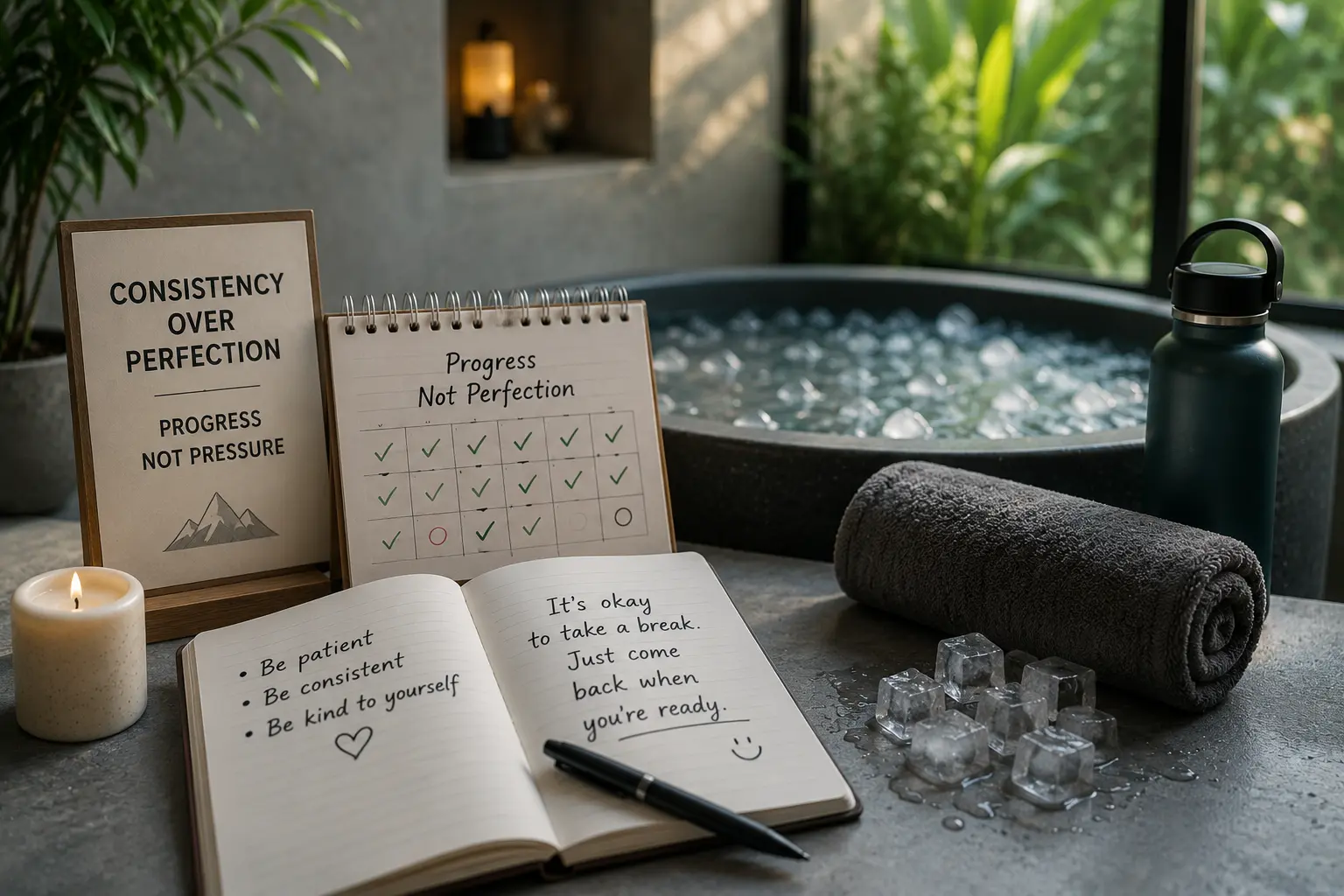
Maintaining a consistent weekly frequency alone can be harder than doing it with others. Others do better with the accountability of a plunge partner or small group to keep regular attendance going. Scheduling sessions with a friend serves as an extra layer of accountability that one willpower alone cannot accomplish. That social factor also serves to increase the fun of the practice for many people. Other types of accountability and support come in the form of informed online communities around ice bath and cold plunge practices.
Finding the right accountability structure for your personality can meaningfully improve adherence. This social support often matters more than any specific frequency number itself.
Total Time vs. Session Count
Counting sessions alone misses part of the picture worth considering carefully. Five one minute sessions differ meaningfully from five five minute sessions in total exposure. Tracking total weekly minutes alongside session count gives a fuller, more accurate picture. This total exposure time is likely more relevant to how does ice bath help recovery than session count alone. A reasonable weekly target might be somewhere between ten and twenty total minutes. This total can be distributed across three to five sessions in whatever way suits you. Thinking in terms of total weekly exposure offers more flexibility than rigid session counting. This flexible framing lets you adjust individual sessions while still hitting a meaningful weekly total or how much cold plunge time per week works best for you.
Finding Your Sustainable Number
There is no single correct weekly frequency that applies equally to everyone reading this. The research offers a reasonable range rather than one precise universal number. Your personal schedule, energy levels, and goals should decide where you fall within that range. It's better to start slowly and make changes based on what you actually experience, rather than trying to guess the perfect number from the start. Let yourself try different things and adjust as you gain more understanding. The key is to find a pace that works well with your life in the long run. A routine that feels easy to keep up with will always work better than one that feels like a chore. Trust your own observations over any single article, including this one, when deciding how much cold plunge a week is right for you.
Patience Over Precision
Chasing a perfectly precise frequency number often distracts from simply showing up consistently. Someone who shows up three times weekly for six months beats endless optimization theorizing. Perfectionism around exact frequency can actually become a barrier to starting at all. Choosing a reasonable number and simply beginning matters more than endless upfront research. You can always adjust the specific frequency once you have real personal experience. That real experience will teach you more than any article including this one. Give yourself permission to start imperfectly and refine your approach as you go. Action paired with reasonable flexibility tends to beat perfect planning without any action.
FAQs
Is daily cold plunging necessary for any real weight related benefit?
No, three to five sessions weekly appears sufficient based on current research.
Can too many sessions in one week actually work against my goals?
Yes, excessive frequency without recovery may increase stress and work against progress.
How long should I wait before expecting to notice any real change?
Give your routine at least four to six weeks before evaluating results.
Should frequency change if I am also doing intense exercise that week?
Yes, consider reducing frequency slightly to avoid stacking too much total stress.
Is it better to do shorter sessions more often or longer sessions less often?
Shorter frequent sessions appear to work as well as longer infrequent ones.
Where to Go From Here
Building a sustainable weekly rhythm matters more than chasing a single perfect number. Start with a realistic frequency and adjust gradually as your consistency and comfort grow, letting your own results guide future changes. If you're ready to remove some of the daily friction, it's worth browsing the cold plunge and recovery systems in our directory to see what fits your routine.