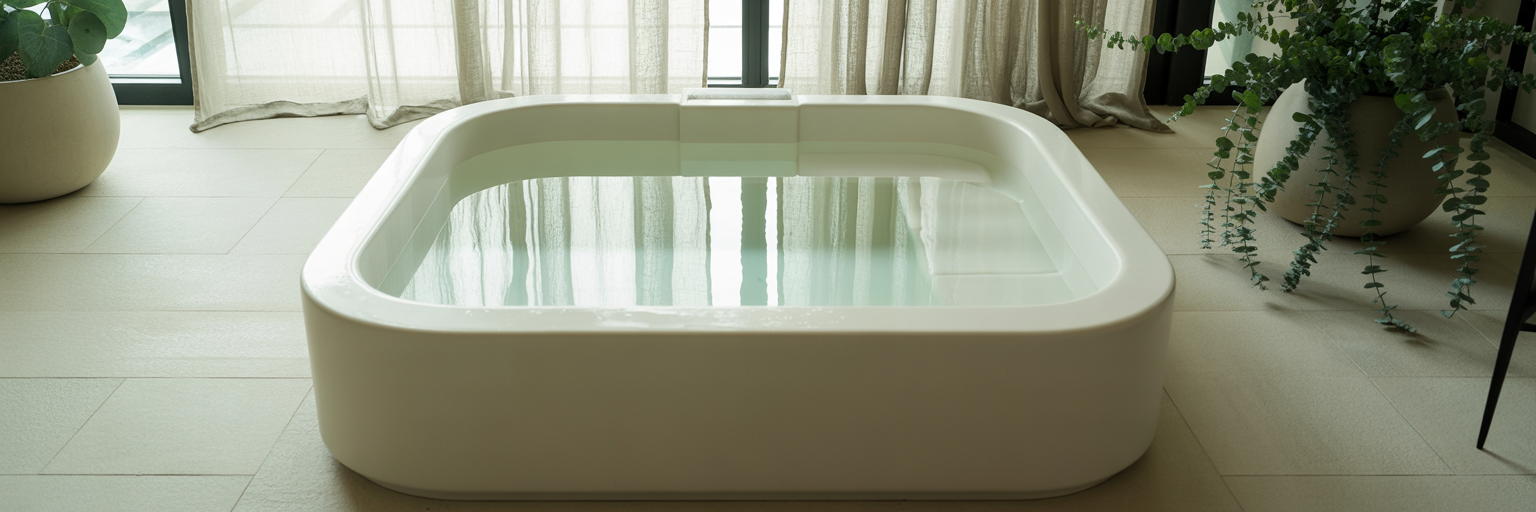
There is a persistent hum of static that seems to define modern life. It is a low grade but constant state of stress, a mental fog that settles in without any specific cause. We have come to accept this as normal. Yet, for centuries, cultures from ancient Rome to Scandinavia have turned to a surprisingly simple tool for vitality and clarity: cold water. This ancient practice is finding new relevance not as an extreme athletic ritual, but as a powerful antidote to the pressures of contemporary living.
Understanding Cold Plunge Therapy Beyond Athletics
The image of cold plunge therapy is often an ice filled barrel surrounded by elite athletes, a tool used exclusively for accelerating muscle recovery after intense physical exertion. While it is certainly effective for that purpose, its most profound benefits are not limited to the athletic world. The core principles of cold water immersion are available to anyone seeking to improve their general state of being. This practice is not about punishing the body. It is about using a brief, intense, and controlled stressor to fortify your mind and physiology against the chaotic, uncontrolled stressors you face every day.
Think of it as a deliberate reset button. By choosing to face the cold, you are engaging in an act that has powerful downstream effects on your nervous system, your mood, and your overall sense of resilience. This reframes the practice from a test of endurance into an accessible tool for everyday wellness. The goal is not to become an athlete, but to become a more focused, calm, and capable version of yourself. The most immediate and noticeable effects are often not in the muscles, but in the mind.
The Neurochemical Shift for Mental Clarity
The moment you step into cold water, your body initiates a powerful and immediate neurochemical cascade. The initial shock you feel is not just a sensation; it is a signal that triggers a profound biological response. Your brain is flooded with a specific cocktail of neurotransmitters, primarily norepinephrine and dopamine. These are not abstract chemicals, but the very molecules that shape your perception of the world. Norepinephrine is what creates sharp focus, vigilance, and alertness. Studies have shown that cold water immersion can spike norepinephrine levels by more than 500 percent, an increase that dramatically clears away mental fog and distraction.
Simultaneously, your brain releases a significant amount of dopamine, with some research indicating increases of 200 to 300 percent. Dopamine is often called the pleasure molecule, but that is an oversimplification. It is more accurately the molecule of motivation, drive, and forward momentum. It is the neurochemical basis for feeling capable and engaged with your life. The combination of these two chemicals produces a unique state of being: a clean, calm, non jittery energy. You feel alert but not anxious, focused but not tense. This feeling of heightened cold plunge mental clarity can last for hours after you get out of the water, providing a powerful foundation for a productive and centered day. This is just one example of how our bodies react to environmental stimuli, a field where modern science continues to reveal fascinating and intricate connections.
Building Resilience to Daily Stress
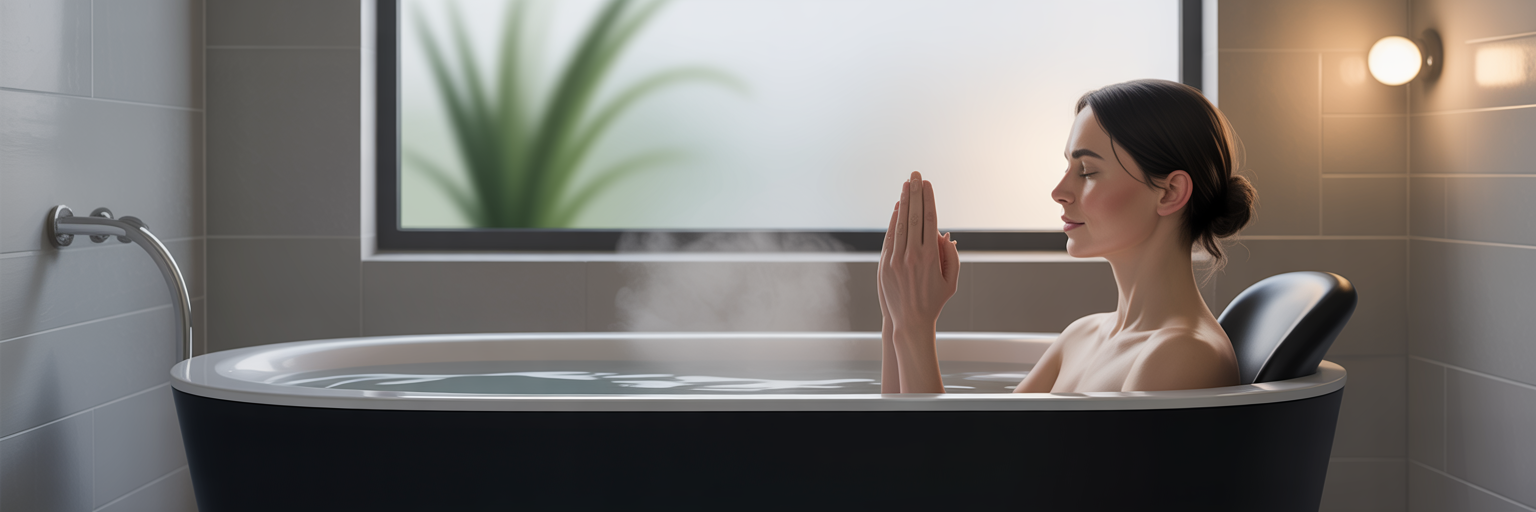
The benefits of cold plunging on your mental state extend beyond the immediate feeling of alertness. Consistent practice actively builds your resilience to stress through a biological principle known as hormesis. In simple terms, hormesis is the idea that a small, controlled dose of a stressor can trigger adaptations that make the entire system stronger and more resilient. It is the same reason lifting weights makes your muscles grow. You apply a deliberate, manageable stress, and the body responds by becoming more capable of handling future loads.
A cold plunge for stress works in the exact same way, but for your nervous system. When you willingly enter the cold, you are activating your sympathetic nervous system, the "fight or flight" response. However, because you are in a controlled environment, you can consciously work to calm yourself down, primarily through your breath. By focusing on long, slow exhales, you signal to your body that you are safe, activating your parasympathetic nervous system, or "rest and digest" state. You are training your body to move from a state of high alert to a state of calm, on command. This is a transferable skill. The calm focus you practice in the tub becomes your default response over time. After a few weeks, you may notice that the difficult meeting, the frustrating traffic jam, or the unexpected bad news no longer sends you into a reactive spiral. You have a greater capacity to absorb life's challenges without being thrown off balance.
A Tool for General Wellness and Immune Support
While the mental and neurological benefits are profound, the practice of cold water immersion wellness also has significant effects on your broader physical health. Consistent cold exposure appears to make the immune system more robust and resilient. This is not just anecdotal. A large study conducted in the Netherlands found that individuals who incorporated a brief cold shower into their daily routine had a 29 percent reduction in self reported sickness absence from work. The researchers concluded that while the participants still got sick at similar rates, their symptoms were less severe and they recovered more quickly, allowing them to return to their daily activities sooner.
It is important to be precise here. Cold plunging does not create a magical shield against illness. Instead, the regular, mild stress of the cold seems to prime the immune system, keeping it vigilant and more efficient over the long term. Beyond the immune benefits, there is the undeniable, immediate feeling of vigor and energy that follows a plunge. For many, this becomes a powerful and natural alternative to a morning cup of coffee. It shakes off any lingering grogginess and provides a surge of vitality that starts the day on a completely different footing, without the eventual crash that comes with caffeine.
The Complex Relationship with Sleep Quality

Given its powerful effects on the body, a common question arises: can cold plunging improve sleep? The answer is nuanced, and it highlights the importance of understanding how and when to use this tool. While some people do report deeper and more restorative sleep with a regular cold plunge practice, the scientific research is mixed and not universally conclusive. The key to navigating this relationship lies in timing. The most critical piece of actionable advice is to avoid cold plunging in the evening, especially in the hours leading up to bedtime.
The reason for this is directly related to the neurochemical response you learned about earlier. The significant spike in norepinephrine, the hormone responsible for alertness and vigilance, is the exact opposite of what your body needs to wind down and prepare for sleep. Exposing your body to that kind of stimulus late at night can disrupt your natural circadian rhythm and make it more difficult to fall asleep. To harness the energizing benefits without interfering with your rest, it is best to schedule your cold plunge sessions for the morning or early afternoon. This allows you to ride the wave of focus and clarity throughout the day while giving your body ample time for those alertness hormones to return to baseline before you go to bed.
A Beginner's Protocol for Starting Safely
The idea of immersing yourself in cold water can be intimidating, but the process of how to start cold plunging is much more accessible than most people think. The goal is not to endure extreme hardship, but to build a consistent practice. The key is to start slowly and allow your body to adapt. A safe and effective starting point is with water temperature around 55 to 60 degrees Fahrenheit, or 13 to 15 degrees Celsius. This is cool enough to trigger the desired physiological benefits but not so cold that it becomes overwhelming or dangerous.
For your first few sessions, aim for a duration of just one to two minutes. This is more than enough time to initiate the neurochemical cascade and begin training your nervous system. You can practice this two to three times per week. The most critical part of this process is not the temperature or the duration, but your technique for managing the initial cold shock. The moment you enter the water, your instinct will be to gasp and tense up. Your entire focus should be on overriding this instinct with your breath. Concentrate on making your exhales long, slow, and deliberate. This single action signals safety to your nervous system, calms the "fight or flight" response, and transforms the experience from an ordeal into a meditative practice. A variety of at home cold plunge setups, from simple tubs to more advanced systems, can help you maintain these temperatures consistently, making the practice easier to adopt. You can explore a range of options available for home use to find what fits your space and budget.
Important Considerations and Best Practices
While cold plunge therapy is safe for most people, it is a powerful practice that deserves respect. It is essential to approach it with awareness and responsibility. Individuals with pre existing heart conditions, uncontrolled hypertension, or circulatory conditions like Raynaud's syndrome should consult their physician before beginning any form of cold water immersion. The physiological reason is straightforward: cold exposure causes vasoconstriction, a narrowing of the blood vessels. This temporarily increases blood pressure and makes the heart work harder to circulate blood. For a healthy individual, this is a beneficial form of cardiovascular exercise, but it can pose a risk for those with underlying issues.
Another important best practice involves what you do after your plunge. The common instinct is to jump immediately into a hot shower to warm up quickly. It is better to resist this urge. Allowing your body to rewarm itself naturally is a crucial part of the adaptive process. This gradual rewarming can enhance some of the metabolic benefits of the practice. Finally, it is helpful to reframe your mindset. This is not an ordeal to be conquered. It is a deliberate practice for building a more resilient and adaptable self. While cold plunging is a potent tool, it is one of many. Understanding how other modalities work, for instance by learning about the unique mechanisms of different therapies, can help you build a more complete and effective wellness routine.
Integrating Cold Plunge into Your Wellness Routine
The evidence is clear: the many cold plunge therapy benefits extend far beyond the world of professional athletics. It offers a powerful and accessible method for enhancing mental clarity, building profound stress resilience, and supporting your overall wellness. The increasing availability of modern at home systems has made a consistent practice more achievable than ever, with options ranging from simple, effective tubs to advanced, temperature controlled units like the Plunge Chill. These innovations remove the friction from the process, allowing you to focus on the practice itself.
Ultimately, wellness is a personal journey. Cold therapy is one powerful piece of the puzzle, but it is most effective when integrated into a holistic approach that suits your individual needs. It is worth exploring how different tools compare and which ones might complement each other in your routine. Understanding the distinctions in a comparison of popular recovery methods can provide valuable insight. As you consider your own goals, we encourage you to explore which systems might best fit your lifestyle. Finding the right solution for your personal journey is the most important step, and there are resources available to help you navigate your options and make an informed decision.