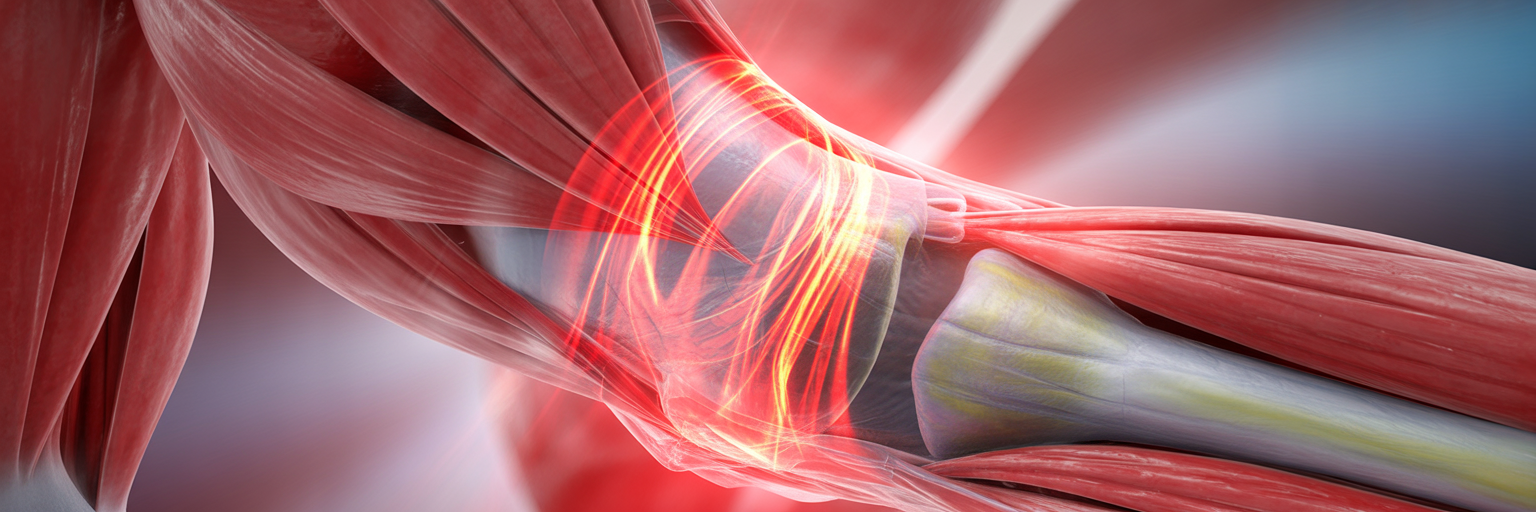
Chronic pain has a quiet way of reshaping a life. It is not just the persistent ache or stiffness but the subtle negotiations you make every day. You might turn down a walk with a friend, rethink picking up a grandchild, or find yourself constantly weighing the benefits of an activity against the physical cost. For millions of Americans, this reality pushes them toward solutions that often involve a difficult trade-off, offering temporary relief at the price of unwanted side effects. This is where the science of Red Light Therapy for Chronic Pain offers a fundamentally different approach. Instead of masking symptoms or blocking signals, this non-invasive technology, also known as photobiomodulation (PBM), is designed to work at the source of the dysfunction. It operates on the principle that your body already has powerful healing mechanisms. This therapy uses specific wavelengths of light to activate them. This article will unpack the science behind how this process works, exploring how light energy can empower your own cells to reduce pain and inflammation from within.
Understanding Red Light Therapy for Chronic Pain
When you are dealing with persistent pain, the search for relief can feel like a frustrating cycle of trial and error. Many conventional treatments focus on interrupting the pain signals being sent to your brain or suppressing inflammation with medication. While these methods can be effective for acute issues, they often fall short for chronic conditions because they do not address the underlying cellular stress and dysfunction that perpetuate the pain cycle. This is the critical distinction of photobiomodulation. It is not a painkiller in the traditional sense. Instead, it is a restorative therapy that provides your cells with a specific type of energy they need to repair themselves and function more efficiently. By targeting the root cause of the problem, it helps your body manage the biological processes that lead to chronic inflammation and pain. The goal is not to numb the discomfort but to help restore the healthy cellular environment that was disrupted in the first place. This shift in focus from symptom management to cellular restoration is what makes it such a compelling option for long-term pain management.
How Light Energy Influences Your Cells
To understand how red light therapy works, you have to look inside your cells, specifically at the mitochondria. These are the tiny power plants responsible for producing most of your body’s energy in the form of a molecule called adenosine triphosphate, or ATP. In tissues affected by chronic pain and inflammation, mitochondrial function is often impaired. They become less efficient at producing ATP, leading to an energy deficit that hinders the cell's ability to repair itself. This is where light energy comes in. Specific wavelengths of red light (around 630–660 nanometers) and near-infrared light (around 810–850 nm) are able to penetrate the skin and reach these compromised cells. Once inside, the photons of light are absorbed by a particular enzyme within the mitochondria called cytochrome c oxidase.
Think of this process as recharging your cellular batteries. When this enzyme absorbs the light energy, it triggers a series of biochemical reactions that enhance ATP production. A key part of this process involves a molecule called nitric oxide. In stressed cells, nitric oxide can bind to cytochrome c oxidase, effectively blocking the pathway for oxygen and slowing down energy production. Photobiomodulation has been shown to displace this nitric oxide, allowing oxygen to bind more effectively and restoring the cell's ability to produce energy at an optimal rate. This principle of using specific light energies to trigger biological processes is not new; it is the same concept behind technologies used in various health fields, from dermatology to advanced procedures like professional teeth whitening. This fundamental boost in cellular energy is the initial event that sets off a cascade of positive biological effects, ultimately leading to reduced pain and inflammation.
From Cellular Action to Symptom Reduction
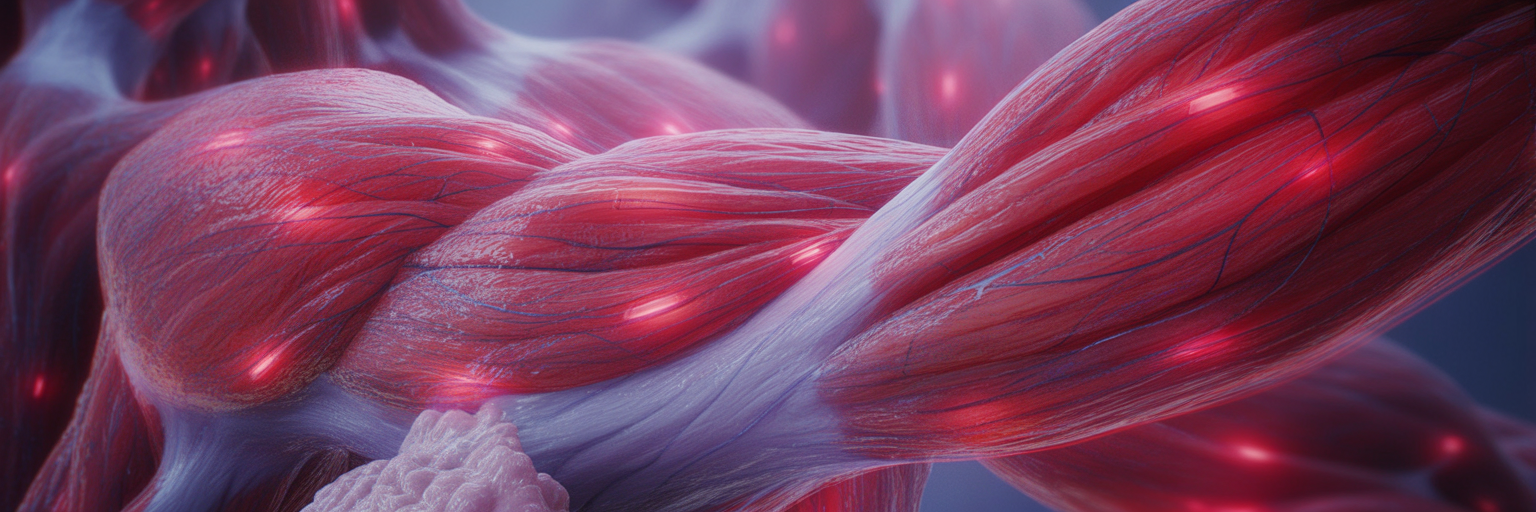
The journey from increased cellular energy to tangible pain relief is not instantaneous but a biological chain reaction. Once your mitochondria are producing ATP more efficiently, your cells have the fuel they need to perform their functions correctly, including the critical job of tissue repair and inflammation control. This process unfolds through two primary pathways that directly address the sources of chronic pain. The first is a significant reduction in inflammation. The second is the interruption of pain signaling.
This enhanced cellular energy helps regulate the body’s inflammatory response. In chronic conditions, the immune system can get stuck in a loop, continuously producing inflammatory molecules called cytokines that perpetuate pain and tissue damage. Red light therapy for inflammation works by signaling the cells to downregulate the production of these pro-inflammatory molecules. This helps calm the overactive inflammatory state that is a hallmark of conditions like arthritis and tendinitis. At the same time, PBM influences the nerves that transmit pain signals. It has been shown to reduce levels of substance P, a key neuropeptide responsible for sending pain messages from the affected tissue to your brain. By lowering the concentration of substance P, the therapy effectively turns down the volume on pain perception. These two distinct but complementary actions work together to create a more comprehensive effect:
- Reduces Chronic Inflammation: By signaling a decrease in the production of inflammatory molecules that perpetuate the pain cycle.
- Interrupts Pain Signaling: By lowering the levels of key neurotransmitters responsible for sending pain messages from the affected tissue to the brain.
This dual-action approach, targeting both the inflammatory source and the pain signal itself, is what makes photobiomodulation a powerful tool for managing persistent symptoms at their biological origin.
Why Wavelength and Depth Matter
Not all light is created equal, and when it comes to pain management, the distinction between red and near-infrared (NIR) light is critical. The effectiveness of the therapy depends entirely on getting the light energy to the right place, and the wavelength of the light determines how deeply it can penetrate into your body’s tissues. This is why understanding the difference is essential for choosing the right device for your needs. Red light, with its shorter wavelengths, is absorbed more superficially. It is excellent for skin health, wound healing, and addressing inflammation close to the surface. However, it cannot reach the deeper structures where chronic pain often originates.
This is where near-infrared light for pain becomes particularly important. Its longer wavelengths allow it to pass through the skin and superficial tissues to reach deep into muscles, joints, ligaments, and even nerves. For conditions like chronic back pain, knee osteoarthritis, or deep muscle soreness, a device that delivers near-infrared light is necessary to ensure the therapeutic energy reaches the source of the discomfort. Many high-quality devices offer a combination of both red and near-infrared wavelengths to provide a broad range of benefits, but for deep-seated pain, NIR is the key component. The choice of wavelength is not a matter of preference but a fundamental requirement for effective treatment.
| Factor | Red Light (approx. 630-660 nm) | Near-Infrared Light (approx. 810-850 nm) |
|---|---|---|
| Penetration Depth | Superficial (skin layer) | Deep (muscles, joints, nerves) |
| Primary Target Tissue | Skin cells, superficial fascia | Deep muscle, bones, connective tissue, nerve bundles |
| Best For | Skin health, surface wounds, mild inflammation | Chronic joint pain, deep muscle soreness, nerve-related pain |
Reviewing the Clinical Support for Pain Management

The principles behind photobiomodulation are compelling, but its value as a therapeutic tool is ultimately validated by clinical research. Over the past few decades, a substantial body of evidence has emerged supporting its use for a variety of pain conditions. For certain issues, the scientific backing is particularly strong. Multiple meta-analyses have confirmed that PBM provides significant pain reduction and functional improvement for people with chronic neck pain and knee osteoarthritis. In these cases, its effects are often comparable to those of non-steroidal anti-inflammatory drugs (NSAIDs) but without the well-documented gastrointestinal and cardiovascular risks associated with long-term use. This makes it a much safer alternative for managing a condition that may last for years.
The research is also expanding into more complex pain syndromes. A 2025 review published in the journal Frontiers in Photonics highlighted the growing potential of PBM in managing difficult conditions like fibromyalgia and peripheral neuropathy. While the evidence for these conditions is more variable, many studies show promising results, particularly in reducing pain and improving quality of life. It is important to acknowledge this variability, as it reflects the complexity of these disorders and the need for personalized treatment protocols. Perhaps the most consistent finding across the vast majority of scientific literature is the therapy's excellent safety profile. Major reviews consistently report minimal to no side effects, a significant advantage for anyone looking for a sustainable, long-term solution to manage chronic pain without adding another layer of health concerns.
Getting the Dose Right for Effective Results
Successfully using at-home photobiomodulation depends on understanding a key principle: the biphasic dose-response. In simple terms, this means that both too little and too much light can be ineffective. There is a "Goldilocks" window of dosage where the therapy produces the best results. This is why simply buying a device and pointing it at a sore spot is not enough. Following a structured protocol is essential for achieving a therapeutic outcome. The effects of red light therapy are cumulative. It is not a one-time fix but a process of gradually restoring cellular function and reducing the baseline level of inflammation. This requires consistency.
A typical protocol involves sessions three to five times per week, continued for several weeks, to establish a new, healthier state in the tissues. While professional devices used in a clinical setting may have higher power output for shorter sessions, consistent use of a quality at-home device can achieve the same therapeutic benefits over time. The convenience of being able to treat yourself regularly at home is a significant advantage. To get the most out of your therapy, it is important to follow some best practices:
- Start with the manufacturer's recommended session time and frequency. These guidelines are based on the device's power output and are designed to deliver an effective dose.
- Commit to a consistent routine for at least three to eight weeks. This gives your body enough time to respond to the therapy and allows you to properly evaluate its effects on your symptoms.
- Pay attention to your body's response and adjust as needed, but avoid the temptation to overdo it. More is not always better, and exceeding the optimal dose can diminish the therapeutic effect.
Navigating the options for at-home use can feel complex, but resources are available to help you understand the nuances of red light therapy at home. Investing in a quality device from a reputable brand like Mito Health ensures you are getting a system engineered for effective and safe use. For example, the adaptable design of our MitoADAPT series allows for tailored treatments that align with these principles.
Integrating Light Therapy with Other Methods

It is helpful to think of red light therapy not as a standalone cure but as a powerful component of a comprehensive pain management strategy. While it is highly effective at managing symptoms and supporting tissue repair at a cellular level, it works best when integrated with other healthy practices. Research shows that while PBM can provide significant and lasting relief, pain can sometimes return if maintenance sessions are stopped, especially if the underlying lifestyle factors contributing to the pain are not addressed. This reinforces its role as an ongoing management tool rather than a one-and-done solution.
When considering red light therapy vs other pain relief methods, it is important to understand that different modalities work on the body in different ways. For example, the vasoconstriction induced by a cold plunge is excellent for reducing acute inflammation and swelling, while the superficial heat of a sauna blanket can relax muscles and improve circulation. Red light therapy operates on a deeper, cellular repair mechanism. Each of these tools has a distinct purpose. A holistic approach might involve using red light therapy to manage chronic joint inflammation, gentle movement to maintain mobility, proper nutrition to support overall health, and perhaps even PEMF therapy for a different type of cellular stimulation. The goal is to build a personalized recovery toolkit, with photobiomodulation serving as a specialized instrument for restoring cellular function and controlling chronic pain at its source. You can learn more about how these modalities compare in our guide on cold plunge vs. red light therapy.
Taking the Next Step in Pain Management
Understanding the science behind red light therapy is the first step toward taking back control from chronic pain. It is a validated technology that works by enhancing your body's own cellular machinery to reduce inflammation and interrupt pain signals. Its effectiveness is not based on magic but on the precise application of light energy to stimulate a natural biological response. Success with this therapy hinges on appreciating the core principles of wavelength, dosage, and consistency. With this knowledge, you are no longer just trying another remedy but are actively participating in your own recovery process by providing your body with the resources it needs to heal.
For those ready to explore this path further, the logical next step is to research high-quality, medical-grade devices designed for safe and effective home use. To make an informed and confident decision, you can review a curated selection of red light therapy panels that align with the scientific principles discussed here.