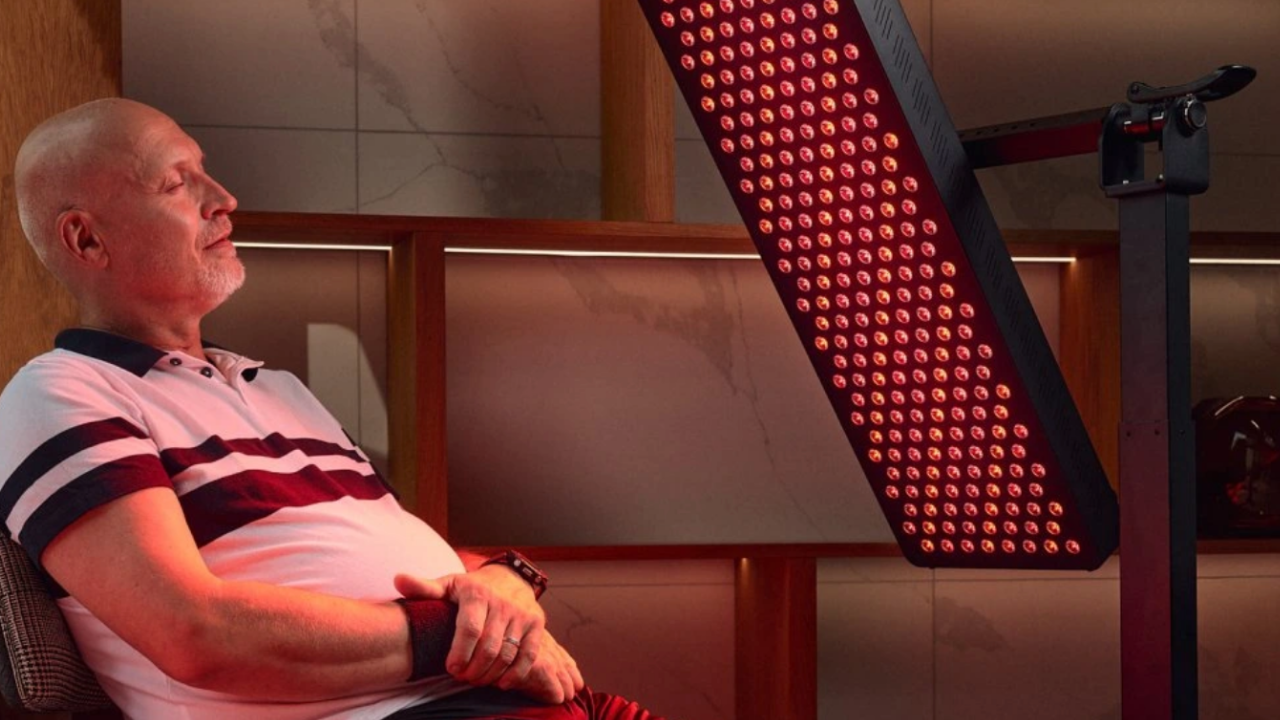
Mito Light is the kind of panel people end up buying after comparing everything else
Most people don’t start with something like the MitoADAPT series by Mito Light. They usually begin by looking at cheaper panels, get overwhelmed by specs, and then slowly realize that not all red light devices are built the same. Somewhere in that process, Mito tends to come up — not as the flashiest option, but as one of the more balanced ones.
The MitoADAPT line sits in that middle ground where performance, price, and flexibility intersect. It’s not positioned as ultra-premium, but it’s also not trying to compete with entry-level panels that cut corners. Instead, it’s designed for people who want something they can actually use consistently without second-guessing whether it’s doing enough.
That alone makes it worth paying attention to.
What stands out once you start comparing panels
When you start looking at how red light therapy works more seriously, a few things come up again and again: wavelength accuracy, output, and coverage. These aren’t just technical specs — they’re what determine whether a device actually feels useful over time.
The MitoADAPT series leans heavily into this. It uses multiple wavelengths, including the commonly studied red and near-infrared ranges that are associated with skin health and deeper tissue support.
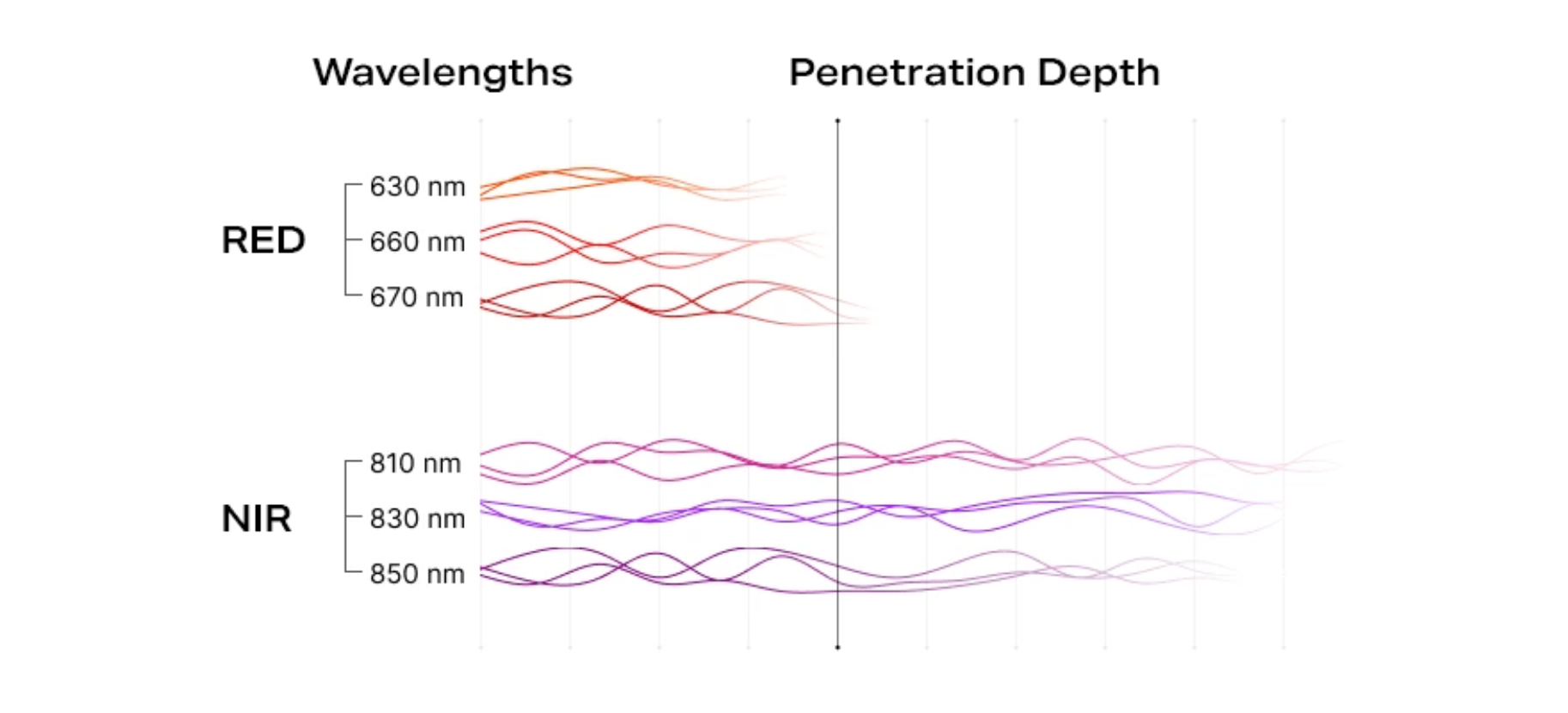
That might sound like standard language, but in practice, it matters. A lot of lower-cost panels either simplify this too much or don’t clearly explain what they’re doing. Mito’s approach is more transparent, which makes it easier to understand what you’re actually getting.
There’s also a clear focus on output. One of the common issues with cheaper panels is that they look powerful on paper but don’t deliver enough intensity at a usable distance. When that happens, sessions become longer, less effective, and harder to stick with.
Mito seems to have built this series with that in mind — aiming for something that works at a realistic distance, not just in ideal lab conditions.
How it fits into a real home setup
This is where the MitoADAPT series starts to make more sense.
It doesn’t assume you’re building a full recovery room right away. You can start with a single panel, use it for targeted areas, and then expand if you decide it’s something you want to integrate more deeply into your routine.
That modular approach is becoming more common in better panels, and for good reason. Full-body setups are effective, but they’re also a commitment — both in terms of space and cost. Being able to scale into that instead of jumping straight in makes the whole process feel more manageable.
Physically, the panels are straightforward. They can be mounted or used with a stand, depending on your space. They’re not something you’ll tuck away after each session, but they also don’t demand a dedicated room unless you build toward that.
What it’s actually like to use
Using a panel like this quickly becomes less about the technology and more about habit.
You turn it on, position yourself, and stay there for the session. There’s no learning curve once it’s set up, and no real friction in the process. That simplicity is what makes it realistic to use several times a week — which is where red light therapy tends to show its value.
Consistency is a recurring theme in this space. Even high-quality panels won’t do much if they’re used occasionally. Experts and guides consistently emphasize regular use — often multiple times per week — to see noticeable effects.
What helps here is that the experience itself is passive. You’re not doing anything during a session. That makes it easier to pair with existing routines — listening to something, winding down in the evening, or even just standing still for a few minutes without needing to actively engage.
Where this panel makes the most sense
The MitoADAPT series feels particularly well suited to people who are somewhere between curious and committed.
Not beginners who just want to experiment casually — there are cheaper options for that. But also not necessarily people building a full, high-end recovery room from day one.
It works best for someone who:
- has already looked into red light therapy
- wants something more reliable than entry-level devices
- values flexibility (being able to expand later)
- is willing to use it consistently
**That middle-ground positioning is actually one of its strengths. It doesn’t try to be everything, but it covers the most important bases well. **
Limitations that are worth being aware of
The biggest limitation isn’t unique to this panel — it applies to the category as a whole.
Red light therapy requires consistency. Without it, even a well-built panel becomes just another piece of equipment that doesn’t get used.
There’s also the question of expectations. The space is full of broad claims, and not all of them are realistic. While red light therapy is associated with things like inflammation reduction and skin support, the results depend heavily on usage, device quality, and individual factors.
Community discussions around these devices often highlight the same thing: specs matter more than branding, and not every product delivers what it promises.
That’s part of why panels like this exist in the first place — to offer something more reliable — but it’s still something to keep in mind.
Pricing and positioning
The MitoADAPT series sits in what most people would consider the mid-to-upper range for red light therapy panels.
Entry-level devices can start under a couple hundred, while more advanced, modular systems can climb well into the thousands depending on configuration.
Mito positions itself somewhere in between — not the cheapest option, but also not at the very top end of the spectrum.
Because the system is modular, pricing varies depending on the panel size and setup. The best way to see current options and configurations is directly on the official Mito Red Light website.
Who this is best for
This is a strong fit for someone who:
- wants to move beyond basic, low-cost panels
- is building a consistent recovery routine at home
- prefers something that can scale over time
- values clarity around specs and performance
It’s also a good option for people who don’t want to overcommit upfront but still want a system that can grow with them.
Who might want something different
If you’re looking for something ultra-compact or purely occasional-use, this might feel like more than you need.
On the other end, if you’re already fully committed to building a large-scale recovery setup, you might end up comparing higher-end systems with larger initial coverage.
Final take
The MitoADAPT series doesn’t try to stand out through branding or hyperbole. It earns its place by being practical — offering enough performance, enough flexibility, and enough clarity to make it a solid long-term choice.
It’s the kind of panel people tend to land on after doing their research, not before. And in a category where there’s a lot of noise, that usually says more than any feature list.
For sizing options, configurations, and current pricing, it’s best to check directly on the official Mito Red Light site.
Last updated
Articles related to listings

Can red light therapy help with EDS?
Red light therapy is not a treatment for EDS, but can help indirectly, and sits in the category of general recovery support, rather than condition-specific intervention.
How Often Should You Use Red Light Therapy at Home
How often it should red light therapy actually be used ay home? Not in theory, but in real life. How it fits into a week. Whether it’s something you do occasionally or something that needs to become part of a routine to matter.
Joovv vs Mito Light: What Changes Between Mid Range and Premium Red Light Therapy
The difference between mid-range and premium red light therapy systems doesn’t usually come down to a single feature. It comes down to how the system behaves once it’s part of your home.

Cold Plunge vs Red Light Therapy: Different Stress, Different Results
People compare cold plunge and red light therapy as if they’re solving the same problem but they sit on opposite sides of how the body responds to stress. One forces a reaction. The other supports recovery while the body is at rest
Similar listings in category
Explore More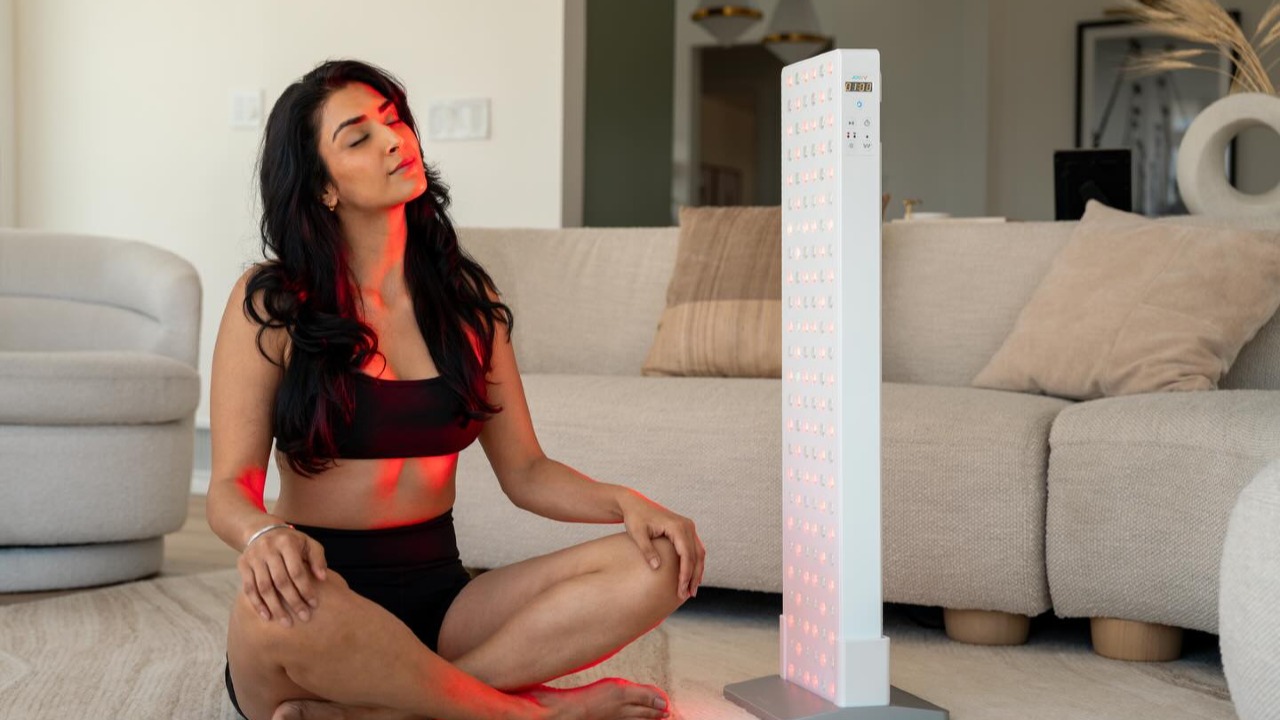
Joovv Solo 3.0
The Joovv Solo 3.0 is a medical-grade red and near-infrared light therapy device designed for convenient moderate-area treatments at home or in commercial settings. The Solo is part of Joovv’s patented modular system and can expand into larger setups.

Block Blue Light
Red Light Therapy Panels and Infrared Light Therapy Devices Red Light Therapy can assist people in reaching their full potential with optimal light exposure. According to science, humans require specific red and near-infrared light wavelengths in order to function optimally!