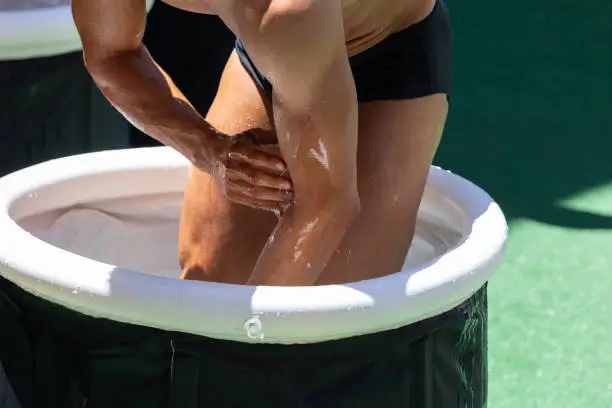
Walk into almost any professional training facility and you will spot something familiar. A large tub filled with ice sits near the locker room entrance. Athletes climb into an ice bath right after brutal training sessions without much hesitation. This ritual looks uncomfortable and honestly it usually is quite uncomfortable. Yet athletes across nearly every sport keep returning to this same cold tub. Understanding what ice baths do for athletes requires looking past the discomfort toward the actual physiology involved. The reasons are more practical than mystical though the practice looks dramatic. Once you understand the mechanism the ritual makes a lot more sense.
The Basic Problem Athletes Are Trying To Solve
Intense training creates small amounts of damage inside working muscle tissue. This damage triggers inflammation which is part of the normal repair process. Inflammation brings swelling soreness and a temporary drop in muscle performance. For most people this process simply unfolds over the following days. Athletes however often need to perform again within a very short window. A basketball player might have another game the next evening. A wrestler might face several matches within the same single day. This tight turnaround creates pressure to manage inflammation more actively than usual. An ice bath after a workout became a popular tool for addressing exactly this specific problem.
How Cold Water Actually Slows Down Inflammation
Submerging in cold water causes blood vessels near the skin to constrict. This constriction reduces blood flow to the muscles being cooled directly. Reduced blood flow slows the metabolic activity happening inside damaged tissue. Slower metabolic activity means less swelling accumulates in the hours afterward. Nerve conduction also slows down which can reduce the sensation of pain. Athletes often describe feeling less sore the following morning, which explains why many people ask will ice bath help sore muscles. This is the central mechanism behind why the practice became so popular. It does not repair tissue faster, it simply manages the symptoms better. For an athlete facing another competition soon that symptom management matters enormously.
Short-Term Relief vs. Long-Term Adaptation
Here is where the story becomes more complicated than simple marketing suggests. Inflammation is not purely a problem your body needs to eliminate. It is also a key signal your body uses to build strength. This inflammatory repair process is one way in which muscle tissue adapts and develops. There have been several studies showing that immediately after strength training icing can hinder gains.
Athletes who use an ice bath right after every single lifting session may adapt more slowly. This creates a real tradeoff between feeling better tomorrow and growing stronger later. Athletes in season often prioritize feeling better for the next competition. Athletes in an off season building phase often skip icing to maximize adaptation.
Why Timing And Training Goals Matter
A tournament athlete playing multiple matches across one weekend faces a different reality. Recovery speed matters more than long term muscle adaptation during that weekend. Icing between matches makes sense because the goal is immediate performance readiness. A powerlifter deep in a training block chasing strength gains faces a different goal. Skipping the ice bath after workout after heavy squats might actually serve that goal better. This is why smart athletes and coaches think carefully about timing and purpose. Blindly icing after every single session ignores this important nuanced tradeoff entirely.
What Athletes Actually Report Feeling During And After
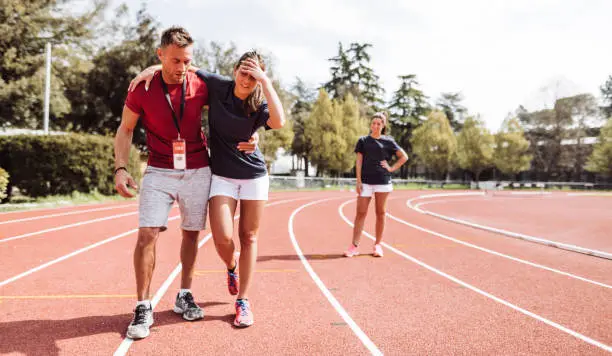
The first 30 seconds are the true hardest, according to most athletes. The first shock results in sped-up breathing and intense fleeing. The athletes learn to control their breath by breathing slowly and deliberately. Following this difficult period, there is a weird sense of calm. Effective mental toughness is a tangible part of the athletes' appreciation of this practice. Practicing through the pain develops a form of strength that is carried over to other parts of life. Many athletes attribute mental acuity and concentration after the workout. This mental component often gets underestimated compared to the physical inflammation benefits. For some athletes the mental training might matter just as much physically.
How Different Sports Use Ice Baths
Endurance sports like distance running often use cold water for leg recovery specifically. Contact sports like football and rugby use full immersion after physical collisions. Combat sports like wrestling and boxing use an ice bath after a workout or between same-day matches. Strength sports show more caution given the research around blunted muscle adaptation. Team sport athletes with tight schedules tend to prioritize next-day readiness. Individual athletes training for peak strength often prioritize long-term adaptation instead. These differences reflect how sport-specific demands shape recovery decision making. No single approach fits every sport or every phase of training equally well. Smart programs adjust cold exposure based on the specific competitive calendar involved.
The Role Of Coaches And Sports Science Teams
Modern sports science teams treat recovery as seriously as the training itself. Many teams now track soreness, sleep and readiness scores across an entire season. Cold exposure decisions increasingly get made based on this collected data. A team might skip icing during a heavy strength-building phase intentionally. That same team might prioritize icing heavily during a demanding playoff stretch. This data-driven approach replaces older blanket policies that ignored the training phase entirely. Athletes rarely make these decisions alone in high-level competitive environments today. Coaches, physical therapists and sports scientists usually collaborate on these specific choices. This collaborative approach reflects how nuanced the science has actually become.
What Recreational Athletes Can Learn
You do not need a professional sports science team to apply these lessons. Understanding your own current training goal helps guide your own decisions. If you have a race or event soon icing may support quicker recovery. If you are deep in a strength-building phase you might skip it. Listening to how your body actually responds also matters significantly here. Some people simply feel better with regular cold exposure regardless of the research. Personal experience and preference deserve real weight alongside general scientific findings. There is room for both structured decision making and simple personal preference here. The goal is finding what actually supports your specific training and life.
Building A Practical Approach At Home
For athletes training outside professional facilities practicality often decides what actually happens. A bathtub filled with ice bags works as a reasonable starting point. This approach becomes tedious quickly for anyone training several times each week. A dedicated system removes that daily friction and makes consistency far easier. Options like Plunge offer temperature-controlled tubs designed for frequent regular use. Ice Barrel offers a simpler smaller footprint suited to limited home space. Neither system changes the underlying physiology but both support consistent long-term practice. Many serious home athletes eventually invest in a dedicated setup for this reason. Consistency tends to matter more than any single perfect ice bath session.
The History Behind This Now Common Practice
Cold water recovery is not actually a recent invention or passing trend. Athletes and cultures have used cold water for centuries in various forms. Ancient civilizations used cold rivers and lakes for recovery and ritual purposes. Modern sports medicine began studying the practice more formally in recent decades. Early adoption came mostly from elite endurance and combat sport athletes first. Team sports gradually followed once locker room tubs became standard equipment. Media coverage of famous athletes using ice baths increased public awareness significantly. When the equipment became more readily available, home versions of the practice became popular. What began as a niche recovery option is now a common one.
What Current Research Reveals
Much of the research on ice baths comes from small controlled studies. These studies often measure soreness, strength and inflammation markers over several days. Results vary depending on the sport studied and the training protocol used. Some studies focus on running, others focus on resistance training specifically. This variety makes broad universal conclusions difficult to state with full confidence. Researchers generally agree cold water reduces short-term soreness fairly reliably, helping explain how ice baths help recovery. There is less agreement about long-term effects on strength and muscle growth. This continuing dispute is not an expression of sloppy or careless science, but rather a true complexity. This is a complex piece of evidence and must be interpreted by athletes and coaches in their particular circumstances.
What Happens Physiologically Beyond Just The Muscles
The direct cooling of muscles is not the only muscle group that is impacted by cold water immersion. Your heart rate and blood pressure go up or down. Stress hormones are released by your nervous system making you feel alert and focused. During the entire exposure, your body will also do its best to keep your temperature normal. These combined responses explain what an ice bath does to your body and why athletes often feel a full-body effect. It is not simply a localized muscle treatment despite how it gets described. This whole-body response is part of why timing and duration matter. Too long an exposure shifts from beneficial stress toward genuine physical strain. Understanding this balance helps explain sensible guidelines around how long ice baths are for recovery and session frequency.
Considering Heat As A Complementary Recovery Tool
Cold exposure is not the only recovery tool worth understanding here. Heat-based tools such as sauna blankets operate through a completely different way the body works. They use heat to improve blood circulation and can help with relaxation and making muscles feel less tight.
Some athletes alternate between heat and cold across different training days. A sauna blanket from Higher DOSE offers a convenient heat-based recovery option. Others use red light therapy from a brand like Mito Light for targeted recovery. PEMF devices from HealthyLine offer another layer some athletes find genuinely useful. None of these tools work in isolation from proper sleep and nutrition. They function best as support within a broader complete recovery strategy.
Common Mistakes Athletes Make With Cold Exposure
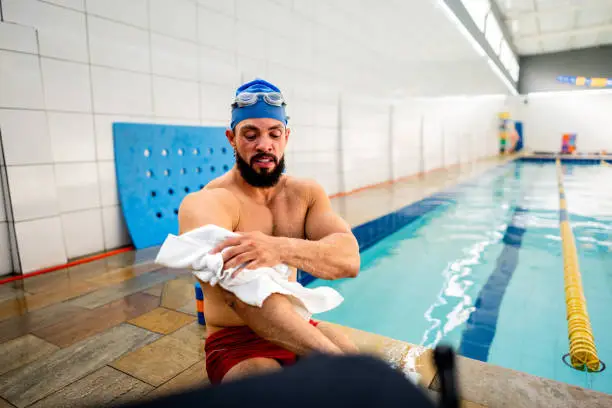
Many athletes jump straight into extremely cold water without any real preparation. This often leads to a panicked reaction that overwhelms any actual benefit. Starting with moderate temperatures and shorter durations tends to work much better before trying a very cold ice bath. Another common mistake is icing immediately after every single training session automatically. This ignores the important tradeoff between symptom relief and long-term adaptation. Some athletes also stay in far too long chasing a stronger effect. Longer sessions do not necessarily produce proportionally better recovery outcomes though. A few athletes skip proper breathing technique and simply try to tough it out. Learning slow controlled breathing makes the entire experience far more manageable overall.
The Shift Toward Personalized Recovery
Sports recovery culture has changed significantly over the past several years. Blanket policies requiring ice baths after every session are becoming less common. Individualized approaches based on athlete goals and training phase are growing instead. This change shows a bigger move towards making training decisions based on personal data. Now, wearable tech lets athletes and coaches monitor recovery with more accuracy.
Sleep quality, heart rate variability and subjective soreness all factor into decisions. Cold exposure becomes one adjustable tool within this larger personalized framework. This more thoughtful approach replaces older assumptions that more icing always helps. Athletes today have more information available to make smarter recovery choices.
What Younger Athletes Should Understand Before Starting
Younger athletes often adopt habits they see professionals using without full context. Ice baths look impressive and dedicated which makes them easy to imitate. Young developing athletes should understand the strength adaptation tradeoff discussed earlier. During developmental years building strength and muscle often matters more than same-day recovery. This suggests younger athletes might benefit from using cold exposure more selectively. Reserving it for genuine high-stakes competition rather than routine practice sessions makes sense. Coaches working with younger athletes should explain this reasoning rather than just imposing rules. Understanding the why behind a practice tends to produce better long-term decision making. This applies to recovery tools just as much as it applies to training itself.
The Psychological Benefits Beyond Physical Recovery
Many athletes value cold exposure for reasons beyond pure physical recovery benefits. Willingly stepping into discomfort builds a specific kind of mental discipline. This discipline can transfer to handling pressure during actual competition moments. Athletes often describe the ice bath as a controlled voluntary stress test. Successfully managing that stress builds confidence in handling other difficult situations. Some coaches deliberately use cold exposure partly for this psychological training effect. This reasoning exists somewhat separately from the physiological inflammation arguments discussed earlier. Both threads are important and usually work together in real life.Knowing about both helps explain why this ritual continues.
A Final Word On Making This Practice Your Own
Every athlete eventually finds their own rhythm with cold water recovery. What works for a professional team may not fit your own schedule. What works during one training phase may not fit the next phase. This flexibility is not a weakness in the practice but a strength. It allows the same basic tool to serve very different specific goals. Having an eye for your own recovery helps inform your decisions better than any rule. Attention like this takes time to develop, but is rewarded in a steady stream. With that awareness and general principles outlined here, you have a good foundation. Once you're there, it's more about true self-awareness than the latest fashions.
Frequently Asked Questions
How soon after training should an athlete take an ice bath?
Within thirty minutes to two hours tends to work well generally.
Does icing every single day slow down long term strength gains?
It can particularly after heavy strength training so timing matters greatly.
How cold should the water be for a proper ice bath?
Somewhere between fifty and sixty degrees Fahrenheit works well for most athletes.
Is a cold shower a reasonable substitute for a full ice bath?
It offers a milder version though full immersion produces a stronger effect.
Should athletes ice before an event or only after finishing?
After is generally recommended since cold exposure can reduce muscle power beforehand.
If you are building your own recovery routine, think about your actual training goal first. Compare cold plunges sauna systems and other recovery tools inside our full directory. Finding the right combination for your specific season matters more than following one universal rule. Give yourself time to learn how your own body actually responds before deciding