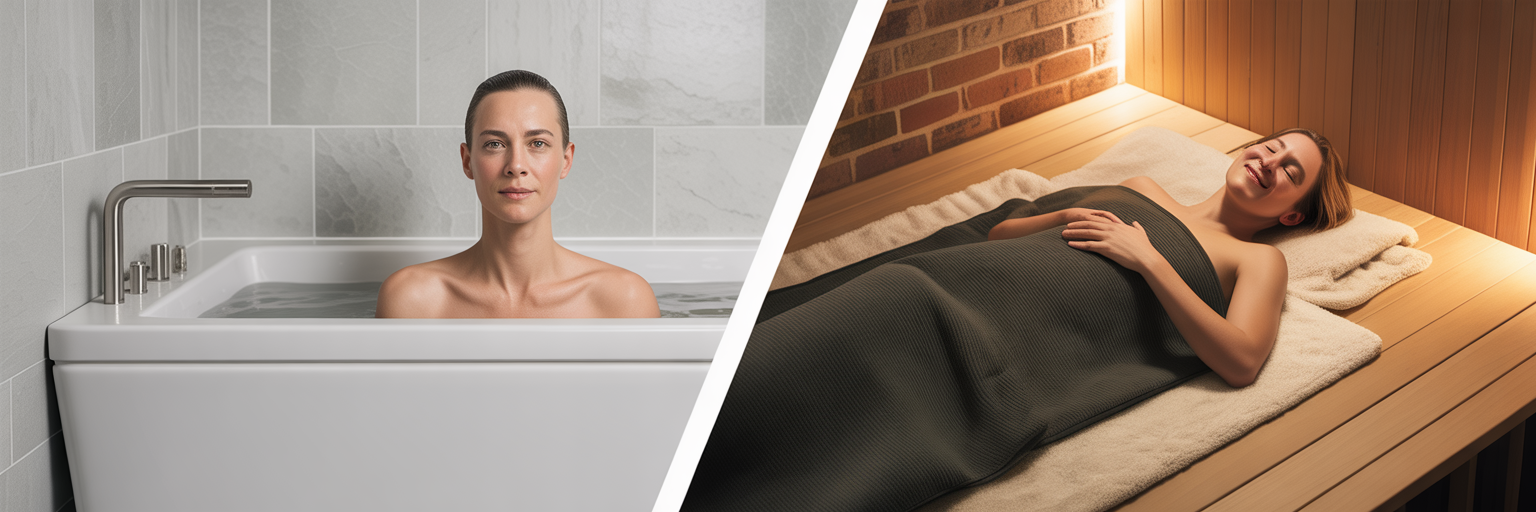
The Modern Approach to At-Home Recovery
For centuries, recovery simply meant rest. It was a passive state of waiting for the body to mend itself. Today, we understand that recovery is an active process, a strategic component of wellness where targeted interventions can significantly accelerate the body's repair mechanisms. This shift has brought powerful modalities from elite training facilities into our homes, allowing for consistent and effective self-care.
Two of the most prominent of these are cold immersion and heat therapy. A cold plunge tub is a tool for deliberate cold water immersion, designed to trigger rapid physiological responses that address acute inflammation and soreness. Think of it as a precise, controlled shock to the system that kickstarts immediate repair.
On the other hand, an infrared sauna blanket is a portable device that uses far-infrared light to generate deep, penetrating heat. Instead of just warming the air around you, it warms your body directly, promoting systemic benefits like improved circulation and deep relaxation. While both are powerful at home recovery tools, they operate on entirely different principles.
This brings us to the central question: how do you choose between these two? The answer isn’t about which one is universally superior. It depends entirely on your specific goals, the timing of your recovery sessions, and the outcomes you want to achieve. Understanding their distinct functions is the first step in building a recovery routine that truly works for you, and as we explore our range of recovery options, you'll see how each one serves a unique purpose.
The Science of Cold Immersion Therapy
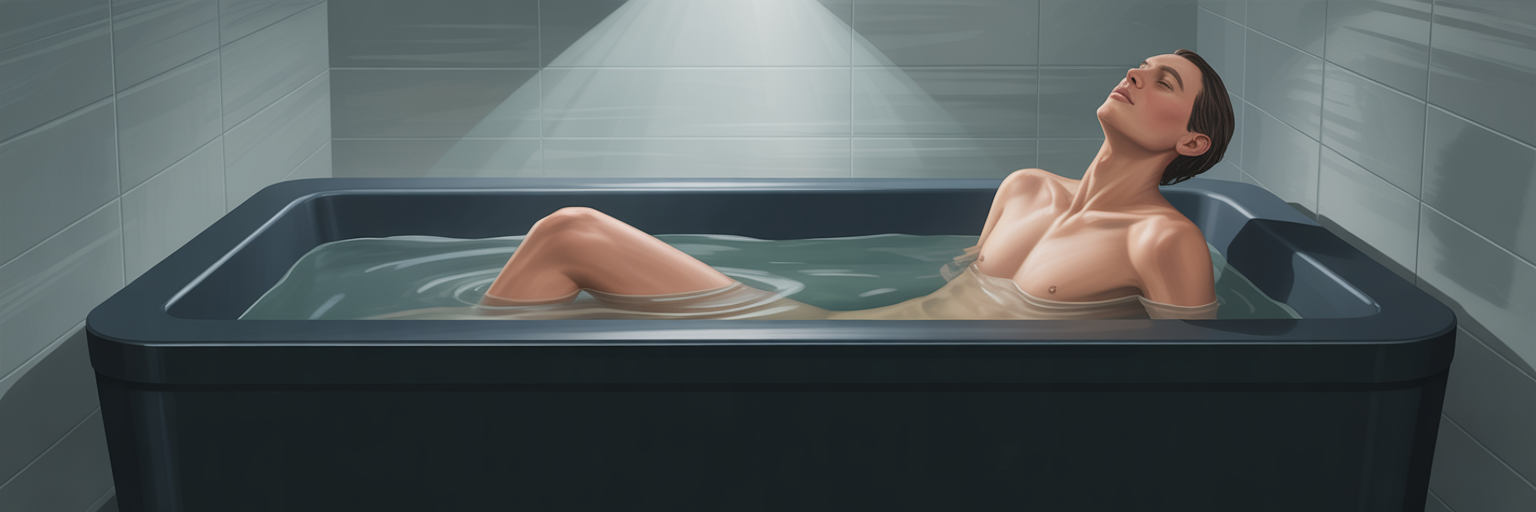
The immediate, bracing sensation of a cold plunge triggers a cascade of physiological events, starting with vasoconstriction. When your body is submerged in cold water, your blood vessels narrow, dramatically reducing blood flow to your muscles. This response is critical for minimizing the inflammation and swelling that occur right after an intense workout. It’s like hitting the pause button on the body’s inflammatory reaction, giving it a chance to manage the micro-trauma of exercise without overreacting.
This mechanism is particularly effective for addressing Delayed Onset Muscle Soreness (DOMS). We’ve all felt that two-day-later ache that makes walking downstairs a challenge. Research suggests that using a cold plunge tub for recovery can reduce muscle soreness by a significant margin, making it an invaluable tool for anyone pushing their physical limits. Its benefits are most pronounced for acute issues, typically within the first 48 hours after strenuous activity.
Beyond the physical, the mental benefits are just as profound. The shock of the cold triggers a spike in norepinephrine, a hormone and neurotransmitter that sharpens focus, elevates mood, and enhances alertness. This isn’t just a fleeting feeling; it’s a mental reset. Committing to a cold plunge practice becomes a ritual of resilience. As highlighted in an article on Memory Lane Tattoo about designing a tattoo that tells your own story, people often use physical markers to signify personal journeys. In a similar way, stepping into the cold can be a daily act that reinforces your commitment to mental and physical fortitude.
The Power of Infrared Heat Therapy
Where cold constricts, infrared heat expands. The primary mechanism of an infrared sauna blanket is vasodilation. The far-infrared rays penetrate deep into your tissues, causing blood vessels to widen. This process increases circulation, creating a superhighway for oxygen and nutrients to reach tired muscles and carry away metabolic waste. This makes it a powerful tool for long-term repair and maintenance, rather than immediate damage control.
The infrared sauna blanket benefits are most apparent when dealing with chronic issues. While cold offers temporary relief, the sustained increase in blood flow from heat therapy helps manage persistent inflammation and joint stiffness over time. It supports cardiovascular health by gently improving circulation, almost like a passive form of cardio exercise. This makes it an excellent choice for ongoing wellness and preparation.
Furthermore, infrared heat induces a deep, detoxifying sweat that helps purge impurities from the body. Perhaps one of its most appreciated effects is profound stress relief. The gentle, enveloping warmth helps activate the parasympathetic nervous system, our body's "rest-and-digest" mode. This calms the mind, eases tension, and can significantly improve sleep quality. For those interested in these systemic benefits, exploring our infrared sauna blankets can be a great starting point for building a restorative routine.
Timing Your Recovery for Maximum Impact

Understanding the science behind cold and heat is one thing; knowing when to use each tool is what transforms that knowledge into results. The effectiveness of your recovery hinges on strategic timing, and the debate of cold plunge vs infrared sauna is often settled by looking at the clock.
A cold plunge is your immediate post-workout solution. Its primary job is to halt the inflammatory process in its tracks. After a high-intensity training session, your muscles are inflamed. Using a cold plunge within a few hours of that activity acts as a powerful anti-inflammatory, preventing excessive swelling and soreness before they set in. Think of it as first aid for your muscles.
An infrared sauna blanket, however, is best used on rest days or several hours after a workout. Why the delay? Using heat too soon can actually interfere with the body's natural adaptive response. That initial inflammation, while uncomfortable, signals the body to rebuild stronger muscles. Applying heat immediately can blunt that signal. Instead, using a sauna blanket on a rest day supports the long-term repair process by boosting circulation and delivering nutrients for rebuilding.
Interestingly, an infrared sauna can also be used as a pre-workout tool. A 15-20 minute session can warm up muscles, increase flexibility, and improve blood flow, preparing your body for the work ahead. The takeaway is simple: use cold for immediate damage control after intense effort and use heat for ongoing systemic recovery and preparation.
Comparing Recovery Goals Head-to-Head
Now that we understand the science and timing, let's put these two modalities in a direct comparison based on specific wellness goals. The right choice becomes clear when you know exactly what you want to achieve. As we've explored in other comparisons, like our analysis of a sauna blanket versus a PEMF mat, different technologies excel in different areas.
For Acute Muscle Soreness
After a grueling workout, your primary goal is to manage immediate inflammation and prevent the onset of deep muscle soreness. The vasoconstriction from a cold plunge is unmatched for this purpose. It quickly reduces swelling and numbs nerve endings, providing rapid relief. Heat, in contrast, would increase blood flow and could worsen initial inflammation. The winner is the cold plunge.
For Chronic Inflammation and Pain
If you're dealing with persistent joint pain or chronic inflammation, your focus shifts from acute relief to long-term management. The vasodilation promoted by an infrared sauna blanket delivers a steady supply of oxygenated blood to affected areas, helping to soothe tissues and support repair over time. The winner is the infrared sauna.
For Stress Reduction and Relaxation
Both modalities can be meditative, but they achieve it differently. A cold plunge creates mental clarity through a hormetic stress response—a brief, intense challenge that leaves you feeling focused and resilient. An infrared sauna, however, directly activates the parasympathetic nervous system, inducing a state of deep calm and relaxation. For pure, blissful unwinding, the winner is the infrared sauna.
For Cardiovascular Health
While both can benefit circulation, they do so in different ways. The cycles of vasoconstriction and vasodilation from cold plunging can train your blood vessels, improving their responsiveness. However, research has shown that the deep heat from an infrared sauna can mimic the effects of moderate cardiovascular exercise, improving endothelial function and promoting long-term heart health. The winner is the infrared sauna for sustained benefits.
| Recovery Goal | Cold Plunge Tub | Infrared Sauna Blanket | The Verdict |
|---|---|---|---|
| Acute Muscle Soreness (Post-Workout) | Reduces inflammation and swelling rapidly. | Can increase inflammation if used too soon. | Cold Plunge is the clear winner. |
| Chronic Inflammation & Joint Pain | Provides temporary relief. | Promotes sustained blood flow for long-term repair. | Infrared Sauna is more effective for ongoing management. |
| Stress Reduction & Relaxation | Creates mental clarity via a hormonal spike (a stressor). | Activates the parasympathetic (rest-and-digest) system. | Infrared Sauna is superior for deep relaxation. |
| Cardiovascular Health | Can improve circulation through vasoconstriction cycles. | Mimics moderate exercise by improving vasodilation. | Infrared Sauna has more direct, long-term benefits. |
This table summarizes the primary applications for each modality. The 'better' choice is entirely dependent on the user's primary recovery objective.
The Synergy of Contrast Therapy
So far, we've treated this as an "either/or" decision. But what if you could have the benefits of both? For those looking to maximize recovery efficiency, combining cold and heat in a single session offers a powerful solution. This advanced technique is known as contrast therapy at home, and it creates a unique physiological "pump" effect.
By alternating between hot and cold, you force your blood vessels to rapidly dilate and constrict. This action effectively flushes metabolic waste out of your muscles while driving fresh, oxygenated blood deep into the tissues. It’s one of the most efficient ways to accelerate recovery and reduce soreness.
A simple and effective contrast therapy protocol you can follow is:
Begin with 15 minutes in an infrared sauna blanket to promote vasodilation and warm the body thoroughly.
Follow immediately with a 2-3 minute cold plunge to induce vasoconstriction and flush the system.
Rest for a few minutes to allow your body to normalize.
Repeat this cycle 2-3 times, always ending on cold to keep inflammation down.
This is an advanced method, and it’s important to listen to your body. While highly effective, choosing a single modality based on your primary goals remains a perfectly valid and powerful approach to recovery.
Making the Right Choice for Your Lifestyle
Ultimately, the decision between a cold plunge tub and an infrared sauna blanket comes down to a simple question: what does your body need most? There is no single best option, only the right option for your personal wellness journey.
Let's recap the core choice. If you are an athlete, a weekend warrior, or anyone pushing their physical limits, a cold plunge is an indispensable tool. It excels at managing acute, post-workout muscle soreness and inflammation, helping you bounce back faster and train more consistently. For those prioritizing immediate physical repair, exploring our selection of cold plunge tubs is the logical next step.
If your goals are centered on long-term wellness, chronic pain management, and daily stress relief, the infrared sauna blanket is your ally. It supports systemic recovery, improves circulation, and promotes a deep sense of calm that benefits both body and mind. It’s a tool for maintenance, relaxation, and overall health.
Take a moment to reflect on your daily routine and recovery needs. Are you fighting off post-workout soreness, or are you seeking a way to unwind and manage chronic aches? The best investment is the one that aligns with your priorities, empowering you to take control of your recovery with confidence.