The Role of Heat Therapy in Modern Recovery
For over 2,000 years, the Finnish people have used saunas as a cornerstone of health and purification. This ancient tradition of deliberate heat exposure is no longer just a cultural practice. It has evolved into a scientifically supported method for modern athletic recovery. Today, we understand that heat can significantly accelerate muscle repair and reduce inflammation, making it a valuable tool for anyone serious about their physical well-being.
This brings us to a common question in the wellness community: what is the best way to apply that heat? The debate often centres on two popular modalities. On one side, you have the traditional sauna, which heats the air around you. On the other, you have the modern infrared sauna blanket, which heats your body directly with radiant energy. The choice between an infrared sauna blanket vs traditional sauna isn't about which one is universally superior.
Instead, the decision rests on your personal recovery goals, your lifestyle, and the practicalities of your home environment. This article provides a clear framework for choosing a home sauna. We will explore how each technology works, its physiological effects, and the real-world factors that determine which tool will serve you best. The goal is to help you make an informed choice that fits seamlessly into your life.
Understanding the Core Mechanisms of Heat
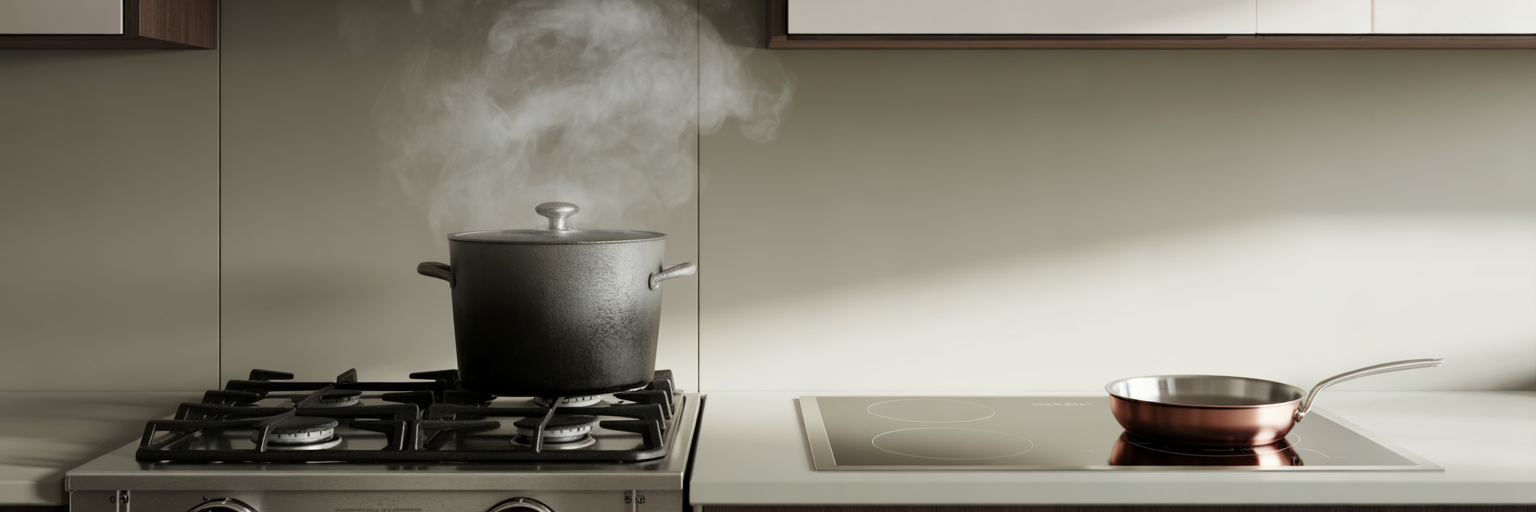
Before comparing the benefits, it is essential to understand how each type of sauna delivers heat to your body. The physical mechanisms are fundamentally different, and this distinction influences the entire experience. One heats the air, while the other heats you directly. Think of it like the difference between standing in a hot room and feeling the sun's warmth on your skin.
The Convection Heat of Traditional Saunas
Traditional saunas operate on the principle of convection. They use a heater, often electric or wood-fired, to warm a compartment of rocks. These rocks radiate heat, raising the ambient air temperature to between 65°C and 93°C. Your body is warmed from the outside-in as it absorbs heat from the surrounding hot air. Pouring water over the rocks creates steam, which increases humidity but does not significantly change the primary heating mechanism. This process creates an intense, enveloping heat that induces a powerful sweat by raising your surface temperature.
The Radiant Heat of Infrared Sauna Blankets
An infrared sauna blanket works very differently. It uses radiant heat, specifically far-infrared light, which is a part of the sun's invisible spectrum. This light energy penetrates the skin and warms the body's tissues directly from the inside-out. Because it bypasses the need to heat the air, it can induce a deep, profuse sweat at much lower and more tolerable temperatures, typically between 43°C and 65°C. The experience is less about enduring scorching air and more about feeling a deep, penetrating warmth. This targeted approach is similar to how a microwave heats food directly, whereas a traditional sauna is more like a convection oven that circulates hot air. This core difference in heating is key to understanding the unique at-home sauna benefits of each. Just as infrared technology uses specific light wavelengths for heat, other modalities use different energy forms for therapeutic effects, a concept we explore further on our blog.
Physiological Impact and Documented Benefits
With a clear understanding of how each sauna heats the body, we can now examine their distinct physiological effects. The intense heat of a traditional sauna and the deep-penetrating warmth of an infrared blanket trigger different responses, both of which offer significant benefits for recovery and overall health.
A traditional sauna session creates a powerful cardiovascular stimulus. The high ambient temperature causes your heart rate to increase and blood vessels to dilate, mimicking the effects of moderate exercise. This robust response has been linked to profound long-term health outcomes. For instance, a landmark study published in JAMA Internal Medicine followed Finnish men for decades and found that frequent sauna use was associated with a dramatically lower risk of fatal cardiovascular events and all-cause mortality. This research solidifies the traditional sauna's role as a powerful conditioning tool.
The infrared heat therapy benefits are also well-documented, though the body of long-term research is newer. Studies show that infrared heat can produce comparable cardiovascular benefits and improvements in sauna for muscle recovery. Because the ambient temperature is lower, sessions can often be longer and more comfortable. This allows for sustained heat exposure without the intense strain of a traditional sauna, which may be particularly advantageous for deep relaxation and promoting detoxification through sweat. The choice becomes one of intensity versus duration. Do you prefer the proven, acute conditioning of a traditional sauna or the targeted, sustained therapy of an infrared blanket?
To clarify the differences, consider these key physiological distinctions:
- Cardiovascular Load: Traditional saunas impose a higher cardiovascular load due to the extreme air temperature, making the experience similar to a short, intense workout.
- Muscle Penetration Depth: Infrared heat penetrates deeper into muscle tissue, potentially offering more targeted relief for soreness and inflammation directly at the source.
- Hormonal Response: Both methods stimulate the release of heat shock proteins, which help repair damaged cells, but the sustained, gentler heat of an infrared session may promote a more profound relaxation response.
- Suitability for Contrast Therapy: The intense heat of a traditional sauna makes it an ideal partner for cold plunge protocols, creating a powerful circulatory flush that many athletes seek. ol>
- Choose a Traditional Sauna if: You have dedicated space and a sufficient budget for a permanent installation. You prioritise maximum heat intensity for protocols like contrast therapy and enjoy the ritual of a classic sauna experience. Your schedule is flexible enough to accommodate the longer heat-up and session times without feeling rushed.
- Choose an Infrared Sauna Blanket if: You prioritise convenience and consistency above all else. You have limited space, live in an apartment, or want a portable solution. Your schedule is busy, and you need a low-friction tool that you can use spontaneously for regular muscle recovery and relaxation.
The Practical Realities of At-Home Use
Beyond the science, the practical aspects of owning and using a sauna are often the deciding factors. We all have an ideal version of our wellness routine, but reality is shaped by space, time, and budget. This is where the infrared sauna blanket vs traditional sauna comparison becomes most stark.
A traditional sauna is a significant home project. It requires a dedicated room or a substantial amount of space in your garden. Installation is not a simple task, often demanding professional help and potential electrical upgrades to handle the high power draw. The upfront cost can run into thousands of dollars. Perhaps the biggest point of friction for daily use is the heat-up time. You have to plan your session 30 to 45 minutes in advance, which can be a major deterrent when you have a small window of free time.
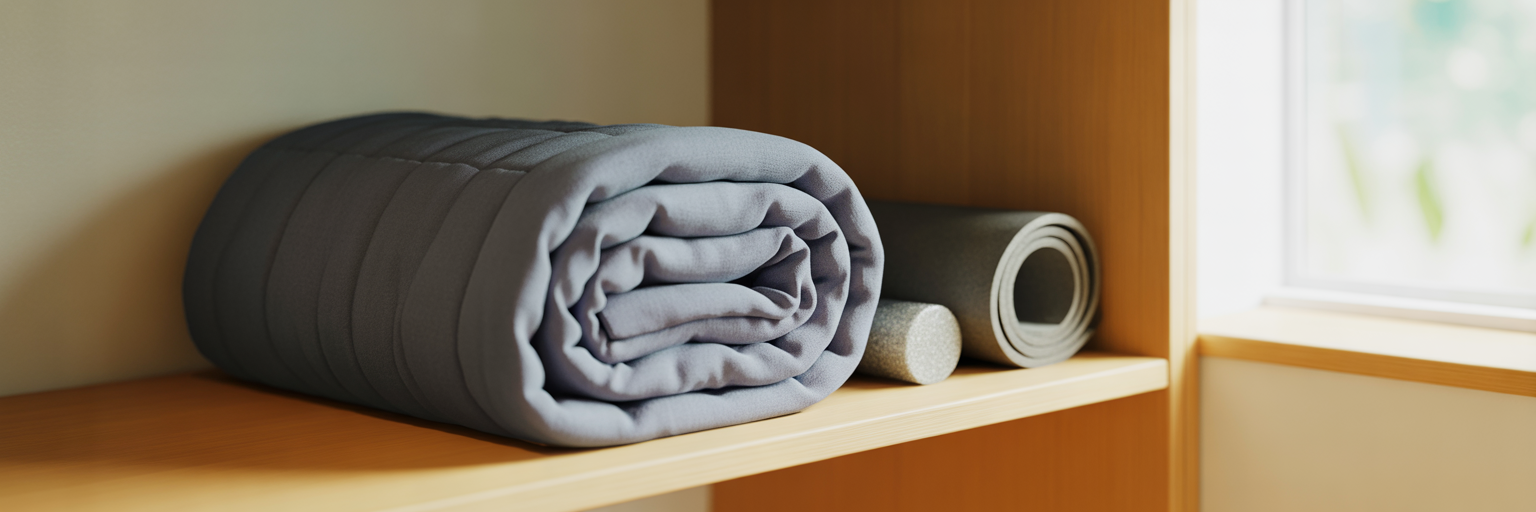
In sharp contrast, the infrared sauna blanket is designed for modern life. Its primary advantages are convenience and portability. It requires no installation; you simply unroll it on a bed or floor and plug it into a standard wall outlet. When you are finished, it folds up and stores easily in a closet. The heat-up time is minimal, usually under 10 minutes, making spontaneous sessions possible. This accessibility removes the common barriers to regular use. For those interested in exploring options, there are various models of our infrared sauna blankets available to suit different needs. Just as structured frameworks guide technology growth in various industries, as noted by sources like The Franchise CTO, a structured comparison can guide your wellness choices.
This table summarises the practical differences:
| Factor | Traditional Sauna | Infrared Sauna Blanket |
|---|---|---|
| Space Requirement | Dedicated room or large area | Bed, floor, or couch space; stores in a closet |
| Installation | Professional installation, electrical work | None; plugs into a standard wall outlet |
| Upfront Cost | High (thousands of dollars) | Moderate (hundreds of dollars) |
| Heat-Up Time | 30–45 minutes | 5–10 minutes |
| Portability | Permanent fixture | Highly portable; can be taken when traveling |
| Energy Consumption | High | Low |
Consistency: The Most Critical Factor for Results
When evaluating any wellness tool, it is easy to get caught up in specifications and theoretical maximums. However, the most powerful feature of any recovery method is not its intensity, but its potential for consistent use. The greatest benefits are not achieved in a single, heroic session but through regular, sustained practice. This principle is the key to unlocking long-term results.
Let's revisit the Finnish KIHD study. The most remarkable health outcomes were not seen in people who used a sauna once a month. They were observed in the group that used it four to seven times per week. This highlights a simple but profound truth: adherence is more important than the modality itself. A theoretically perfect tool that sits unused is worthless. The "better" sauna is the one you will actually use regularly.
This is where the infrared sauna blanket truly shines. Its design directly addresses the primary obstacles to forming a consistent habit: lack of time, energy, and convenience. The long heat-up time and dedicated session required for a traditional sauna can feel like a chore, especially on a busy day. In contrast, the ability to start a session in minutes with an infrared blanket removes that friction. It transforms the sauna for muscle recovery from a planned event into an accessible daily ritual. This principle of consistency applies to other technologies as well, a topic we have explored when comparing different at-home recovery systems. Ultimately, the convenience of the blanket is not just a luxury; it is the very thing that enables the consistency required for meaningful results.
Making the Right Choice for Your Lifestyle
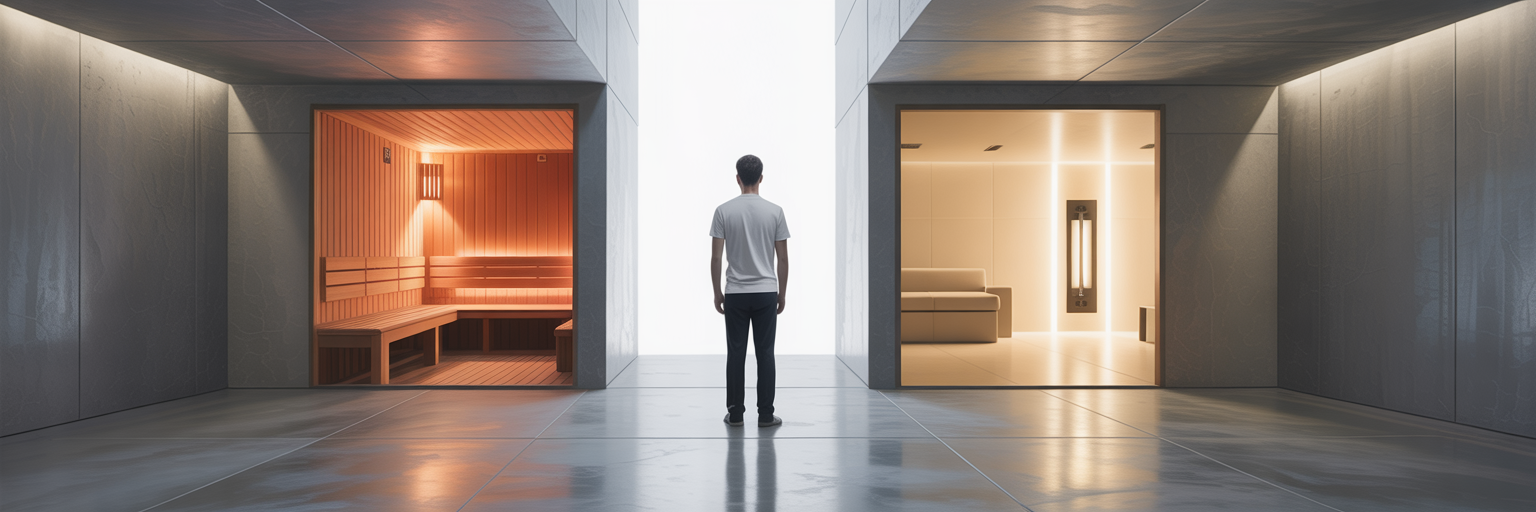
The decision of choosing a home sauna ultimately comes down to a realistic assessment of your life. Both traditional saunas and infrared sauna blankets are effective tools for recovery, but they are built for different users with different priorities. By synthesising the points we have covered, you can identify which path aligns best with your goals and circumstances.
To help you decide, consider which of these two profiles sounds more like you:
While a traditional sauna is a powerful and time-honoured wellness tool, the infrared sauna blanket vs traditional sauna debate often resolves in favour of the blanket for modern users. Its unmatched practicality fosters the consistent use needed to achieve meaningful, long-term at-home sauna benefits. For those who identify with the infrared sauna blanket profile, a high-quality option like our HigherDose Infrared Sauna Blanket is an excellent example of what to look for in an effective and reliable recovery tool.