The Science Behind Infrared Sauna Blankets
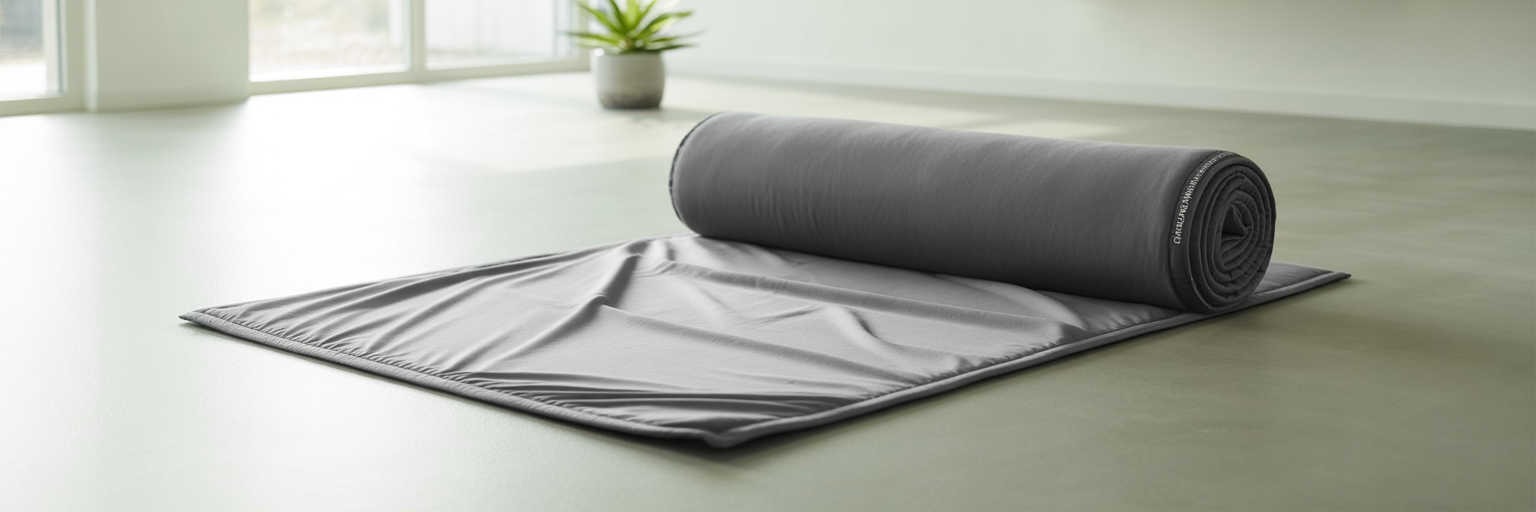
Heat therapy has been a cornerstone of wellness for centuries, but modern technology offers a more targeted approach. Unlike traditional saunas that heat the air around you, infrared sauna blankets use far-infrared radiation (FIR) to warm your body directly. Think of it like the sun warming your skin on a cool day, even when the air is crisp. This method allows for deeper heat penetration at lower, more comfortable temperatures, making the experience more pleasant and efficient.
This direct heat triggers a powerful physiological response. As your core temperature gently rises, your blood vessels widen in a process called vasodilation. This boosts circulation and increases your heart rate, creating a state of passive cardiovascular conditioning that mimics the effects of light exercise. You get the circulatory benefits without the joint impact, making it an ideal tool for rest days.
The real magic for at-home muscle recovery happens here. This enhanced blood flow delivers a rush of oxygen and nutrients to tired, sore muscles, accelerating tissue repair and helping to reduce inflammation. At the same time, the deep, therapeutic sweat helps your body perspire, supporting its natural detoxification processes. These combined infrared sauna blanket benefits create a powerful system for enhancing well-being from the inside out. For a deeper look into the technology, you can explore more about how our infrared sauna blankets work.
Preparing Your Space and Body for a Session
A successful and safe session begins long before you zip up the blanket. Think of this as your pre-session checklist, designed to ensure comfort, safety, and maximum effectiveness. Getting these simple steps right makes all the difference.
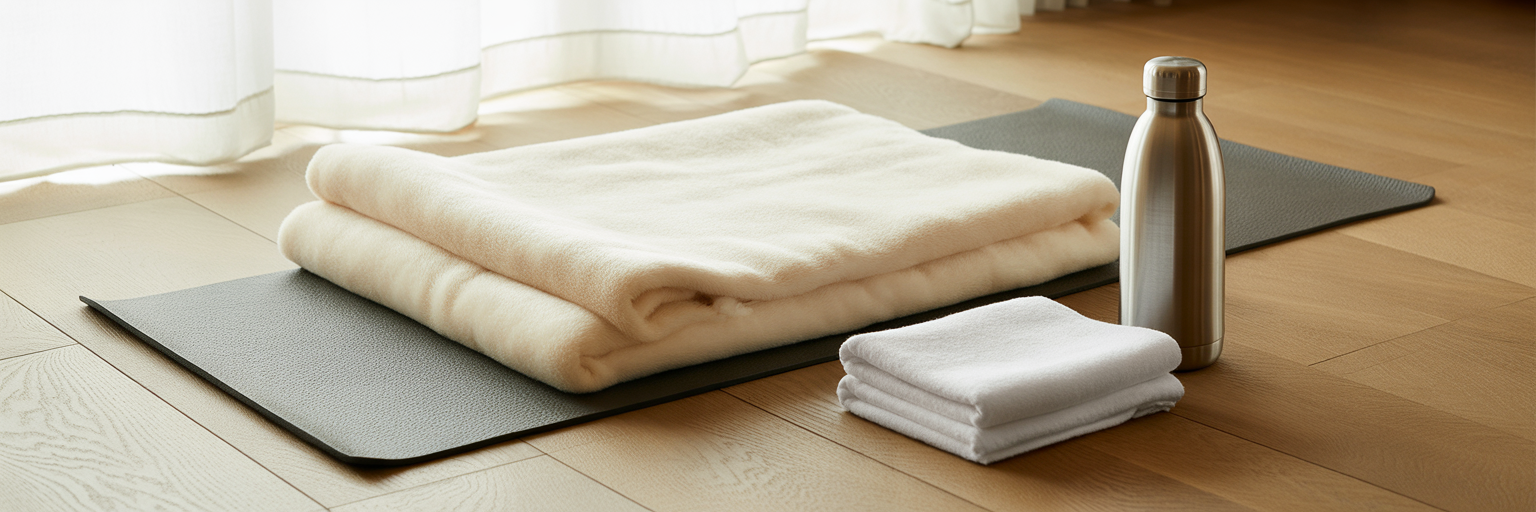
First, hydration is non-negotiable. You will sweat, so preparing your body for fluid loss is essential. Aim to drink about 500ml of water 30 to 60 minutes before your session, and keep a water bottle nearby to sip if needed. This simple step prevents dehydration and helps your body regulate its temperature effectively.
Next, consider your attire. Wear loose-fitting, comfortable clothing made from natural, moisture-wicking fibres like cotton. This creates a soft barrier between your skin and the blanket, absorbs sweat for better hygiene, and prevents direct contact with the heating elements. It’s about comfort as much as it is about safety.
Your setup is equally important. Always lay the blanket on a flat, heat-tolerant surface, such as a yoga mat on the floor. Crucially, avoid using it on soft or synthetic surfaces like a bed, foam mattress, or certain couches. These materials can trap heat, creating a fire risk, or even melt. Finally, remove all metal. Jewellery, including rings, necklaces, and piercings, heats up much faster than body tissue and can cause localised skin burns. Taking a moment to prepare your space allows you to fully relax, knowing you've created a safe environment to explore the different types of infrared sauna blankets we offer.
A Step-by-Step Session Protocol
Once you are hydrated and your space is prepared, you can begin your session. Following a structured protocol ensures you get the benefits safely and effectively. This sauna blanket session guide is designed to help you find the right intensity for your body, whether you are a complete beginner or an experienced user.
Protocol for Beginners
If you are new to infrared therapy, your body needs time to acclimate. Start with a lower temperature, around 110–120°F (43–49°C), for a shorter duration of 15–20 minutes. This gentle introduction allows your system to adapt to the heat without feeling overwhelmed. The goal is relaxation, not endurance.
Progression for Experienced Users
After several comfortable sessions, you can begin to gradually increase the intensity. You might raise the temperature in small increments toward 140°F (60°C) or extend your session to 30 minutes. Advanced users may eventually feel comfortable with temperatures up to 160°F (71°C) for a maximum of 45 minutes. The key is to progress slowly, listening to your body’s feedback at every stage.
Listening to Your Body: Key Distress Signals
Your body is the ultimate guide. It is vital to recognise signs of overexposure. If you experience any of the following, stop the session immediately:
- Dizziness or lightheadedness
- Nausea
- Headache
- Excessive discomfort or a feeling of being unwell
A sustainable routine is more effective than sporadic, intense sessions. Aim for three to five sessions per week, ensuring you have rest days in between. This consistency allows your body to reap the cumulative benefits, just as you would when comparing it to other recovery methods like cold plunge therapy.
| User Level | Recommended Temperature Range | Recommended Duration | Suggested Frequency |
|---|---|---|---|
| Beginner | 110–120°F (43–49°C) | 15–20 minutes | 2–3 times per week |
| Intermediate | 120–140°F (49–60°C) | 20–30 minutes | 3–4 times per week |
| Advanced | 140–160°F (60–71°C) | 30–45 minutes | Up to 5 times per week |
This table provides a clear progression model. Users should always start at the beginner level and only advance when they feel comfortable, prioritizing safety over intensity.
Post-Session Care for Your Body and Blanket
What you do after your session is just as important as what you do during it. A proper cool-down routine helps your body transition back to a state of rest and ensures your equipment remains in top condition. The first step in learning how to use a sauna blanket correctly is understanding the full cycle, from prep to cleanup.
Once your session ends, don't rush to get up. Unzip the blanket and rest for 10 to 15 minutes, allowing your heart rate and body temperature to return to normal gradually. After this cool-down period, a lukewarm shower is ideal for rinsing off sweat and impurities. It is best to avoid a shocking, icy cold shower, as this can be too abrupt for your system.
Next, focus on rehydration. Drink plenty of water to replenish the fluids you lost through sweating. For an extra boost, consider a beverage enhanced with electrolytes to help restore the mineral balance in your body, especially after a longer or more intense session.
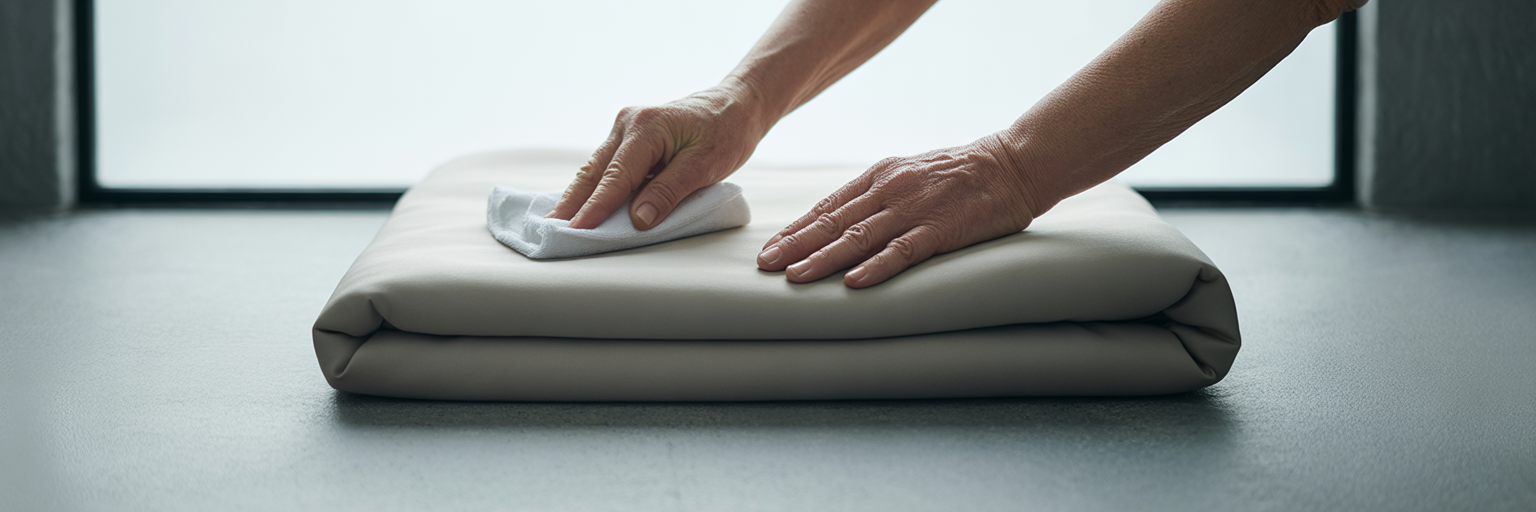
Finally, take care of your blanket. Leave it open and flat to cool down completely before cleaning. Once cool, wipe the interior with a gentle, non-toxic cleaning spray and a soft cloth. This simple step maintains hygiene, prevents odours, and prolongs the lifespan of your device, ensuring products like our HigherDOSE Infrared Sauna Blanket remain a reliable part of your wellness routine.
Key Safety Warnings and Medical Considerations
While infrared sauna blankets offer many benefits, they are not suitable for everyone. Adhering to these sauna blanket safety tips is essential for a positive experience. Our firmest recommendation is to consult with your doctor before your first use, especially if you have any pre-existing medical conditions. This is not a step to be skipped.
Certain conditions and circumstances are considered contraindications. The blanket should not be used by individuals who:
- Are pregnant
- Have cardiovascular issues, including high or low blood pressure
- Have diabetes with neuropathy or other conditions that impair the ability to sense heat
- Have significant skin sensitivities, open wounds, or infections
- Are under the influence of alcohol or drugs
Furthermore, you should never use the sauna blanket while sleeping. Doing so poses serious risks of overheating, severe dehydration, and burns. It is a wellness tool designed for conscious, supervised sessions, not a heated blanket for sleep.
It is important to position the sauna blanket as a supportive wellness tool, not a medical device intended to treat or cure any disease. As highlighted by health resources like Medical News Today, individuals with certain conditions should exercise particular caution with any form of infrared therapy. Navigating the vast amount of online information can be challenging, and sometimes a search for specific guidelines might yield completely unrelated results. This underscores the importance of consulting with a healthcare professional over relying on fragmented online data. To continue your education on wellness, feel free to explore other topics on our blog.