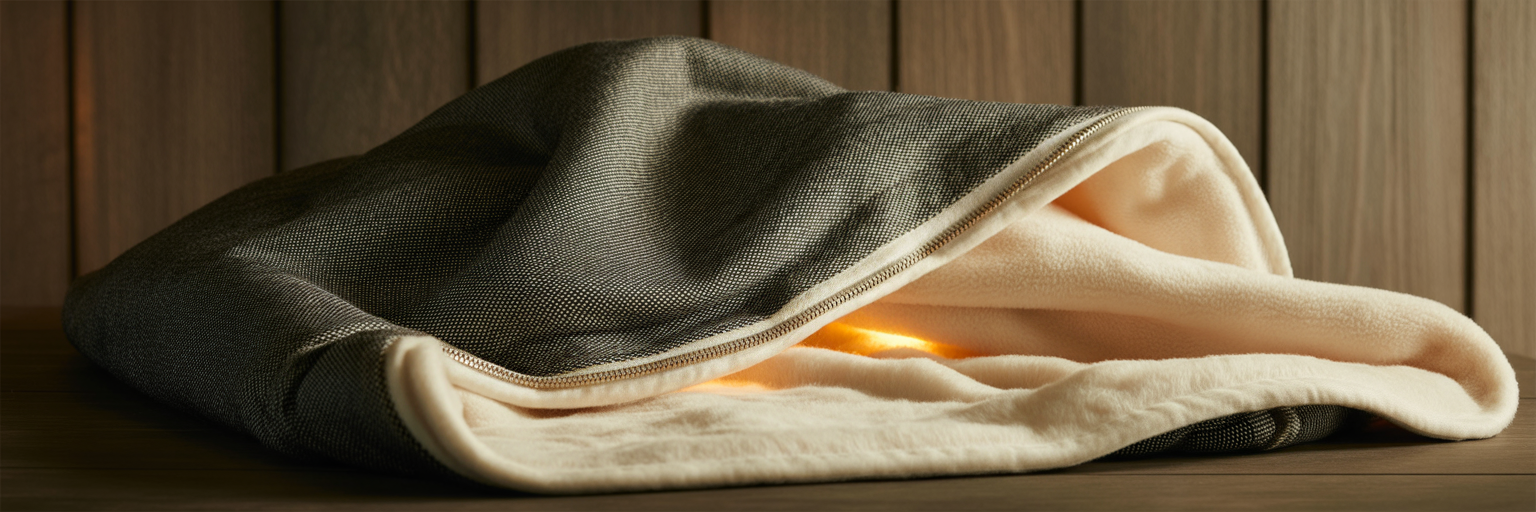
Understanding Infrared Heat and Chronic Pain
Chronic pain affects an estimated one in five adults globally, making non-invasive management strategies more important than ever. Unlike acute pain from a recent injury, chronic pain persists for more than three months. It often becomes a debilitating part of daily life, leading to joint stiffness, reduced mobility, and constant discomfort. Many people living with these conditions are searching for effective ways to manage their symptoms without relying solely on medication.
This is where thermotherapy, or heat therapy, offers a valuable approach. While a simple heating pad provides surface-level warmth, infrared heat works differently. Far-infrared radiation penetrates several centimetres into the body, directly warming muscles, joints, and tissues from the inside out. This is a fundamental difference. Instead of just heating the skin, it delivers energy deep where it is needed most, making infrared heat therapy at home a compelling option for persistent pain.
The core principle behind this therapy is its ability to stimulate circulation. When tissues are gently warmed, blood vessels expand, which boosts blood flow to the affected area. This enhanced circulation delivers more oxygen and nutrients while helping to improve the flexibility of connective tissues. For someone with chronic stiffness, this can mean a noticeable improvement in movement. These devices are part of a growing category of at-home wellness tools, and you can explore the various infrared sauna blankets we offer to see how they differ in features and design.
Ultimately, this deep heat can help reduce the perception of pain signals sent to the brain. By understanding this foundational science, it becomes clearer how a sauna blanket for chronic pain can be more than just a comforting experience. It is a targeted tool designed to address the physiological roots of discomfort.
The Physiological Mechanisms for Pain Alleviation
Moving beyond the basic concept of heat, the specific biological processes triggered by infrared radiation explain its effectiveness. The primary response is vasodilation, the widening of blood vessels. This is not just a temporary feeling of warmth. It is a crucial mechanism for delivering oxygen-rich blood to painful and inflamed areas, which helps accelerate tissue repair and reduce ischemia, or pain caused by a lack of blood flow.
This process has direct implications for chronic conditions. For instance, enhanced circulation can help reduce the persistent stiffness associated with knee osteoarthritis or ease the widespread muscle pain characteristic of fibromyalgia. This makes it a practical tool for fibromyalgia pain relief at home. Research highlighted in sources like Medical News Today indicates that regular infrared sauna use may help reduce pain and stiffness for individuals with conditions like rheumatoid arthritis. Improved circulation also supports the lymphatic system in flushing out inflammatory substances and metabolic waste products that accumulate in tissues, a key factor in managing chronic inflammation.
Beyond circulation, there is a significant benefit related to stress reduction. The immersive, gentle warmth helps lower cortisol levels, the body's primary stress hormone. At the same time, it stimulates the release of endorphins, which act as natural painkillers. We all know that feeling of tension melting away after a warm bath. An infrared sauna blanket creates a similar, yet more profound, sense of relaxation that directly counters the pain-stress cycle. While infrared heat focuses on vasodilation and relaxation, other technologies offer different approaches, as explored in our comparison of the HigherDose Sauna Blanket vs. PEMF Mat.
| Condition | Primary Symptom Addressed | Mechanism of Action |
|---|---|---|
| Fibromyalgia | Widespread muscle pain & fatigue | Increases circulation to reduce ischemia-induced pain and promotes relaxation to lower stress-related pain perception. |
| Knee Osteoarthritis | Joint stiffness & localized pain | Deep heat improves flexibility of cartilage and connective tissues; reduces inflammatory markers in the joint. |
| Chronic Myofascial Pain | Trigger points & muscle tightness | Relaxes muscle knots and improves blood flow to flush out metabolic waste from constricted muscle fibers. |
| Chronic Lower Back Pain | Muscle tension & reduced mobility | Reduces muscle spasms through deep tissue heating and stimulates endorphin release for natural pain relief. |
A Step-by-Step Guide to Your First Session

Getting started with an infrared sauna blanket is straightforward, but following a few simple steps ensures a safe and effective experience. Think of your first session as an introduction, allowing your body to acclimate to the deep, penetrating heat.
Here is a simple guide on how to use a sauna blanket for the first time:
- Prepare Your Space and Yourself: Hydration is essential. Drink a glass of water about 30 minutes before your session. Lay the blanket on a flat, heat-resistant surface like a yoga mat on the floor or your bed. Avoid surfaces that could be damaged by heat. Wear loose, breathable cotton clothing, including socks, to absorb sweat and create a comfortable barrier between your skin and the blanket.
- Preheat and Set a Conservative Temperature: Turn on your blanket and let it preheat for 10 to 15 minutes. For your first few sessions, start with a lower temperature, around 110–120°F (43–49°C). You can always increase it later as you become more comfortable. It is better to start low and go slow.
- Begin Your Session: Once you have set your temperature on a model like our InnovaGoods Infrared Sauna Blanket, slide in and zip it up. Set a timer for 20 to 30 minutes. The goal is not to endure the highest heat for the longest time. Instead, focus on the feeling of a deep, enveloping warmth. You should expect to sweat significantly, which is a sign the therapy is working. Listen to your body and stop immediately if you feel dizzy or unwell.
- Post-Session Cool Down and Care: After your session, unzip the blanket and get out slowly. Your body will be relaxed, so avoid sudden movements. Rehydrate immediately with another glass of water, perhaps with added electrolytes. A quick, lukewarm shower will help rinse off sweat and cool your body down. Finally, leave your blanket open to cool completely before wiping it down with a non-toxic cleaner and storing it.
Choosing a High-Quality Sauna Blanket
Not all sauna blankets are created equal. When investing in a device for your health, focusing on quality and safety is paramount. It is tempting to choose the cheapest option, but a poorly made blanket can be ineffective or even unsafe. Here are the key criteria to consider:
- Safety Certifications: This is non-negotiable. Look for blankets with low-EMF technology to minimize exposure to electromagnetic fields. Ensure the product has third-party certifications like CE, ETL, or RoHS, which verify it meets stringent safety and environmental standards. An automatic shut-off timer is another critical feature that prevents overheating.
- Materials and Construction: The outer material affects both durability and ease of cleaning. Premium PU leather is generally more durable and non-toxic compared to cheaper PVC alternatives. Check for reinforced seams and industrial-grade zippers that can withstand regular use. You want a blanket that feels sturdy, not flimsy.
- Temperature and Heat Controls: A high-quality blanket offers a wide temperature range with precise controls, allowing you to customize your session. Basic low, medium, and high settings lack the nuance needed for targeted therapy. Some advanced models even feature multiple heating zones, so you can apply different levels of heat to your upper and lower body.
- Size and Portability: Ensure the blanket is large enough to fit you comfortably. Check the dimensions before purchasing. If you plan to travel with it or have limited storage space, look for a model that comes with a carrying case and is designed to be easily folded and stored.
This mindset of choosing certified, durable technology aligns with a broader principle of investing in quality. As experts in business technology advise on future-proofing franchise technology for long-term success, the same logic applies to personal wellness tools. A well-made device ensures reliability and performance for years to come.
Safety Protocols and Medical Considerations
When using a sauna blanket for chronic pain, the goal should always be consistency over intensity. Regular, moderate sessions are far more beneficial than infrequent, high-heat sessions that push your body to its limit. Responsible use is key to unlocking the long-term benefits of infrared therapy. Pay close attention to your body’s signals. The primary signs of overheating include dizziness, nausea, and headache. If you experience any of these, stop your session immediately, cool down, and rehydrate.
While generally safe for many, there are important medical considerations. It is crucial to consult your doctor before using a sauna blanket if you have any of the following conditions:
- Cardiovascular issues, including high or low blood pressure
- Implanted medical devices like pacemakers or defibrillators
- Heat-sensitive neurological disorders such as Multiple Sclerosis (MS)
- A history of fainting or heat intolerance
- Diabetes with neuropathy, which can impair your ability to feel heat
Furthermore, there are situations where use must be avoided entirely. These absolute contraindications for safe sauna blanket use include:
- Pregnancy
- Use by young children
- Application over open wounds, burns, or skin infections
- During a fever or acute illness
Remember, an infrared sauna blanket is a powerful complementary tool, not a cure-all. It works best when integrated into a comprehensive pain management plan. We strongly encourage you to discuss using a sauna blanket with your doctor or physical therapist to ensure it is a safe and appropriate choice for your specific health needs. As you integrate new tools into your routine, staying informed is key. For more information, our blog offers ongoing insights into various recovery technologies and their applications.