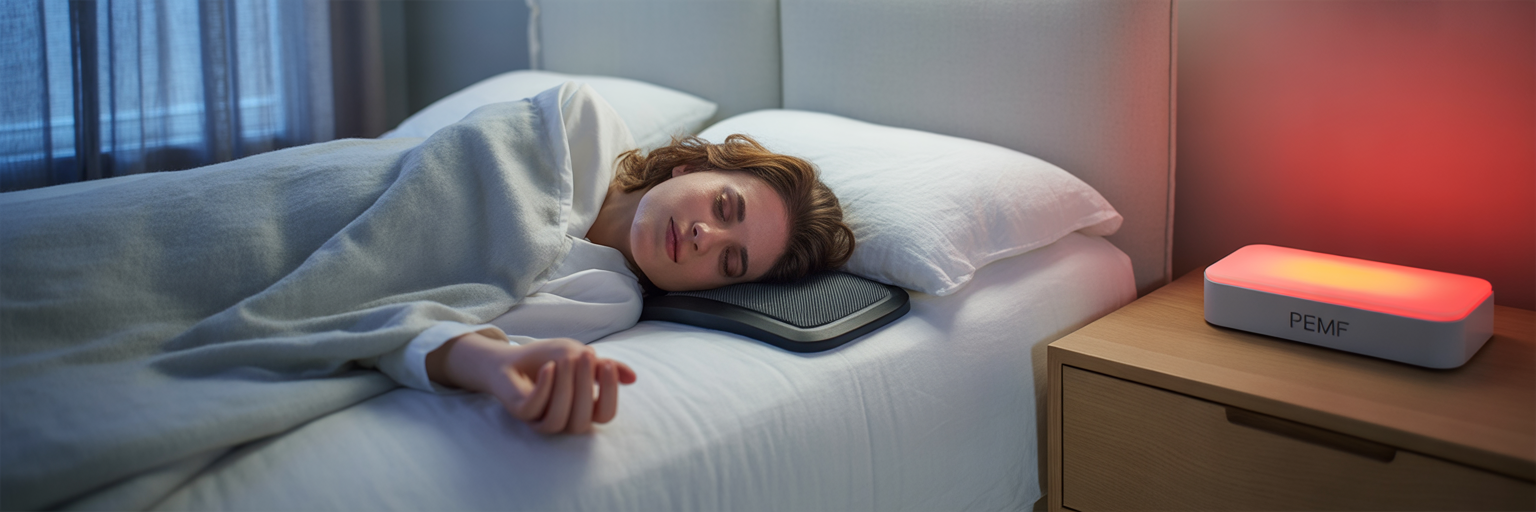
The Centers for Disease Control and Prevention (CDC) has highlighted a significant public health issue: more than a third of American adults consistently fail to get enough sleep. This widespread sleep deprivation is often part of a frustrating cycle where stress and insufficient recovery lead to poor rest, which in turn fuels more stress. Breaking this cycle requires more than just going to bed earlier. It demands a deeper approach to how our bodies wind down and repair themselves.
This is where the concept of passive recovery for sleep becomes essential. It involves using specialized tools that support your body’s natural healing processes without requiring active effort. Think of it as providing your system with the right signals to shift from a state of high alert to one of deep relaxation. The core of the problem often lies within our autonomic nervous system, which has two primary modes.
During the day, we often operate in the sympathetic state, commonly known as "fight or flight." This mode is fueled by stress hormones like cortisol and keeps us alert and ready for action. While necessary for productivity and survival, remaining in this state at night prevents our bodies from transitioning into the parasympathetic "rest and digest" state. This relaxed state is absolutely critical for initiating sleep and facilitating deep, restorative rest. True recovery begins when we help our nervous system make this crucial shift.
How Red Light Therapy Prepares Your Body for Sleep
One of the most effective ways to signal to your body that it's time to rest is through light. Red Light Therapy (RLT) is a non-invasive treatment that uses specific wavelengths of light, typically around 630 to 670 nanometers, to support the body's natural functions. Unlike the harsh, stimulating light from our devices, red light has a calming effect that can profoundly influence our sleep patterns.
The most immediate of the red light therapy sleep benefits is its ability to help regulate your circadian rhythm. We all know that evening exposure to blue light from phones, tablets, and computers can suppress melatonin, the hormone that tells our body it's time to sleep. Red light does the opposite. Using it in the evening can help preserve your body's natural melatonin production, making it easier to feel sleepy at the right time. It acts as a gentle, biological sunset, signaling to your brain that the day is ending.
Beyond hormonal regulation, RLT works at a cellular level. The light energy penetrates the skin and stimulates mitochondria, the powerhouses within our cells, to produce more Adenosine Triphosphate (ATP). This boost in cellular energy helps the body manage inflammation and reduce oxidative stress. For anyone who has been kept awake by minor aches or physical tension, this is a significant benefit. By easing the physical discomforts that can disrupt rest, RLT helps create a more comfortable internal environment for sleep. It prepares your body for rest by both calming your hormonal system and soothing physical stress.
Using PEMF Therapy to Calm a Restless Mind
While red light therapy addresses the body's hormonal and cellular readiness for sleep, Pulsed Electromagnetic Field (PEMF) therapy targets the nervous system to quiet a restless mind. If you've ever laid in bed with your thoughts racing, you understand that mental hyperarousal is a major barrier to sleep. PEMF therapy works to directly counteract this state. Think of it as a way of recharging your body's cells, helping them return to a state of calm equilibrium.
PEMF devices emit low-frequency electromagnetic fields that encourage your nervous system to shift from the stressed sympathetic state to the relaxed parasympathetic one. This is the key to quieting that internal chatter. In fact, as a comprehensive review in the International Journal of Psychiatry in Clinical Practice notes, PEMF is being explored as a non-pharmacological approach for insomnia. The gentle pulses help to soothe the overactive mind that so many of us experience at bedtime.
The mechanism behind PEMF therapy for sleep involves its influence on brainwave patterns. Certain low frequencies used in PEMF therapy can promote an increase in delta brainwaves. These are the slow, deep brainwaves that are dominant during the most restorative stages of non-REM sleep. By encouraging your brain to enter this state, PEMF doesn't just help you fall asleep; it helps you access the deep sleep your body needs for physical and mental repair. This process also helps to lower cortisol levels, further reducing the physiological effects of stress and creating the ideal conditions for a peaceful night.
Building Your Nightly Sleep Recovery Routine

Integrating these powerful technologies into your evening is straightforward, but consistency is what unlocks their full potential. Creating a dedicated "wind-down" routine trains your body and mind to anticipate sleep. Rather than scrolling through your phone, you can create a new ritual that actively prepares you for rest. This routine is about replacing stimulating habits with restorative ones.
Here is a simple, step-by-step guide to layering these therapies for a compounded relaxation effect:
- Set a "Wind-Down" Alarm: An hour before your desired bedtime, have an alarm remind you to begin your routine. This is your cue to dim the lights and put away all screens.
- Use Red Light Therapy: About 45 minutes before bed, spend 10 to 15 minutes using a red light panel. This helps protect your natural melatonin levels from the ambient light in your home.
- Use a PEMF Mat: Following your RLT session, lie down on a PEMF mat for 20 to 30 minutes. This is a perfect time to practice deep breathing or listen to calming music. The goal is to quiet your nervous system.
- Practice Mindful Activities: For the final 15 minutes, engage in a non-stimulating activity like reading a physical book or journaling. This allows your mind to transition smoothly into a state of rest.
When starting out, it is wise to begin with lower intensity settings on your devices and gradually find what works best for you. Investing in your rest means choosing reliable equipment, and you can explore a curated selection of effective and high-quality better sleep tools from trusted providers to build your ideal routine. The goal is to create a peaceful, repeatable process that you look forward to each night.
Sample Nightly Sleep Recovery Routine
| Time Before Bed | Activity / Tool | Duration | Primary Goal |
|---|---|---|---|
| 60 Minutes | Dim the lights & avoid screens | N/A | Signal to the brain that it's time to wind down. |
| 45 Minutes | Use Red Light Therapy Panel | 10-15 Minutes | Support natural melatonin preservation. |
| 30 Minutes | Use PEMF Therapy Mat | 20-30 Minutes | Calm the nervous system and reduce mental chatter. |
| 15 Minutes | Light reading or deep breathing | 15 Minutes | Transition the mind into a state of rest. |
This table provides a sample timeline for integrating passive recovery tools into a bedtime routine. Timings and durations can be adjusted based on individual needs and device specifications.
Essential Habits to Amplify Your Results
While advanced technologies like RLT and PEMF therapy are powerful, they are most effective when they amplify an already solid foundation. Think of them as partners to your foundational sleep hygiene, not replacements for it. These tools can help correct imbalances and accelerate recovery, but their benefits are magnified when combined with timeless, healthy habits.
To ensure you get the most out of your recovery tools, focus on these essential complementary practices:
- Maintain a Consistent Schedule: Go to bed and wake up around the same time each day, even on weekends. This reinforces your body's natural sleep-wake cycle.
- Optimize Your Environment: Keep your bedroom as cool, dark, and quiet as possible. A proper sleep sanctuary minimizes disruptions.
- Mind Your Evening Consumption: Avoid caffeine, alcohol, and heavy meals in the hours leading up to bedtime, as they can interfere with sleep quality.
The most sustainable path to better rest is one that blends modern innovation with proven wellness principles. By pairing a consistent nightly routine using passive recovery tools with these fundamental habits, you create a comprehensive strategy to improve sleep quality for the long term. You are not just addressing the symptoms of poor sleep but are actively building a more resilient, rested, and recovered version of yourself.