
BlockBlueLight PowerPanel Series
Red Light Therapy Systems (Home Recovery Lab)
A brand that sits at the intersection of wellness tech and light engineering
BlockBlueLight is one of the more established names in the red light therapy space, particularly in Australia, where it operates as both a manufacturer and retailer of light-based wellness products. The brand is built around a broader concept of “light environment control” — not just red light therapy panels, but also blue-light blocking glasses, circadian lighting, and sleep-focused lighting systems.
Within the Home Recovery Lab context, their red light therapy range is the most relevant category. These are structured, at-home panels designed for passive use — the kind of system you stand or sit in front of rather than interact with actively.
The positioning is clear: this is not experimental wellness tech. It’s intended to be part of a repeatable home recovery routine.
What this system is designed to support
Red light therapy panels in this category are generally used to support recovery-oriented routines that don’t require physical effort. The idea is simple: you expose the body to specific wavelengths of red and near-infrared light while resting, and let the session run passively.
People typically integrate systems like this into routines aimed at:
- post-exercise recovery
- muscle fatigue management
- joint stiffness and mobility support
- general wellness and recovery consistency
- skin appearance and surface-level recovery support
The key distinction here is not intensity or activity — it’s consistency. These systems are designed to be used repeatedly over time as part of a structured routine rather than occasional sessions.
How it fits into a home recovery setup
BlockBlueLight panels are designed to be integrated into a home environment without requiring permanent installation. Depending on the model, they can be used with stands, wall mounts, or positioned in a dedicated space such as a bedroom, office, or home gym.
In practice, they tend to work best when they become visually accessible. Like most passive recovery tools, ease of access strongly influences usage frequency. If it’s easy to step in front of the panel, it gets used more often. If it has to be assembled or moved each time, consistency tends to drop off.
This is why many users eventually assign these systems a semi-permanent position in their space.
Form factor and system design
The PowerPanel series includes multiple sizes, ranging from smaller targeted units to full-body systems. The larger panels are designed to deliver broader coverage in a single session, while smaller units focus on specific areas such as the back, legs, or shoulders.
The design language across the range is functional rather than decorative. These are not compact wellness gadgets. They are physical devices that require dedicated space and are intended to remain part of the environment rather than be stored away.
One of the defining features across the range is modularity. Certain configurations allow multiple panels to be connected, creating larger coverage systems over time. This makes the platform scalable rather than fixed — a useful trait for users who start with a single panel but gradually expand their setup.
Features that actually matter in use
From a user perspective, the most relevant aspect of these systems is how they deliver light consistently over time.
The PowerPanel series uses multi-wavelength red and near-infrared light combinations, typically in ranges that are commonly referenced in research-based wellness applications. The emphasis is on providing both surface-level and deeper tissue exposure depending on positioning and distance.
Another important factor is output consistency. In practical terms, this determines how effective a session feels at realistic distances. A panel that only performs well at very close range becomes harder to use consistently in everyday settings.
Ease of control is also part of the experience. Built-in settings and adjustable intensity levels allow sessions to be tailored without requiring constant manual adjustment, which helps reduce friction during regular use.
For current specifications, configurations, and pricing, it is best to refer directly to the official BlockBlueLight website, as models and bundles vary.
What it feels like to use regularly
Using a red light therapy panel like this becomes repetitive in a predictable way — and that’s the point.
There is no physical effort involved. A session typically involves standing or sitting in front of the panel for a set period of time while it runs. The experience is passive, which makes it easy to combine with other low-effort routines such as listening to something, resting, or decompressing after activity.
What tends to matter most over time is not the sensation of the session itself, but whether it fits naturally into your day. Devices like this succeed when they become habitual rather than intentional.
The barrier to entry is low once the system is installed. The real challenge is consistency, not complexity.
Who this system is a good fit for
This type of system tends to suit people who are:
- building a structured home recovery routine
- interested in passive, repeatable wellness tools
- comfortable dedicating physical space to a recovery setup
- looking for scalable systems rather than one-off devices
It is particularly aligned with users who think in terms of routine rather than experimentation — where the goal is integration, not novelty.
When this might not be the right fit
This system may feel less suitable if:
- you need something highly portable or easy to store
- you are not ready to commit to consistent use
- you prefer active recovery methods over passive systems
- you are looking for minimal or hidden wellness devices
Because these panels are designed to be part of the physical environment, they are less suited to highly flexible or travel-based lifestyles.
Pricing and positioning
BlockBlueLight’s PowerPanel range sits in the mid-to-premium category of red light therapy systems.
Pricing varies significantly depending on panel size, configuration, and whether systems are purchased individually or as part of modular setups. Entry-level panels are more accessible, while full-body systems and connected configurations sit at the higher end of the range.
Rather than fixed pricing, it is more accurate to view this as a scalable system — starting smaller and expanding over time depending on need and budget.
Current pricing and configurations are available on the official BlockBlueLight website.
Closing perspective
BlockBlueLight’s red light therapy range sits in a category defined less by novelty and more by routine.
It’s not designed to be impressive in isolation. Its value is in repetition — in how easily it can become part of a consistent home recovery setup over time.
For users building a structured approach to passive recovery, it represents a system that can grow with their needs rather than requiring a complete replacement as those needs change.
For current models, configurations, and pricing, it is best to review details directly on the official BlockBlueLight site.
Last updated
Articles related to listings

Can red light therapy help with EDS?
Red light therapy is not a treatment for EDS, but can help indirectly, and sits in the category of general recovery support, rather than condition-specific intervention.

Cold Plunge vs Red Light Therapy: Different Stress, Different Results
People compare cold plunge and red light therapy as if they’re solving the same problem but they sit on opposite sides of how the body responds to stress. One forces a reaction. The other supports recovery while the body is at rest
Similar listings in category
Explore More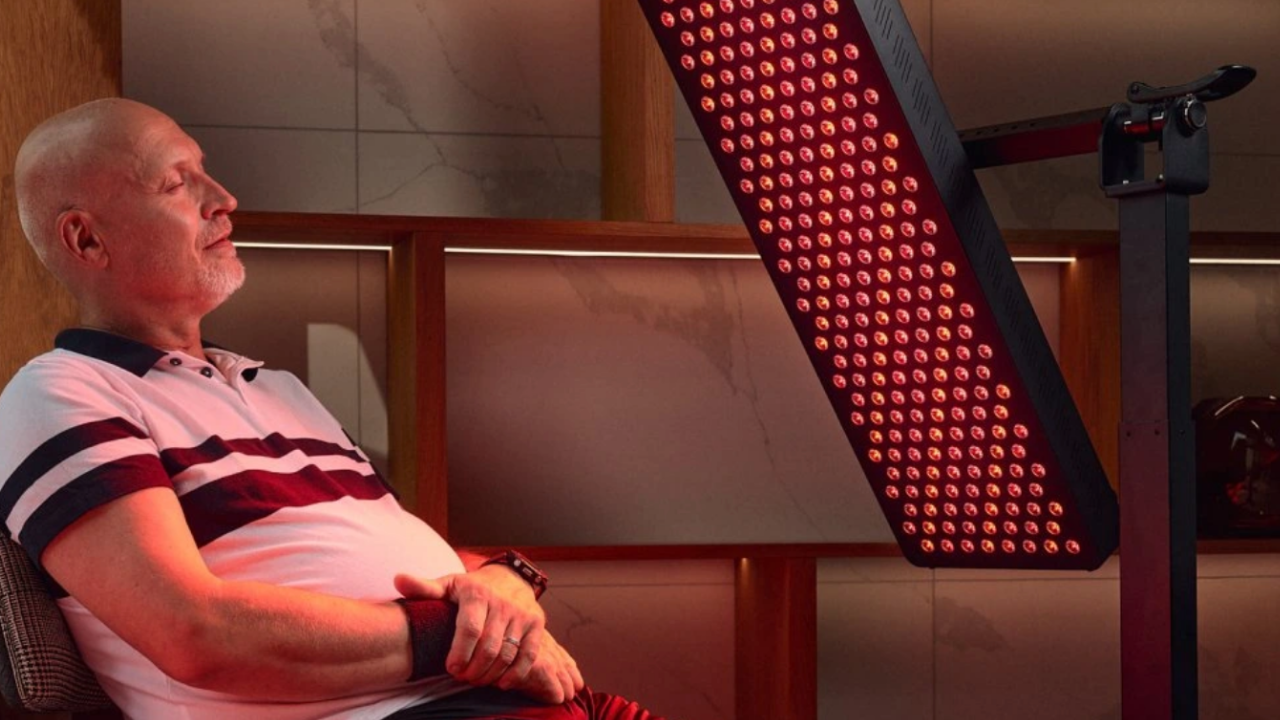
Mito Red Light
_Red Light Therapy Panels_
Joovv Solo 3.0
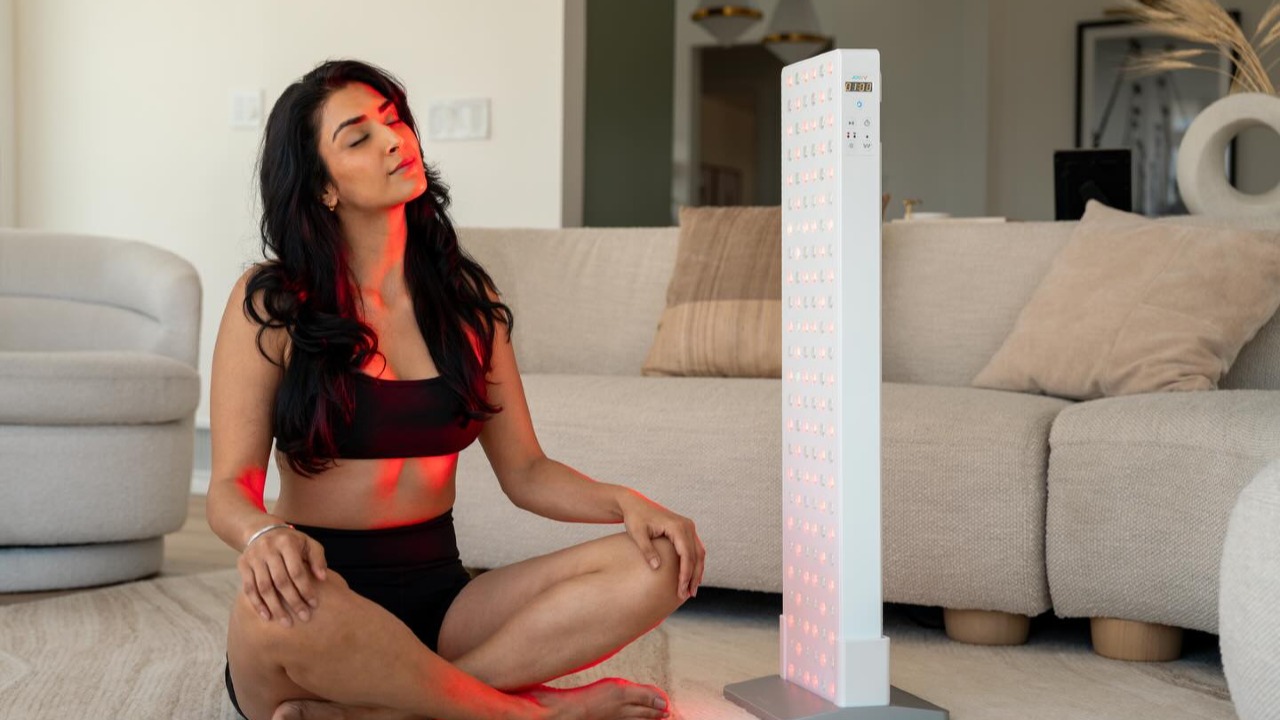
The Joovv Solo 3.0 is a medical-grade red and near-infrared light therapy device designed for convenient moderate-area treatments at home or in commercial settings. The Solo is part of Joovv’s patented modular system and can expand into larger setups.