The first time you use a sauna blanket, the heat makes sense.
The second time, what stands out is what happens after.
There’s a heaviness that sets in once the session ends. Not exhaustion exactly, but a kind of full-body slowdown. Muscles feel loose, your mind feels quieter, and the urge to do anything productive drops off quickly.
It’s easy to interpret that as fatigue. In reality, it’s closer to a shift in state.
What the heat is doing beneath the surface
As your body heats up, circulation increases and blood vessels expand. That part is expected. What’s less obvious is how quickly your nervous system begins to shift.
Heat pushes the body away from a high-alert, active state and toward something more restorative. Heart rate rises slightly during the session, but once you step out, the system downshifts. That’s where the “drained” feeling comes from.
It isn’t depletion. It’s your body releasing tension it’s been holding onto.
Why it feels different from other recovery tools
Cold exposure wakes the body up. Red light therapy tends to feel neutral. Sauna blankets move in the opposite direction.
They slow things down.
That’s why they often feel better in the evening than in the middle of the day. You’re not getting a boost. You’re getting a release.
For people who carry a lot of physical tension—through training, sitting, or stress—that release can feel significant, even after a single session.
What people start to notice over time
The immediate effect is the heat. The longer-term effect is how the body holds tension.
With regular use, people often notice that muscles don’t tighten as quickly, and recovery between workouts feels smoother. Sleep can improve, not because the blanket does anything directly to sleep, but because the body is entering a more relaxed state before bed.
It’s not dramatic. It’s cumulative.
Where product quality starts to matter
At this point, the experience becomes less about whether sauna blankets work and more about whether you’ll keep using one.
Lower-cost blankets heat up, but they can feel uneven or less comfortable over longer sessions. That matters more than it seems when you’re lying in one for 30–45 minutes.
Entry-level options like InnovaGoods tend to sit here. They’re accessible and get the job done, but they’re often where people start rather than where they stay.
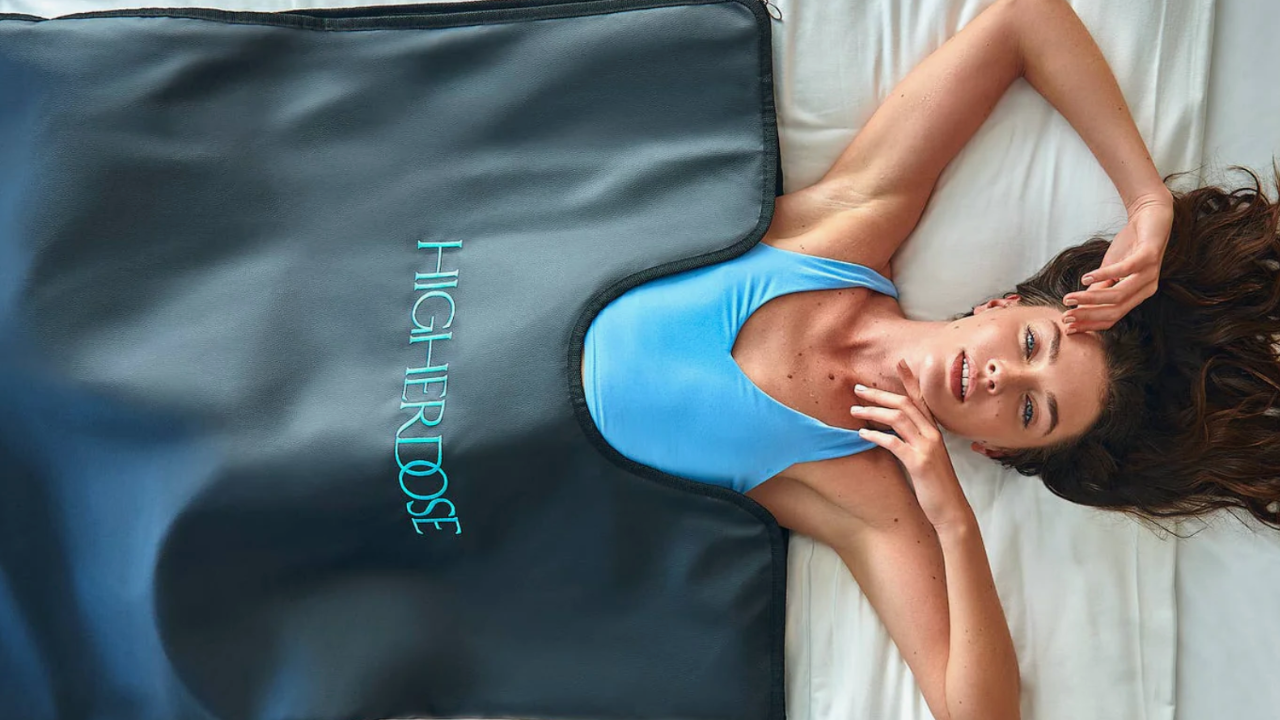
Mid-range systems improve on that with more consistent heat distribution and better materials. That’s where brands like HigherDOSE or Pod Company usually come into the conversation, especially for people who already know they’ll use it regularly and want something that feels reliable over time.
The difference isn’t just technical. It’s whether the experience feels smooth enough to repeat.
Why people keep coming back to it
It’s not the sweat.
It’s the feeling of everything letting go at once.
Sauna blankets don’t energize you. They don’t sharpen focus. They don’t create a dramatic before-and-after.
They give you a window where your body stops holding tension, and for a lot of people, that’s the thing that’s hardest to get from anything else.
Once that becomes part of a routine, it’s hard to replace.
Sauna Blanket vs Sauna: What You Gain And What You Give Up
At some point, the comparison comes up.
If a sauna blanket can heat your body, sweat you out, and leave you relaxed, how close is it to the real thing?
The answer isn’t about which one is better. It’s about what kind of experience you’re looking for—and what you’re willing to build into your space.
The difference starts with the environment
A traditional sauna is a room.
You sit upright, you move slightly, and the heat surrounds you. Air circulation, space, and posture all play a role in how the session feels.
A sauna blanket is contained.
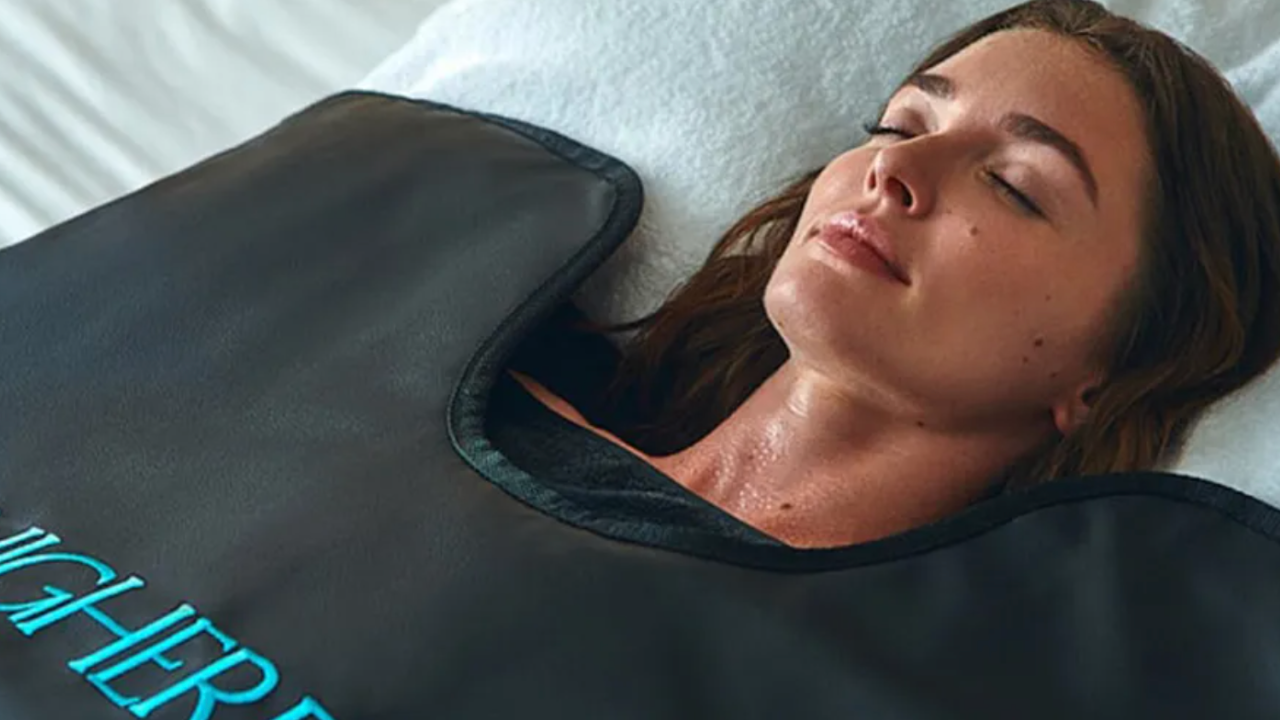
You’re lying down, zipped in, and the heat is focused directly on your body. There’s no open space, no airflow in the same way. It’s more enclosed, more direct.
That changes the experience immediately.
Heat exposure feels different
In a sauna, the heat builds around you.
In a blanket, the heat builds through you.
That’s why sauna blankets often feel more intense earlier in the session. You’re not waiting for the room to warm up. The heat is already in contact with your body.
Some people prefer that. Others miss the openness of a traditional sauna.
Convenience versus commitment
This is where most decisions are made.
A sauna requires space, installation, and a higher upfront cost. Once it’s in place, it becomes part of the home.
A sauna blanket removes that barrier. You can fold it, store it, and use it without changing your space permanently.
That difference is what makes sauna blankets more realistic for most people. Not because they replicate a sauna perfectly, but because they remove the friction of getting one.
How often each one gets used
This part is rarely talked about, but it matters.
A full sauna can be used frequently, but it still requires you to go somewhere in your home and commit to that space. A sauna blanket can be used in a bedroom, a living room, or anywhere you can lie down.
That flexibility often leads to more consistent use, even if the experience is slightly different.
Over time, consistency matters more than perfection.
This is also where product choice plays a role. Blankets that are easier to set up and more comfortable to stay in—like those from HigherDOSE or Pod Company—tend to get used more often than ones that feel like a hassle to manage.
Where each one makes sense
A sauna makes sense when you want the full experience and have the space to support it.
A sauna blanket makes sense when you want access to heat-based recovery without building your home around it.
They’re not identical, but they don’t need to be.
For most people, the question isn’t which one is better. It’s which one they’ll actually use.
How To Use A Sauna Blanket Without Overdoing It
The first instinct with a sauna blanket is to push it.
Higher heat. Longer sessions. More sweat.
It feels like the kind of tool where more should equal better.
It doesn’t work that way for long.
Why more isn’t always better
Heat puts stress on the body.
It’s a controlled, useful stress, but it still requires recovery. When sessions get too long or too frequent, the benefit starts to flatten out. Instead of feeling relaxed afterwards, you feel depleted.
That’s usually the first sign that you’re pushing too far.
What a balanced session looks like
For most people, sessions fall into a 20 to 45 minute range.
That’s enough time to build heat, increase circulation, and allow the body to relax without tipping into exhaustion.
Temperature matters too, but it’s less about hitting the highest setting and more about finding a level you can sustain comfortably.
Consistency beats intensity here.
When to use it in your day
Timing changes the effect.
Used earlier in the day, sauna blankets can feel heavy afterwards, which isn’t always ideal if you still have things to do. Used in the evening, that same effect becomes useful.
It helps the body slow down and transition out of activity, which is why many people naturally move it into their nighttime routine.
What to pair it with
Hydration matters more than people expect.
You’re losing fluid during a session, even if it doesn’t feel extreme. Replacing that afterwards makes a noticeable difference in how you feel.
Some people also rotate sauna blanket sessions with other recovery tools across the week rather than stacking everything into one day.
Why setup affects consistency
Like most home systems, ease of use determines whether it becomes part of your routine.
If the blanket is simple to take out and comfortable to stay in, it gets used. If it feels awkward, stiff, or uneven in heat, it slowly gets ignored.
That’s why many people move past entry-level options like InnovaGoods and into more refined systems from HigherDOSE or Pod Company once they know it’s something they’ll stick with. The experience is smoother, which makes repetition easier.
What it should feel like when it’s working
You shouldn’t feel wiped out.
You should feel looser, calmer, and slightly slowed down. The session should feel like a release, not something you have to recover from.
Sauna blankets are simple on the surface, but how you use them determines what you get from them.
Once the intensity is dialed in and the setup feels effortless, they stop being something you test and start becoming something you return to.
And when that shift happens, the difference usually isn’t in the heat itself. It’s in how consistently it becomes part of your week.