
Distinguishing Between Active Movement and Essential Rest
In the pursuit of performance, we often hear that some movement is better than none, even on rest days. But not all rest is created equal. There is a fundamental difference between gentle activity and true, restorative stillness. This distinction is the foundation for sustainable progress. Passive recovery is a state of complete physical and mental stillness, where the body’s resources are directed entirely toward deep systemic repair. Think of it as a full system shutdown, allowing your body to mend tissues and regulate hormones without interruption.
In contrast, active recovery involves low-intensity movement like walking or stretching. Its primary purpose is to increase blood flow, helping to clear metabolic byproducts such as lactic acid from your muscles. While a light walk the day after a workout certainly has its place, it still demands energy and engagement from your nervous system. The true benefits of passive recovery emerge when the body is under significant stress and has moved beyond the need for light movement. It becomes non-negotiable for regulating the central nervous system and facilitating deep tissue repair.
Recognising when your body has crossed this threshold is a critical skill. The following signs are your body’s signals that it requires a complete shutdown to prevent burnout and injury. Understanding them helps you shift from simply moving less to resting with intention.
| Factor | Active Recovery | Passive Recovery |
|---|---|---|
| Primary Goal | Enhance blood flow, clear metabolic waste | Repair deep tissue, regulate nervous system |
| Physical Exertion | Low (e.g., 30-40% max effort) | Minimal to none (complete rest) |
| Physiological Impact | Reduces muscle stiffness, aids circulation | Lowers cortisol, reduces systemic inflammation |
| Best Use Case | Day after moderate workout, cool-down | After intense training, during high stress, or when signs of overreaching appear |
Sign 1: Your Resting Heart Rate Is Consistently High
Before you even feel the fatigue, your heart often sends the first signal. Your Resting Heart Rate (RHR) is the number of times your heart beats per minute while you are at complete rest. It serves as a powerful biomarker for your cardiovascular health and, more immediately, your nervous system status. To get an accurate reading, measure your pulse for a full minute right after you wake up, before you sit up or check your phone. Tracking this for several consecutive days establishes your personal baseline.
A persistently elevated RHR, even by just five to ten beats per minute above your normal for more than a couple of days, is a clear red flag. This change indicates that your sympathetic nervous system, responsible for the "fight or flight" response, is working overtime. Your body is not shifting into the parasympathetic "rest and digest" state needed for recovery. This objective data point, often captured by modern wearables, is one of the most reliable indicators that your training load is outpacing your body's ability to adapt.
When you see this number creep up and stay there, it is a definitive sign of when to take a rest day. It’s not a suggestion. It’s your physiology telling you that it needs a complete break to rebalance and repair before you push it further.
Sign 2: Sleep Quality Declines Despite Fatigue

Have you ever felt completely exhausted at the end of the day, only to lie in bed with your mind racing, unable to fall asleep? This "tired but wired" paradox is one of the most frustrating signs of overtraining syndrome. It points directly to hormonal disruption caused by excessive physical stress. When your body is overreached, its autonomic nervous system becomes dysregulated, often leading to elevated cortisol levels in the evening. Cortisol, our primary stress hormone, should naturally be lowest at night to allow for sleep. When it remains high, it disrupts your natural sleep-wake cycle.
This hormonal imbalance prevents you from entering the deep, restorative stages of sleep where tissue repair, muscle growth, and hormonal regulation actually happen. As a 2021 study in the International Journal of Sports Physiology and Performance highlights, athletes experiencing overreaching often exhibit elevated evening cortisol, which directly impairs sleep onset and quality. You might get hours of sleep, but the quality is so poor that you wake up feeling unrefreshed. This creates a vicious cycle where poor sleep compromises recovery, which in turn increases stress and further disrupts sleep.
Since sleep is our most powerful form of passive recovery, its decline is a non-negotiable signal to act. Prioritising complete rest becomes essential. Incorporating a relaxing pre-sleep routine can help signal to your body that it's time to wind down. For those exploring different relaxation technologies, understanding the distinctions between tools like a sauna blanket and a PEMF mat can be helpful, and you can learn more from our insights on the HigherDose Sauna Blanket vs PEMF Mat.
Sign 3: Muscle Soreness Lingers for Days
Muscle soreness after a tough workout is normal. It’s a sign you’ve challenged your body. But there is a clear difference between productive soreness and a warning signal. Delayed Onset Muscle Soreness (DOMS) typically peaks around 24 to 48 hours after exercise and resolves within 72 hours. When that aching feeling sticks around for days on end, it’s a sign that something is amiss. This lingering soreness indicates that the rate of muscle protein breakdown from your workouts is exceeding your body's capacity for repair.
This phenomenon can be explained by the "J-shaped curve" of immune function. While moderate exercise boosts your immune system, excessive training without adequate recovery actually suppresses it. This weakened immune state leads to a prolonged inflammatory response in your muscles, which you experience as chronic soreness. Your body is struggling to clean up the damage and rebuild, so the discomfort persists. This is a clear indicator that your strategy for how to improve muscle recovery needs to shift from more work to more rest.
Instead of trying to "push through" the soreness with another workout, your body is asking for a break. This is the time to halt strenuous activity and focus on passive recovery. This allows your natural repair processes to catch up and reduces the systemic inflammation that is holding you back. Technologies designed to support this process at a cellular level, like our PEMF therapy mats, can be valuable aids during these essential rest periods, helping to support the body's repair mechanisms without adding stress.
Sign 4: Performance Stagnates or Declines
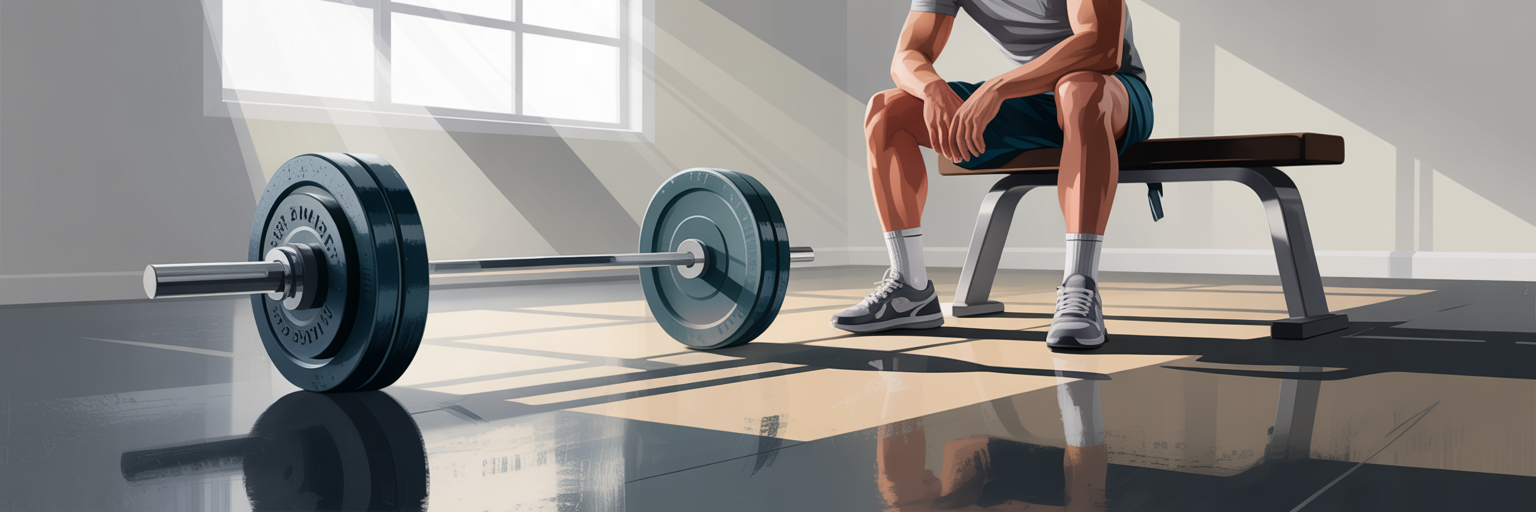
One of the most confusing signs of overreaching is putting in consistent effort but seeing your performance hit a wall or even go backward. Weights that felt manageable a few weeks ago now feel heavy. Your usual running pace feels like a struggle. This is not a sign of weakness or a failing work ethic. It is your body’s intelligent protective mechanism kicking in. When pushed too far without enough recovery, your body begins to down-regulate its own capacity to prevent injury and systemic damage.
This performance decline is rooted in significant hormonal shifts. It is one of the classic signs of overtraining syndrome. The testosterone-to-cortisol ratio, a key indicator of an anabolic (building) versus catabolic (breaking down) state, often drops. Your body is breaking down more than it is building up. Simultaneously, the constant stress can blunt dopamine signalling in the brain, which manifests as a perceived lack of motivation, drive, and enthusiasm for training. That feeling of not "wanting" to train is often a physiological signal, not a mental failing.
The common reaction is to push harder, assuming more effort is the solution. However, this only digs a deeper hole of fatigue. The correct response is to recognise this plateau as a definitive signal to pull back. Implementing dedicated passive recovery is the only way to allow your hormonal profile and nervous system to reset, ultimately enabling you to return to training stronger and more resilient.
Sign 5: Mental Burnout and Irritability Become Normal
Physical stress does not stay confined to the body. The central nervous system, which governs everything from muscle contractions to heart rate, also regulates your mood and emotional stability. When your CNS is overloaded from excessive training and inadequate rest, the effects inevitably spill over into your mental state. You might find yourself with a "short fuse," where minor daily frustrations feel overwhelming. Irritability, mood swings, and a general sense of mental burnout become your new normal.
This is not a separate psychological issue. It is a direct symptom of your body being stuck in a high-alert, sympathetic state. Your system is so focused on managing physical stress that it has little capacity left for emotional regulation. This mental fatigue can be compounded by our "always-on" culture, where we are constantly connected to our devices, whether it's checking work emails or browsing for a new rectangle iPhone 16 Pro case. There is no mental downtime.
If you feel mentally drained and easily agitated, consider it as important a signal as muscle soreness or a high resting heart rate. It is a crucial sign that your entire system, both body and mind, is crying out for a complete reset. This is where passive recovery becomes essential, offering a chance for your nervous system to finally stand down and begin the process of deep restoration.
How to Implement Effective Passive Recovery
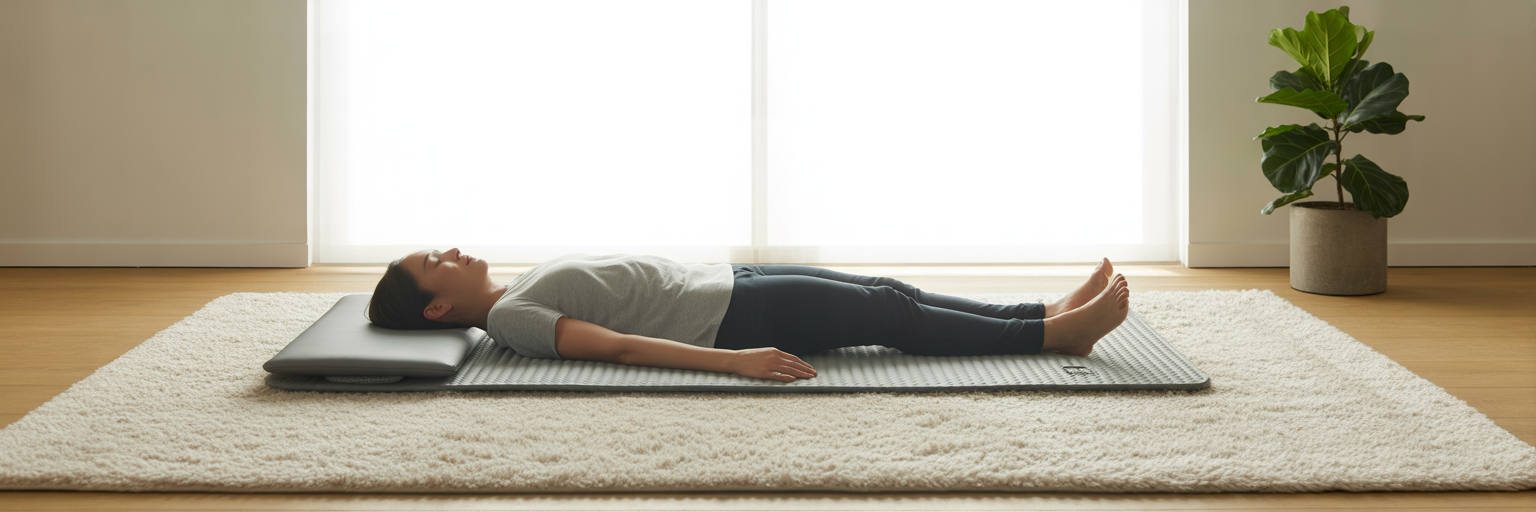
Recognising the signs is the first step. The next is to take deliberate action. Effective passive recovery is more than just skipping a workout. It is about actively creating an environment that promotes deep restoration. Here is how to begin.
Incorporate Deliberate Rest Protocols. True rest often requires conscious effort. Introduce dedicated nervous system regulation techniques into your day. This could be a 10-minute session of structured breathwork, like box breathing, or a 20-minute Non-Sleep Deep Rest (NSDR) protocol. These practices actively shift your body out of a stressed state and into a restorative one.
Leverage Technology to Enhance Rest. Modern at home recovery tools can significantly amplify the benefits of passive recovery. Modalities like infrared sauna blankets, PEMF therapy, and our red light therapy panels are designed to support cellular repair, reduce inflammation, and lower stress without requiring any physical effort from you. They work while you rest, helping your body recover more efficiently.
Track Your Biomarkers Proactively. Do not wait for subjective feelings of fatigue to appear. Use wearables to track objective data like Heart Rate Variability (HRV). A low or declining HRV is a powerful indicator of accumulated nervous system stress. As a review in the journal Sports Medicine confirms, HRV is a reliable tool for monitoring training load and can predict the onset of overtraining, allowing you to adjust proactively.
Reframe Rest as a Skill. Finally, understand that listening to your body is a skill that improves with practice. Prioritising one or two days of deliberate passive recovery each week is not a sign of weakness. It is a cornerstone of sustainable performance and long-term well-being.
By integrating these practices, you turn rest from a passive activity into a strategic tool for health and performance. For more ideas on optimising your recovery, explore the resources on the Personal Recovery Lab blog.