
Arthritis pain can change the way people go about their everyday activities. Things that used to be easy, like opening a jar or going up the stairs, might now feel more difficult. Because of this, many people look for ways to feel better that go beyond just taking medicine or going to physical therapy. One idea that comes up a lot is using cold water, like ice baths. But the big question is, do ice baths really help with joint pain or do they just make the pain feel less right away? The truth is somewhere between what some people might be hoping for and what actually happens in the body. Knowing how cold exposure affects the joints can help you have realistic expectations about what this practice might do.It also helps you figure out if it’s something that could work for you.
How Arthritis Affects Joints
Arthritis typically presents in two forms, and has two primary causes of occurrence. Osteoarthritis occurs when the cartilage that acts as a cushion between your joints gradually deteriorates. Rheumatoid arthritis occurs when your body's immune system starts attacking the healthy tissues in your joints. In both forms of arthritis, the joints are continuously inflamed. When there's inflammation, there's swelling, warmth, stiffness and sometimes aching pain. This is what your body does to protect and repair the damaged areas. However, in chronic arthritis this protective response is not halted. Joints continue to be slightly inflamed for a long time. That is why, cold therapy is often recommended.
Cold Exposure And Inflammation
Cold temperatures cause blood vessels near the skin to narrow quickly. This narrowing reduces blood flow to the area being cooled. Reduced blood flow can temporarily lower swelling and slow nerve signal speed. Slower nerve signals often translate into less pain being felt immediately. This is the same basic principle behind icing a sprained ankle. For arthritis specifically this effect tends to be temporary rather than lasting. Once you leave the cold water blood flow returns to normal fairly fast. Swelling and stiffness can return once that natural warming process happens. This does not mean the relief is fake or entirely worthless though. Temporary relief still holds real value for people managing daily chronic pain.
Research On Cold Therapy
Results from studies on cold therapy for arthritis are mixed, though somewhat positive. A few smaller studies reported a decrease in pain in the short term following a cold water swim. Other research that contrasted cold with heat found that in some cases, heat proved more effective. The current research is primarily directed towards ice packs that are less than full body immersion. There has been less research conducted on full body cold plunges for arthritis rather than with targeted icing. Not everyone will benefit from full immersion, but this does not imply that this isn't a possibility for those who will. It's just that the proof isn't the same quality as many marketing claims. Even most rheumatologists are still not convinced of the use of colds only. The main treatment is usually a medication regimen and changes in lifestyle.
Why Results Vary
Arthritis affects everyone differently depending on which joints and type are involved. Someone with knee osteoarthritis may respond differently than someone with rheumatoid arthritis. Cold sensitivity itself also varies significantly from person to person naturally. Some people with arthritis report cold water making stiffness noticeably worse instead. Cold can sometimes increase joint stiffness particularly in already stiff sensitive joints. That's why doctors usually suggest being careful when deciding to try it.It's better to start with short periods and not too hot temperatures so you can see how your body reacts.It's important to notice how your joints feel after each session.There's no one-size-fits-all solution that works the same for everyone with arthritis.
Cold Vs Heat Therapy
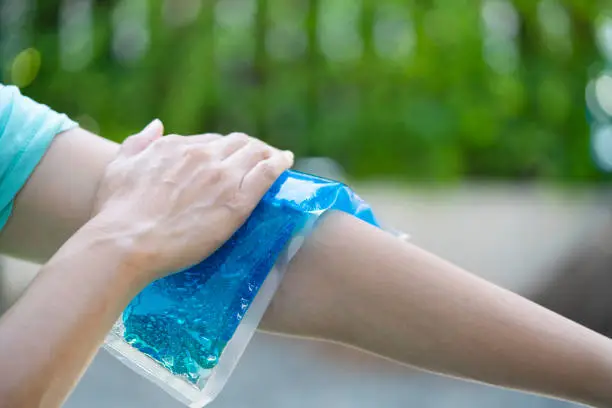
Heat and cold work through genuinely different mechanisms inside painful joints. Heat increases blood flow and can relax tight surrounding muscles effectively. Many arthritis patients find heat more soothing for everyday stiffness specifically. Cold tends to work better for acute flare ups with visible swelling. Some people alternate between both using what is called contrast therapy. This approach uses heat to loosen tissue then cold to reduce swelling. Contrast therapy is common among physical therapists treating various joint conditions. Deciding between heat and cold often comes down to personal trial and error. Keeping a simple pain journal can help identify which method truly helps.
How To Try Cold Therapy
If you have thought about using cold to treat arthritis, it is best to do so gradually and carefully. Start with short periods of just a minute or two a day. Avoid extreme cold temperatures and opt for milder ones. Take note of the feeling of your joints for the next few hours. If you notice an increasing stiffness, that may not work for you. If you feel genuine relief, gradually extending session length becomes reasonable. Always speak with your doctor before starting, especially with rheumatoid arthritis. Certain autoimmune conditions require extra caution around temperature extremes and stress responses. A doctor can help you weigh real risks against potential benefits clearly.
Equipment And Consistency
For people who find cold genuinely helpful, consistency becomes the real challenge. Using a bathtub filled with ice works but grows tedious quickly. Managing ice temperature and cleanup repeatedly discourages many people from continuing regularly. This is where dedicated systems start making practical daily sense for some. A temperature controlled tub from Plunge removes the guesswork and daily hassle. Ice Barrel offers a smaller, simpler option for people with limited space. Both systems do not cure arthritis, but both allow for regular practice to be much more realistic. It's more important to be consistent than to have one great cool session. Minute-long tasks can last longer than big, hard-to-achieve ones.
Morning Stiffness Vs Flare-Ups
Arthritis pain does not feel the same throughout an entire day. Morning stiffness often results from joints sitting still through the night. This stiffness usually eases somewhat once movement gets blood flowing again. Flare up pain feels different and often comes with visible swelling. A flare can appear suddenly and last anywhere from days to weeks. Understanding which type of pain you are dealing with matters greatly. Cold exposure can make flare-ups worse, but it doesn't help much with just stiff joints in the morning.Moving slowly and using warmth usually feels better for stiff joints when you first wake up.If you know the difference, you can pick the best way to feel better at the right time.Keeping track of how you feel over a few weeks can show you what works best for your body
Cold And Pain Perception
Pain is not only a physical signal traveling through damaged joint tissue. Your nervous system also shapes how strongly that signal gets felt. Chronic pain conditions often involve a nervous system stuck in high alert mode. Cold exposure activates a strong nervous system response within just seconds. This response can temporarily shift focus away from chronic background pain signals. Some people describe feeling mentally sharper and calmer after a cold session. This calming effect may indirectly support how pain gets processed and felt. It does not heal damaged cartilage or reduce autoimmune joint attacks though. Still a calmer nervous system can make daily pain feel more manageable overall. This mental component is often overlooked in conversations about arthritis pain relief.
Expert Recommendations
Many physical therapists consider cold therapy to be just one of a number of treatment options. They do not often recommend it for arthritis alone. Most treatment plans will be based on movement based therapy. Moderate strengthening activities to help support joints and gradually decrease stress. Cold or heat gets added around that foundation based on individual needs. Rheumatologists managing autoimmune arthritis often emphasize medication and inflammation control first. Cold exposure might get mentioned as a comfort measure during flare ups. Very few professionals frame cold water immersion as a primary treatment approach. This professional perspective helps set realistic boundaries around what cold can achieve. Pairing professional guidance with personal experimentation tends to produce the best outcomes.
Weather And Joint Pain

Many arthritis patients say their joints feel worse when it's colder outside. Scientists are still talking about whether the weather really affects joint pain. Some studies show there's a real connection, but others don't find a clear pattern. Some people think changing air pressure might cause discomfort for those who are more sensitive. This leads to another question: does cold water cause similar problems? Cold water immersion is different from being in cold weather. A short, controlled cold plunge isn't the same as being in the cold for a long time. If you feel worse when it's cold, you should be careful when trying cold plunges. Trying it during a less cold season could help you understand how your body reacts. For now, personal experience might be more helpful than general weather trends
Building A Sustainable Long Term Approach
Managing arthritis isn't usually about finding one perfect fix.It's more about putting together different small tools to make a daily routine that works.Medicine is often the main part of treatment for most people with arthritis.Moving your body and doing light exercise helps keep your joints working and your movements easier.Using cold or heat can give extra relief when things feel tough.How well you sleep and how much stress you're under also affect how much pain you feel each day.A good way to handle arthritis is to let all these things work together over time.Trying to depend on just one method often doesn't work in the long run.Being patient and making small changes over time usually leads to better results in the end. This is true for arthritis management just as it is for general recovery.
Heat Therapy Options
Many arthritis patients find heat to be more effective, so it's worth seriously considering. Sauna blankets from HigherDOSE provide a soothing, full-body warmth without putting too much stress on the body. This warmth can help ease the tightness in muscles that often surround painful joints.Some people use heat sessions along with brief periods of cold exposure.Red light therapy, such as from Mito Light, treats the tissues directly.Early studies hint that red light might help lower inflammation in specific areas. However, these tools should not take the place of prescribed medicine or advice from a healthcare professional. They can be part of a well-thought-out pain management plan. Talking with your doctor helps find the best mix of treatments for your situation.
Listening To Small Signals Your Body Gives You
Learning to notice small signals takes practice for most people. A slight increase in stiffness after cold exposure is worth noting carefully. So is a noticeable decrease in swelling or aching later that day. Keeping brief notes after each session helps reveal patterns over weeks. You might notice certain joints respond better than others do consistently. You might also notice the time of day changes how you respond. Some people feel better plunging in the evening after daily activity settles. Others prefer a short session earlier before joints become more active. There is no fixed rule that applies equally to every person here. Your own careful observation will always outperform generic advice found online.
Realistic Expectations
There is no cure for arthritis from cold exposures. It will not reverse damage to cartilage or stop an autoimmune disease process from continuing. What it might provide is relief from swelling and intense pain. That short-term respite offers a positive impact for some in their everyday life. Others find the feeling itself more uncomfortable than it is helpful. Whether it's learned or unlearned, both experiences are valid, worthy of respect and should be treated with the same level of respect. The goal is finding what actually helps your specific body and joints. That answer will look different for every single person managing this condition.
Don't Quit Too Soon
Many people try cold exposure once and immediately decide it fails them. A single uncomfortable session rarely reflects the full picture accurately. The first attempt is usually the hardest both physically and mentally. Panic and gasping often overwhelm any potential pain relief during that moment. This makes it difficult to judge real effects from just one try. Giving the practice several attempts offers a more accurate picture overall. Your nervous system gradually learns to handle the initial shock better. What felt unbearable during week one often feels manageable by week three. Patience during this early adjustment period matters more than people expect. Quitting too early means missing whatever real benefit might have developed later.
Cold Therapy And Movement
Movement and cold exposure often work well when paired together thoughtfully. Gentle stretching before a cold session can help joints feel looser first. Light movement afterward may also help maintain any temporary relief longer. Complete rest immediately after cold exposure is not usually necessary. Many people find a short walk afterward feels genuinely pleasant and clarifying. This pairing mirrors how physical therapists often combine multiple techniques together. No single technique needs to work in complete isolation from others. Combining small manageable habits tends to produce steadier results over time. This applies to arthritis management just as much as general fitness goals. Small thoughtful combinations often outperform any single dramatic intervention alone.
One Final Thought Before You Try It Yourself
Every recommendation in this article applies broadly not to your specific case. Arthritis varies enormously between individuals even within the same diagnosis category. What helps one person significantly might do very little for another. This is not a flaw in the advice but simply biological reality. The best next step is always a conversation with your own doctor. From there small careful experimentation can help you learn what truly helps. Give any new practice enough time before deciding whether it works. Weeks not days usually reveal whether something genuinely fits your body. Approaching this with curiosity rather than urgency tends to produce better outcomes. Your long term comfort matters more than any single quick fix promise.
Frequently Asked Questions
Is cold water bad for rheumatoid arthritis specifically?
Not necessarily though extra caution and medical guidance are strongly recommended here.
How long should someone with arthritis stay in cold water?
One to two minutes is a reasonable starting point for most people.
Should I try heat or cold first for a flare up?
Many people start with a cold for swelling then switch toward heat.
Can cold plunging replace my prescribed arthritis medication?
No cold exposure should only ever support, not replace medical treatment.
Is a cold shower a gentler alternative to a full plunge?
Yes a cold shower offers a milder introduction before trying full immersion.
If you are exploring options for managing joint pain at home, take your time. Compare cold and heat based systems inside our full recovery directory. Speak with your doctor before adding any new practice to your routine. Small careful steps tend to serve arthritis management better than sudden dramatic changes.