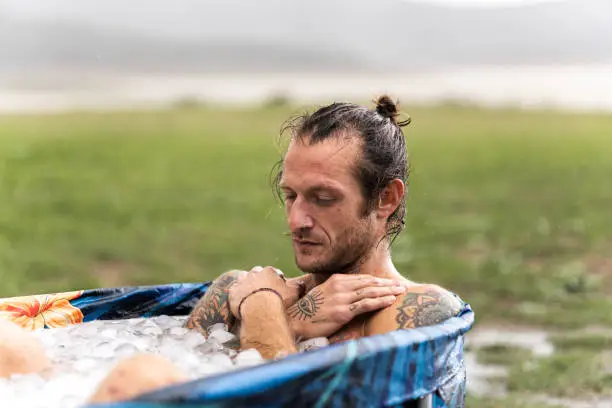
Cold water has picked up a strange reputation across fitness circles lately. People now claim it fixes almost every problem inside the body. One bold claim keeps popping up more often than most others. It says a quick ice bath can raise your testosterone fast. That claim sounds exciting and feels easy enough to believe at first. But your body rarely works through such a simple quick pathway. Hormones usually respond to slow steady signals built up over real time. A short dip in cold water rarely creates that kind of signal. Still there is real science worth walking through here before judging anything.
What Testosterone Actually Reacts To Inside Your Body
Testosterone comes from a feedback loop running deep inside your body. Your brain sends signals to glands that produce your hormones daily. This loop reacts mainly to sleep quality, stress levels and body fat. It also reacts strongly to certain demanding types of physical exercise. Short bursts of cold water rarely move this slow internal loop much. That does not mean cold water offers your body nothing at all. It does not mean that the effect is not there, just that it's not right on the front of the head. Many people mix two totally different biological concepts, without knowing. Maintaining a cool temperature is important to ensure long-term healthy and consistent sperm production. That process is not the same thing as raising testosterone output. Your body naturally keeps testes cooler than the rest of your core. This cooling system exists for one clear reproductive biological reason. Sperm cells simply need lower heat levels to remain fully healthy. None of this actually proves cold plunges directly boost hormone output.
What The Actual Research Studies Show Us
Some small research studies do show a brief hormone bump afterward. This small bump often appears within roughly one hour of exposure. Other separate studies find almost no meaningful hormone change at all. Researchers across these studies use very different water temperature settings. They also test hormone levels at different times after each session. This mismatch makes comparing results across studies quite difficult overall. Most tested groups were young trained male athletes rather than average adults. Everyday adults were rarely included as real subjects in these trials. That gap between groups matters more than most headlines ever admit. One pattern does show up fairly consistently across separate research teams. Cold water lowers cortisol levels gradually across many repeated weekly sessions. Lower cortisol may support overall hormone balance in an indirect way. This link is real but frequently gets stretched and overstated online.
Why This Difference Actually Matters For You
Picture two different people trying cold plunges hoping for real results. One person expects fast dramatic hormone gains within just a few days. The other person expects slow steady gains built through better stress control. The first person will likely feel disappointed within just a few weeks. Testosterone rarely jumps upward from short isolated cold exposure sessions alone. The second person understands the real slower benefit much more clearly. Stress control builds gradually across many weeks rather than single sessions. This mindset shift changes how people actually use their ice baths daily. It moves focus away from hype and toward real lasting function. Marketing often skips this Poor sleep lowers testosterone faster than almost any other single factor. Even one rough week of bad sleep can shift hormone levels measurably. Chronic ongoing stress works steadily against healthy testosterone over long stretches of time. A single small study quickly becomes a bold sweeping online claim. Real science rarely fits neatly inside one flashy attention grabbing sentence.
What Happens Inside Your Body During A Cold Plunge
The moment cold water hits your skin things shift very fast. Your nervous system reacts within just a few short seconds total. Blood vessels near your skin tighten and constrict almost immediately after entry. This response pulls blood inward toward your protected core organs first. Stress hormones like adrenaline rise sharply almost right after you enter. This rise creates the sharp alert feeling many people always describe. Your heart rate often spikes briefly then settles below its normal resting level. This drop ties back to an old evolutionary survival reflex from our past. None of these fast reactions actually target testosterone in any direct way. They mostly involve stress hormones and alertness chemicals working together instead. That distinction explains why people feel sharp and focused rather than hormonally stronger.
Sleep And Stress Matter Far More Than People Realize
If real hormone health is your actual goal, focus here first. Almost no other factor has a greater effect than poor sleep. Just one poor night of sleep can make a measurable difference in hormones. Even one bad week of sleep can also make a measurable change in hormones. Chronic continuing stress rapidly fights healthy testosterone for extended durations.
Strength training, especially heavy compound lifts, supports hormone health quite well. These everyday factors carry far more weight than cold water ever will. Cold plunges can still support this larger picture in a smaller way. They may help you sleep more soundly after consistent regular use. They may also help you manage daily stress a bit better. Used this way cold exposure becomes a genuinely helpful supporting tool. Used entirely alone it becomes an overhyped shortcut people quit early.
Why The Studies Keep Disagreeing With Each Other So Often
Different research studies use very different cold water temperature settings throughout. Some studies use near freezing water for very short bursts only. Others use milder water temperatures stretched across much longer time periods. Timing after exposure also varies widely between different research teams. Some researchers measure hormones within thirty minutes of finishing a session. Others wait several hours before drawing any blood samples at all. Small sample sizes make these results even harder to trust fully. Many trials include fewer than twenty total participants in the whole study. Trained athletes react quite differently than average untrained adults typically do. This mix of shifting factors creates murky mixed results across the field. No single isolated study should ever be treated as final solid proof.
Setting Expectations That Actually Match Real Reality
None of this research means you should skip cold plunges completely. It simply means expecting the real benefits rather than chasing fake ones. Mental clarity and genuine stress relief remain well supported real outcomes here. Full hormone transformation is not yet a well supported proven outcome. People who expect fast hormone shifts often quit the habit early. People who expect slow steady benefits tend to actually stick around longer. That single difference decides who keeps the habit for years afterward. Wellness marketing often stretches small modest effects into big bold promises. Understanding the real underlying mechanism protects you from falling into that trap.
Common Myths That Keep Spreading Online
Many myths about cold water and hormones spread through short viral clips. One myth claims freezing water instantly triggers a massive hormone surge inside you. Another myth claims daily ice baths alone can replace real strength training. Neither claim holds up once you actually look at solid evidence. A third myth suggests colder water always produces a stronger hormone response. Temperature does matter somewhat but extreme cold adds real risk without real reward. A fourth myth claims longer sessions always produce noticeably better hormone results. In fact, research shows that after a few minutes, the more sessions, the less. These myths spread quickly because they sound exciting and easy to share. The whole story is not as dramatic in its narration and has to be patient.
How Age Can Shape Your Hormone Response Over Time
Age plays a real role in how your body handles cold exposure. Younger men generally show slightly stronger short term hormone responses during testing. Older men often show smaller shifts even under identical cold water conditions. This does not mean cold exposure becomes useless as people get older. It simply means expectations should shift alongside your changing biological age. Relaxation and peace of mind can be useful to almost all ages. Gradual progress in recovery following strenuous training can also be achieved. However, older people should seek advice from a doctor before they put themselves at risk of cold exposure. Existing heart conditions or blood pressure issues raise real safety concerns here. Sensible caution matters more than chasing a specific hormone outcome at any age.
Comparing Cold Exposure To Other Popular Recovery Methods
Cold plunges are just one option inside a much wider recovery toolkit. Heat based methods like sauna blankets work through a nearly opposite mechanism entirely. Heat expands blood vessels while cold tightens them almost immediately upon contact. Both methods support circulation though through very different physiological pathways overall. Red light therapy does not directly stimulate your nervous system but rather stimulates cellular energy production. PEMF systems work to enhance circulation and tissue repair in a more gentle fashion. None of these are a substitute for good sleep or regular strength training. Each individually serves a supporting position in a larger program. The choice between the two usually comes down to personal preference and what's easiest for someone. After people understand what each tool can do, they often end up using several tools at the same time.
A Quick Note On Supplements And Shortcuts
Some people pair their cold plunges with hormone boosting supplements too. There is no strong proof that this specific combination works any better. Most over the counter boosters lack solid backing from real research. If you have genuine hormone concerns get a proper blood panel done. A real blood test tells you far more than casual guessing ever could. Cold plunging stays safe for most healthy adults regardless of hormone status. It should never fully replace real professional medical advice though.
What A Realistic Weekly Plan Might Actually Look Like
A real weekly plan doesn't have to feel tough or too strict. Many people begin with two or three quick sessions each week. Each session usually takes about two to four minutes altogether. Pairing this with a consistent sleep schedule tends to help most. Adding two or three strength training sessions builds the stronger overall foundation. Cold exposure then becomes a smaller supporting piece inside that weekly rhythm. Little positive habits can add up to real change over a period of many months. It is not all that important to miss a session or two as long term progress will not be ruined. It's about consistent practice, not 100 percent execution every day. Simple realistic plans tend to last far longer than extreme demanding ones.
Building A Routine That Actually Supports Real Recovery
People who benefit most treat cold plunges as just one small piece. They pair regular plunges with steady sleep and consistent weekly training sessions. Three or four short weekly sessions tends to work quite well. A dedicated home setup removes daily hassle from the entire process. Systems like Plunge keep water sitting at one steady temperature always. Ice Barrel offers a simpler smaller footprint option for tighter spaces. Some people alternate their cold plunges with regular sauna sessions as well. A sauna blanket from Higher DOSE supports circulation and deep relaxation nicely. Heat and cold together cover different useful parts of full recovery.
Where This Fits Alongside Other Recovery Tools
Testosterone is just one small part of a larger story. Many people really want to feel more energized and have a better mood overall. That broader goal involves several body systems working together at once. Sleep quality training habits and daily stress all play a real role. Tools like red light panels support recovery in slightly different ways. PEMF devices offer another helpful layer that some people find useful. None of these extra tools replace basic habits like consistent quality sleep. They simply work best as support rather than as a shortcut.
Why Patience Beats Hype In The Long Run
Patience rarely sells as well as a bold dramatic headline does. Slow steady habits do not photograph well for social media posts. Yet slow steady habits are usually the ones that actually work. People chasing quick hormone hacks often cycle through many different trends. People building patient habits tend to stay consistent across many years instead. This pattern shows up across sleep training diets and recovery practices alike. Cold exposure fits neatly into that same patient long term category. Real change rarely announces itself with a dramatic single moment. It shows up quietly across months of small repeated choices instead. Choosing patience over hype is often the real hidden advantage here.
FAQs
Does cold water lower testosterone instead of raising it upward?
There is no strong evidence supporting that particular fear either way.
How long should a cold plunge last for the best results?
Two to five minutes works well for most healthy average adults.
Is strength training better than cold plunging for hormone health overall?
Yes strength training has far stronger research support behind its effects.
Should someone plunge before or after their regular workout session?
After training or on completely separate days tends to work better.
Can cold showers offer similar benefits without needing a full tub?
Yes though the overall effect tends to feel noticeably milder in comparison.
Listening To Your Own Body Along The Way
Everyone responds to cold exposure a little differently in real life. Some people feel calm and clear within just a few sessions. Others need several weeks before the panic response starts to fade. Neither pattern means something is wrong with your particular body type. Listening to your own signals is more important than competing to beat averages. Stop the session if a person is dizzied or numb for too long. If you feel stable and clear after it is a good indicator. Tracking your own sleep and mood over several weeks helps too. Simple notes in a phone app can reveal patterns worth noticing. Your own data will always matter more than a single outside study.
If real hormone support is your true goal, look past quick fixes. Build strong habits around sleep training and steady daily stress management first. Then simply let cold exposure play its smaller supporting role over time. Small consistent choices tend to outperform big dramatic short lived efforts anyway. Give the process real time before judging whether it truly works for you.
You can explore different recovery systems inside our complete online directory today. Compare cold plunges sauna blankets and other tools side by side there.