Understanding Cold Water Immersion
For centuries, cultures from ancient Rome to Scandinavia have harnessed the power of cold water for its restorative effects. Today, science is validating this age-old practice, revealing exactly how it drives recovery and enhances well-being.
At its core, cold water immersion therapy involves submerging your body in water between 39°F and 59°F (4°C–15°C). The moment you enter the water, your body initiates a "cold shock response." This isn't just a feeling of intense cold; it's a powerful physiological reaction. Your blood vessels rapidly narrow in a process called vasoconstriction. This tightening pushes blood away from your limbs and toward your vital organs, creating a protective internal shift.
Simultaneously, this shock triggers a cascade of neurochemicals. Your brain releases norepinephrine, a hormone that sharpens focus and alertness, along with dopamine, which is tied to motivation and mood. This immediate response is the body’s way of adapting to a sudden stressor, but it’s this very adaptation that produces the benefits we seek.
Understanding this initial reaction is the first step. The rest of this guide will walk you through how to safely and effectively incorporate a cold plunge at home into your wellness routine, transforming this ancient practice into a modern tool for recovery.
The Science-Backed Benefits of Cold Plunging
Moving beyond the initial shock, the consistent practice of cold plunging delivers tangible, science-backed outcomes. These advantages are not just for elite athletes; they are accessible to anyone looking to improve their physical and mental health. As explained by medical experts at the Cleveland Clinic, the health benefits of cold plunges range from soothing sore muscles to improving mental health.
Accelerated Muscle Recovery
We’ve all felt that deep ache a day or two after a tough workout. This delayed-onset muscle soreness (DOMS) is caused by micro-tears in muscle fibers and the resulting inflammation. When you plunge into cold water, the vasoconstriction we mentioned earlier acts like a pump. It helps flush metabolic byproducts, such as lactic acid, out of your muscles. When you get out and your body rewarms, fresh, oxygenated blood rushes back into those tissues, delivering nutrients and accelerating the repair process. This directly translates to less soreness and a quicker return to your next activity.
Systemic Inflammation Reduction
The anti-inflammatory effects of cold plunging extend far beyond your muscles. While acute inflammation is a necessary part of healing, chronic inflammation is linked to a host of health issues. Regular cold exposure helps lower systemic inflammatory markers throughout the body. By prompting this controlled, short-term stress, you are essentially training your body to have a more resilient and balanced inflammatory response over time.
Enhanced Mental Acuity and Mood
Perhaps the most compelling cold plunge benefits are mental. The neurochemical response is profound. Research indicates that cold exposure can increase dopamine levels by up to 250% and norepinephrine by a staggering 530%. This isn't a fleeting feeling; it's a sustained neurochemical shift that enhances focus, elevates mood, and builds mental resilience. Many users report a sense of calm clarity and heightened alertness that lasts for hours after a session. Furthermore, the practice activates brown adipose tissue (BAT), a type of fat that generates heat by burning calories, offering a slight metabolic advantage.
A Step-by-Step Protocol for Your First Plunge
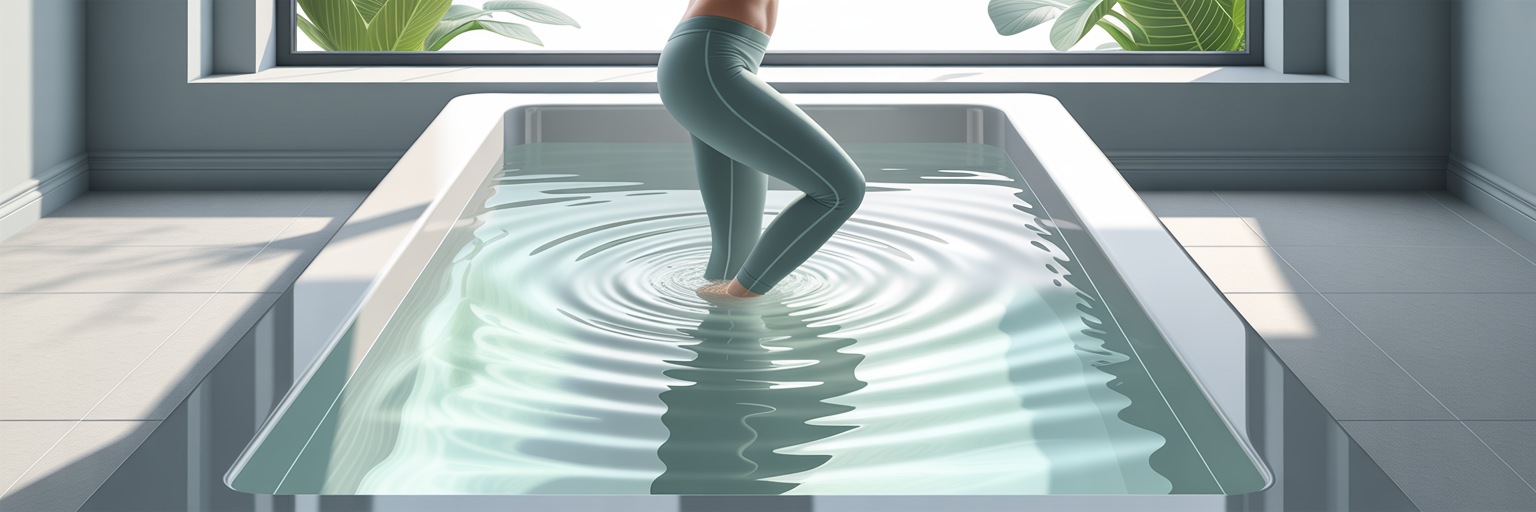
Knowing the benefits is one thing; stepping into icy water is another. The key to a successful and safe experience is preparation and control. This is not about enduring pain but about managing your body’s response. Here is a simple guide on how to do cold plunge for the first time.
- Preparation: Before you even think about getting in, make sure you are well-hydrated. The most important tool you have is your breath. Practice a few rounds of box breathing: inhale for four seconds, hold for four, exhale for four, and hold for four. This technique calms your nervous system and gives you a point of focus, preventing the panic response that can accompany the initial cold shock.
- Immersion: Enter the water slowly and deliberately. There is no need to jump in. The goal is to submerge your body up to your neck or collarbones. As you enter, your body’s natural instinct will be to gasp and take short, shallow breaths. Override this reflex with long, controlled exhales. Imagine you are slowly blowing out a candle. This simple action signals to your brain that you are in control, not in danger.
- Duration: For your first few sessions, aim for just one to three minutes. The goal is not to set an endurance record. Consistency is far more valuable than duration. A short, controlled plunge done regularly will yield more benefits than a single, agonizingly long session. Listen to your body and get out when you feel you’ve had enough.
- Aftercare: Once your time is up, exit the water calmly. Your body has done the hard work; now let it rewarm naturally. Pat yourself dry with a towel and put on warm, comfortable clothing. It is crucial to avoid jumping into a hot shower immediately. This can counteract the intended metabolic response and place unnecessary stress on your cardiovascular system. Allow your body to shiver and rewarm on its own for 15 to 20 minutes.
Once you're comfortable with the process, you may want to explore dedicated cold plunge tubs for a more consistent and convenient experience.
Choosing Your Cold Plunge System
As you commit to making cold plunging a regular practice, the question of equipment will arise. The common ice bath vs cold plunge tub debate comes down to a trade-off between initial cost and long-term convenience. Both paths can lead to results, but one makes the journey significantly smoother.
Traditional ice-based methods, like filling a bathtub or a stock tank with bags of ice, are the most accessible entry point. The initial cost is minimal. However, the appeal often fades quickly. The daily reality involves sourcing dozens of pounds of ice, the manual labor of hauling it, the mess of melting water, and the constant struggle to achieve and maintain a consistent temperature. It works, but the friction is high.
In contrast, modern, temperature-controlled systems offer a seamless experience. These units use an integrated chiller to keep the water at your precise desired temperature, 24/7. They also include filtration and sanitation systems, meaning the water stays clean and ready for weeks at a time. For instance, a unit like the Plunge All-In Cold Plunge System integrates chilling, filtration, and sanitation into one seamless package, removing all the daily friction. The convenience of having a perfect plunge always ready dramatically increases the likelihood of long-term adherence, which is where the real benefits are found.
| Factor | Ice-Based System (e.g., Bathtub, Stock Tank) | Temperature-Controlled System |
|---|---|---|
| Initial Cost | Low ($0 - $200) | High ($4,000+) |
| Temperature Control | Inconsistent and hard to manage | Precise and automated |
| Convenience | Labor-intensive (requires sourcing and adding ice daily) | Effortless (always ready at the set temperature) |
| Water Cleanliness | Requires frequent draining and cleaning | Maintained with filtration and sanitation systems |
| Long-Term Adherence | Low due to high friction and effort | High due to convenience and ease of use |
Note: This table contrasts the practical trade-offs between DIY and dedicated systems. The choice depends on a user's commitment to making cold plunging a consistent, long-term habit.
Important Timing and Safety Considerations
To get the most out of your cold plunge practice, it’s important to understand a few nuances about timing and safety. For athletes focused on building muscle, timing is key. Cold exposure can blunt hypertrophy (muscle growth) signals immediately after a workout. If muscle growth is your primary goal, it is best to wait at least four to six hours after resistance training before plunging.
More importantly, cold water immersion is not suitable for everyone. It is essential to consult with a physician before starting if you have any pre-existing conditions. You should avoid cold plunging if you fall into any of these categories:
- Individuals with cardiovascular conditions (e.g., heart disease, high blood pressure)
- Those with Raynaud's syndrome or severe sensitivity to cold
- Pregnant individuals
- Anyone with open wounds or severe skin conditions
The most important rule is to listen to your body. Cold plunging is a hormetic stressor, meaning a small, controlled dose is beneficial, but too much can be harmful. This is not an activity where a "no pain, no gain" mentality applies. Uncontrollable shivering, dizziness, lightheadedness, or numbness are clear signals that your session is over. The goal is to feel invigorated and refreshed, not to endure misery. For more in-depth articles on recovery science and wellness technologies, our blog is a valuable resource.
Integrating Cold Plunges into a Sustainable Routine
The transformative effects of cold plunging come from consistency, not intensity. Research suggests a minimum effective dose of about 11 minutes of total exposure per week. This is easily achievable by breaking it down into smaller, manageable sessions, such as three to four plunges of three minutes each.
To make this a lasting habit, try "habit stacking." Link your cold plunge to an existing daily ritual. For example, you could do it immediately after your morning meditation or as the final step of your post-workout cooldown. This anchors the new habit to an established one, making it feel automatic over time.
Cold therapy also pairs powerfully with other recovery modalities. Consider using a cold plunge in the morning for alertness and one of our infrared sauna blankets in the evening to promote relaxation and sleep. This practice, known as contrast therapy, can amplify the benefits of both. Building a wellness routine is similar to curating other parts of your life; just as you might refine your modern style with thoughtful accessories, you build physical resilience through consistent, small actions.
Ultimately, making cold plunging a part of your life is a personal journey. Start slow, listen to your body, and focus on showing up consistently. The long-term cold plunge benefits for your mind and body are well worth the initial chill.