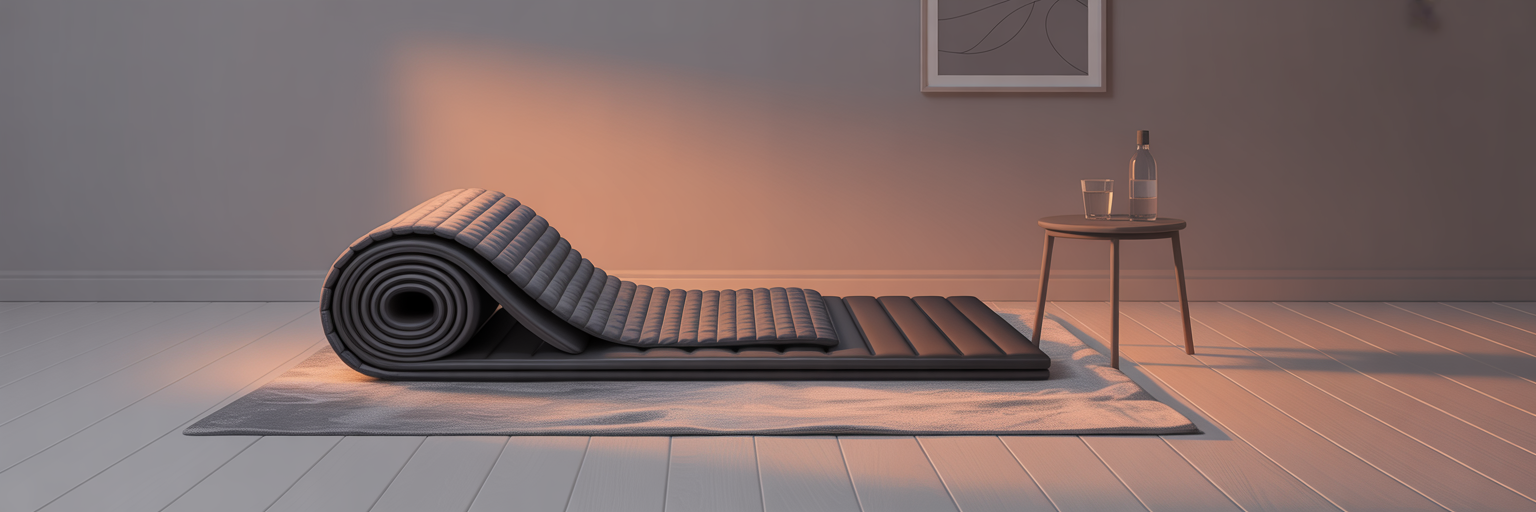
The Connection Between Deep Sleep and Active Recovery
High-quality sleep is not just about rest. It is the body's most critical period for active repair. We can actually engineer our evenings to enhance this natural process, creating a powerful sleep recovery routine. To understand how, think of your nervous system like a car. The sympathetic system is the accelerator, our "fight-or-flight" response, while the parasympathetic system is the brake, our "rest-and-digest" mode.
The demands of modern American life, from work stress to constant connectivity and evening screen time, often leave that accelerator stuck down. This state directly impairs sleep quality, preventing the body from shifting gears. A structured evening protocol is designed to intentionally engage the brakes, guiding the body into a parasympathetic state. As research from the National Center for Biotechnology Information highlights, activating the parasympathetic nervous system is a key mechanism for improving sleep quality.
This deliberate shift allows for profound physiological benefits. It supports muscle tissue repair after a long day or intense workout. It facilitates cellular detoxification, a process known as autophagy, where the body cleans out damaged cells. It also helps with memory consolidation, solidifying the day's learning. By understanding this science, we can see why a dedicated routine is not an indulgence but a necessity for peak performance and well-being.
Your Toolkit for Advanced Sleep Recovery
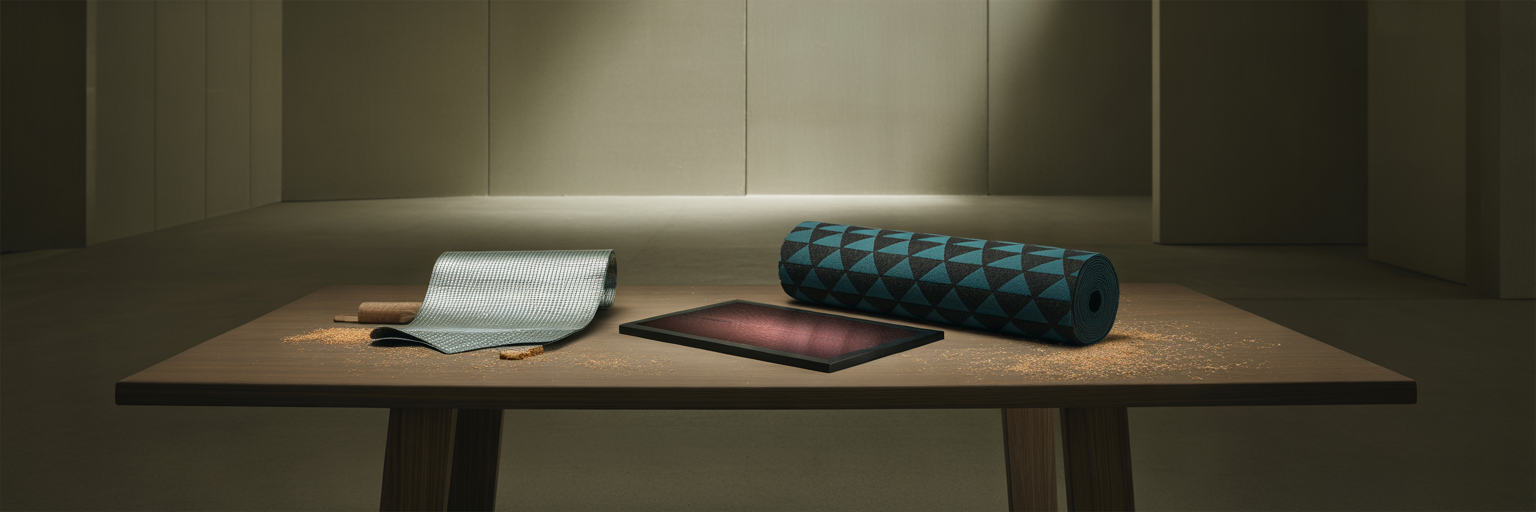
Building an effective sleep protocol involves using the right instruments to amplify your body's own recovery signals. These are not magic bullets but targeted at home recovery tools designed to work with your biology. For this routine, we focus on three core technologies: infrared sauna blankets, PEMF therapy mats, and red light therapy panels. Each plays a distinct and complementary role in preparing you for deep, restorative sleep.
The infrared sauna blanket works by elevating your core body temperature to trigger a natural, sleep-inducing cool-down response afterward. Next, the PEMF therapy mat uses specific low frequencies to gently guide your brainwave activity toward states of deep relaxation. Finally, the red light therapy panel supports cellular energy production and helps reinforce your body's natural circadian rhythm. By understanding the purpose of each tool, you can begin to assemble a powerful wellness toolkit from our curated collections to enhance your nightly recovery.
| Tool | Primary Mechanism for Sleep | Target System |
|---|---|---|
| Infrared Sauna Blanket | Induces a post-session core body temperature drop, a key signal for sleep onset. | Thermoregulation & Circulatory System |
| PEMF Therapy Mat | Uses low-frequency fields to encourage brainwave patterns associated with deep relaxation (Delta waves). | Central Nervous System |
| Red Light Therapy Panel | Enhances mitochondrial function for cellular energy and supports the body's natural circadian rhythm. | Cellular Metabolism & Endocrine System |
Step 1: Create Your Pre-Sleep Sanctuary
The success of your sleep routine begins long before you use any technology. This preparatory phase is about creating a psychological "off-ramp" from your day's activities and signaling to your body that it's time to wind down. It is a non-negotiable step for priming your mind and environment for relaxation.
Follow these simple instructions to build your sanctuary:
- Dedicate a consistent window. Set aside 60 to 90 minutes before your desired bedtime. This consistency is crucial as it trains your body's internal clock, making the transition to sleep smoother over time.
- Control your environment. Dim all lights in your home. Use blackout curtains to block external light, minimize household noise, and strictly eliminate all screens. Phones, TVs, and laptops emit blue light that disrupts melatonin production.
- Prepare your space. Lay out your sauna blanket and PEMF mat in a clean, uncluttered area. Have a glass of water with electrolytes ready for afterward. This physical setup removes friction and makes the routine feel like a seamless, dedicated ritual.
Step 2: Initiate the Core Heat Protocol
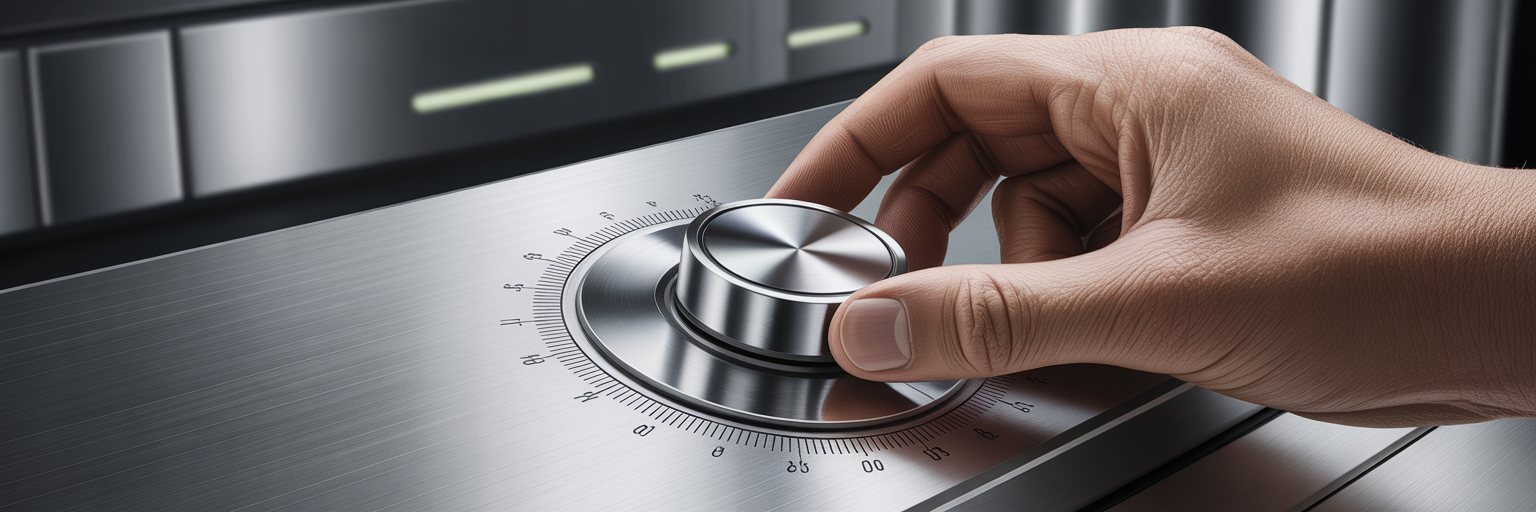
With your sanctuary prepared, the first active step is to use heat to your advantage. The infrared sauna for sleep protocol is designed to manipulate your core body temperature, which is a powerful regulator of your sleep-wake cycle. Begin by setting your infrared sauna blanket to a comfortable temperature, typically between 100–140°F, for a session lasting 20 to 35 minutes.
During this time, the infrared heat penetrates deeply, raising your core body temperature. This is where the magic happens. After the session ends and you emerge from the blanket, your body initiates a powerful "rebound effect." It works hard to cool down, causing a significant drop in core temperature. This temperature drop is one of the most potent natural signals your brain receives to initiate sleep, telling it that night has fallen and it is time to rest.
While a hot bath can produce a similar effect, the deep, radiant heat from one of our infrared sauna blankets creates a more efficient and pronounced temperature change. This makes the subsequent cool-down even more effective at inducing a state of deep relaxation and preparing you for sleep.
Step 3: Stack PEMF for Deeper Relaxation
Now we introduce the concept of stacking recovery modalities to create a synergistic effect. Instead of using tools sequentially, we combine them to save time and enhance results. While the sauna blanket addresses your body's thermoregulation, you can simultaneously use PEMF therapy for sleep to quiet your nervous system.
The process is simple. Place your PEMF therapy mat either directly underneath your sauna blanket or lay it inside the blanket with you. Set the mat to a low frequency, specifically 3Hz. This frequency is significant because it corresponds to Delta brainwaves, the slow waves that dominate our deepest and most restorative stages of non-REM sleep. As you relax in the warmth of the sauna, the pulsed electromagnetic fields are gently guiding your brain toward a state of profound calm.
This combination is incredibly efficient. It tackles two major barriers to sleep at once. The infrared heat works on the physical body, while the PEMF quiets mental chatter and reduces feelings of restlessness. If you want to learn more about the science, we explain it in detail in our guide to what PEMF therapy is. This dual-action approach helps you achieve a physiological and neurological state primed for sleep within the same time block.
Step 4: Integrate Red Light for Cellular Support
The final technology in our stack is red light therapy. This modality adds another layer of biological support, focusing on cellular energy and circadian rhythm reinforcement. You can integrate red light therapy for sleep in one of two ways: either during the last 10 to 20 minutes of your sauna and PEMF session or immediately after you get out.
The science is straightforward. Specific wavelengths of red and near-infrared light, typically between 630–850nm, are absorbed by the mitochondria in your cells. This process boosts the production of ATP, the energy currency of your body. This enhanced cellular energy directly fuels the body's extensive overnight repair processes, from healing muscle micro-tears to regenerating skin.
A common question is whether exposing yourself to light before bed is a good idea. It is important to clarify that the red light used in our therapy panels does not suppress melatonin production the way blue light from screens does. In fact, it can help reinforce the body's natural circadian rhythm. For application, position a panel so it illuminates a large surface area like your back or torso for maximum cellular benefit.
Step 5: Finalize with Cooling and Hydration
Your body is now primed for sleep, but the routine is not quite over. This final transition phase ensures you do not lose the momentum you have built. These last few steps are about gently guiding your body into bed without any jarring interruptions.
Here are the non-negotiable actions for your cool-down period:
- Hydration is key. You have lost fluids through sweat, and they need to be replenished. Drink a glass of water with added electrolytes like sodium, potassium, and magnesium. This supports nerve and muscle function throughout the night.
- Engage in a non-stimulating cool-down. Avoid the temptation to check your phone. Instead, try a few minutes of gentle stretching, practice deep diaphragmatic breathing, or read a physical book under a dim, warm-toned light.
- Be patient. Do not jump directly into bed while you still feel very warm from the sauna. Allow your body a few minutes to continue its downward temperature trend. This final drop before getting under the covers is a powerful sleep trigger.
Achieving Results Through Consistency and Personalization

This protocol is a powerful template, but its true effectiveness is unlocked through consistency. Aim to complete this full sleep recovery routine 3 to 4 times per week. Framing it as a sustainable practice rather than a nightly obligation prevents burnout and allows for flexibility in your schedule. The benefits of improved sleep compound over time, leading to better daytime energy and overall well-being.
Become an expert on your own body. Keep a simple journal to track your morning energy levels, mood, and perceived sleep quality after each session. This feedback will help you personalize the protocol. On a high-stress day, you might extend the PEMF session. After a grueling workout, you might focus more on the infrared heat. The strategy of stacking recovery modalities is adaptable to your specific needs.
Think of this routine as a long-term investment in your health. It is a deliberate and powerful way to take control of your recovery, ensuring you wake up feeling restored and ready for the day ahead. To continue learning, explore more articles on recovery and wellness on our blog.