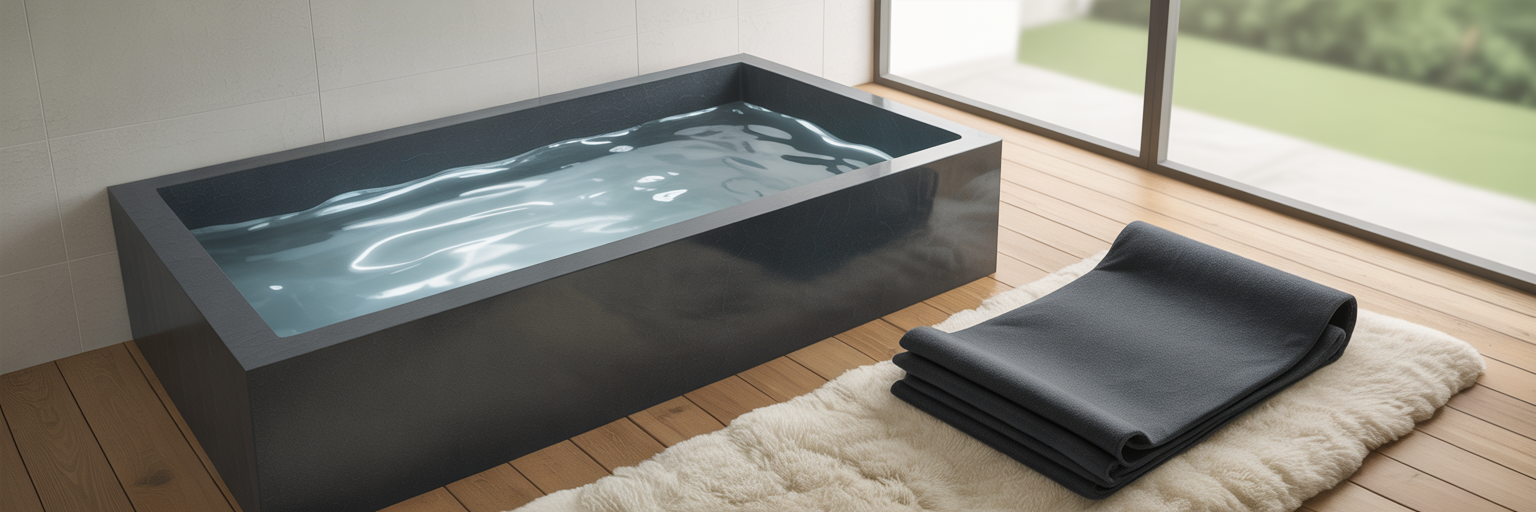
The era of relying solely on stretching and foam rollers for muscle recovery is giving way to more sophisticated, technology-driven wellness practices. As at-home recovery tools become more advanced, two distinct methods have emerged as leaders: intense cold therapy and deep-penetrating heat.
The Modern Approach to At-Home Recovery
The conversation around wellness has shifted. We are moving from passively dealing with soreness to proactively managing our physical state with advanced at home recovery tools. At the forefront of this movement are two powerful yet fundamentally different options: cold plunge tubs and infrared sauna blankets. One works by constricting blood vessels with intense cold, while the other uses penetrating heat to dilate them.
This is not a simple case of one being better than the other. The ideal choice is deeply personal and depends entirely on your training style, recovery needs, and long-term wellness goals. Are you trying to bounce back quickly for a competition, or are you focused on building muscle mass over time? The answer to that question will guide your decision.
This article provides a clear comparison to help you determine which tool is the right investment for your body. We will look at the science behind each method, their specific benefits, and the ideal scenarios for their use. The goal is to empower you to make an informed choice that aligns with your unique physiology and lifestyle, rather than following a one-size-fits-all trend.
The Science of Cold Water Immersion
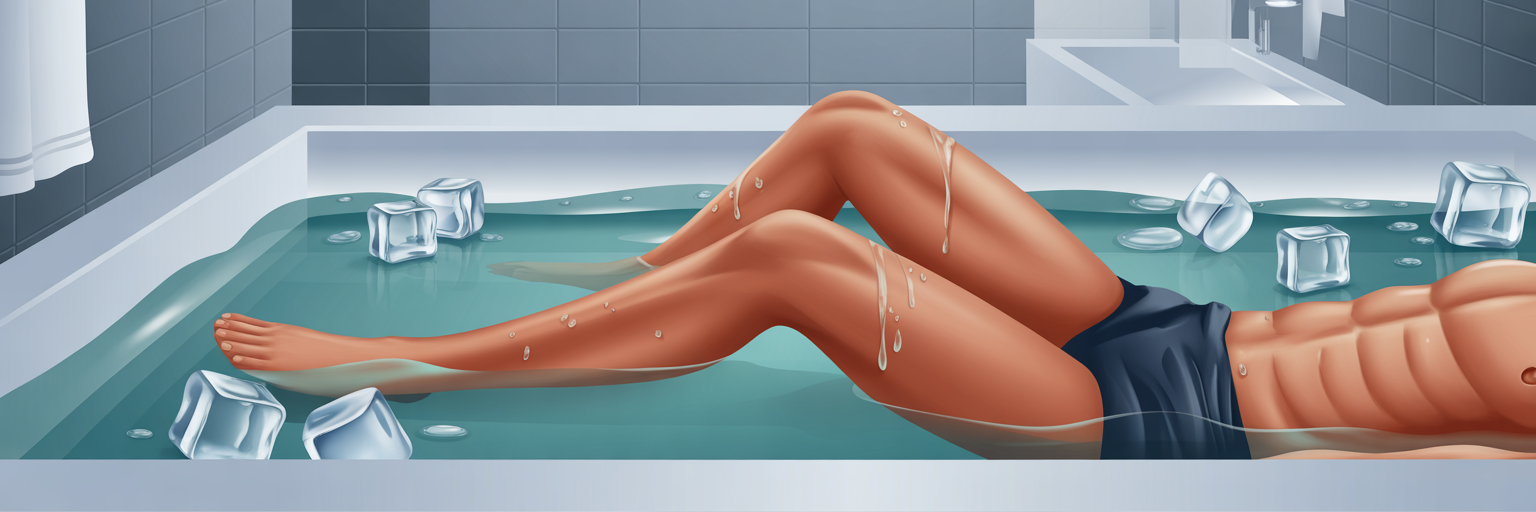
The core mechanism behind a cold plunge is vasoconstriction. Think of your blood vessels as pipes. When exposed to extreme cold, these pipes narrow significantly. This process helps to flush out metabolic waste products, like lactic acid, that accumulate in muscles during intense exercise. By quickly removing these byproducts, the body can more effectively manage the acute inflammation and swelling that follow a tough workout.
This is why a cold plunge for muscle recovery is so effective at managing Delayed Onset Muscle Soreness (DOMS). We all know that feeling of stiffness and pain a day or two after a new or intense workout. The cold water numbs nerve endings and reduces the inflammatory response, making those subsequent days far more comfortable. This is particularly beneficial for endurance athletes or individuals who train multiple times a day and need to feel fresh for their next session. It is an excellent tool for those recovering from a marathon or a long day of physically demanding activities, such as those who enjoy hiking off the beaten path.
However, there is a critical trade-off to consider, especially for those focused on strength training. The same anti-inflammatory effect that reduces soreness can also blunt the mTOR signaling pathway. This pathway is essential for muscle protein synthesis, the very process that leads to muscle growth and hypertrophy. By suppressing inflammation, you might also be suppressing your gains. This makes the cold plunge a specialized tool, not a universal solution. You can explore the variety of options available in our collection of cold plunge tubs to see how they fit different needs.
The Power of Infrared Heat Therapy
While cold constricts, infrared heat does the opposite. It triggers vasodilation, widening the blood vessels to enhance circulation. This is not just surface-level heat. Infrared waves penetrate deep into the muscle tissue, increasing blood flow that delivers more oxygen and nutrients essential for repair. It is like opening up express lanes on a highway for the body's repair crews.
One of the most significant infrared sauna blanket benefits is the stimulation of Heat Shock Proteins (HSPs). Exposure to heat stress prompts your body to produce these specialized proteins, which work to repair damaged cells and protect them from future stress. This cellular repair mechanism supports long-term muscle health and resilience.
Unlike cold therapy, infrared heat is highly effective for managing chronic, systemic inflammation rather than just acute swelling. It also has profound effects on stress reduction by helping to lower cortisol levels. This creates a state of relaxation that can improve sleep quality and overall well-being. Crucially, because sauna use does not blunt the necessary inflammatory signals for muscle growth, it is a more versatile tool. It can be used after any workout, including heavy strength training, without compromising your progress. A tangible example like our HigherDose Infrared Sauna Blanket shows how this technology is made accessible for home use.
Timing Your Recovery for Maximum Benefit
Understanding the science is one thing, but applying it correctly is what produces results. The effectiveness of both cold plunges and infrared saunas depends heavily on when you use them. For a cold plunge, timing is critical to avoid hindering muscle growth. It is best used for acute recovery, ideally hours after a strength workout or on a separate rest day. This allows the initial inflammatory response needed for muscle adaptation to occur before you introduce the cold. Answering the question of when to use cold plunge often comes down to your immediate goal.
Infrared sauna blankets, on the other hand, are suited for chronic recovery and general wellness. Using one in the evening can promote relaxation and improve sleep, while a session after a strength workout can enhance blood flow and aid repair once your body has cooled down. The psychological effects are also distinct. A cold plunge is invigorating and mentally stimulating, making it a great way to boost alertness in the morning. A sauna session is calming and meditative, perfect for winding down at night. For more actionable tips, you can find more wellness content on our blog.
Here is a simple guide based on common scenarios:
Goal: Building Muscle After a Heavy Leg Day? Skip the ice bath. Use the sauna blanket in the evening to enhance blood flow and promote relaxation without interfering with muscle protein synthesis.
Goal: Rapid Recovery for a Competition Tomorrow? A 10-minute cold plunge after your event can significantly reduce leg soreness and help you feel fresher for the next day's performance.
Goal: General Wellness and Stress Reduction? An infrared sauna session three to four times a week can help manage systemic inflammation, lower cortisol, and improve sleep quality.
Goal: Boosting Morning Alertness? A quick two to three minute cold plunge can replace your morning coffee by triggering a norepinephrine release, leaving you feeling energized and focused.
The Best of Both Worlds with Contrast Therapy
For those seeking a more advanced recovery protocol, contrast therapy combines both modalities to create a powerful physiological effect. The technique involves alternating between the vasodilation of heat and the vasoconstriction of cold. This rapid switching creates a "vascular pump" effect within the circulatory system. Imagine squeezing and releasing a sponge. This pumping action is incredibly effective at flushing metabolic byproducts from the muscles while simultaneously driving fresh, oxygenated blood into the tissue.
The contrast therapy benefits extend to the lymphatic system. Unlike the circulatory system, the lymphatic system has no central pump. It relies on muscle movement to circulate lymph fluid, which is crucial for immune function and waste removal. The vascular pump created by contrast therapy provides a passive way to stimulate this flow, enhancing the body's natural detoxification processes. As we explored in our post comparing cold plunges and infrared saunas, combining them can offer unique advantages.
This is an intense method best reserved for dedicated recovery days, not for immediate post-workout use. Here is a simple protocol for at-home contrast therapy:
Step 1: Heat: Spend 15 minutes in the infrared sauna blanket to promote blood flow.
Step 2: Cold: Immediately transition to a 2-3 minute cold plunge.
Step 3: Repeat: Return to the sauna blanket for another 15 minutes. For a more intense session, you can repeat the cycle two to three times.
Step 4: Finish Cold: Always end on a cold cycle to help reduce any lingering inflammation.
Making the Right Choice for Your Lifestyle

The cold plunge vs sauna debate ultimately comes down to your personal goals, lifestyle, and preferences. There is no single right answer, only the right answer for you. To find it, start by asking yourself a few key questions. What is your primary training goal? If you are an endurance athlete or competitor needing rapid recovery, a cold plunge may be the superior tool. If your focus is on building muscle and managing overall wellness, an infrared sauna blanket is likely a better fit.
Next, consider the practical aspects. Cold plunge tubs require significant space, a water connection, and a larger budget. An infrared sauna blanket, by contrast, is portable, more affordable, and can be easily stored in a closet. Think about the user experience you prefer. Are you drawn to the short, intense, and mentally challenging nature of a cold plunge? Or do you prefer the longer, relaxing, and meditative experience of a sauna session? Your honest answers will point you toward the right modality.
This table provides a side-by-side comparison to help you quickly evaluate which recovery tool aligns best with your training goals, lifestyle, and personal preferences.
| Factor | Cold Plunge Tub | Infrared Sauna Blanket |
|---|---|---|
| Primary Goal | Acute soreness reduction, performance recovery | Chronic inflammation management, muscle repair, relaxation |
| Best For | Endurance athletes, competitors, managing acute injury | Strength athletes, daily wellness routines, stress reduction |
| Practicality | Requires significant space and budget | Portable, lower entry cost, easy to store |
| User Experience | 1-5 min, intense, mentally challenging, invigorating | 30-45 min, relaxing, passive, meditative |
| Timing | Hours after workout or on rest days; morning for energy | Post-workout (after cooldown) or evening for sleep |
By carefully considering these factors, you can confidently choose the recovery tool that will best support your health and performance. Once you have a clearer idea, we can help you start your journey with the right products.