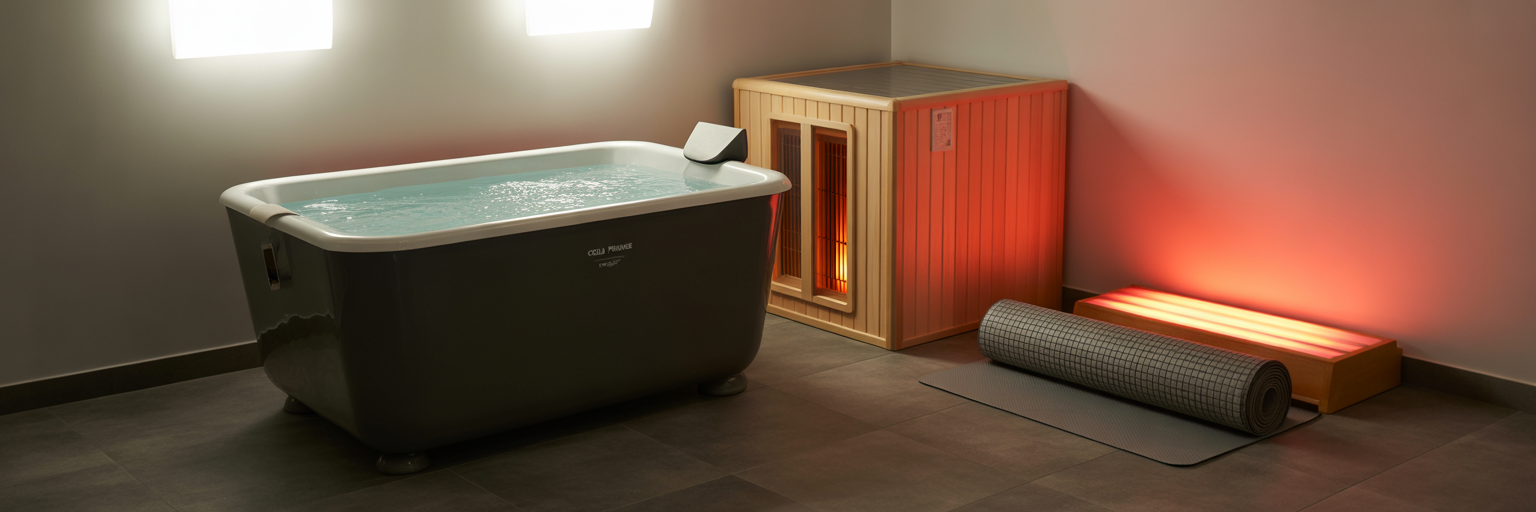
Creating a dedicated space for recovery at home is more than a simple luxury. It is a strategic investment in your long-term health. By building a personal sanctuary, you are taking proactive control over managing inflammation, accelerating muscle repair, and enhancing your overall well-being. This guide will walk you through transforming a part of your home into a powerful hub for healing and rejuvenation.
Planning Your Personal Wellness Sanctuary
Before a single piece of equipment is ordered, the most important work begins with intention. Think of this project not as just filling a room, but as designing a system tailored to your body’s needs. The first step is to find the right location. A quiet corner of a basement, a section of a garage, or a spare bedroom can all work, but consider the practicals. You will want a space that offers privacy and tranquility, away from the daily household traffic. Accessibility is also key, especially if you plan on installing larger items.
With a location in mind, the next question to ask yourself is: what am I trying to solve? Are you an athlete looking to reduce post-workout soreness? Are you managing chronic pain and seeking consistent relief? Or is your primary goal to improve sleep quality and lower stress? Your answers will directly shape which tools you choose. For those just beginning to explore these technologies, our introductory guide can help clarify which options align with your wellness objectives.
Finally, consider the logistics. While budgeting is important, view it through the lens of long-term value. Some larger items, like cold plunge tubs, also require planning for delivery. As noted by the experts at Carphanatics, getting bulky equipment home safely can sometimes require specialized transport. A little foresight here ensures your at-home recovery space starts on a practical and stress-free foundation.
Preparing the Foundation and Infrastructure
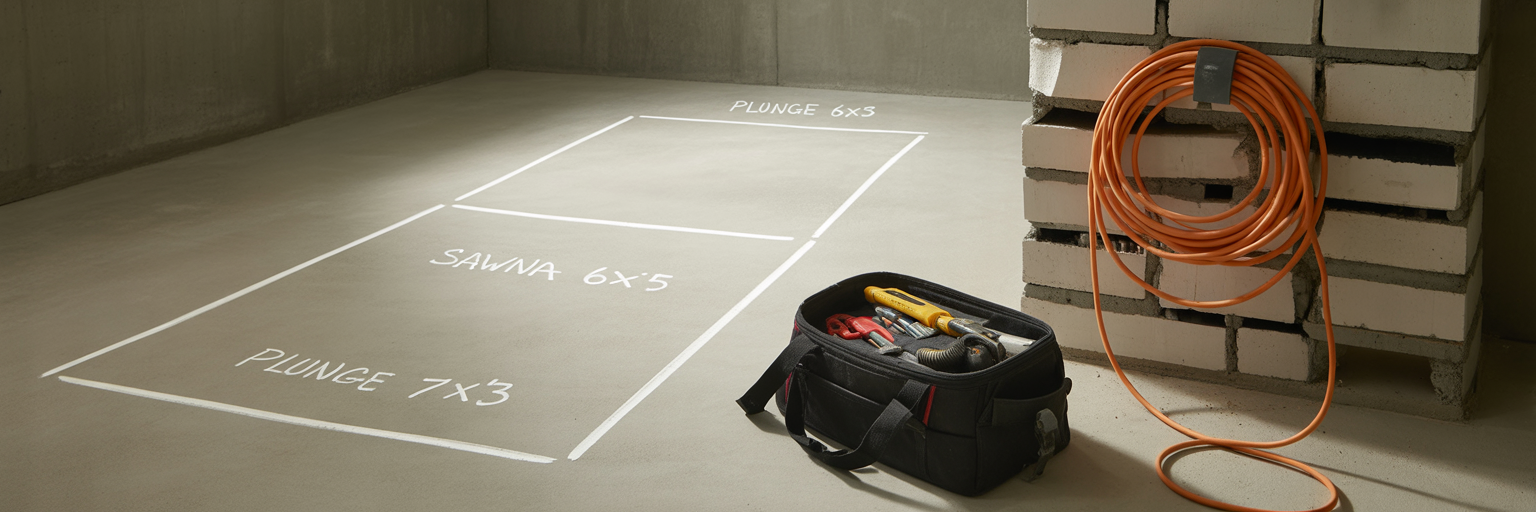
With your vision and goals defined, the focus shifts to the practical groundwork. Preparing the infrastructure correctly is not the most glamorous part of the process, but it is absolutely essential for safety and function. Getting this right prevents costly and dangerous mistakes down the line. Think of it as building the foundation of a house. It must be solid before you can build upon it.
Assessing Electrical Requirements
Many advanced recovery tools have significant power needs. You cannot simply plug everything into a standard wall outlet. For instance, many infrared saunas and cold plunge chillers require a dedicated circuit to operate safely. It is common for these units to need a 20A circuit, and some saunas even demand a 240V connection. These are critical home sauna electrical requirements. Before purchasing any equipment, consult a licensed electrician to assess your home's electrical panel and determine if upgrades are necessary. This is a non-negotiable step.
Managing Water and Moisture
If you are wondering how to build a cold plunge room, water management should be your top priority. Constant exposure to water and condensation can lead to mold, mildew, and structural damage. Installing a floor drain is an ideal solution. At a minimum, you must use moisture-resistant flooring like ceramic tile, sealed concrete, or luxury vinyl plank (LVP). Proper ventilation, such as an exhaust fan, is also crucial to control humidity and maintain air quality.
Optimizing Spatial Layout
Your equipment needs room to breathe. Overcrowding a space is not just an aesthetic issue. It is a safety and maintenance hazard. Before finalizing your layout, measure each piece of equipment and map out its footprint, ensuring there is adequate clearance on all sides. This space allows for proper ventilation to prevent overheating, gives you safe access for daily use, and makes future maintenance or repairs far easier. A well-planned layout ensures your sanctuary remains functional for years to come.
Selecting Your Core Recovery Equipment
Now that the foundational work is planned, you can turn to selecting your core inflammation relief tools at home. This choice should circle back to the wellness goals you established earlier. Each technology offers a unique mechanism for healing, and understanding them helps you build a truly personalized toolkit.
Cold therapy is a cornerstone for managing acute inflammation and post-workout soreness. The underlying principle is vasoconstriction, where cold temperatures cause blood vessels to narrow, reducing blood flow to an area and thus decreasing swelling. Options range from simple ice-based barrels to the advanced, temperature-controlled systems we offer that provide consistent and precise cooling without the hassle of ice.
On the opposite end of the spectrum is heat therapy. An infrared sauna blanket is a fantastic, space-efficient alternative to a traditional sauna. Instead of just heating the air around you, infrared light penetrates deep into muscle tissue, promoting vasodilation. This increased blood flow delivers more oxygen and nutrients to tired muscles, aiding repair and promoting detoxification through sweat.
Beyond temperature, energy-based therapies work on a cellular level. Pulsed Electromagnetic Field (PEMF) technology functions like a battery charger for your cells, enhancing their natural ability to repair and reduce inflammation. Similarly, red light therapy panels use specific wavelengths of light to stimulate mitochondrial function, which can help with surface-level inflammation, skin health, and joint pain. Exploring our range of PEMF therapy mats can show you how this technology is made accessible for home use.
| Therapy Type | Primary Mechanism | Best For | Example Equipment |
|---|---|---|---|
| Cold Therapy | Vasoconstriction, reduces blood flow | Post-workout muscle soreness, acute inflammation, mental alertness | Cold Plunge Tubs, Ice Barrels |
| Heat Therapy | Vasodilation, increases blood flow | Chronic muscle tension, detoxification, relaxation | Infrared Sauna Blankets |
| Energy Therapy (PEMF) | Cellular recharge, enhances natural repair processes | Deeper cellular repair, improved sleep, chronic pain | PEMF Mats |
| Energy Therapy (Light) | Mitochondrial stimulation, collagen production | Surface inflammation, skin health, joint pain | Red Light Therapy Panels |
This table provides a simplified comparison to help align recovery technologies with specific wellness goals. The effectiveness of each modality can be enhanced when used in combination.
Arranging the Space for Optimal Flow
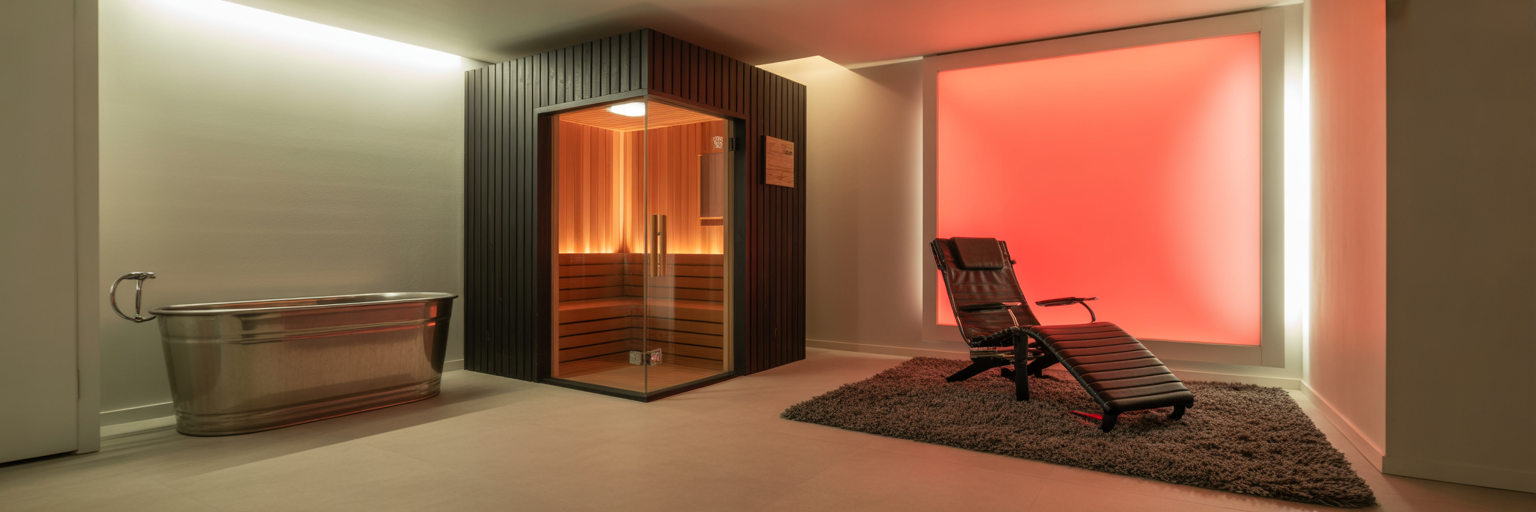
Once you have selected your equipment, the final step in the design phase is arranging it to create a seamless experience. A thoughtful layout does more than just fit everything in. It encourages consistent use by making your recovery protocols feel intuitive and effortless. The most effective approach is to organize the room into distinct functional zones, transforming it from a collection of machines into a holistic circuit.
The Recovery Zone: This area is for your active therapies. It makes sense to place the sauna and cold plunge near each other to facilitate contrast therapy. Minimizing the transition time between hot and cold helps maintain the thermal momentum that makes this protocol so effective. This is the high-energy part of your space.
The Downshift Zone: This is a quiet corner dedicated to passive modalities. It is the ideal spot for your PEMF mat and red light therapy setup. Imagine a comfortable chair or floor space where you can lie on the mat, perhaps with a red light panel positioned nearby. Adding elements like dimmable lighting and a speaker for guided meditations can signal to your body that it is time to relax and repair. For those deciding between tools for this zone, our article comparing different technologies can offer clarity.
The Movement Zone: A small, open area for preparation and cooldown is surprisingly useful. Including a yoga mat and a foam roller provides a dedicated space for pre-session stretching or post-session mobility work. This zone acts as the perfect start and end point for your recovery routine.
This zoning strategy ensures that each step of your recovery flows logically into the next, making the entire process feel less like a chore and more like a restorative ritual.
Implementing Effective Recovery Protocols
Having a well-designed space is one thing. Knowing how to use it for maximum benefit is another. The true power of your home sanctuary comes from implementing consistent, effective protocols that target inflammation and accelerate healing. Here are a few foundational routines to get you started.
Contrast Therapy Protocol: This is a powerful technique for flushing metabolic waste and reducing soreness. The process acts as a "vascular pump," rapidly constricting and dilating your blood vessels. A simple and effective routine is 15 minutes in the sauna followed immediately by 2 to 3 minutes in the cold plunge. Repeat this cycle for three to five rounds. As a 2022 review in the journal Sports Medicine confirmed, contrast water therapy is a proven method for reducing muscle soreness after strenuous exercise.
Red Light Therapy Optimization: For this modality, consistency and proximity are key. Aim for 10 to 20 minute sessions daily. Position yourself about 6 to 12 inches from the panel to ensure your cells receive an optimal dose of light energy, which helps stimulate mitochondrial function and reduce surface inflammation.
PEMF Mat Integration: The beauty of a PEMF mat is its passive nature. The easiest way to build a habit is to layer it onto an existing one. Use it for 20 minutes while you meditate in the morning, lie on it before bed to enhance sleep, or even place it on your chair while you read. By making it a low-friction part of your day, you ensure consistent cellular support. For those curious about the mechanics, we explore what PEMF therapy is and how it works in more detail on our blog.
Consider "bookending" your day with these protocols. A cold plunge in the morning can provide a surge of energy and mental clarity, while a sauna or PEMF session in the evening can promote relaxation and deep, restorative sleep.
Maintaining Your Sanctuary for Lasting Results
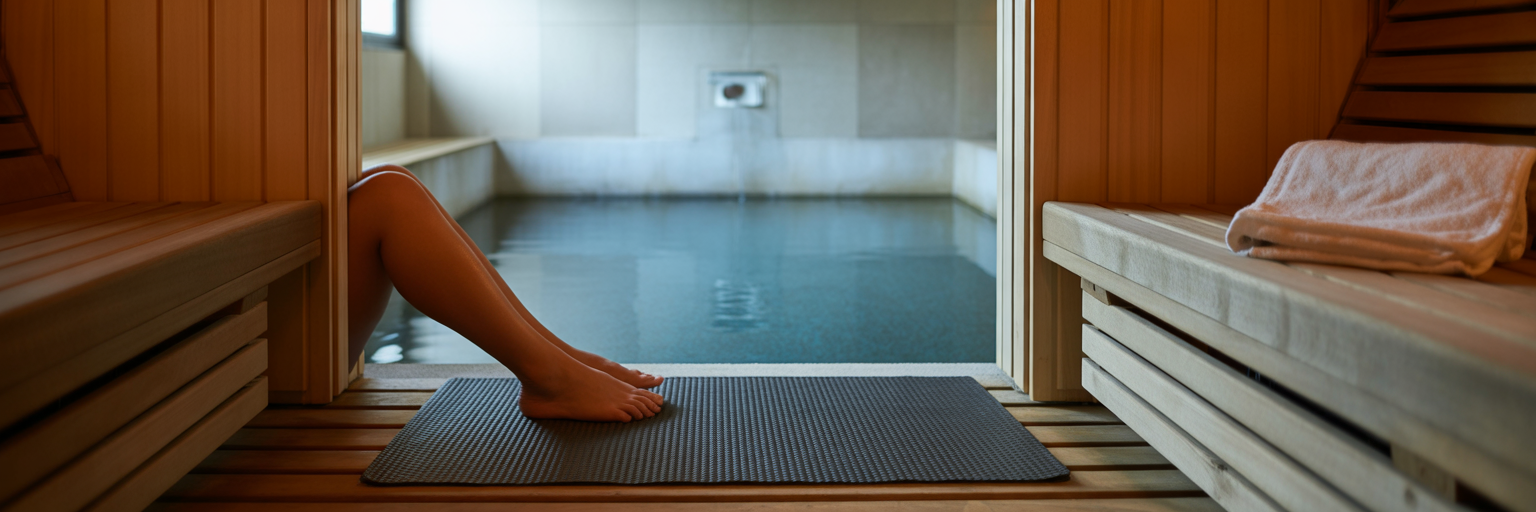
Your at-home recovery space is built. Now, the focus shifts to ensuring its longevity and, more importantly, your consistent use. The most advanced equipment in the world offers no benefit if it gathers dust. Sustained results come from integrating maintenance and ritual into your lifestyle.
First, establish a simple cleaning schedule. Regularly changing the water and cleaning the filters in your cold plunge is essential for hygiene. Wiping down your sauna blanket after each use and properly storing mats and panels will protect your investment and ensure they are always ready for you. These small habits prevent maintenance from becoming a major task.
More profoundly, frame your recovery time as a non-negotiable appointment with yourself. It is not a task to be squeezed in but a vital practice for your physical and mental health. This mindset shift is what transforms a routine into a ritual. Pay attention to your body’s feedback. Some days you may need the invigorating shock of the cold, while on others, the gentle warmth of the sauna is what your system craves. Listening to these signals and adjusting your protocols is the essence of intuitive self-care.
Your recovery space is not a static project but an evolving part of your wellness journey. As your goals change, so can your routines. To continue learning and discovering new ways to optimize your health, we invite you to explore the ongoing insights and research on our blog.