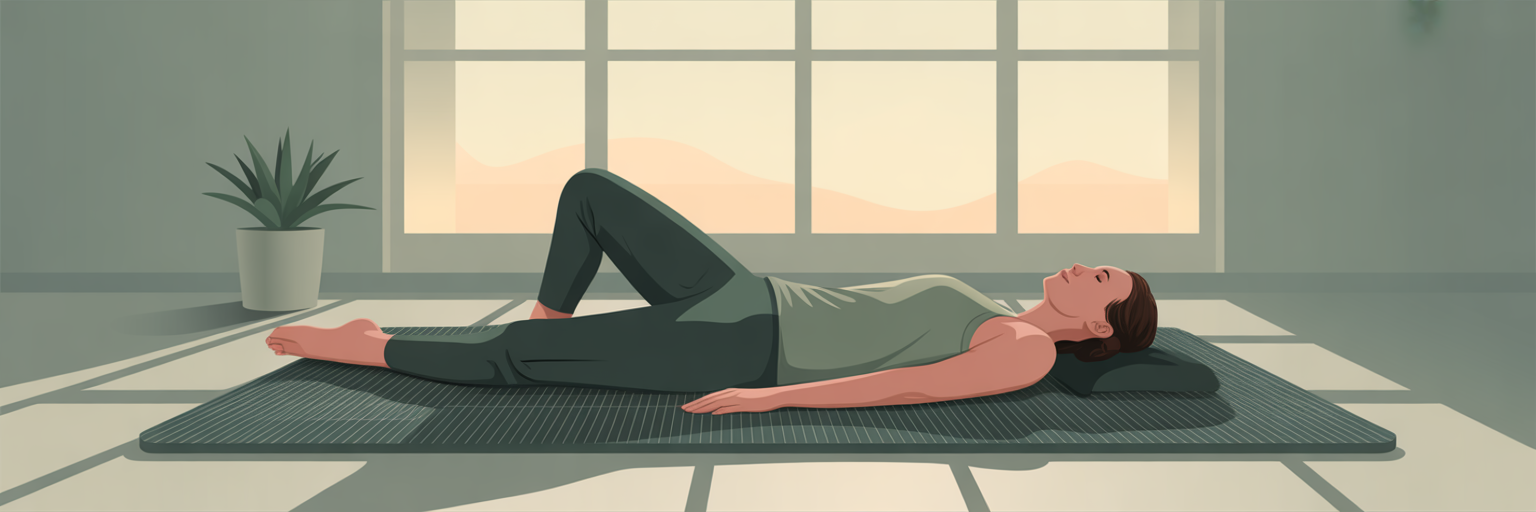
Understanding Passive Recovery's Role in Pain Management
Chronic pain is a silent global health issue, with the World Health Organization highlighting its widespread impact on daily life. When pain becomes a constant companion, it’s easy to feel like your options are limited. This is where passive recovery comes into play. Unlike active recovery, which involves physical effort like stretching, passive recovery involves treatments you receive while your body is at rest. Think of it as providing your body with the ideal conditions to heal itself without demanding more from it.
This approach to passive recovery for chronic pain focuses on calming the body's systems. Physiologically, these methods work by reducing inflammation, soothing a hypersensitive nervous system, and easing persistent muscle tension. When your body is in a constant state of alert due to pain, passive techniques help dial down that internal alarm, giving your tissues a chance to repair.
Pain is more than just a physical sensation. It is a complex experience influenced by biological, psychological, and social factors. Passive recovery directly addresses the biological component. By managing physical symptoms, it creates the stability needed to engage more effectively with psychological therapies or return to gentle, active movement. As you begin to explore how these methods fit into a wider wellness strategy, you can find guidance on the options we have curated to help you start here.
It is important to set realistic expectations. These methods are not an overnight cure. Instead, they are powerful tools for managing the frequency and intensity of pain, giving you more control and improving your quality of life. They empower you to take an active role in your own well-being, one restful session at a time.
Foundational Temperature and Pressure Therapies

Building on the concept of creating ideal healing conditions, some of the most effective tools are also the most fundamental. Temperature and pressure therapies are accessible, intuitive, and form the bedrock of effective at home chronic pain relief. They work by influencing blood flow and nerve responses to either soothe or numb discomfort.
The Soothing Power of Heat Therapy
Heat therapy, or thermotherapy, works by increasing blood flow to targeted areas. This improved circulation delivers more oxygen and nutrients while helping to flush out metabolic waste. The result is relaxed muscles and eased stiffness, making it particularly effective for the kind of deep, chronic soreness that settles into the back and joints. At-home options like our infrared sauna blankets offer a convenient way to apply this deep, soothing warmth across the entire body.
The Numbing Effect of Cold Therapy
On the other end of the spectrum, cold therapy, or cryotherapy, has a powerful numbing effect. It constricts blood vessels, which helps reduce acute inflammation and swelling. Think of the immediate relief you feel when applying an ice pack to a new injury. This principle is scaled up in methods like our cold plunge tubs, which can help manage post-activity soreness and calm systemic inflammatory responses associated with certain chronic conditions.
Choosing Between Heat and Cold
So, when do you choose heat over cold? The decision can feel confusing, but a simple guideline often works best. Use cold for new injuries with visible swelling or sharp pain. Use heat for chronic stiffness and muscle soreness where there is no swelling. Think of cold as a firefighter for acute flare-ups and heat as a gentle masseuse for persistent tension. Understanding this distinction is a key step in building an effective self-care routine. Additionally, compression therapy can complement both, enhancing circulation and providing gentle support to stabilize joints and muscles.
Advanced At-Home Recovery Technologies
While temperature therapies provide foundational relief, advanced technologies now offer more targeted ways to support the body's healing processes at a cellular level. These methods may sound complex, but their goal is simple: to create an optimal internal environment for repair. As the National Center for Complementary and Integrative Health (NCCIH) highlights, non-drug approaches are becoming a cornerstone of modern pain care, offering safe and effective options.
Pulsed Electromagnetic Field (PEMF) Therapy
Pulsed Electromagnetic Field (PEMF) therapy uses low-frequency electromagnetic fields to gently stimulate and 'recharge' your cells. This process enhances the body's natural repair mechanisms, making PEMF therapy for pain management an excellent choice for addressing deep-seated inflammation and promoting cellular health. It works beneath the surface to support healing from the inside out. For those wanting to understand the science more deeply, we've shared further insights on what PEMF therapy is.
Red Light Therapy (RLT)
Red Light Therapy (RLT) operates on a different principle. It uses specific wavelengths of light to penetrate the skin and 'power' the mitochondria, which are the energy factories within your cells. By boosting cellular energy production, RLT helps accelerate tissue repair and healing. This makes red light therapy for inflammation particularly useful for joint pain, muscle soreness, and surface-level skin health.
Transcutaneous Electrical Nerve Stimulation (TENS)
Transcutaneous Electrical Nerve Stimulation (TENS) offers a more direct approach to pain relief. It uses small electrical impulses to interrupt pain signals before they can reach the brain. It works on a concept known as the Gate Control Theory of pain, essentially closing the 'gate' that allows pain sensations to be perceived. TENS is primarily for temporary, symptomatic relief of localized pain.
| Technology | Primary Mechanism | Best Suited For |
|---|---|---|
| PEMF Therapy | Stimulates cellular metabolism and repair using electromagnetic fields. | Deep-seated chronic pain, bone healing, and reducing systemic inflammation. |
| Red Light Therapy (RLT) | Boosts mitochondrial energy production with specific light wavelengths. | Surface-level inflammation, skin health, joint pain, and muscle recovery. |
| TENS | Blocks pain signals from reaching the brain via electrical impulses. | Providing temporary, symptomatic relief from localized nerve or muscle pain. |
These technologies are not mutually exclusive. In fact, they can often be used in combination to create a more comprehensive pain management strategy tailored to your specific needs.
The Mind-Body Connection in Pain Relief

Beyond physical devices, some of the most powerful tools for managing chronic pain are found within our own minds. After all, pain is not just a sensation in the body; it is an experience processed by the brain. By learning to influence our mental and emotional responses, we can change our perception of pain.
This is where mindfulness techniques for pain become so valuable. Mindfulness-Based Stress Reduction (MBSR) teaches you to change your relationship with pain. Instead of fighting it or being consumed by it, you learn to observe the sensation without judgment. This simple shift in perspective can dramatically reduce the distress and suffering associated with chronic pain. One of the simplest yet most effective mindfulness practices is diaphragmatic breathing. It works by activating the parasympathetic nervous system, your body's 'rest and digest' mode, to induce a state of calm.
Simple Diaphragmatic Breathing Exercise
Find a comfortable position, either sitting or lying down. Place one hand on your chest and the other on your belly.
Inhale slowly through your nose for a count of four, focusing on allowing your belly to rise. The hand on your chest should remain relatively still.
Hold your breath gently for a count of two.
Exhale slowly and completely through your mouth for a count of six, feeling your belly fall. As you exhale, release any tension you are holding.
Repeat this cycle for 5-10 minutes, focusing on the sensation of your breath.
Another technique is Progressive Muscle Relaxation (PMR). This involves systematically tensing and then relaxing different muscle groups throughout your body. The practice not only releases physical tension but also heightens your awareness of where you hold stress, giving you more control over it. Finally, Cognitive Reframing involves actively challenging the negative thoughts that often accompany chronic pain. Thoughts like 'this will never get better' can be reframed to 'I am taking steps to manage my pain today.' This mental adjustment can significantly reduce the emotional burden of pain.
Supporting Recovery Through Lifestyle Adjustments
The effectiveness of passive recovery methods is amplified when supported by a foundation of healthy daily habits. A holistic approach ensures your body has everything it needs to heal. As confirmed by resources like the U.S. Department of Veterans Affairs, these lifestyle adjustments are evidence-based components of a comprehensive pain management plan.
Anti-inflammatory nutrition plays a significant role. Adopting a Mediterranean-style diet rich in olive oil, fatty fish, fruits, and vegetables can help reduce systemic inflammation. At the same time, limiting sugar, processed foods, and refined carbohydrates can prevent triggering inflammatory responses.
Sleep is when your body does most of its repair work. Poor sleep can heighten pain sensitivity, while quality rest helps modulate pain and repair tissues. Simple adjustments can make a big difference.
Actionable Sleep Hygiene Tips
Maintain a consistent sleep-wake schedule, even on weekends.
Create a cool, dark, and quiet sleeping environment.
Avoid large meals, caffeine, and alcohol close to bedtime.
Limit exposure to blue light from screens for at least an hour before bed.
Establish a relaxing pre-sleep routine, such as reading or gentle stretching.
Many people with chronic pain fall into a 'boom and bust' cycle. On a good day, they overdo it, leading to a 'bust' of increased pain and fatigue for days after. The solution is activity pacing. This involves strategically balancing periods of activity with rest to gradually build tolerance without causing a flare-up. It is about working with your body, not against it.
Building Your Personal Pain Management Toolkit
Putting all these pieces together allows you to create a personalized pain management toolkit. Effective chronic pain management rarely comes from a single solution. We stand firm in our belief that it relies on a multimodal approach, combining various non drug pain relief options to address pain from different angles. The key is to experiment with different passive modalities, from heat therapy to mindfulness, to discover what works best for your unique condition and lifestyle.
Remember, consistency is more important than intensity. Small, daily practices of self-care will yield far greater results over time than occasional, intense efforts. As you continue to build your strategy, you can explore more ideas and insights on our blog.
Most importantly, we strongly advise consulting with a healthcare professional before starting any new treatment. Their guidance will ensure your chosen methods are safe and appropriate for you, providing a supportive and authoritative foundation for your recovery journey.